
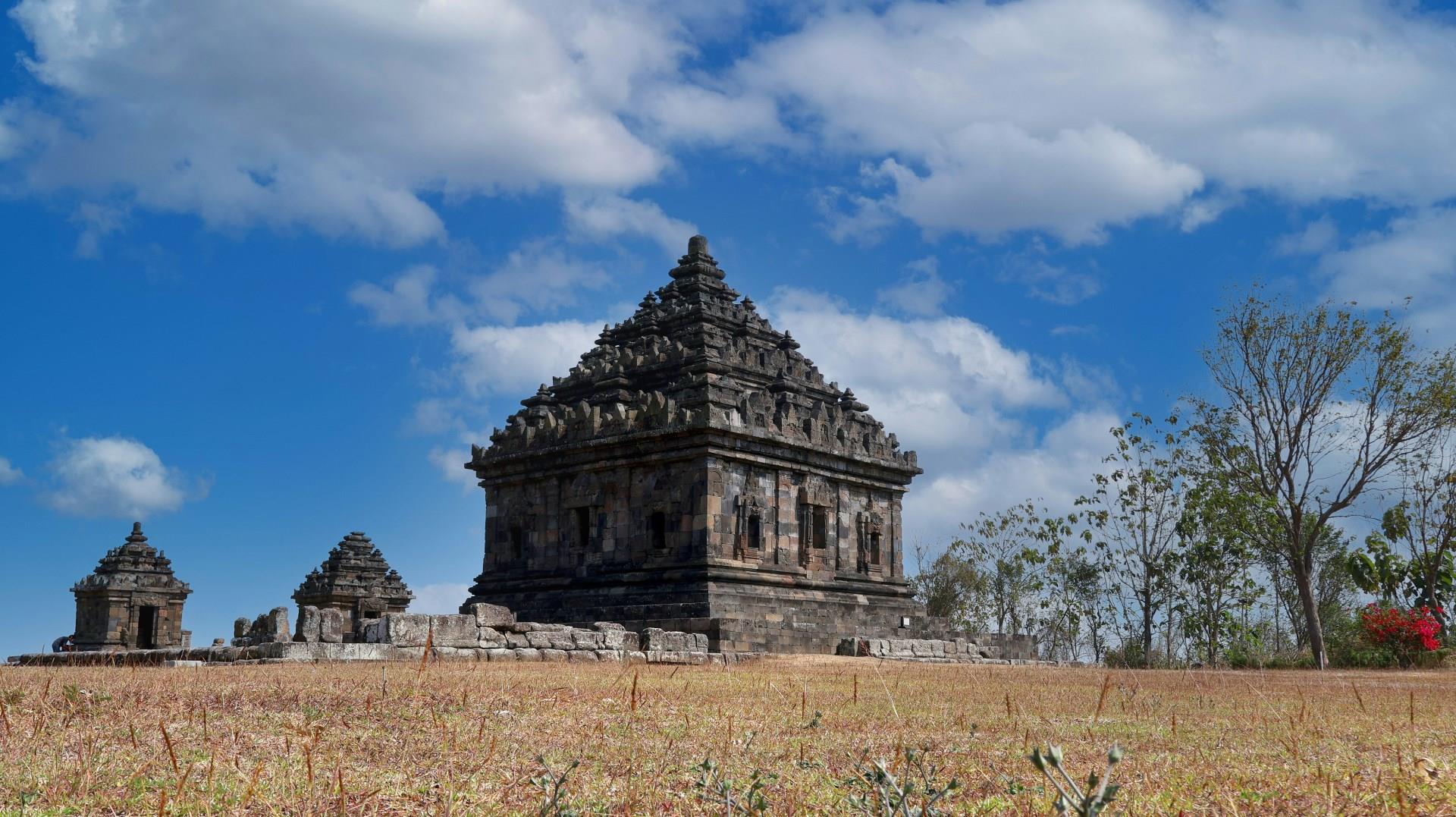
Yogyakarta Java
Yogyakarta, on the island of Java, is often described as Indonesia’s cultural capital, a reputation grounded in living tradition rather than nostalgia. It remains the seat of a functioning sultanate, and the royal palace, or kraton, anchors the city’s identity through ceremonies, crafts, and court arts that continue to shape everyday life. The city also played a key role in Indonesia’s struggle for independence, giving it a strong sense of civic pride and historical awareness.

Great Exuma
The Exumas are located in the middle of The Bahamas, yet remain mostly undisturbed. A collection of some 365 cays and islands stretching over 120 miles, The Exumas are supported at the far southern tip of the chain by two main islands, Great Exuma and Little Exuma.

Uganda
Uganda, often referred to as the "Pearl of Africa," is a country in East Africa that captivates visitors with its dramatic landscapes, diverse wildlife, and rich cultural heritage. From lush rainforests and snow-capped mountains to wide savannas and serene lakes, the country offers a striking variety of experiences within a relatively compact area.
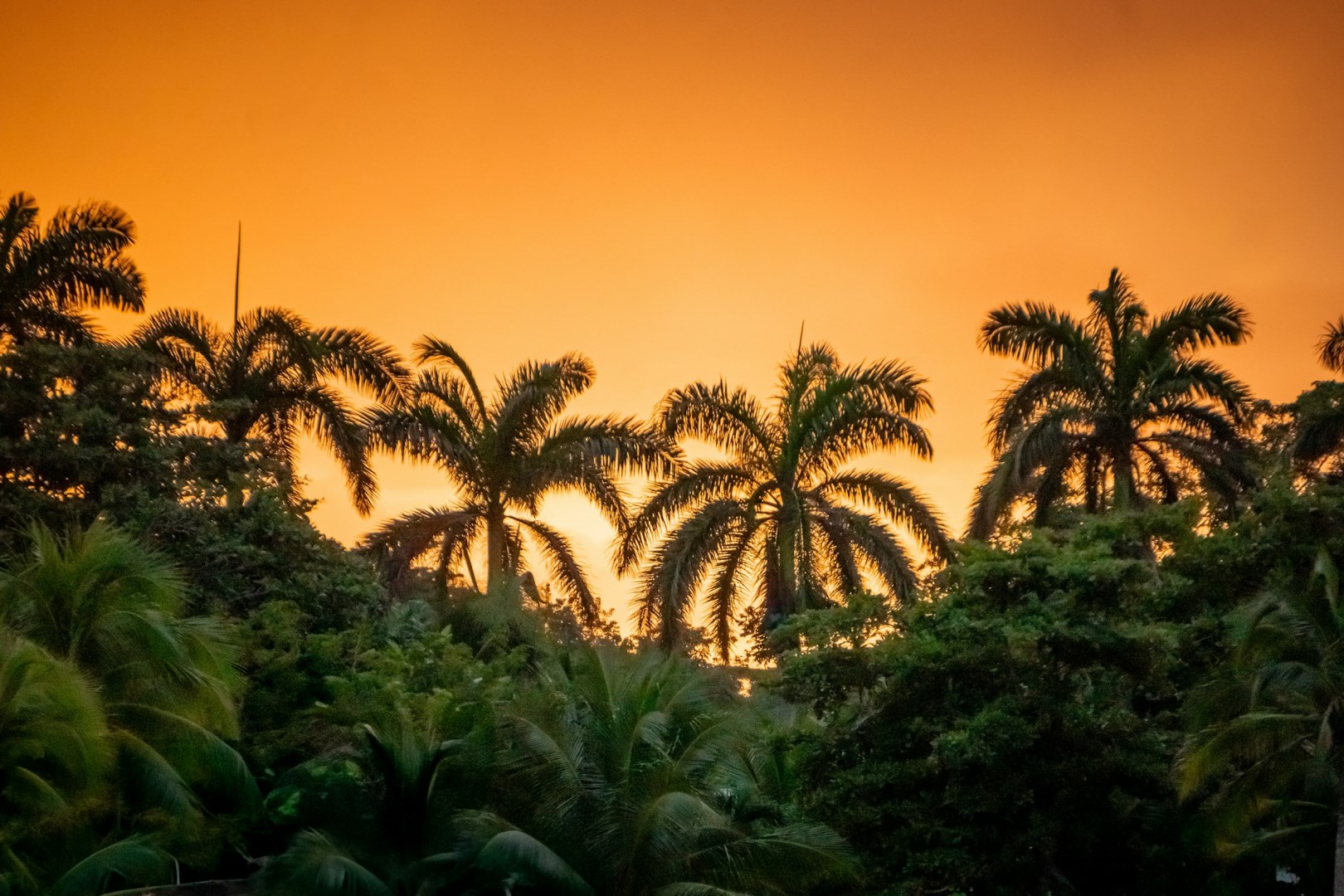
Sandy Bay
Sandy Bay is a small coastal community in Hanover Parish on Jamaica’s northwestern coast, situated between Lucea and Hopewell along the Caribbean Sea. The area is characterized by a narrow coastal plain, low hills, sandy shoreline, and tropical vegetation, with the surrounding countryside containing farms and small settlements.
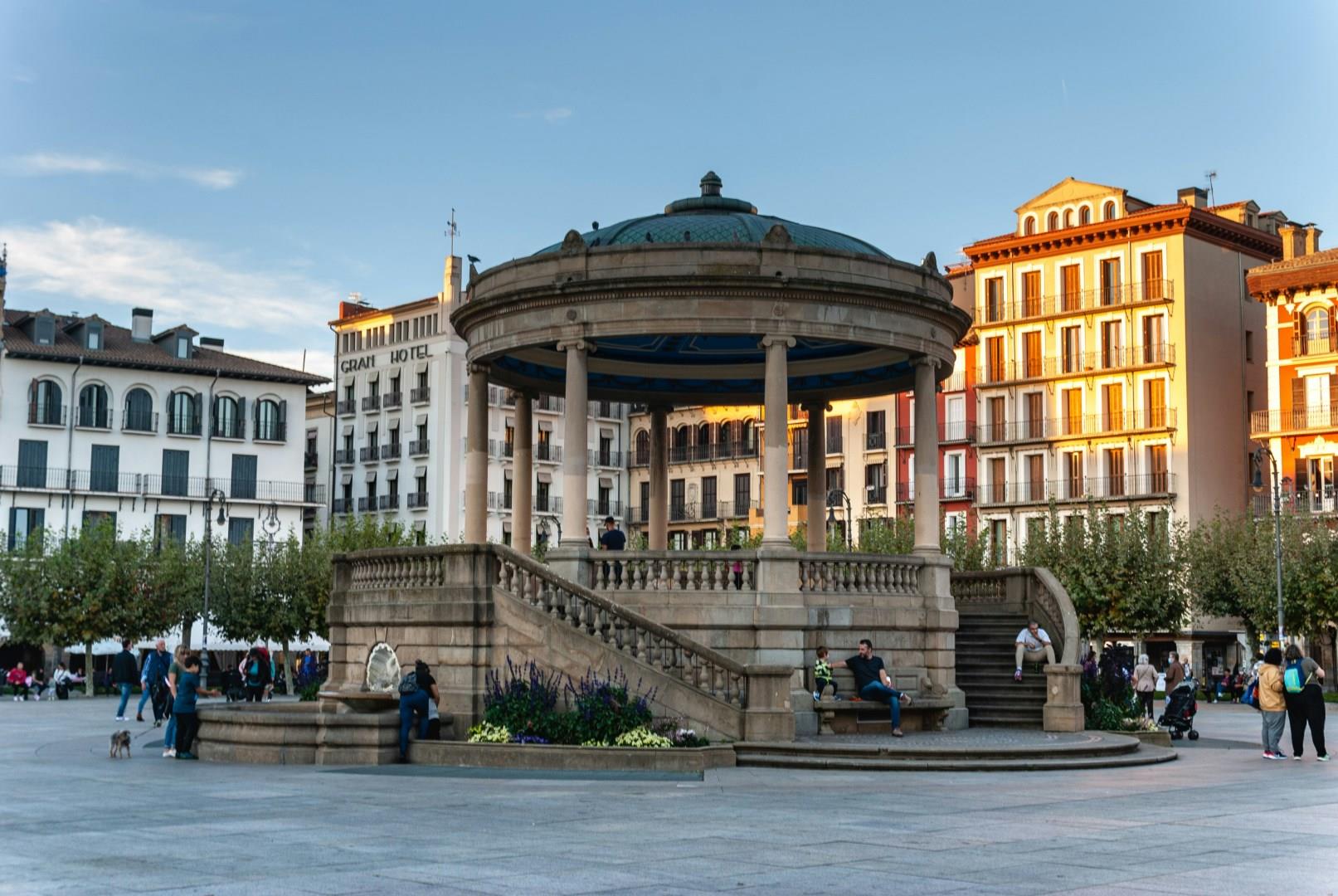
Pamplona
Pamplona, the capital of Spain’s Navarre region, is best known worldwide for the Running of the Bulls during the San Fermín festival each July. But beyond the brief rush of that event lies a city steeped in medieval history, Basque influence, and a slower pace that surprises many visitors. One of the most significant aspects of Pamplona is its place on the Camino de Santiago, the ancient pilgrimage route to Santiago de Compostela.
