
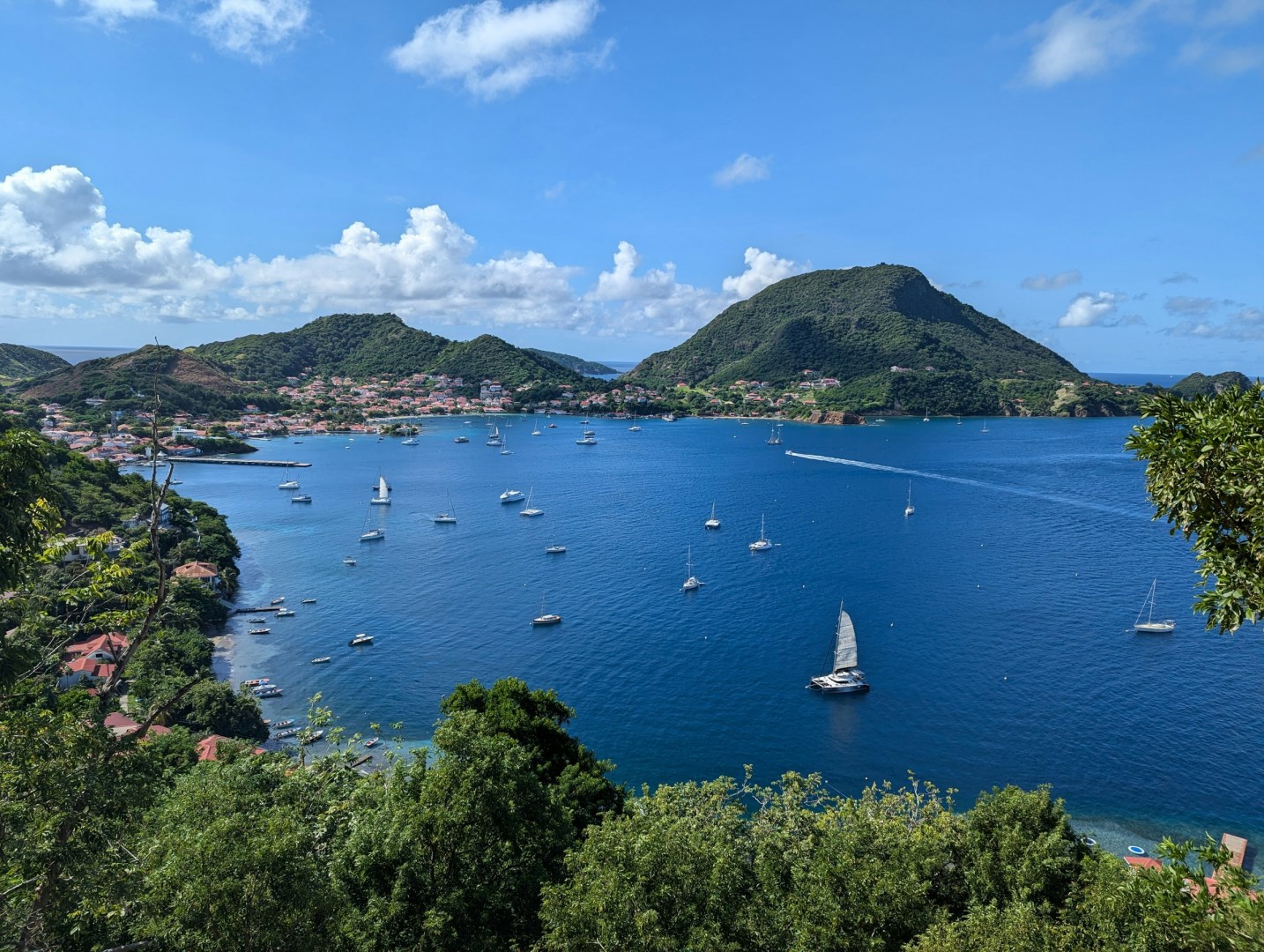
Îles des Saintes
Les Saintes (also known as Iles des Saintes) are perfect for the kind of traveler who relishes unspoiled tropical beauty and the serenity that comes from doing next to nothing on a vacation, but doing it à la française.

Budapest
The capital and largest city in Hungary, Budapest is a favorite European destination for millions of tourists each year. Once the center of the Austro-Hungarian Empire, this cosmopolitan city and UNESCO World Heritage site has plenty of historical and cultural landmarks to explore.
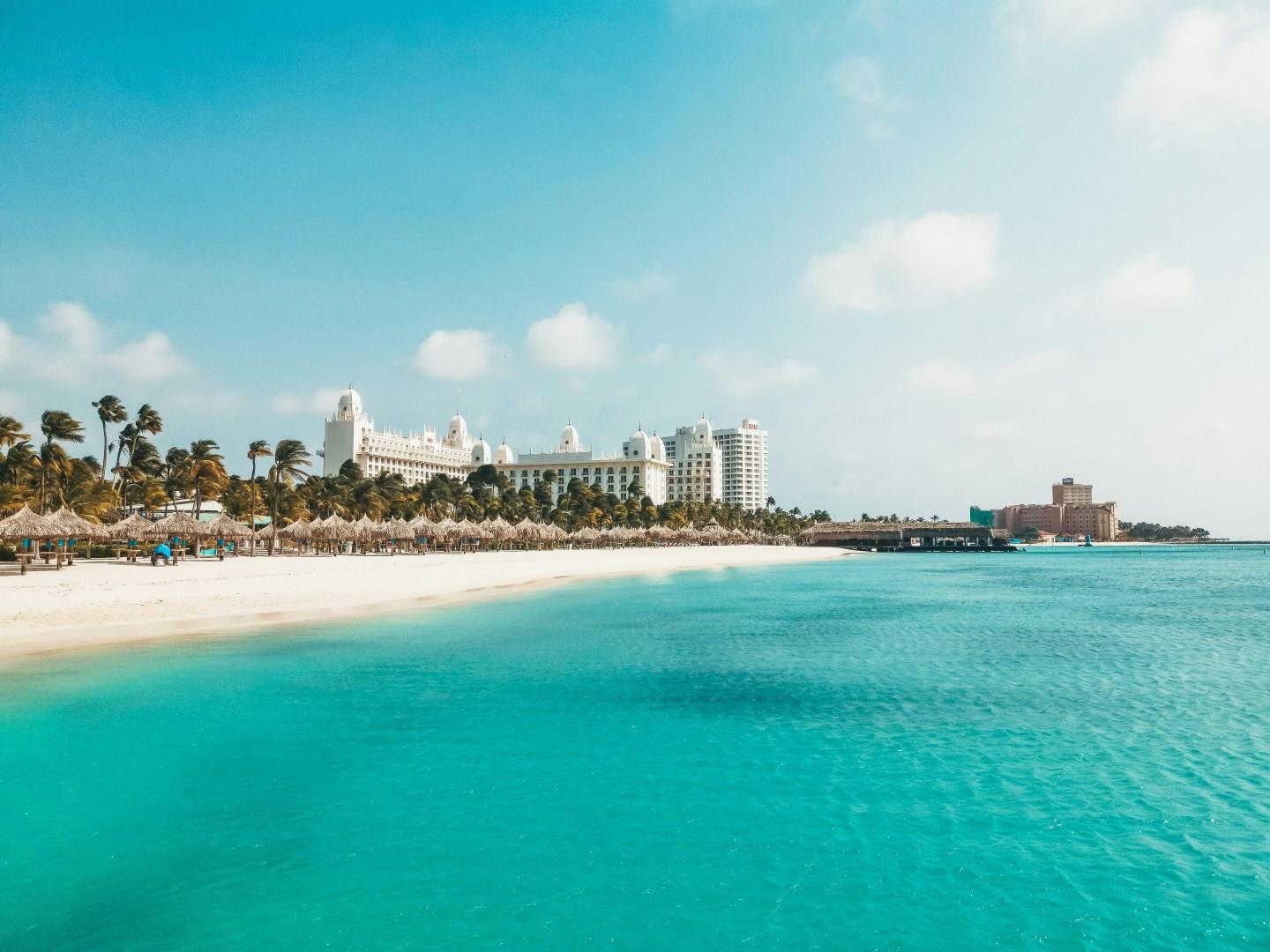
Palm Beach
Palm Beach, located on Aruba’s northwest coast, is the island’s most famous stretch of sand: a two-mile ribbon of soft white shore lined with turquoise waters and a lively resort scene.
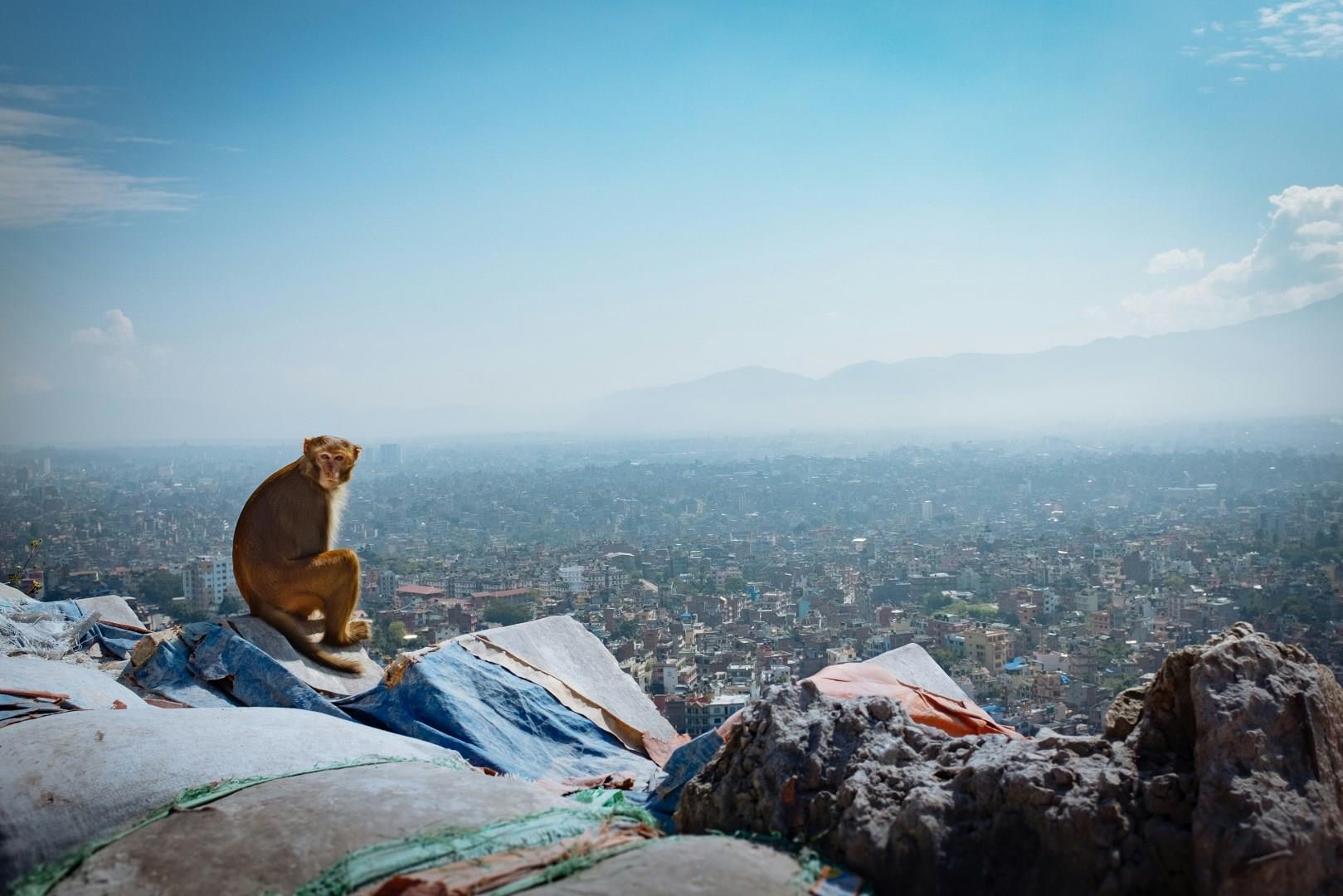
Kathmandu
Home to a number of Hindu and Buddhist temples, beautiful botanical gardens, and ancient palaces, Kathmandu is the perfect place to immerse yourself in Nepali culture, history, and religion.

Zermatt
Among the stunningly snow-capped Swiss Alps, Zermatt is a charming ski resort town in Switzerland. Situated near the iconic Matterhorn peak, Zermat is the perfect destination for skiing, snowboarding, and hiking.
