
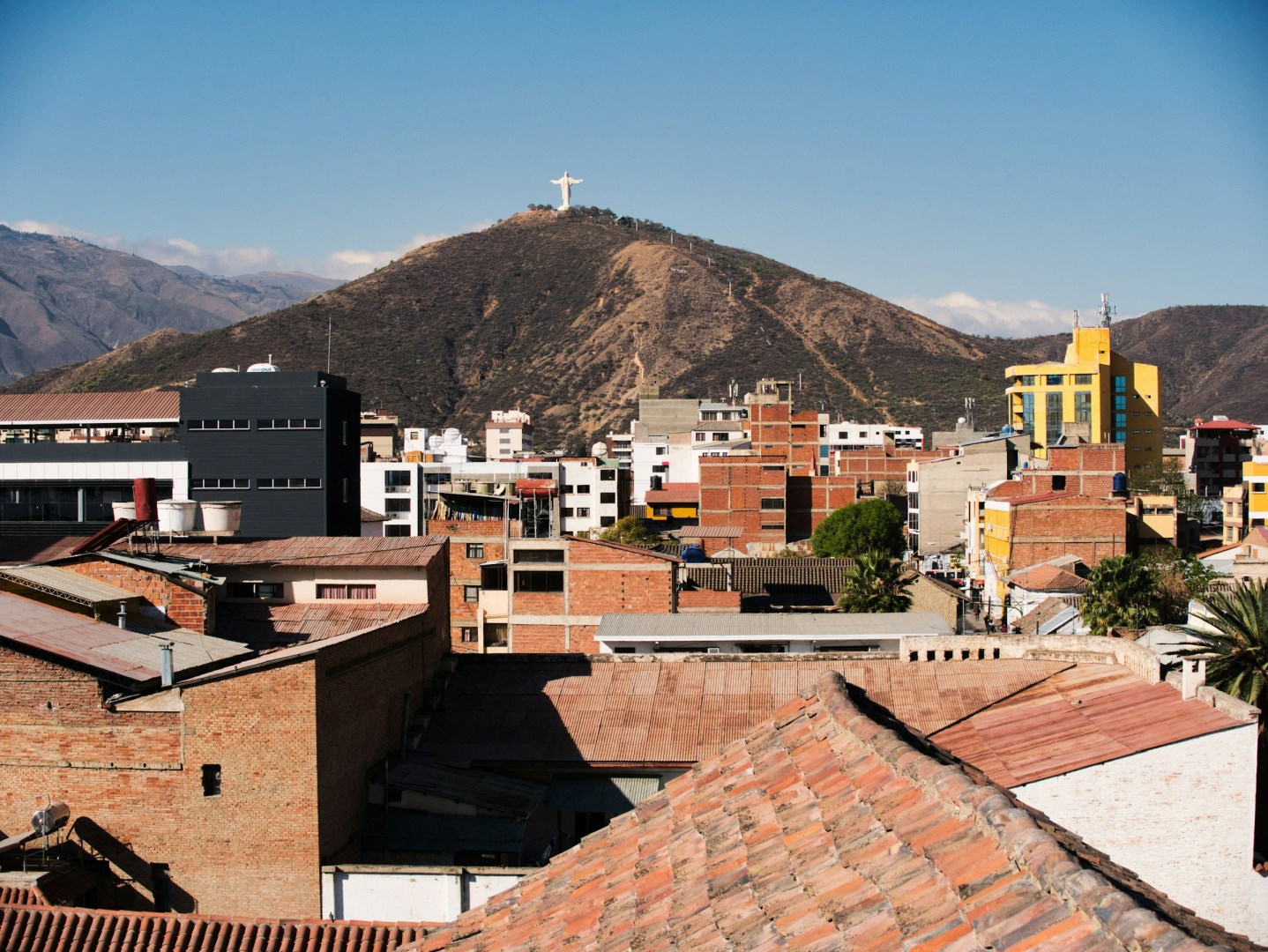
Cochabamba
Bolivia's third largest city, it lies high in the valley of Cordillera Oriental. It is an agricultural hub of the country, especially for grains. Founded in 1574 by a conquistador, it is the home of an excellent archeological museum.
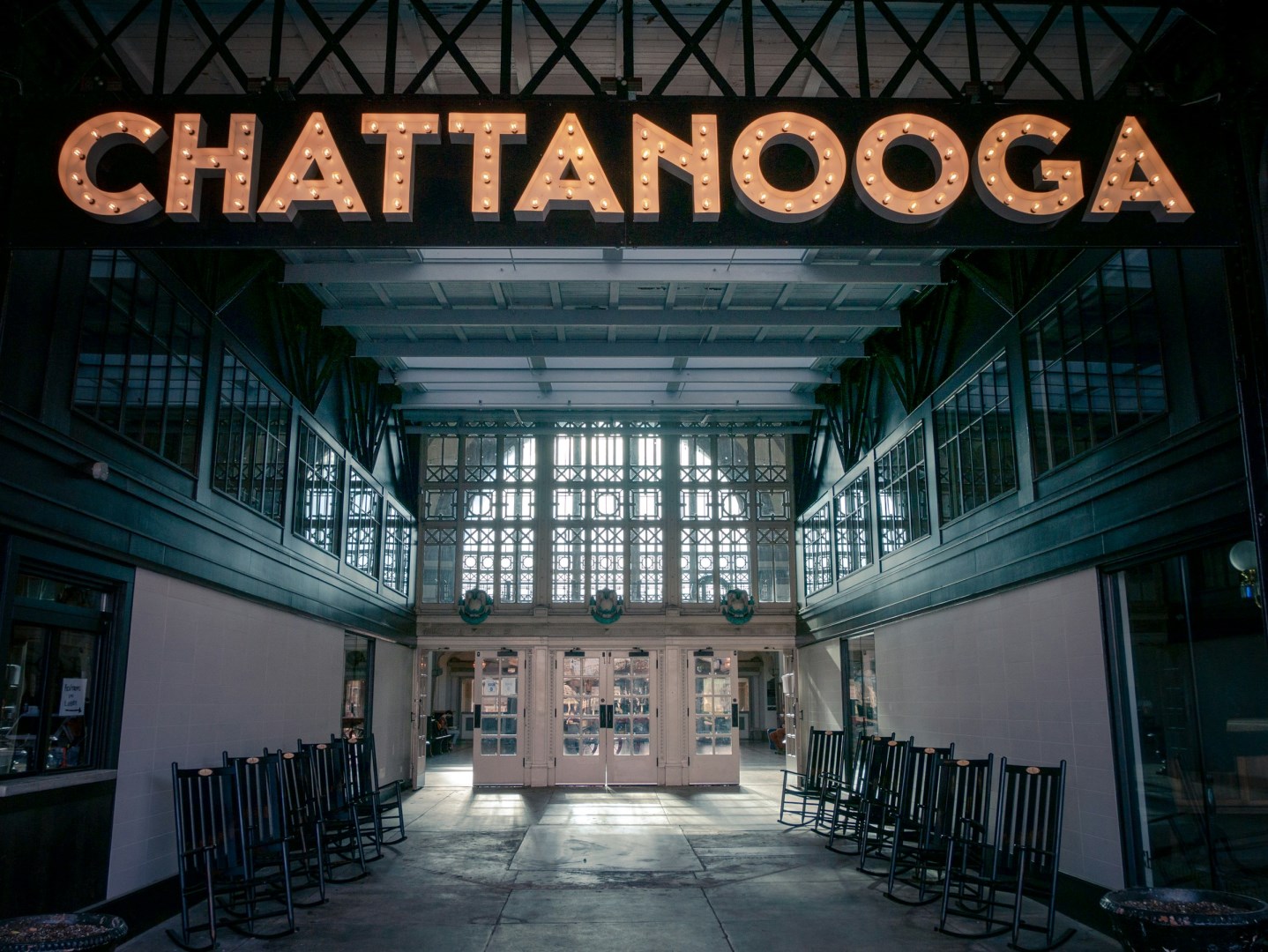
Chattanooga
Located in southeast Tennessee, it is the home of the TVA and was the site of two famous Civil War battles: Chattanooga and Chicamauga
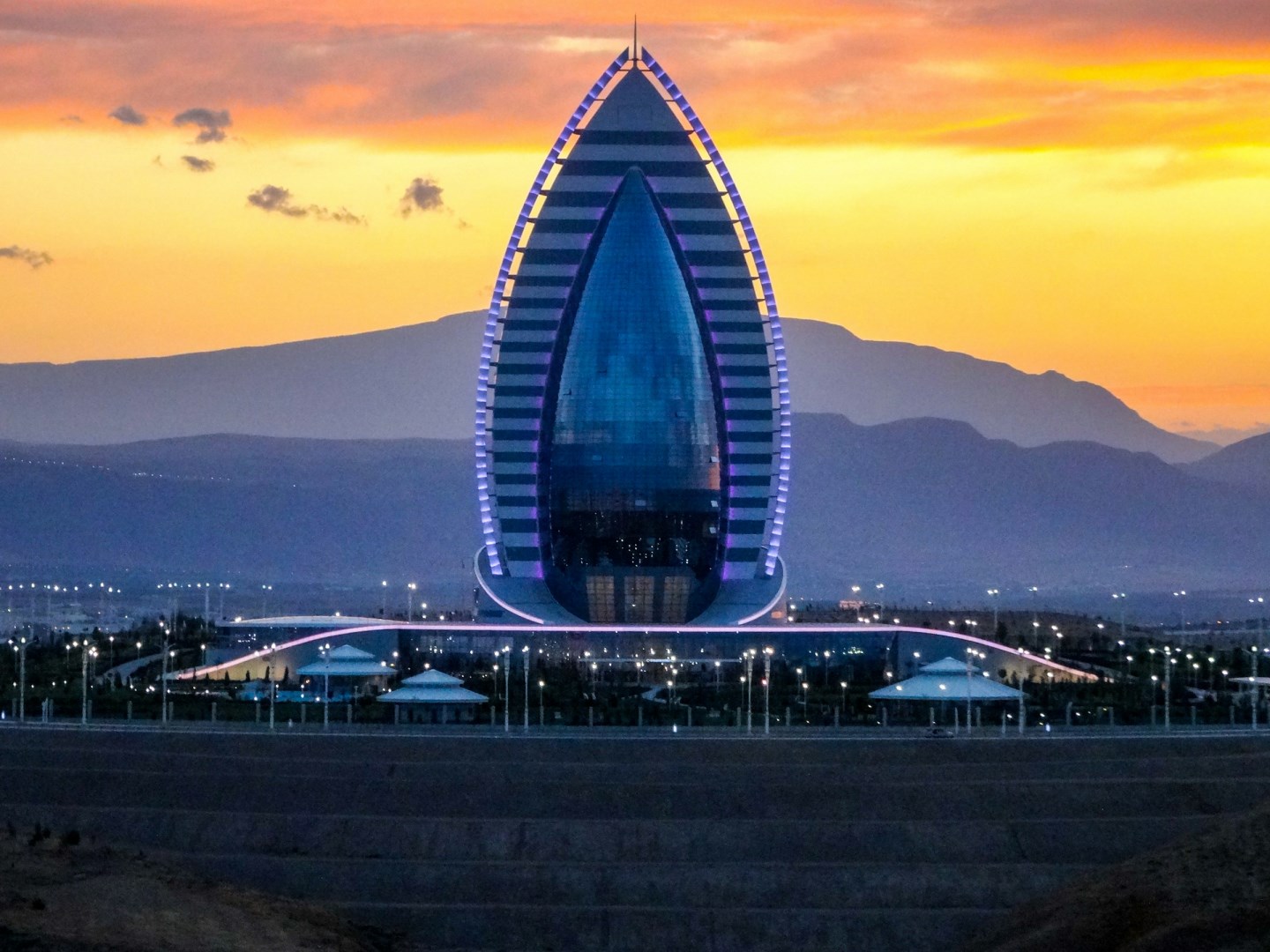
Ashgabat
Ashgabat (formerly Ashkhabad) is the capital and the largest city of Turkmenistan. In Persian, the name means "city of love." Notable attractions include the Karakum Canal, the Trans-Caspian railway, and numerous monuments and museums to explore.

Boston
Evidence of our nation's birth abounds in Boston, a hub of revolution that is essentially the oldest city in the United States. Visitors are compelled to walk the 2.5-mile Freedom Trail around the city center, and bear witness to 16 historical locations related to the history of America.
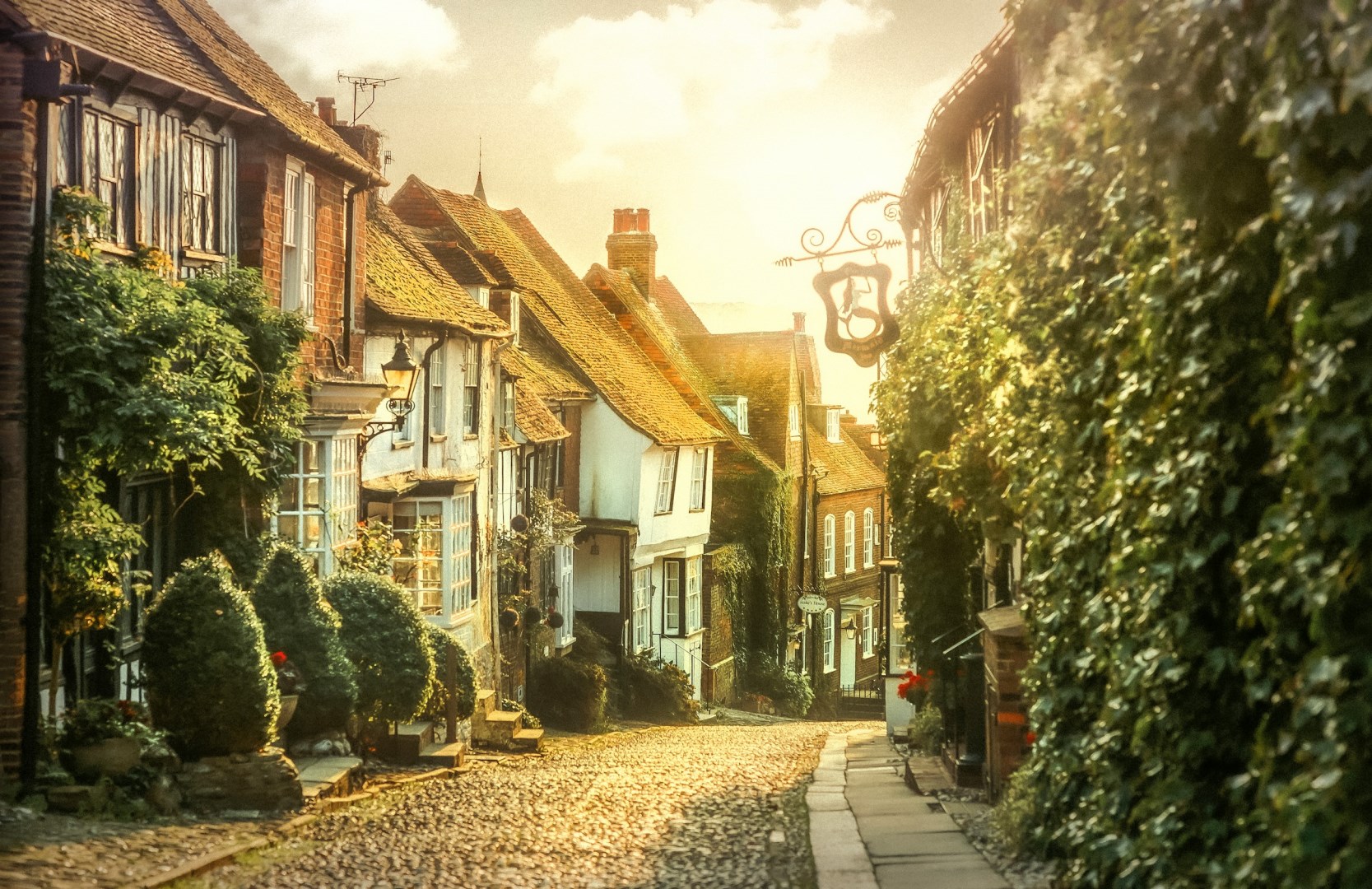
Rye
Rye is a diverse town, supported by fishing, boat-building, pottery-making, and light industry such as electronics. Visit the Rye Heritage Centre at Strand Quay, offering exhibitions of Rye's history. A more colorful depiction of its history is portrayed by a very impressive Sound and Light Show. Also visit the various sweet shops specialising in homemade fudge. Rye Harbour and the Pett Level lakes offer excellent birdwatching. The Rye Golf Club at Camber has on of Britain's finest coastal cours
