
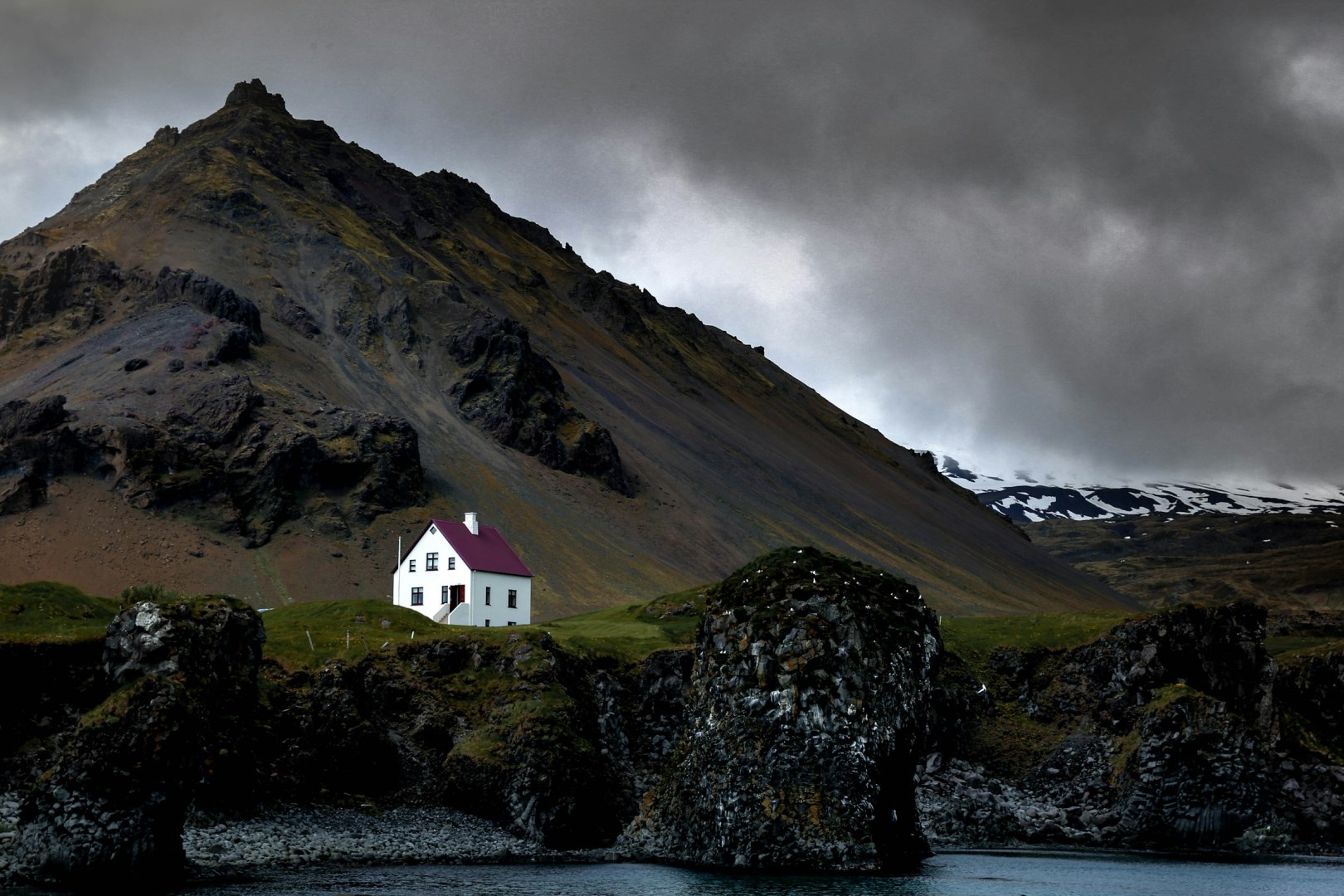
Westfjords
The Westfjords are a remote region in northwestern Iceland, shaped by deep fjords, steep flat-topped mountains, narrow coastal roads, and a shoreline carved over millions of years. The region lies away from Iceland’s Ring Road and contains some of the country’s least populated landscapes. Ísafjörður is the largest town and the main service center, with smaller communities including Patreksfjörður, Þingeyri, Flateyri, Súðavík, and Bolungarvík.
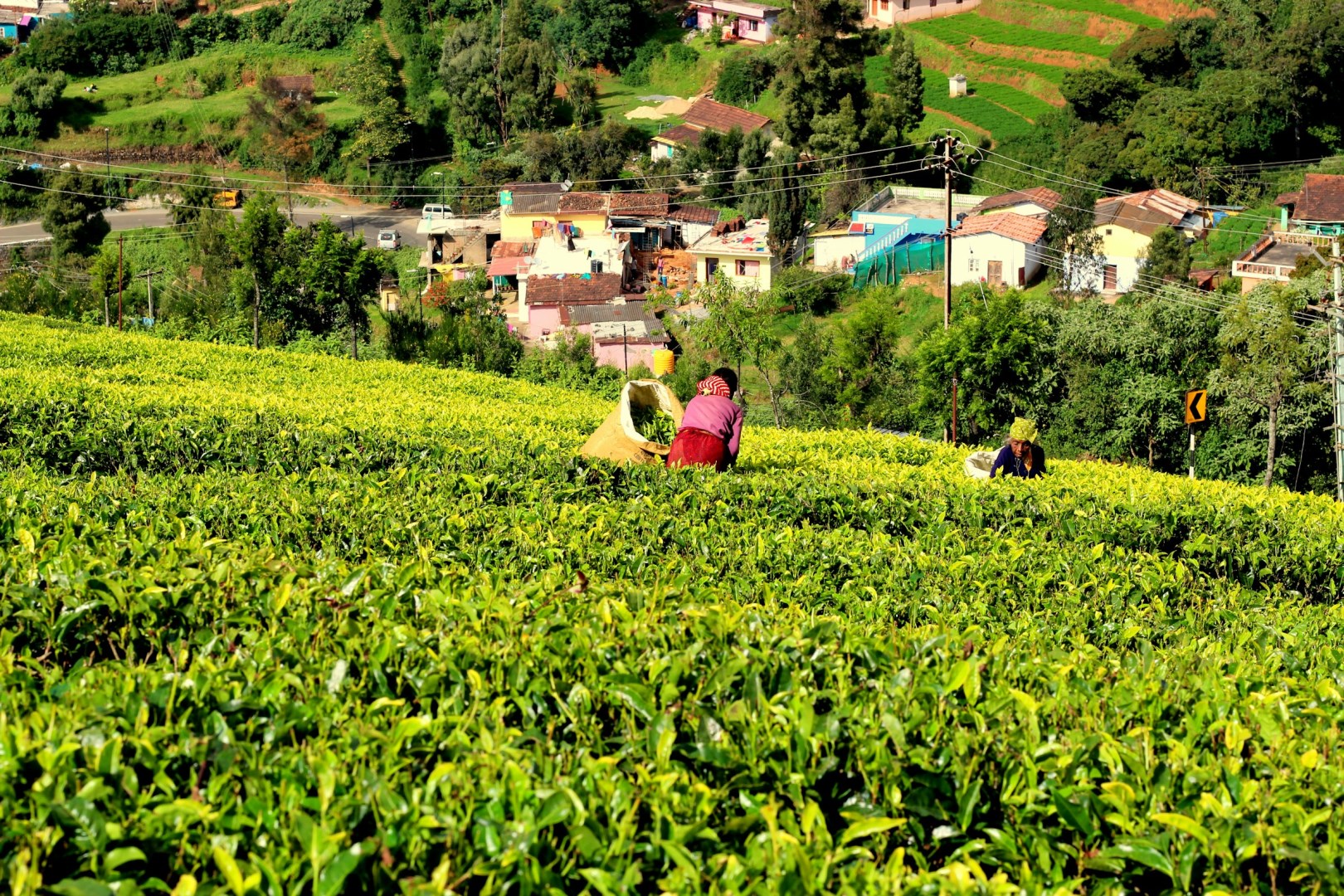
Ooty
Ooty, officially known as Udhagamandalam, is a hill town in Tamil Nadu’s Nilgiri Hills, surrounded by tea estates, eucalyptus-covered slopes, shola vegetation, and rolling mountain scenery. Sitting at more than 2,000 metres above sea level, it has a notably cooler climate than the plains of southern India. The town developed as an important hill settlement and remains the main urban centre of the Nilgiris.
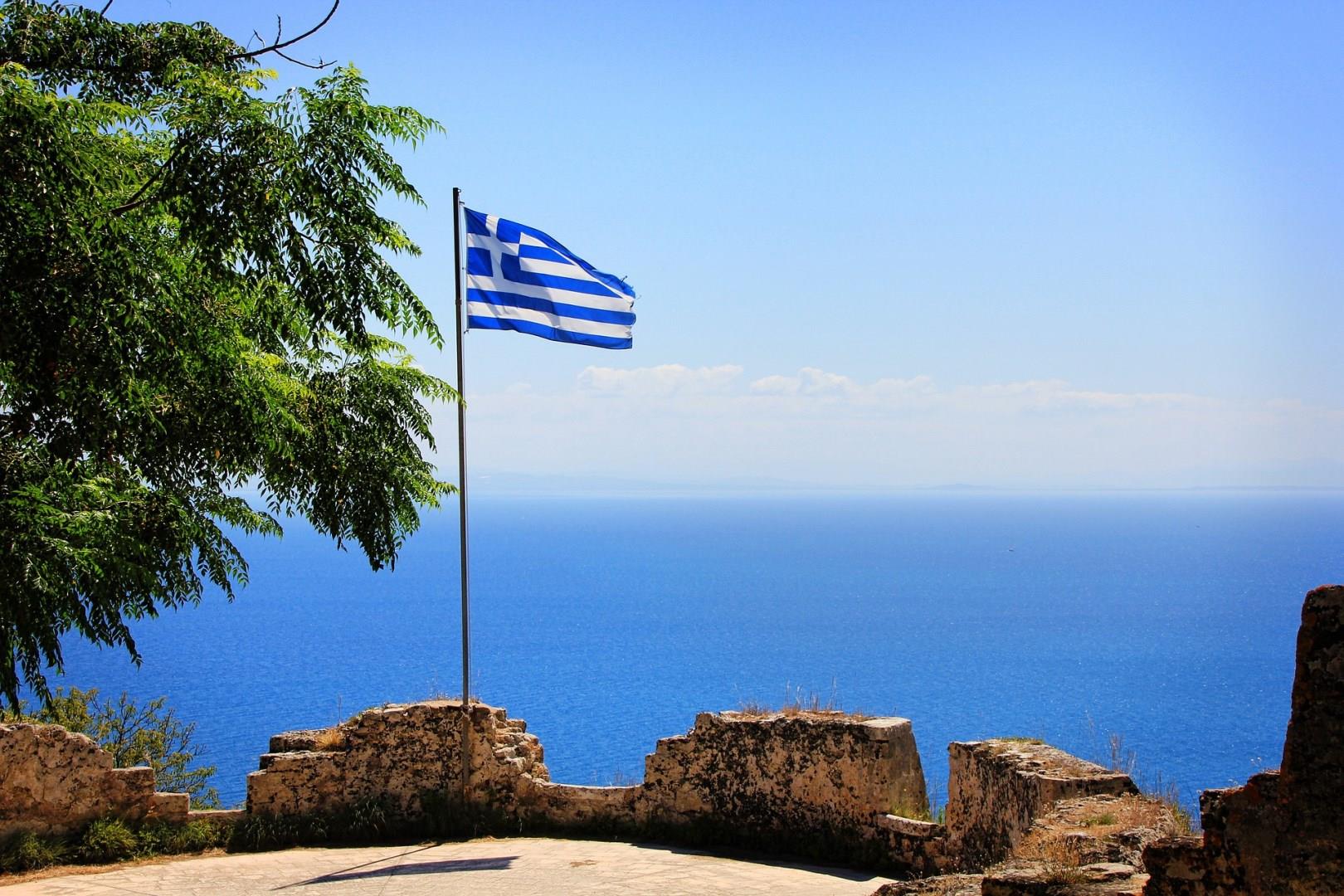
Greece
Greece is a country where layers of history sit side by side with everyday life. In Athens, visitors can stand at the foot of the Acropolis and look up at the Parthenon, built more than 2,400 years ago, then walk a few blocks to modern cafes buzzing with conversation and music. The city’s neighborhoods, like Plaka and Monastiraki, offer both ancient ruins and small family-run shops selling handmade sandals and olive oil soap.
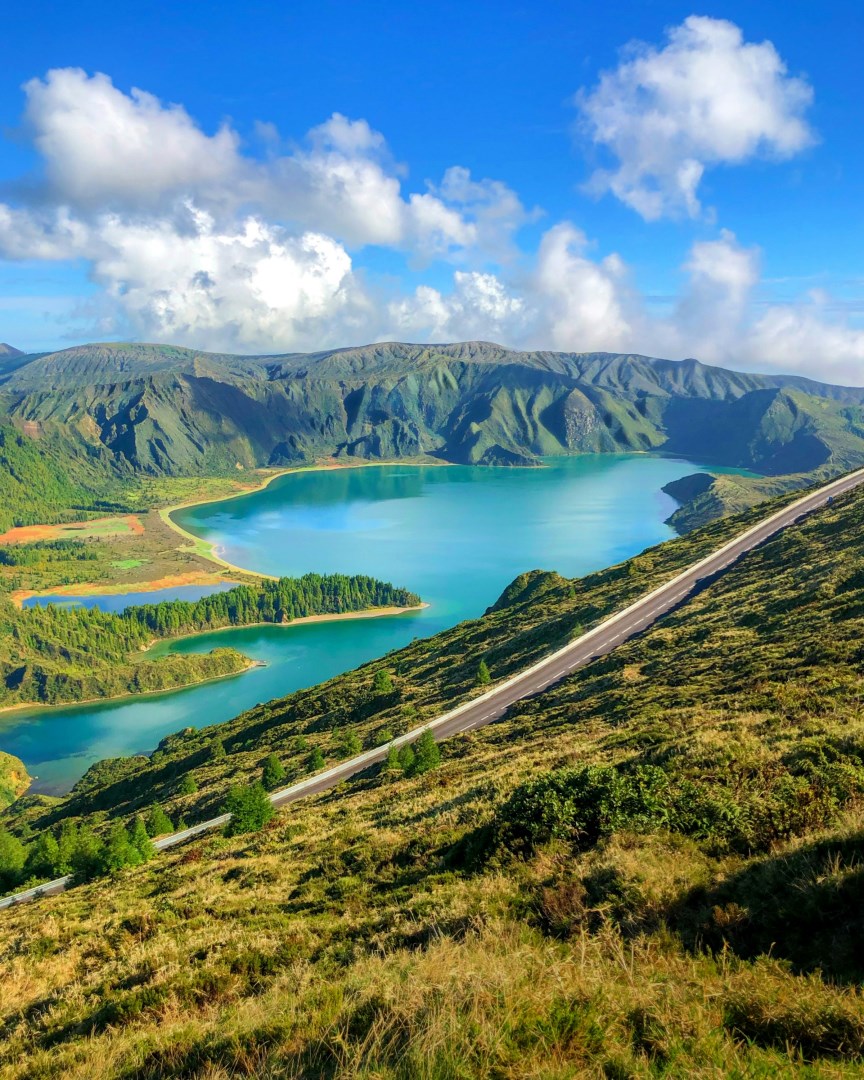
Lagoa do Fogo
Lagoa do Fogo is a volcanic crater lake on São Miguel Island in Portugal’s Azores archipelago. Set within a protected landscape in the island’s central highlands, the lake occupies a large caldera surrounded by steep slopes covered with native vegetation. Its remote setting and undeveloped shoreline distinguish it from the more settled areas of São Miguel.
Lüderitz
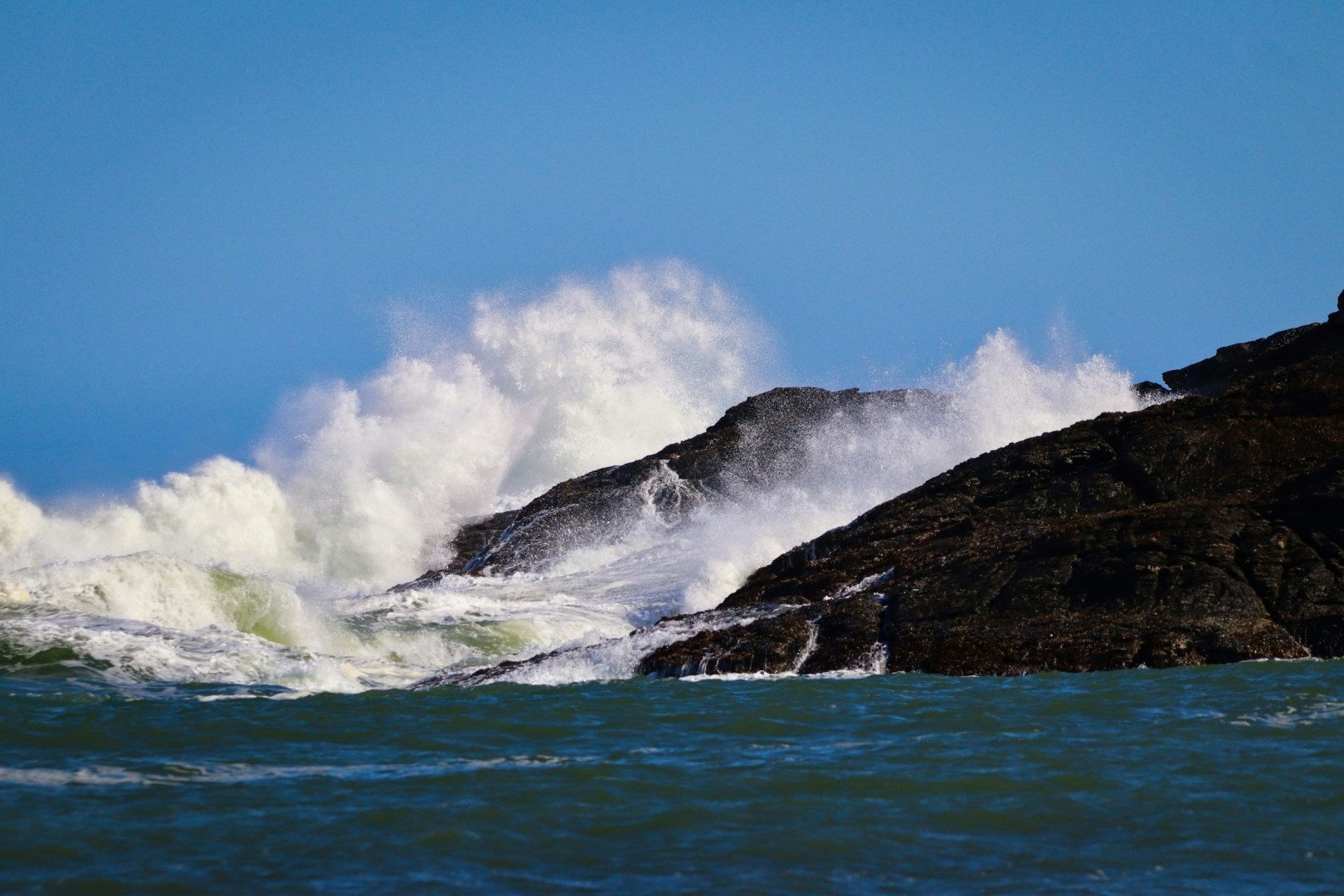
This coastal town in southwestern Namibia is known for its German colonial buildings, including the art nouveau Goerke Haus, built into the rock face on Diamond Hill. Nearby, Felsenkirche is a hilltop church with panoramic bay views stretching around to Robert Harbor. The Lüderitz Museum has displays about the town’s diamond mining past as well as local and natural history.
