
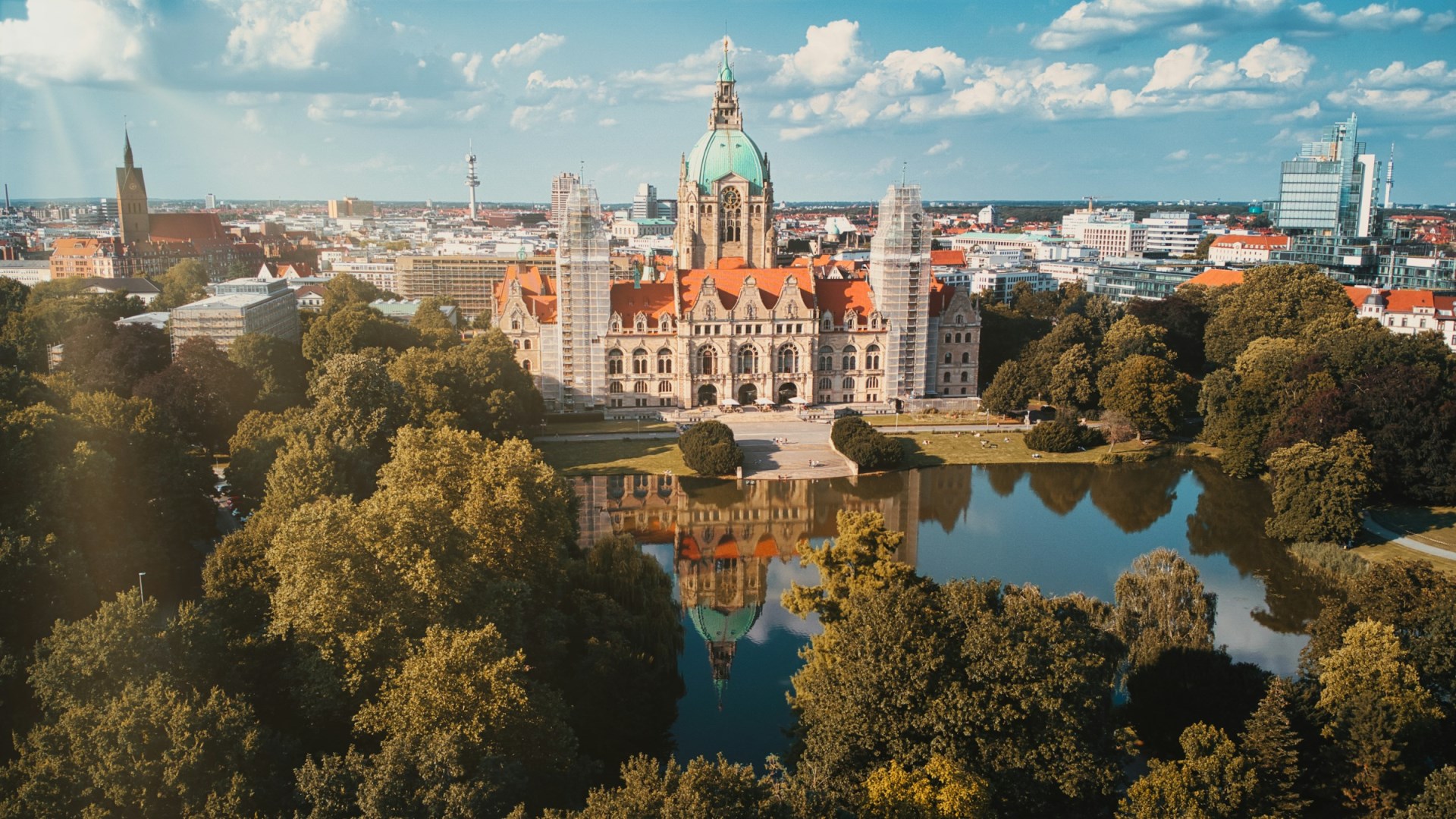
Hannover
Hannover is the capital of Lower Saxony in northern Germany and one of the country’s most important centers for business, education, and trade fairs. Situated along the Leine River, the city combines modern urban development with extensive green spaces, historic landmarks, and cultural institutions.
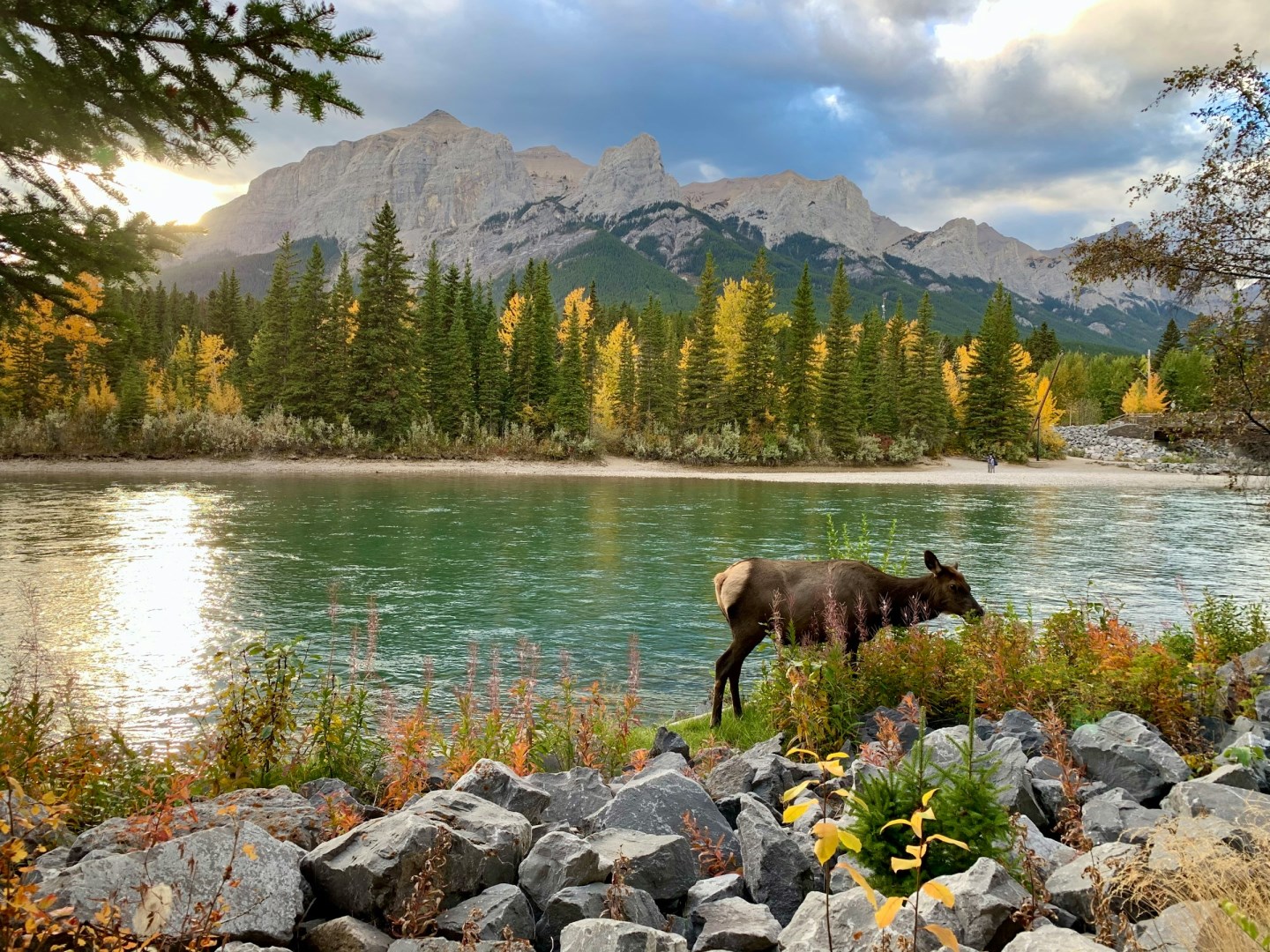
Bow River
The Bow River is one of Alberta’s best-known waterways, flowing from the Canadian Rockies through Banff National Park before continuing across the foothills and plains toward Calgary. Its headwaters are fed by glaciers and mountain snow, giving the river a cold, clear character and connecting high alpine landscapes with the prairie environment downstream.
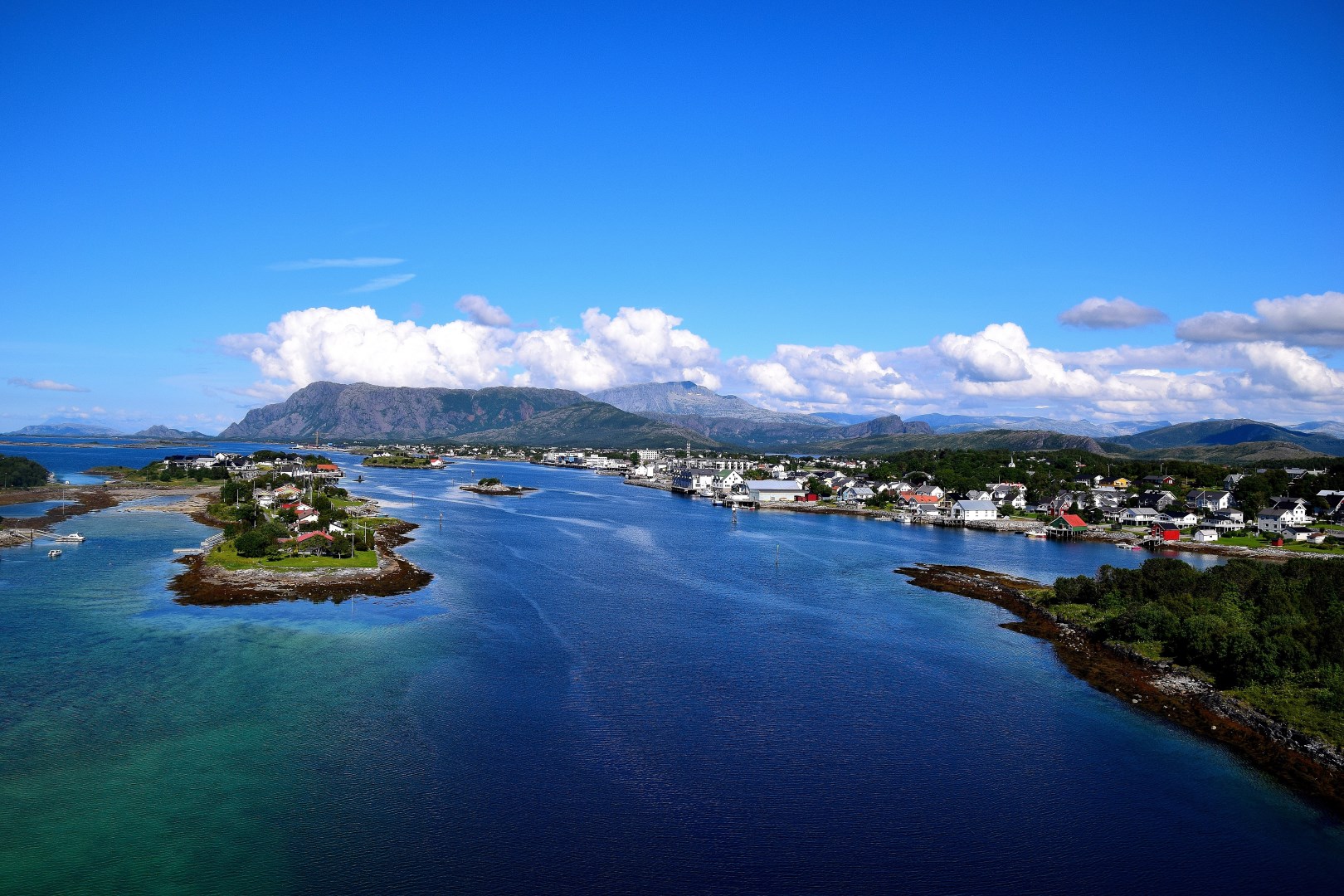
Bronnoysund
Brønnøysund sits along the Helgeland coast in Norway, surrounded by islands, narrow straits, and open sea. The town serves as a natural gateway to this coastal landscape, where boats move between scattered islets and fishing communities. Its harbor remains central to daily life, with working vessels sharing space with coastal cruise ships that pass through on longer journeys. The setting offers constant change, as weather and light reshape the view from hour to hour.
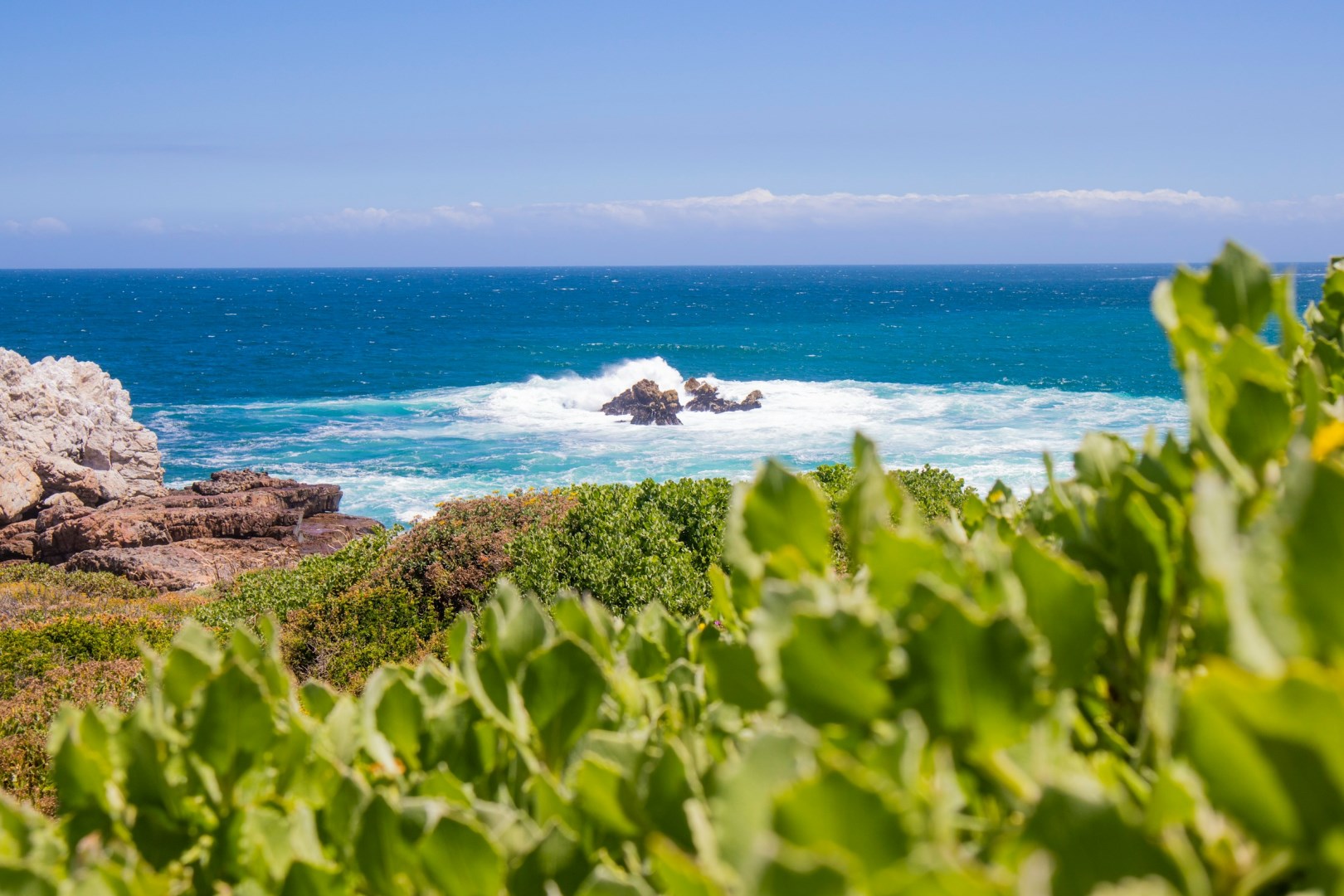
Hermanus
Hermanus is a coastal town in the Western Cape, set along Walker Bay between the Kleinrivier Mountains and the Atlantic Ocean. It is best known for its land-based whale watching, with southern right whales regularly entering the sheltered waters of the bay. The town combines a compact centre with a long coastal cliff path, beaches, coves, and residential areas extending along the shoreline.
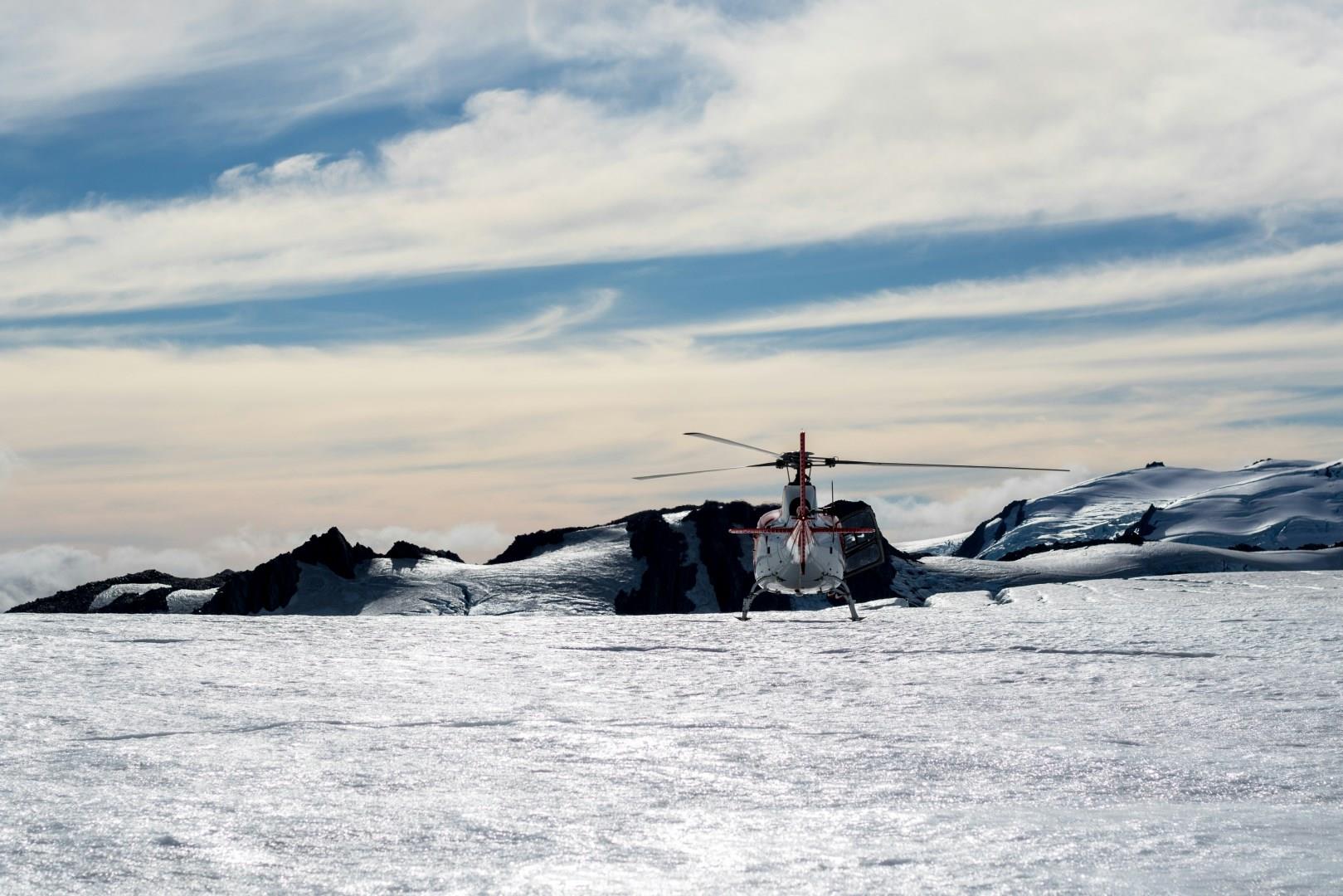
Fox Glacier
Fox Glacier, on New Zealand’s South Island, is one of the country’s most remarkable natural wonders, where icy landscapes meet lush rainforest. Named after Sir William Fox, a 19th-century Prime Minister of New Zealand, the glacier stretches from the high peaks of the Southern Alps down into temperate rainforest.
