

Amsterdam
Amsterdam, the 17th century capital of Holland, is often called the "Venice of the North" due to its numerous, boat-navigable canals. Truly rich in history, the oldest part of this populous, multicultural city is Sloten, which dates all the way back to the 9th century.
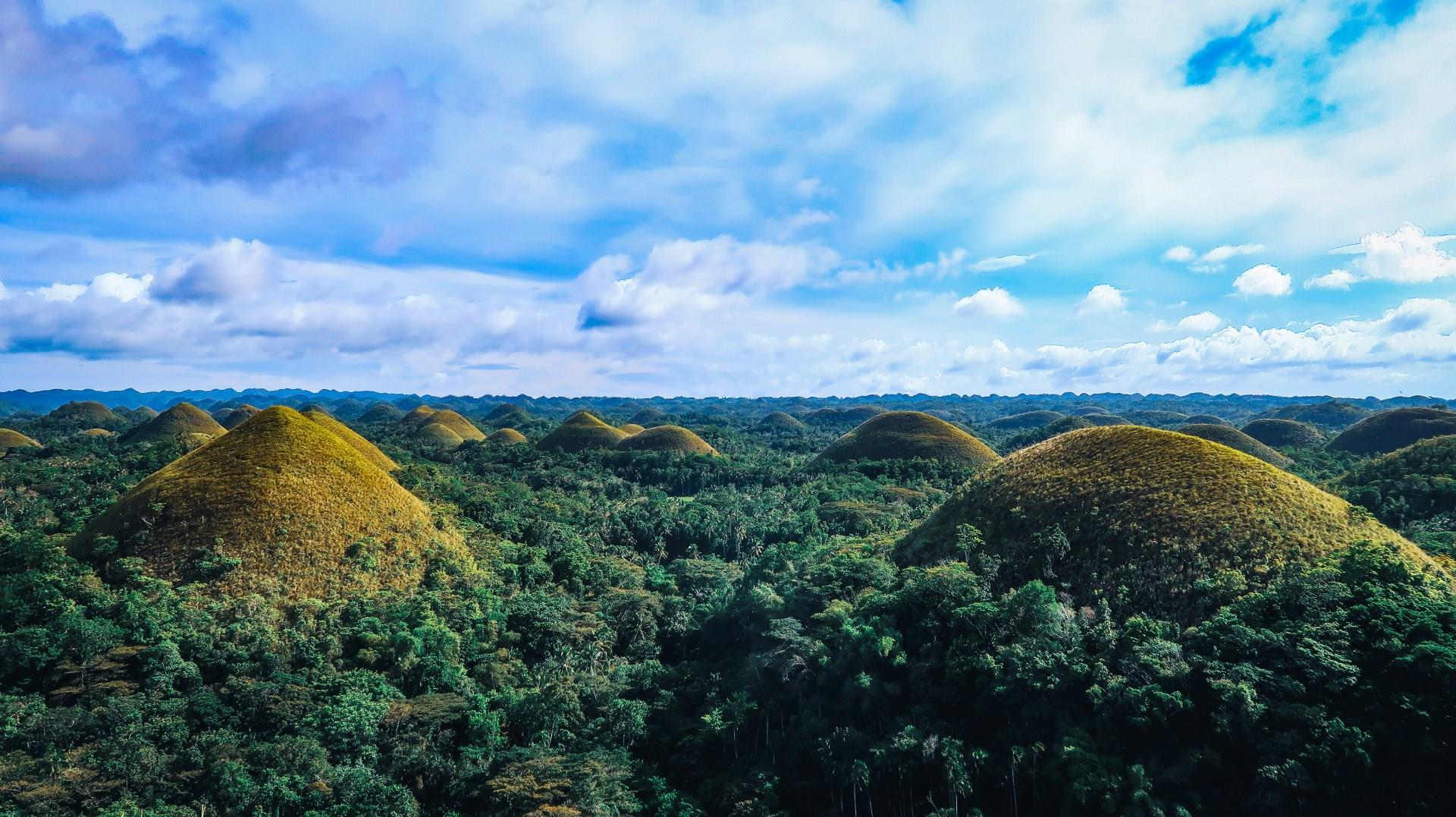
Bohol
Bohol sits in the central Philippines, shaped by early Spanish contact and long-established rural communities. The island is known for its historic churches and for maintaining strong ties to agriculture and local governance, which have helped preserve a sense of continuity.

Civitavecchia
This pleasant port town provides a nice, calmer contrast to bustling Rome, so travelers are advised to not simply pass through, but linger and discover more of Civitavecchia. Explore Forte Michelangelo, shop at Corso Centocelle, see the neoclassical Trajan Theatre, and delve into the therapeutic Taurine Baths of Civitavecchia.
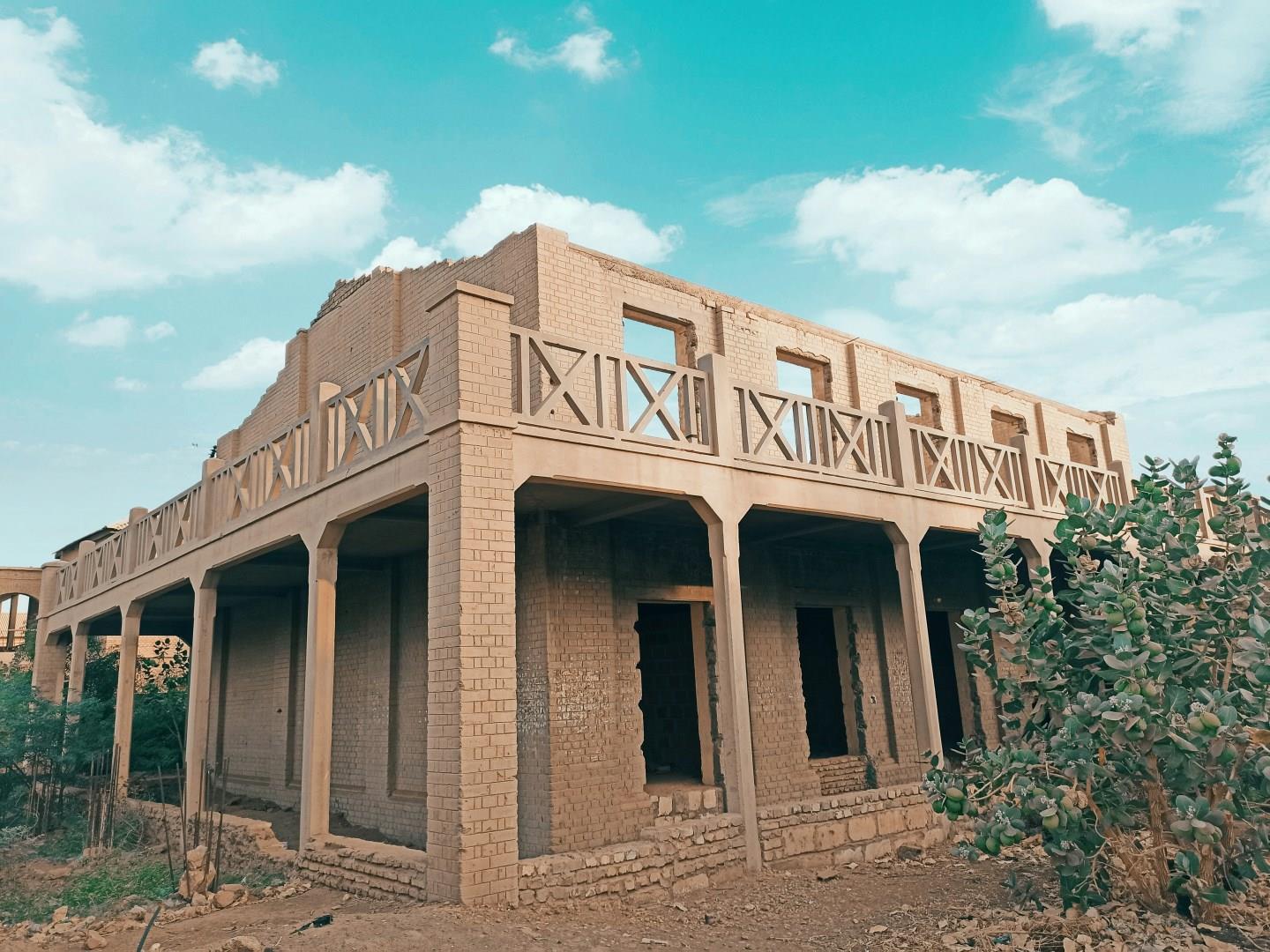
Sudan
Sudan, located in northeastern Africa, is a country of diverse landscapes, from the vast Sahara Desert in the north to the fertile Nile Valley in the center. The Nile River, one of the world’s longest, runs through the country, shaping both its agriculture and history.

Arkansas
Arkansas is often called “The Natural State,” and for good reason as it’s home to more than 600,000 acres of lakes and 9,700 miles of rivers and streams. From the Ozark Mountains in the north to the Delta plains in the east, the state’s landscapes offer a wide range of backdrops for hiking, paddling, or simply taking in the view.
