
Kunturiri
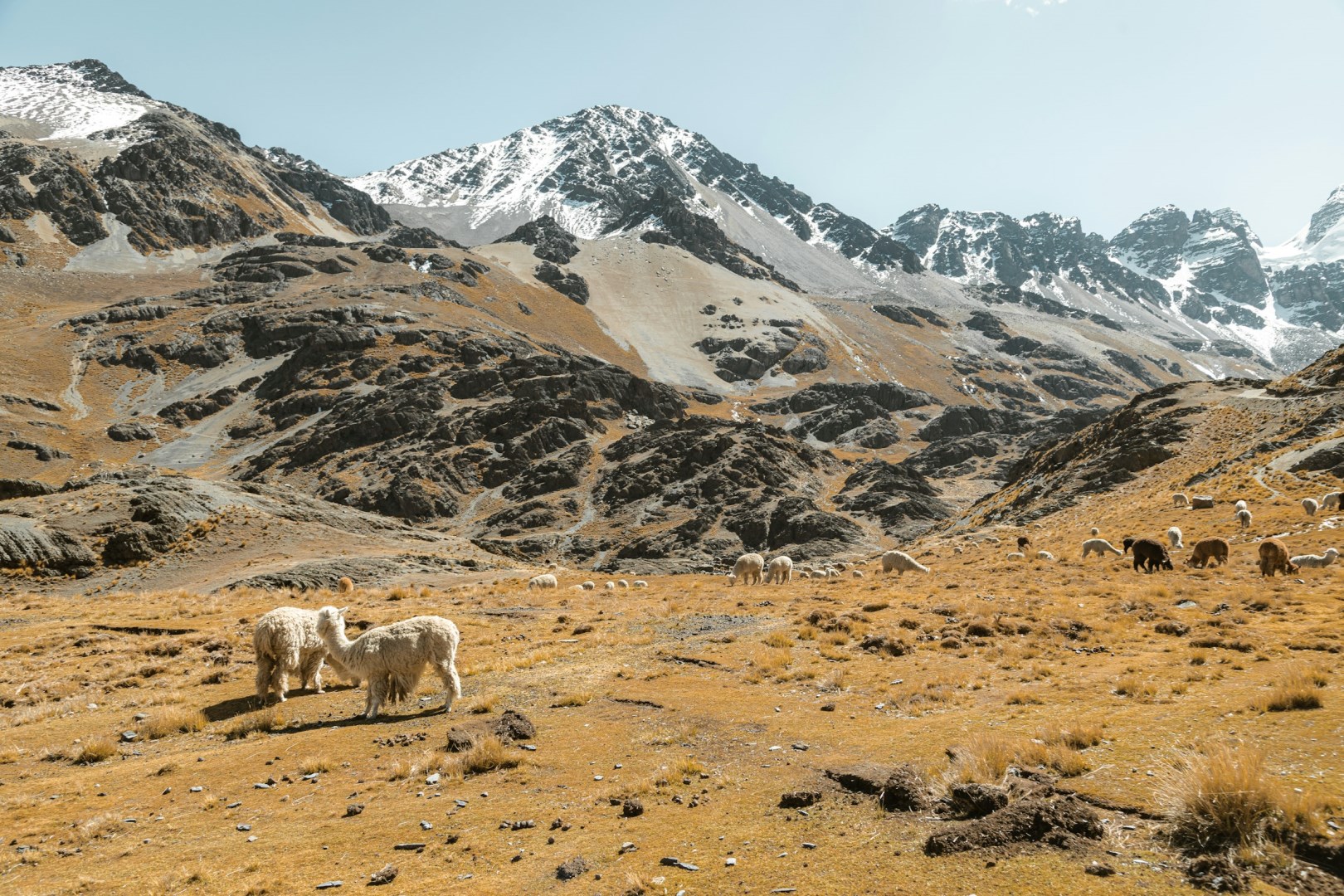
Kunturiri is a high-altitude mountain area in Bolivia’s Cordillera Real, north of La Paz. The name comes from the Aymara word for condor, reflecting the region’s close connection with Andean landscapes and wildlife. Kunturiri is characterized by rugged peaks, glacial terrain, mountain lakes, and broad views across the high Andes. The area lies within a remote section of the Cordillera Real, where steep mountains rise above the surrounding Altiplano.
Petrified Forest National Park
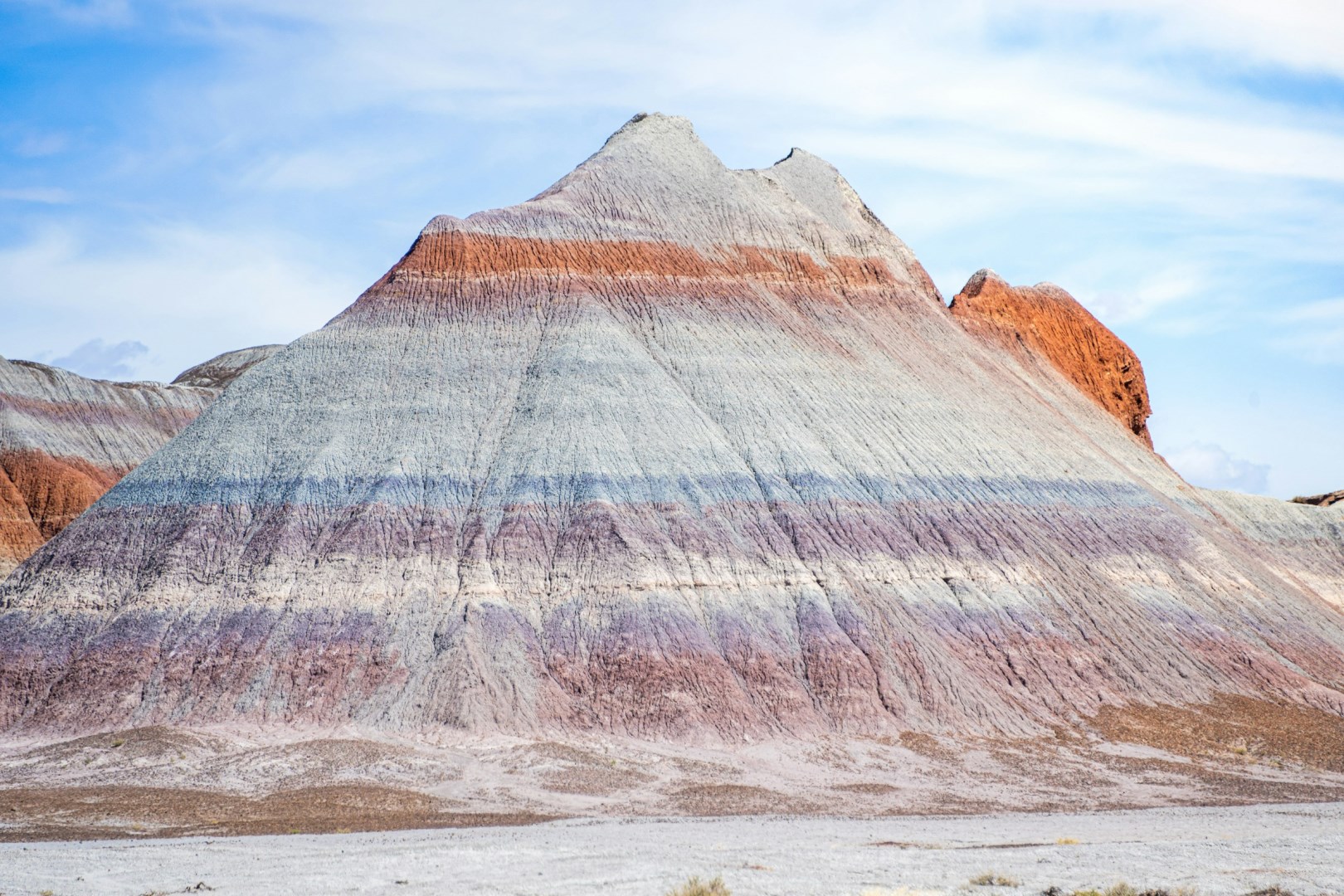
Petrified Forest National Park stretches across the colorful high desert of northeastern Arizona, where grasslands, mesas, badlands, and ancient fossil deposits form an unusual landscape. The park is best known for its extensive petrified wood, much of it preserved from trees that lived in a river environment more than 200 million years ago.
Keelung
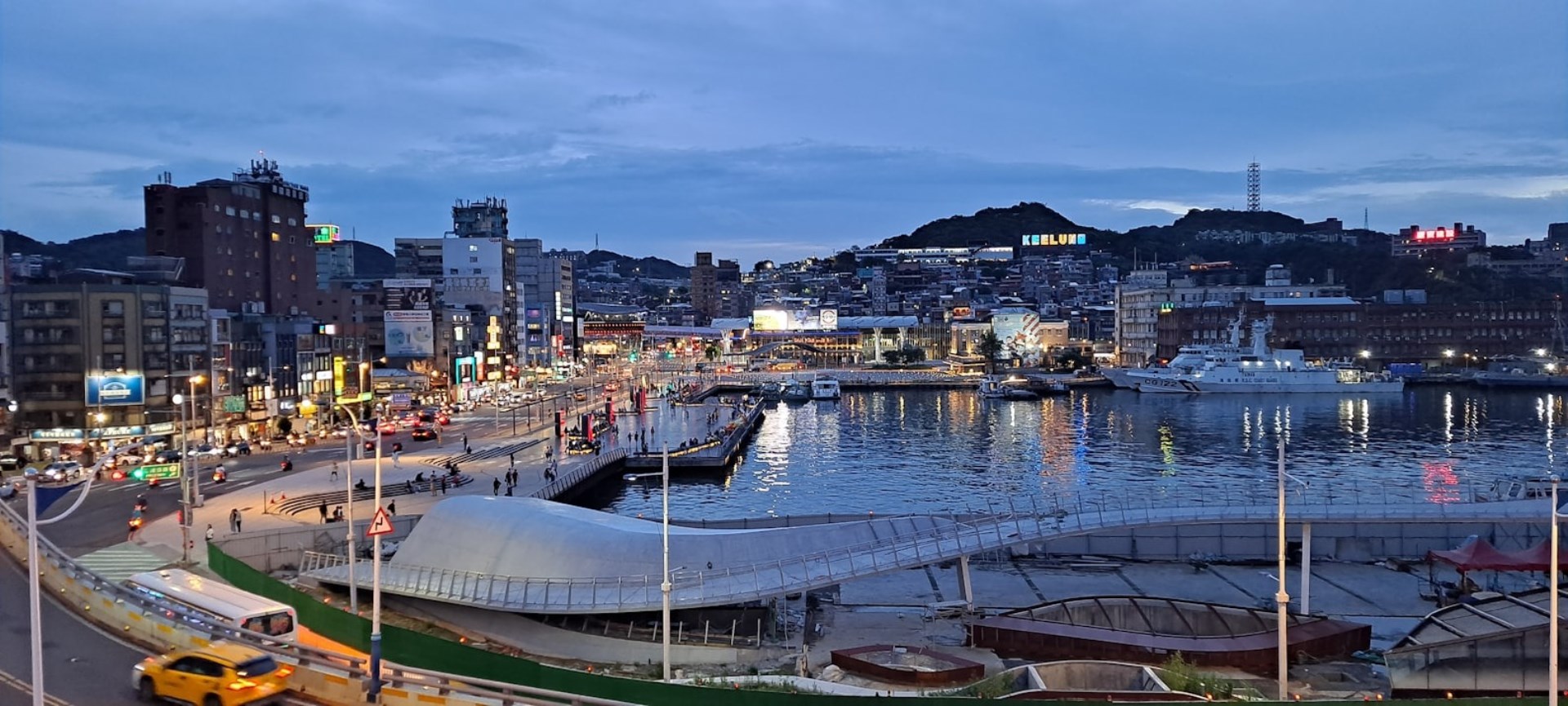
Keelung, a bustling port city in northern Taiwan, offers a unique blend of maritime history, vibrant street life, and natural beauty. Known for its scenic coastal views and rich cultural heritage, Keelung is a gateway to exploring the island's northern region. The city’s most iconic landmark is the Keelung Harbor, one of the busiest ports in Taiwan, which provides picturesque views and a bustling atmosphere.
Aizuwakamatsu
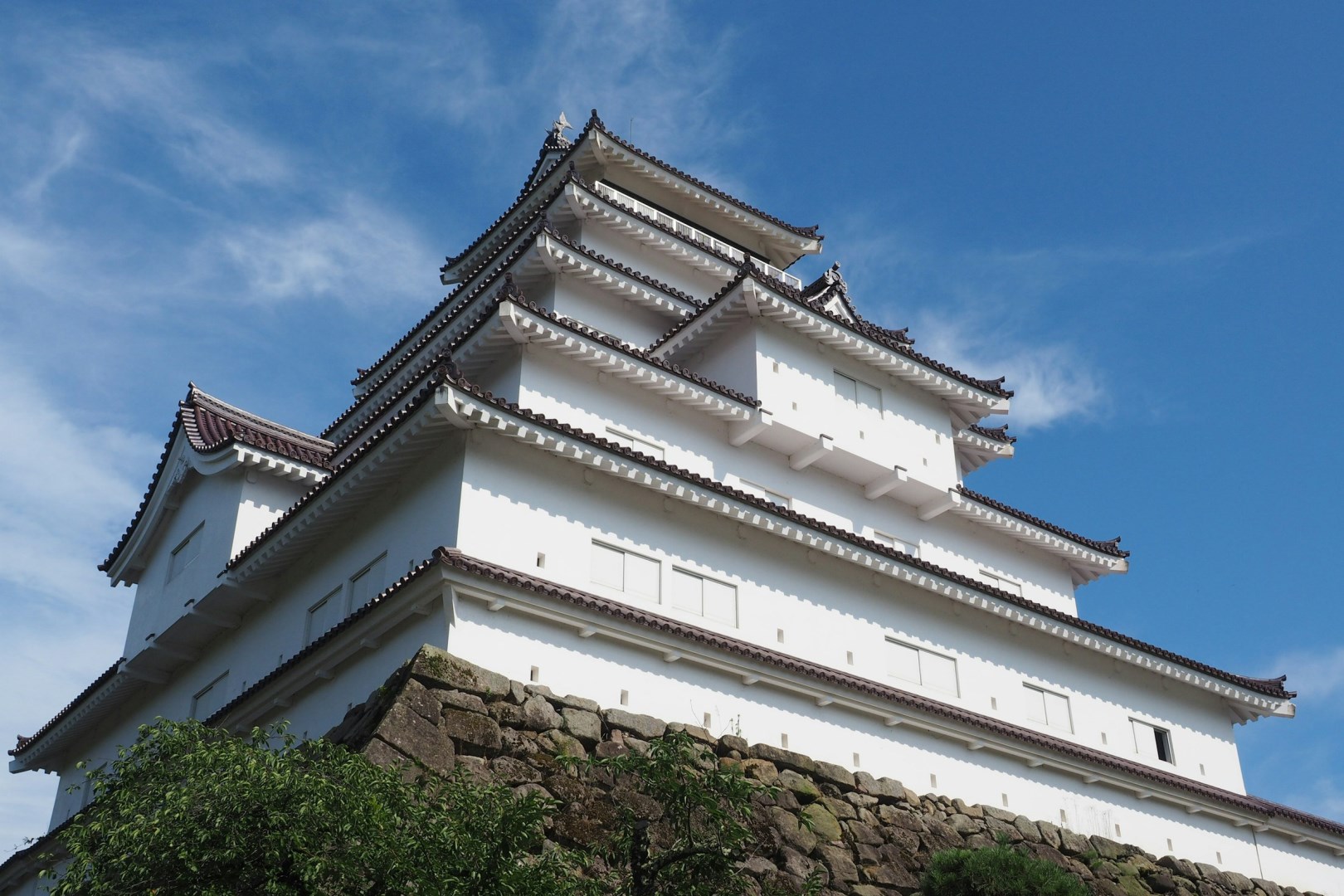
Aizuwakamatsu in Fukushima Prefecture is a city where samurai history is tangible. Once a stronghold of the Aizu domain, it played a pivotal role in the late Edo period and the Boshin War.
Hazyview
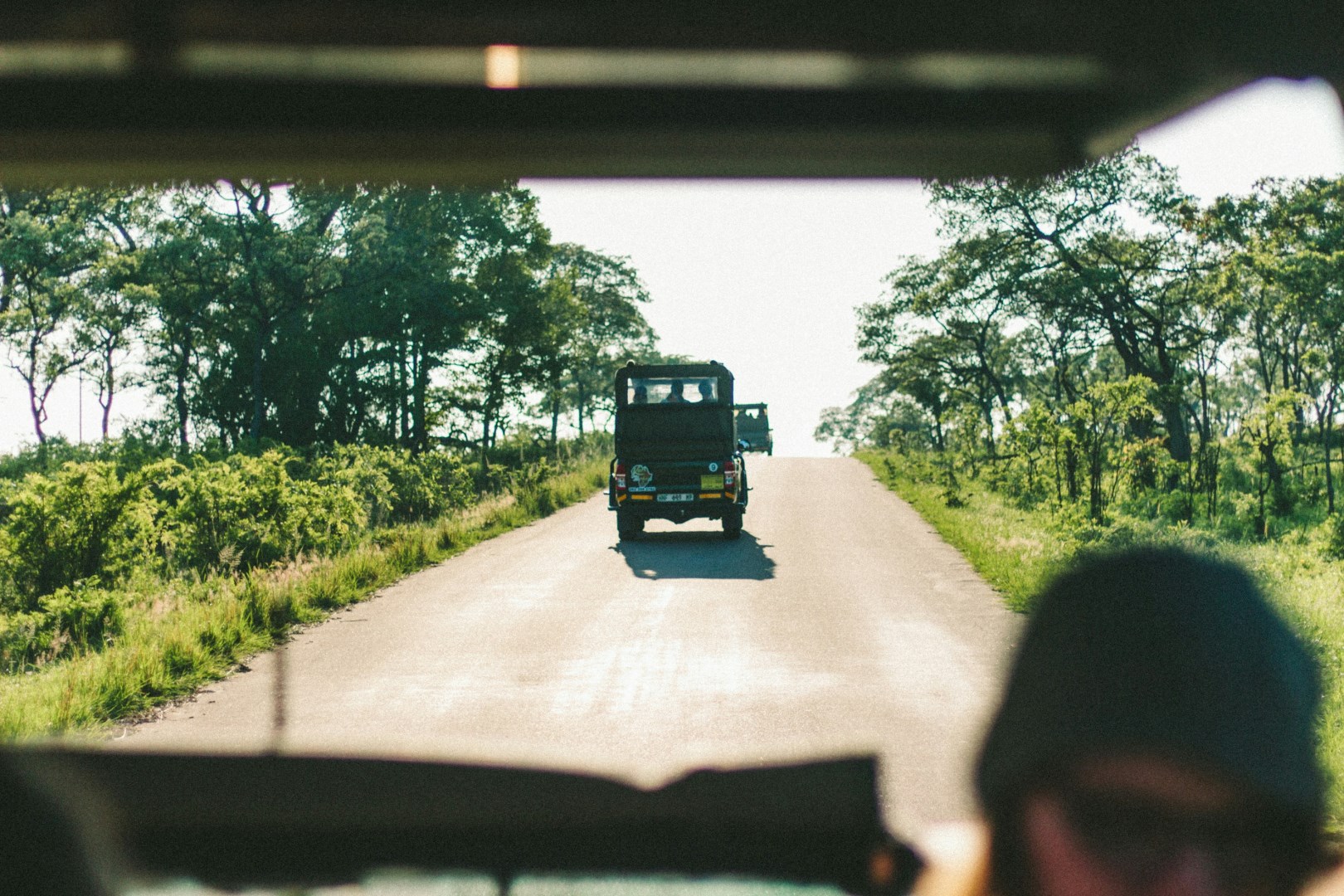
Hazyview is a small town in Mpumalanga Province in northeastern South Africa, positioned near the southern entrance of Kruger National Park.
