
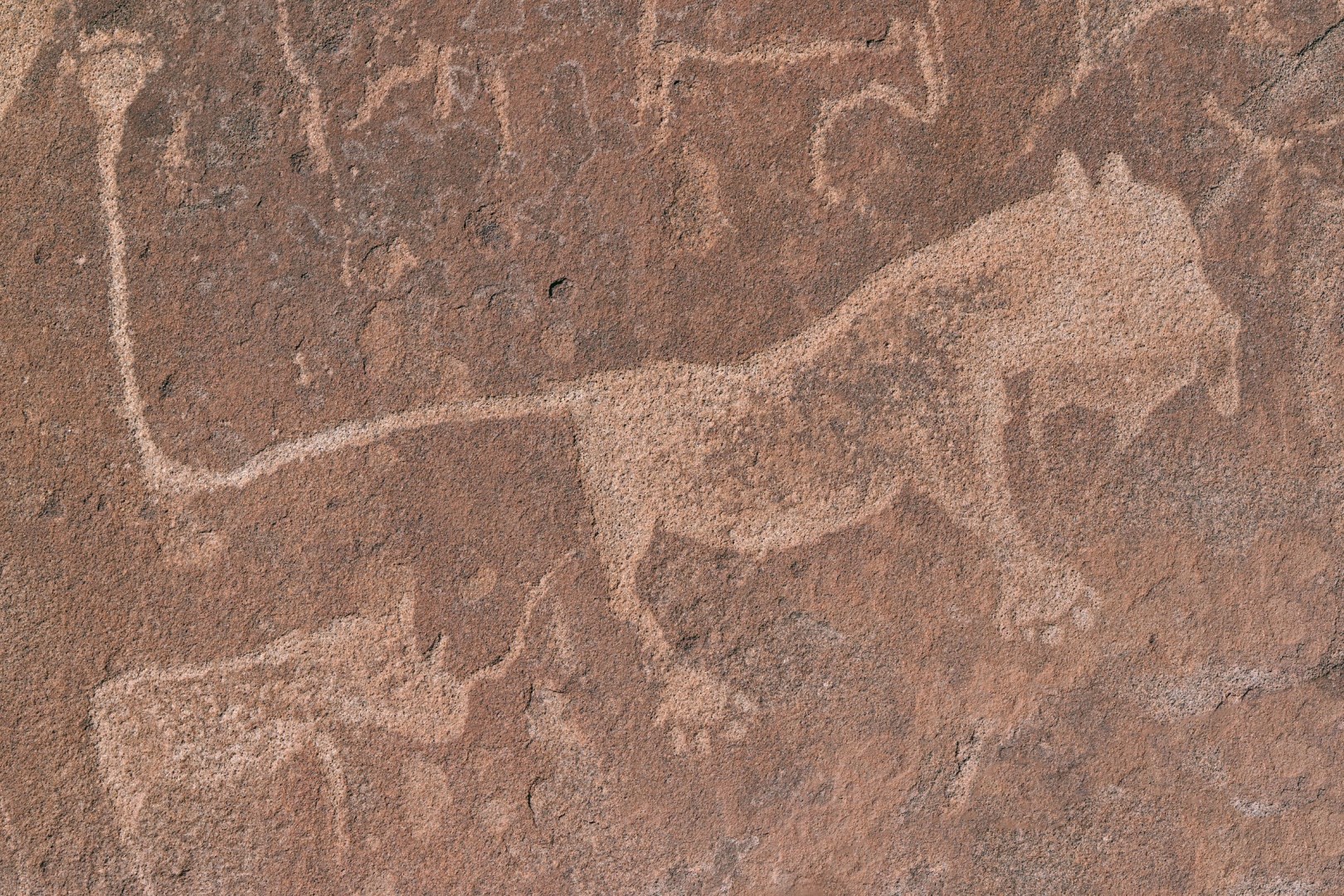
Twyfelfontein
Twyfelfontein is a cultural heritage site in the rugged Damaraland region of northwestern Namibia, known for one of Africa’s largest concentrations of ancient rock engravings. The site lies among sandstone cliffs, dry valleys, and open plains where water is scarce and vegetation is adapted to arid conditions. Twyfelfontein or /Ui-//aes is recognized as a UNESCO World Heritage Site because of its extensive collection of engravings and painted rock shelters
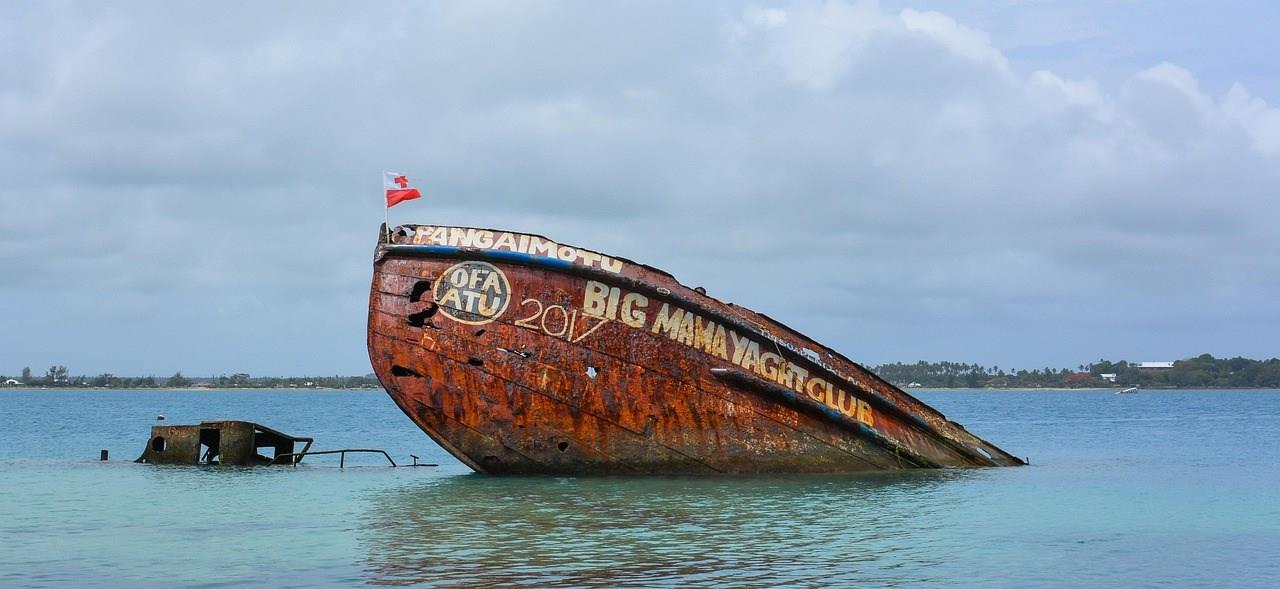
Tongatapu Island
Tongatapu, the main island of Tonga, is where tradition, history, and the South Pacific’s natural world intersect in quiet and unexpected ways. As the political and cultural center of the Kingdom of Tonga, it is home to the capital city, Nukuʻalofa, as well as ancient royal burial grounds, dramatic coastal blowholes, and friendly villages where daily life unfolds slowly.
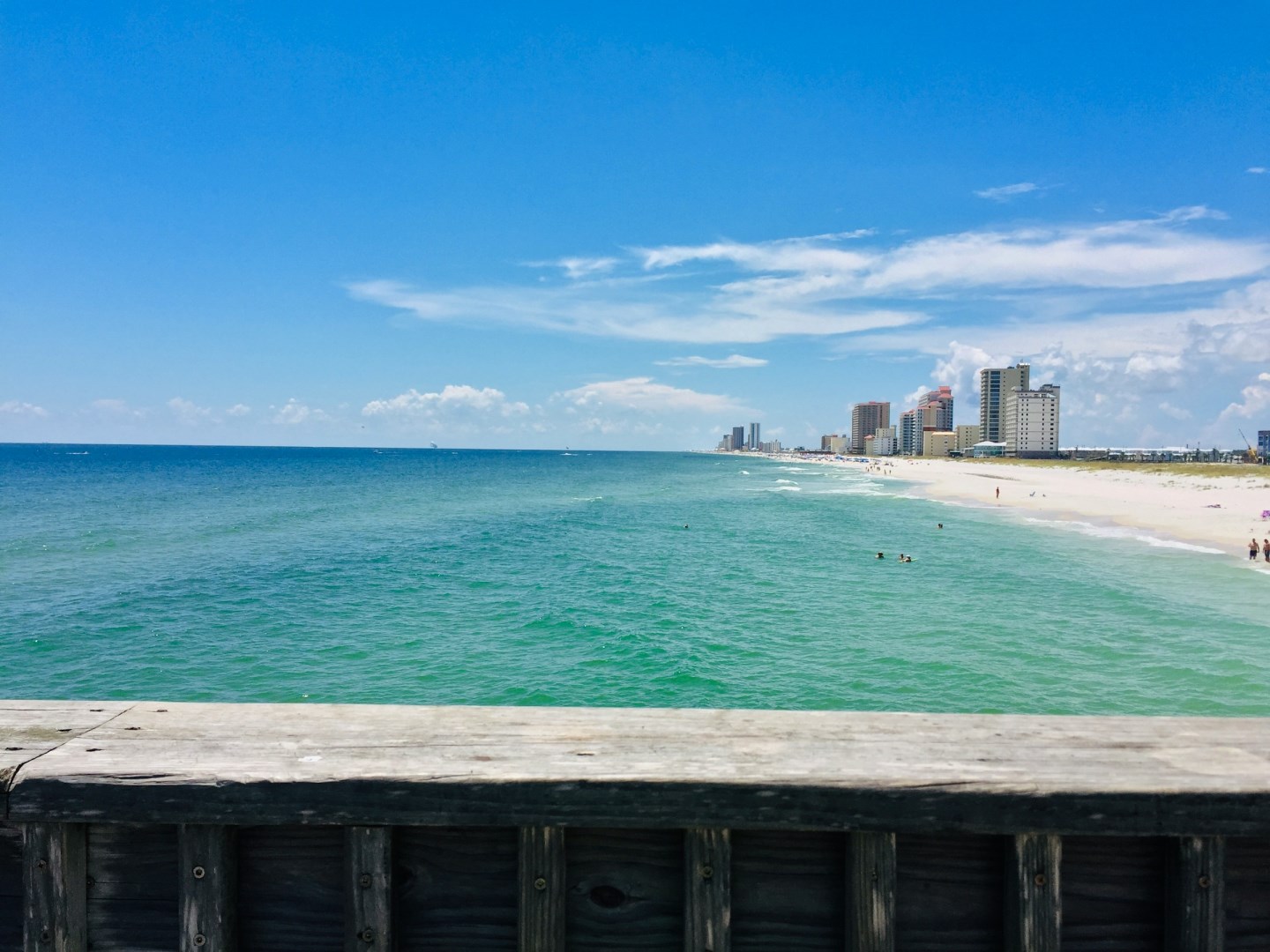
Gulf Shores
Gulf Shores is a coastal city in southern Alabama, positioned along the Gulf of Mexico and the Intracoastal Waterway. It is known for its broad white-sand beaches, coastal dunes, maritime forests, and access to bays and inland waterways. The city serves as a gateway to Alabama's Gulf Coast, with development concentrated around the beachfront and nearby commercial areas while protected landscapes remain along parts of the shore.

Pemba Island
Pemba Island, located off the coast of Tanzania in the Indian Ocean, offers an idyllic escape for travelers seeking pristine natural beauty and cultural depth. Known as the "Green Island" for its lush, tropical landscapes, Pemba is a quieter, less-visited alternative to its famous neighbor Zanzibar. The island is a haven for those interested in diving and snorkeling, as its coral reefs teem with marine life, from colorful fish to graceful sea turtles.

Australia & New Zealand
Australia and New Zealand each have their own identities, shaped by indigenous heritage, colonial history, and vibrant contemporary cultures. Visitors can travel between the two in just a few hours, yet find themselves in entirely different worlds.
