
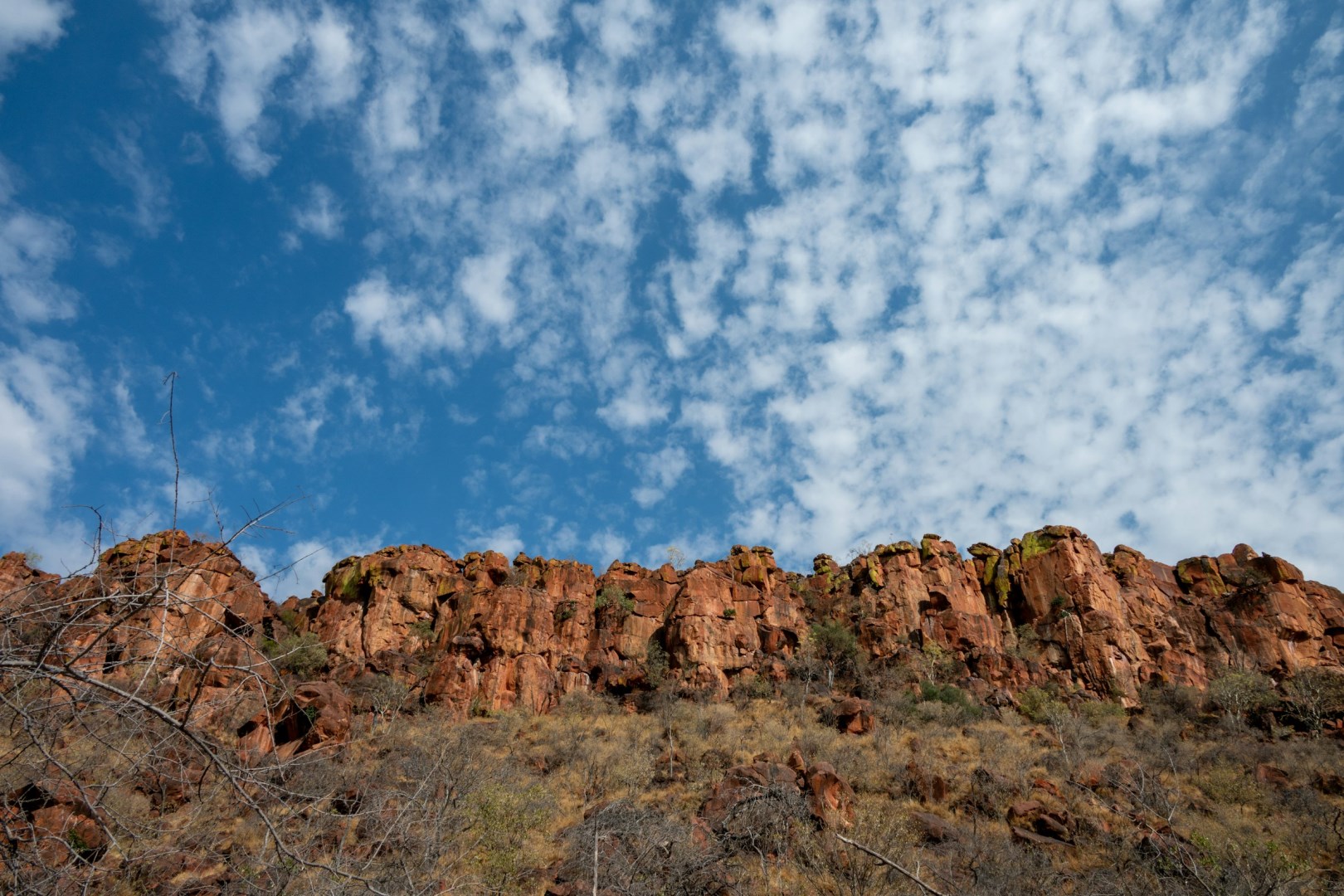
Waterberg Plateau National Park
Waterberg Plateau National Park is a protected area in central Namibia, known for its long sandstone plateau rising above surrounding savanna and thornbush. The porous sandstone supports permanent springs at the base of the plateau, creating greener habitats than those found across much of the surrounding region.
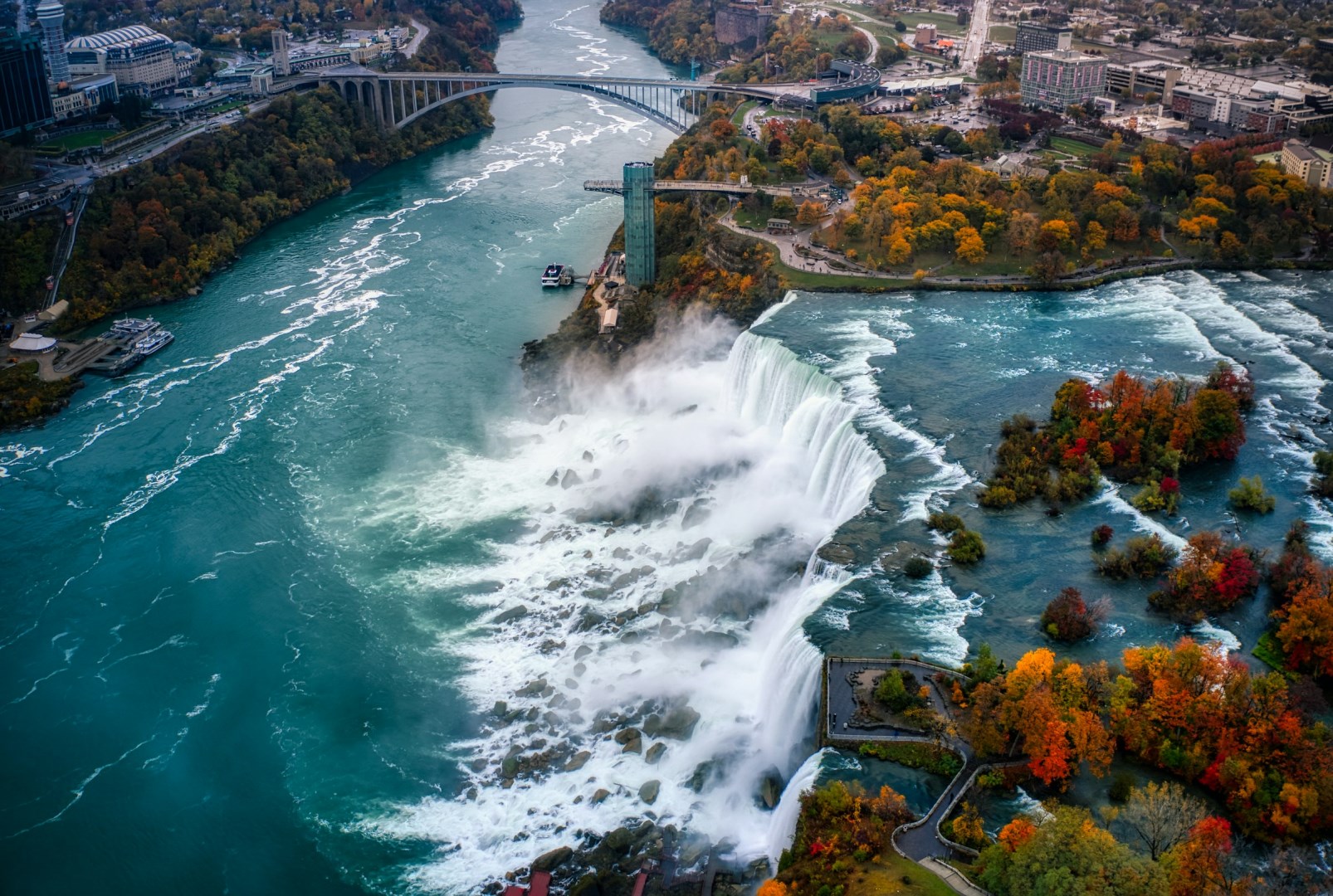
Niagara Falls
Niagara Falls, New York, is home to one of the most powerful natural spectacles in North America. More than 3,000 tons of water pour over the edge every second, creating a thunderous roar and a rising mist that can be felt from blocks away. Visitors can stand just feet from the American Falls at Prospect Point or take the iconic Maid of the Mist boat tour, which has operated since 1846 and now features all-electric vessels.

Bolivia
Bolivia is a country where altitude meets attitude high in the Andes with rich traditions that stretch back thousands of years. Its capital, La Paz, sits in a bowl-shaped valley surrounded by jagged peaks, making it one of the highest cities in the world. Cable cars glide over the city’s rooftops, linking markets, museums, and neighborhoods in a way that doubles as both transport and sightseeing. From here, visitors can easily reach the Moon Valley.

Guanajuanto
Guanajuato is situated between the dry north of the country and the more verdant south, and geographically belongs to the Trans-Mexican Volcanic Belt, the Mexican Plateau.
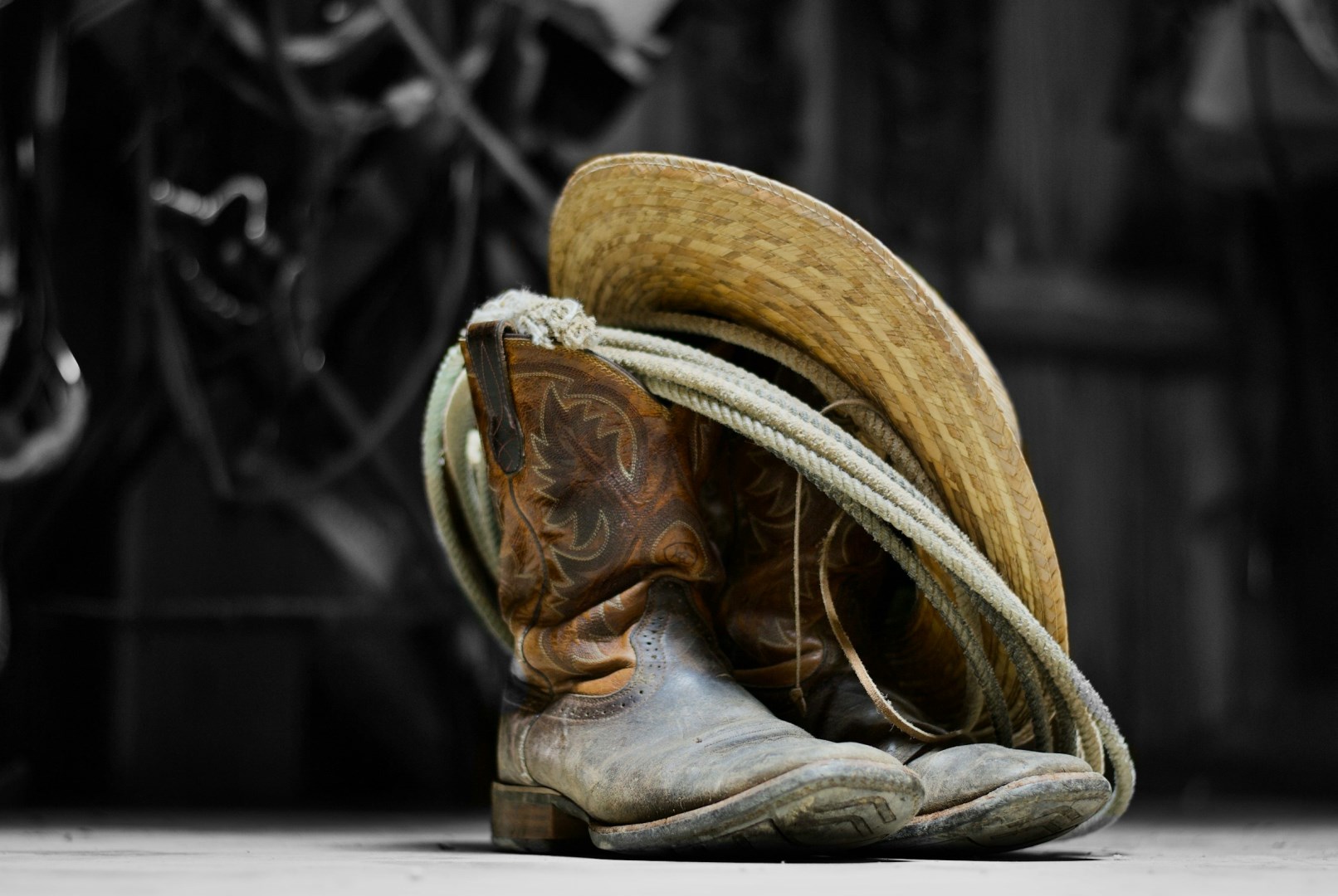
Waco
Waco is a Central Texas city positioned along the Brazos River between Dallas and Austin. Its identity is closely connected with Baylor University, the Texas Rangers, and the development of the Dr Pepper soft drink, which originated at a Waco drugstore. The city combines an established downtown with residential neighborhoods, museums, riverfront spaces, and a large network of parks.
