
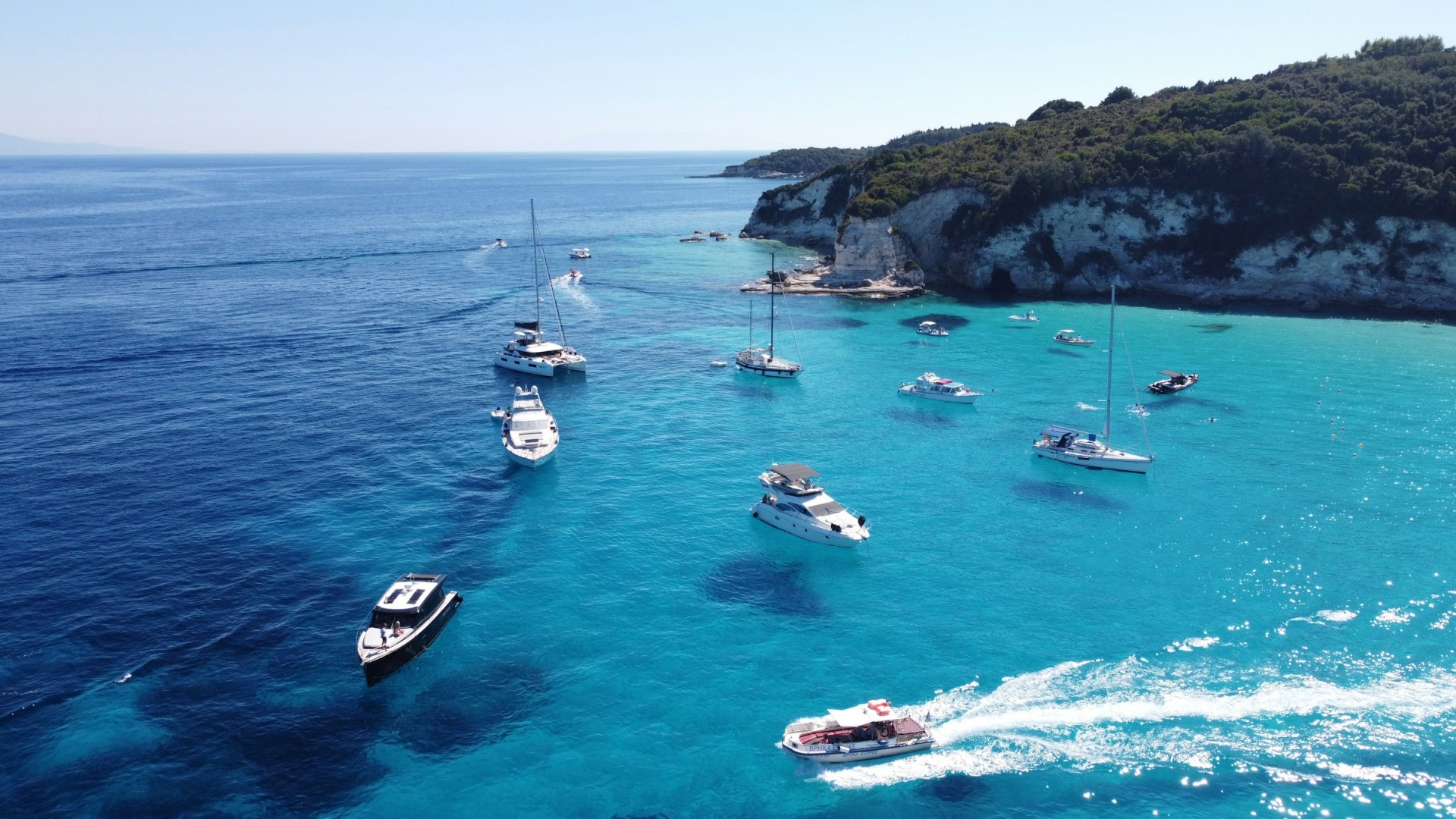
Paxi
Paxi, also known as Paxos, is a small Ionian island south of Corfu, known for dense olive groves, sheltered harbours, limestone cliffs, and clear coastal waters. The island’s main settlement, Gaios, surrounds a protected harbour formed by the islets of Agios Nikolaos and Panagia, while Lakka and Loggos provide two smaller waterfront villages.
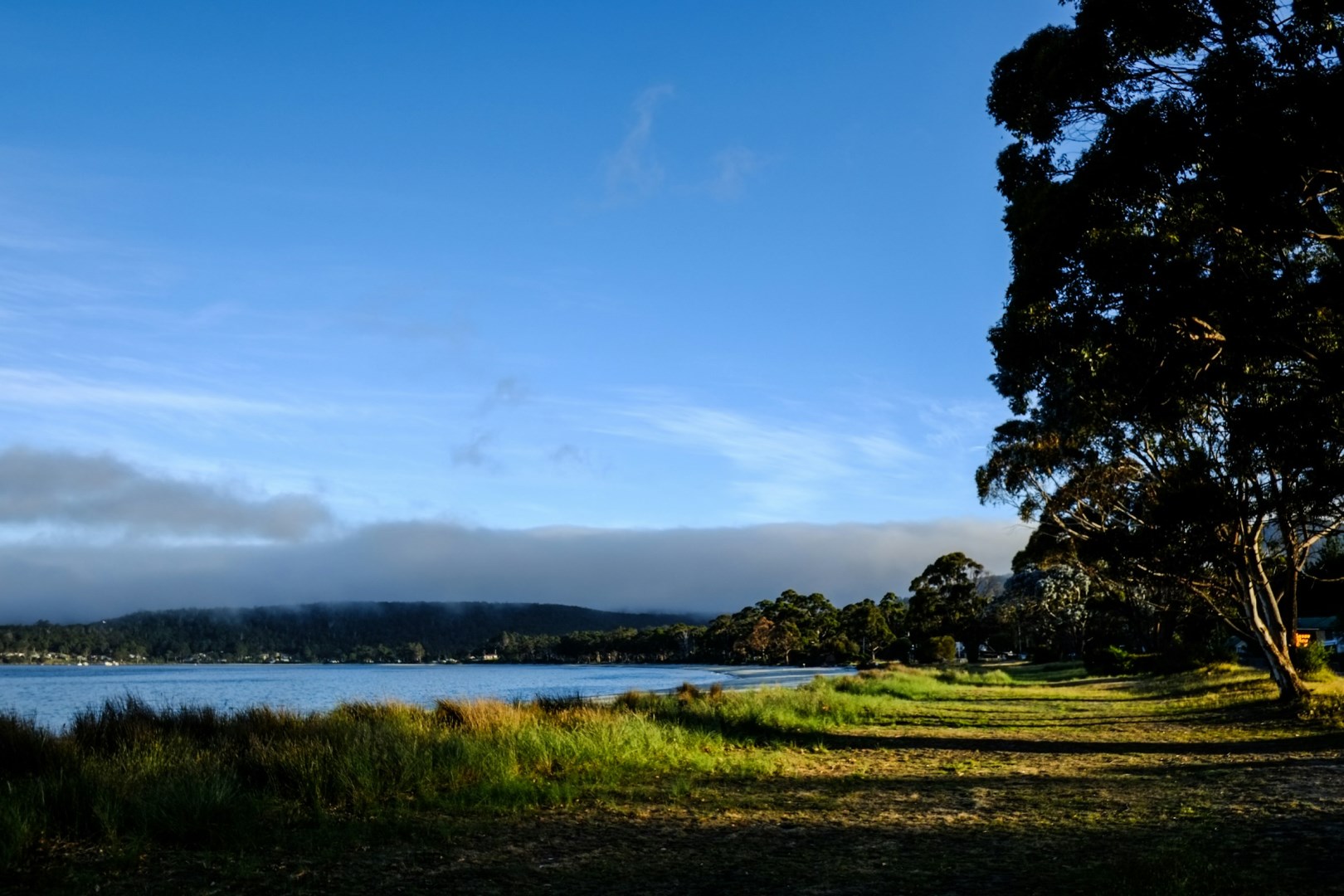
Bruny Island
Bruny Island is an island destination off the south-east coast of Tasmania, separated from the mainland by the D’Entrecasteaux Channel and reached by a short vehicle ferry from Kettering. The island consists of North Bruny and South Bruny, connected by a narrow isthmus known as The Neck. Its landscape includes beaches, sheltered bays, forests, farmland, cliffs, and coastal heath.
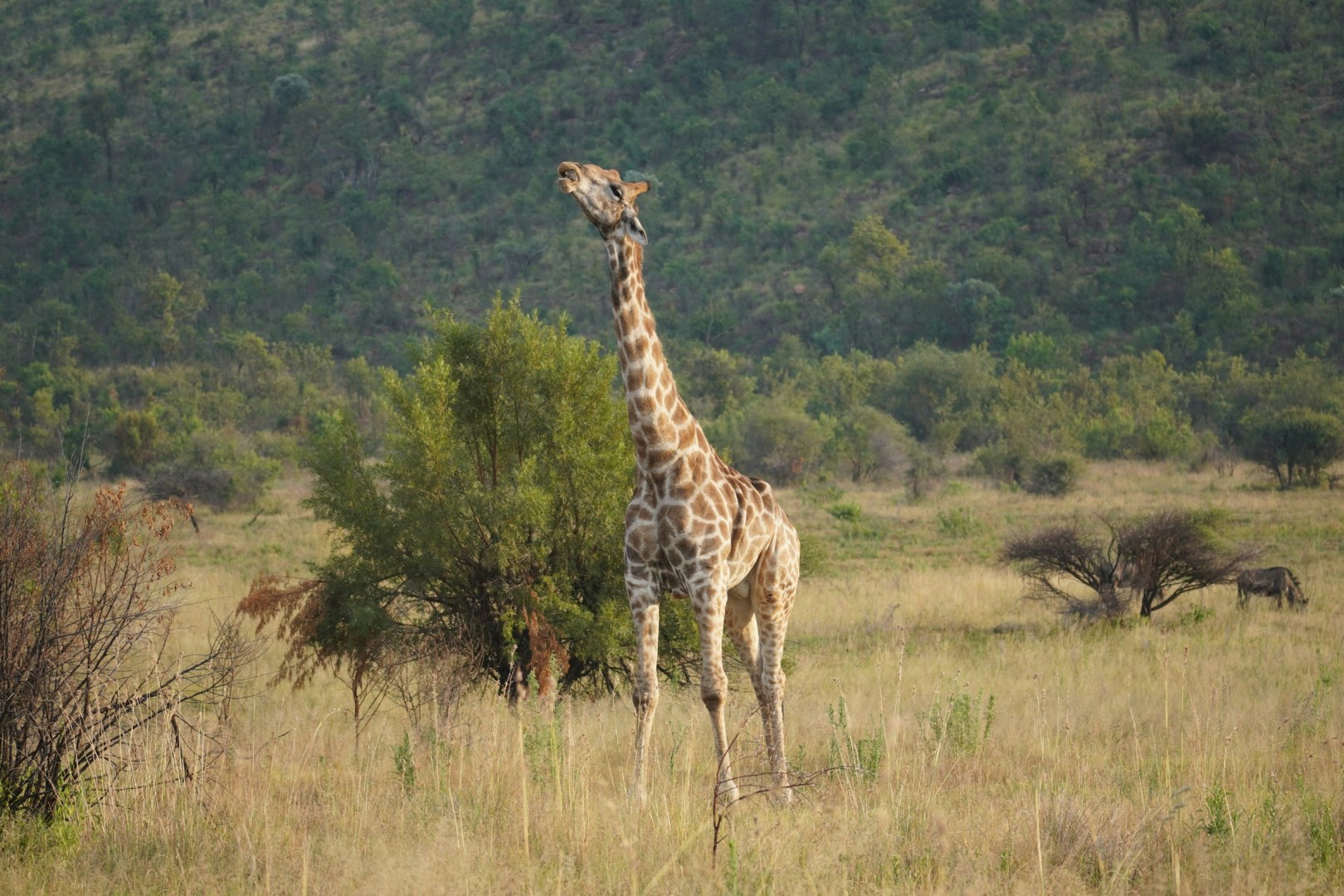
Pilanesberg National Park
Pilanesberg National Park is a protected wildlife area in South Africa’s North West province, located within an ancient volcanic crater near Sun City. The park covers about 55,000 hectares and contains a varied landscape of hills, valleys, open grassland, woodland, and seasonal watercourses
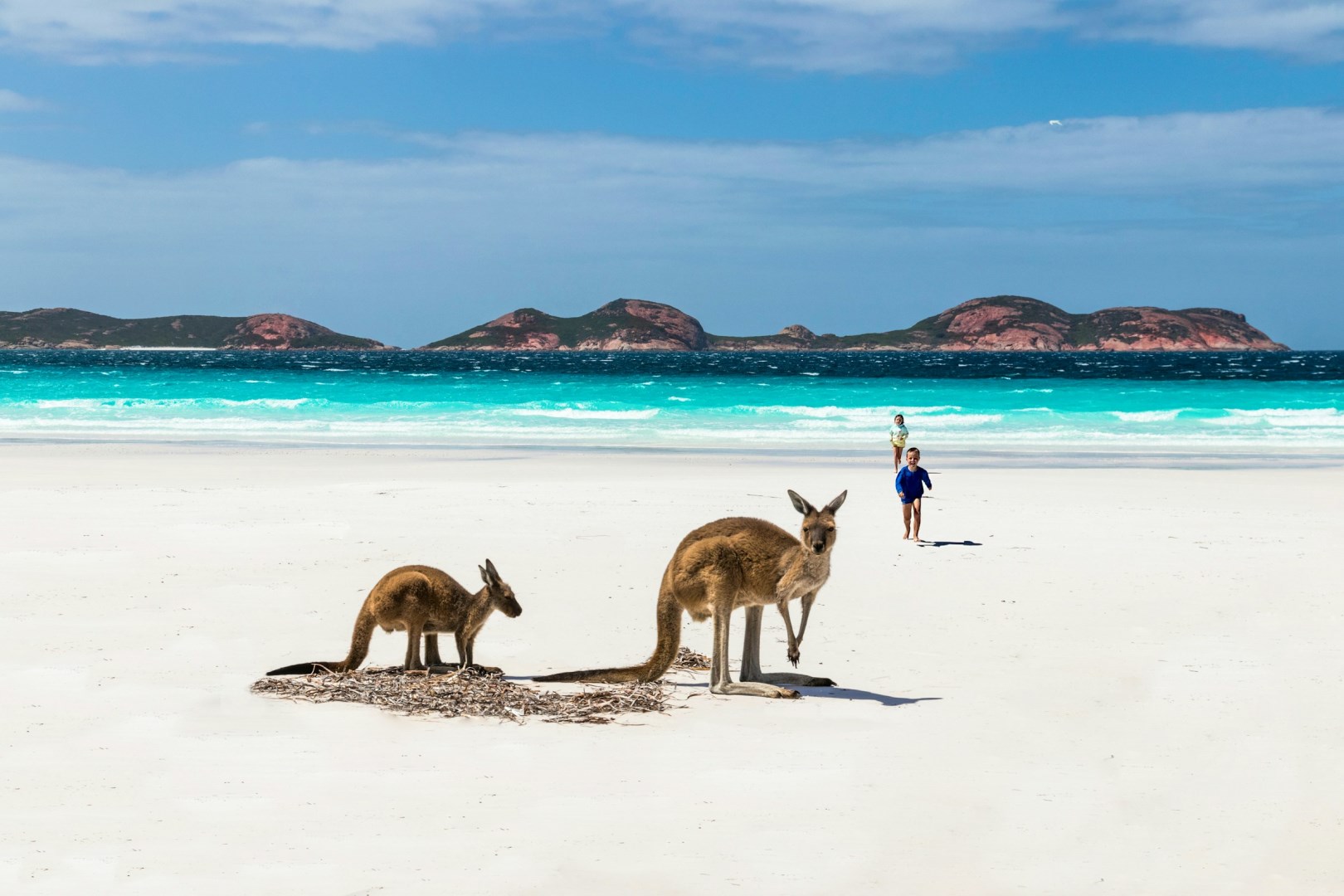
Cape Le Grand National Park
Cape Le Grand National Park lies on the south coast of Western Australia, east of Esperance, where granite peaks, coastal heath, freshwater pools, and white sandy beaches meet the Recherche Archipelago. The park is best known for Lucky Bay, where exceptionally white sand curves around clear turquoise water and kangaroos are often seen resting near the shoreline. Its remote coastal setting also supports a range of outdoor activities, including swimming, fishing, camping, kayaking, and bushwalking
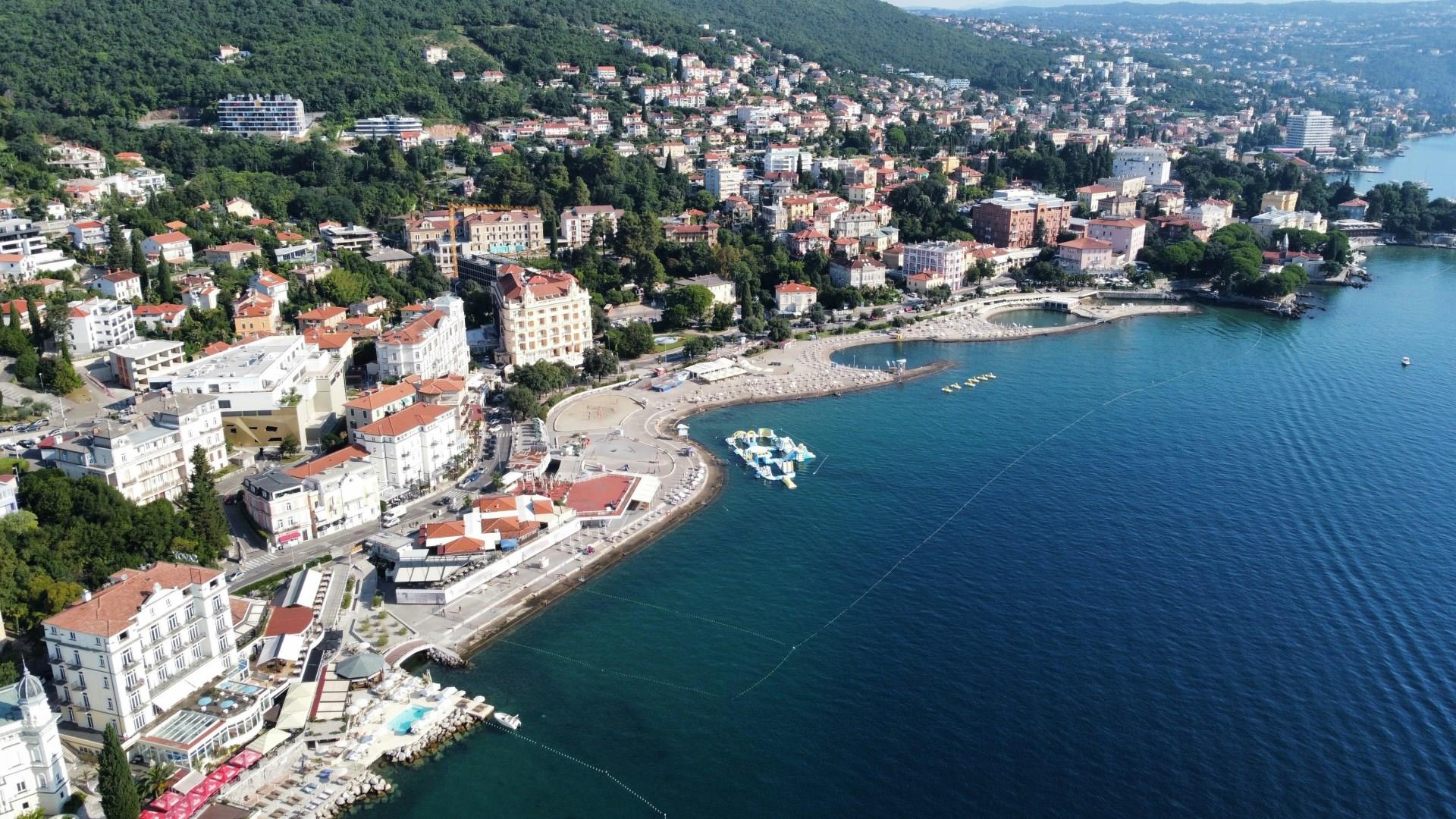
Opatija
Opatija, located on Croatia’s Kvarner Bay, has been drawing visitors since the 19th century, when Austro-Hungarian aristocrats built grand villas along its Adriatic shoreline. Today, many of those same buildings still stand with some restored as luxury hotels and others preserved as cultural landmarks. The town’s most recognizable structure, Villa Angiolina, opened in 1844 and marked the start of Opatija’s rise as a fashionable seaside resort.
