

Lake Titicaca
Lake Titicaca, perched at over 3,800 meters above sea level, is the highest navigable lake in the world and a place where ancient stories still echo across the water. Shared by Bolivia and Peru, this lake has long been considered sacred by the Andean peoples. According to Inca legend, it was from Titicaca’s deep blue waters that the first humans were created. Today, the lake remains a center of cultural tradition, spiritual significance, and daily life for many who live along its shores.
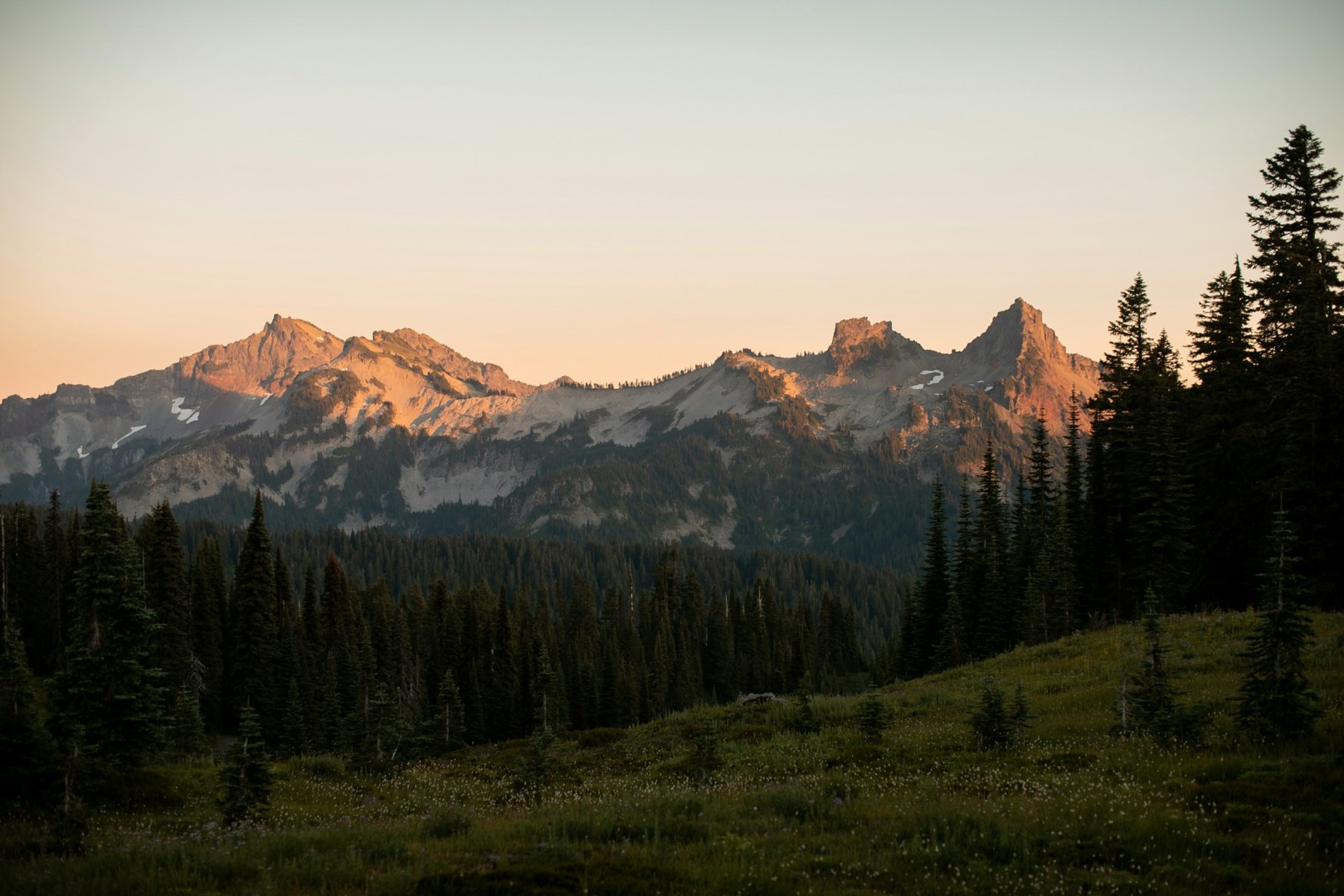
Mount Rainier National Park
Mount Rainier National Park is centered on Mount Rainier, a massive glaciated volcano rising above the forests and valleys of Washington’s Cascade Range. The mountain dominates the surrounding landscape, with glaciers, snowfields, alpine meadows, old-growth forests, rivers, and waterfalls extending across the park. Its varied elevations create distinct environments, from dense lowland forest to open subalpine terrain and rugged alpine slopes.
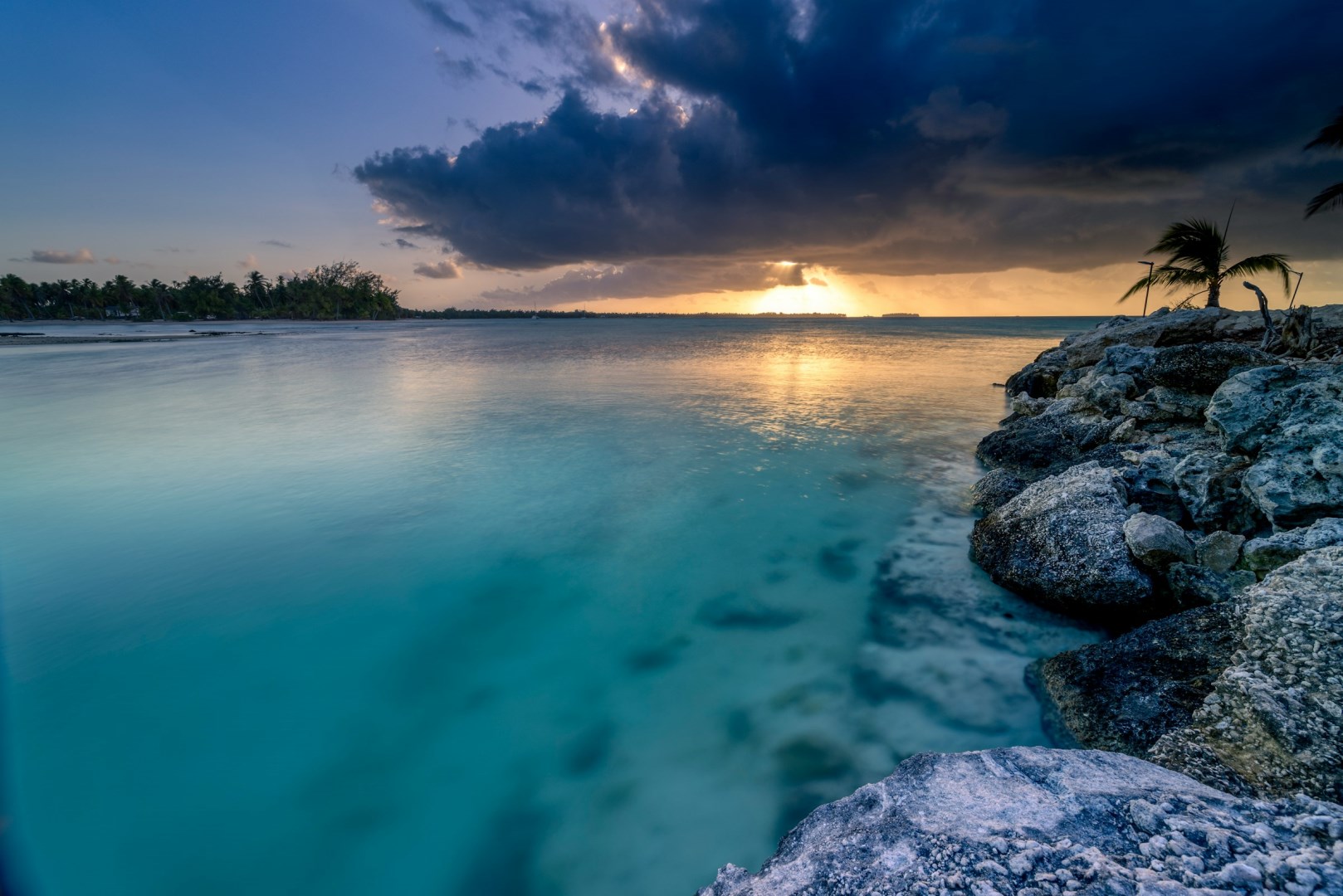
Tikehau
Tikehau is a small coral atoll in the Tuamotu Archipelago of French Polynesia, northeast of Tahiti. Its oval lagoon is enclosed by a narrow chain of coral islets known as motu, with only a few channels connecting the lagoon to the open Pacific. Most of the land is low and covered with coconut palms, coastal vegetation, and white- and pink-tinged sand.
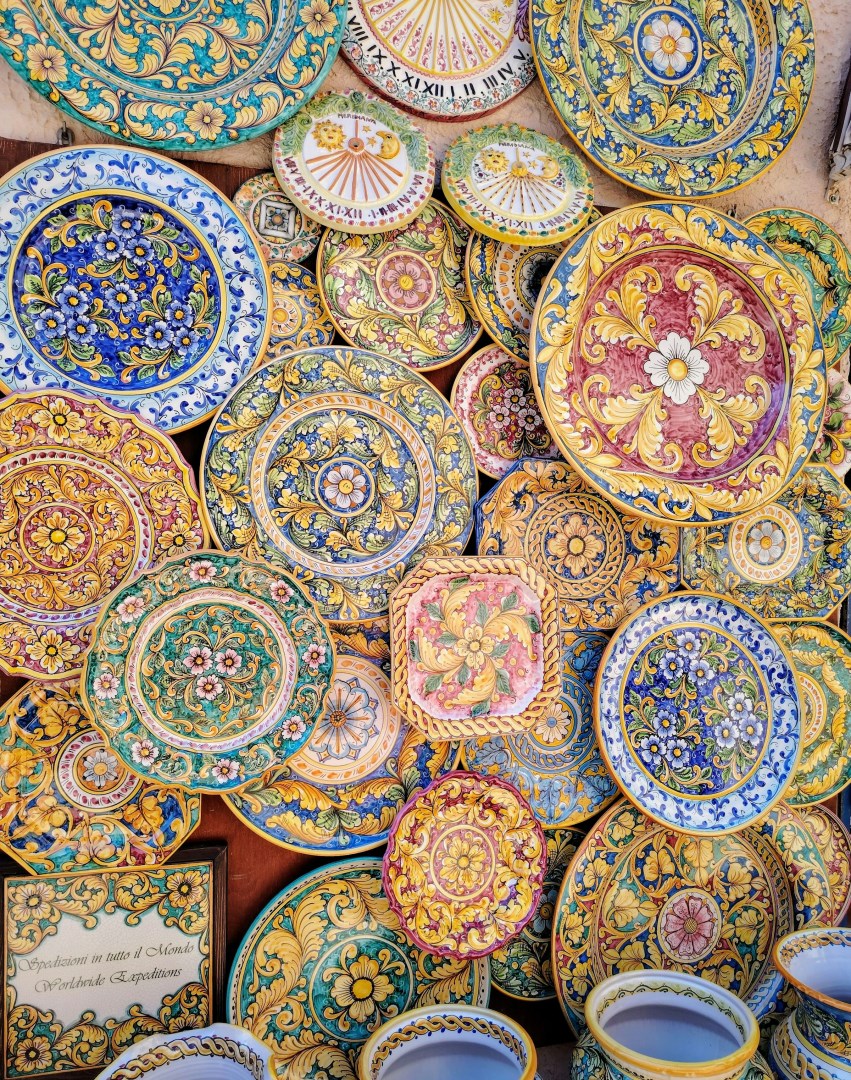
Erice, Sicily
A medieval little town high above the sea with narrow winding streets, little squares and flower-decked courtyards.
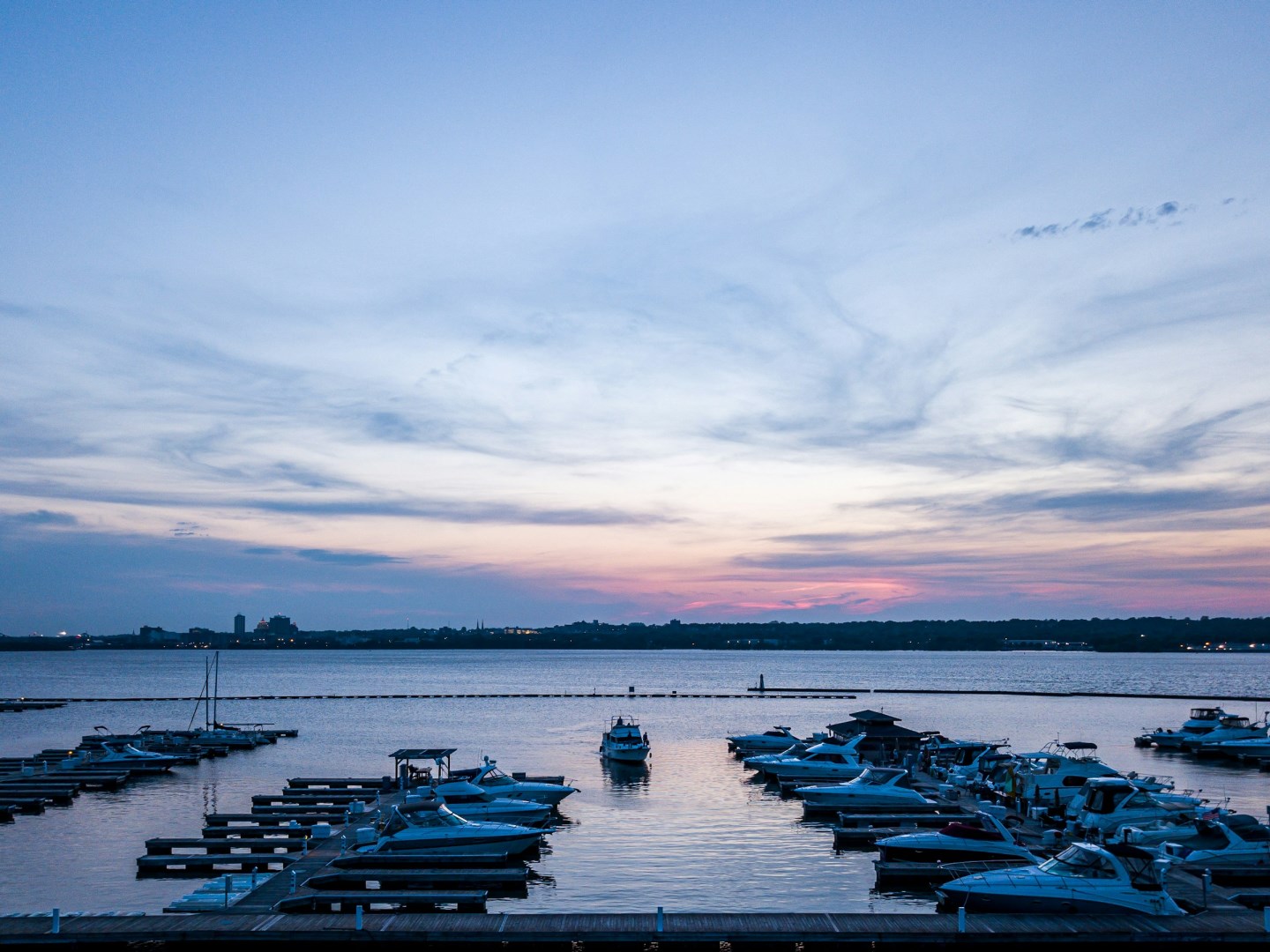
Peoria
Peoria is a city in central Illinois situated along the Illinois River, where wooded bluffs rise above a broad river valley. The river has long influenced the city’s economy, transportation, and recreation, while the surrounding landscape includes parks, forests, farmland, and rolling terrain. Downtown Peoria extends toward the riverfront and contains museums, restaurants, theaters, and public spaces. The city is also closely associated with Caterpillar, whose deep roots in the Peoria area have
