

Wales
Wales is a country where centuries-old castles rise above green valleys and coastlines are marked by rugged cliffs and quiet coves. Its capital, Cardiff, combines modern architecture with historical landmarks like Cardiff Castle, which has Roman origins and a Victorian Gothic interior. Just outside the city, St Fagans National Museum of History offers a walk-through experience of Welsh life over the past 500 years, with original buildings relocated from across the country.
Volcanoes National Park
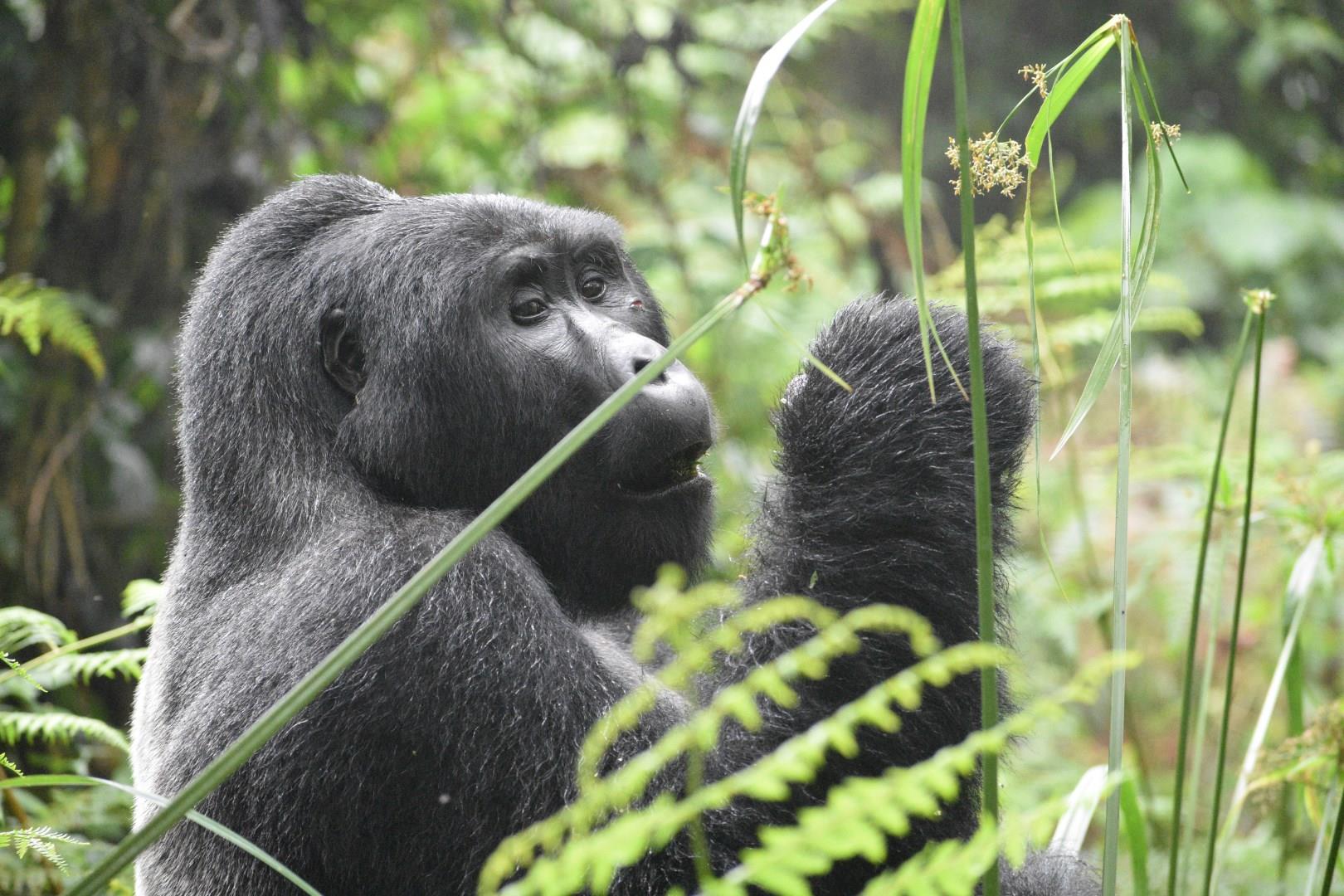
Volcanoes National Park, in northwestern Rwanda, is a place where dramatic volcanic landscapes meet extraordinary wildlife encounters. Stretching across the Virunga Mountains, the park is dominated by five towering volcanoes whose slopes are cloaked in rainforest and bamboo.
Kerak
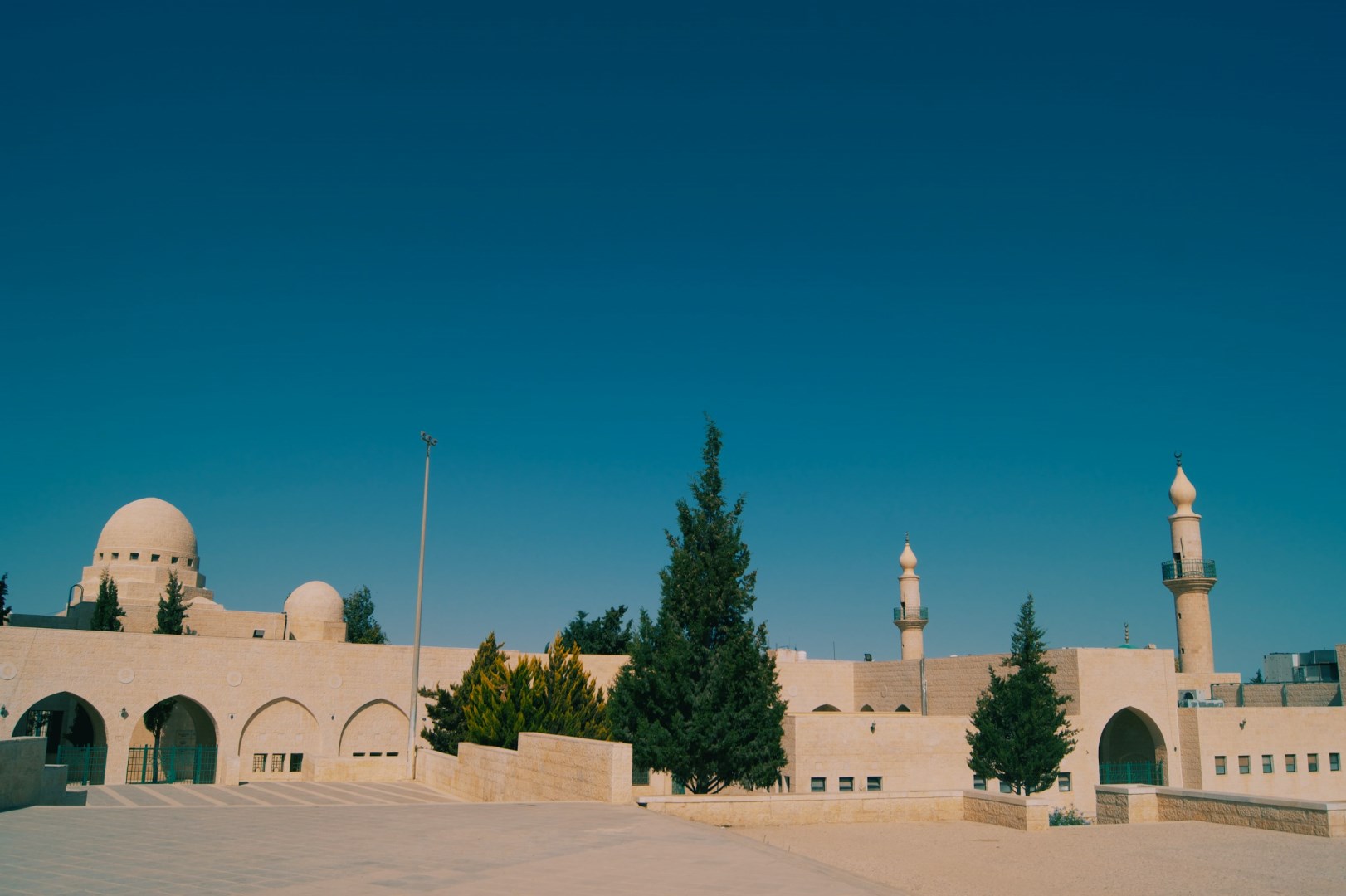
Kerak is a fortress town 75 miles (120km) from Amman, and contains one of the two major Crusader castles in the Kingdom. The castle, built to protect the approach to Jerusalem, stands on a craggy plateau 4,300ft above sea level. It was built in the early part of the 12th century and held for 50 years by the Crusaders until they were defeated by Salah al Din (Saladin) in 1189.

Ulm
Ulm, Germany, a picturesque city on the banks of the Danube River, offers a rich tapestry of history and modern charm. Dominating its skyline is the Ulm Minster, home to the tallest church steeple in the world at 161.5 meters (530 feet). This Gothic masterpiece invites visitors to climb its 768 steps for a breathtaking panoramic view of the city and the surrounding countryside.
Taitung
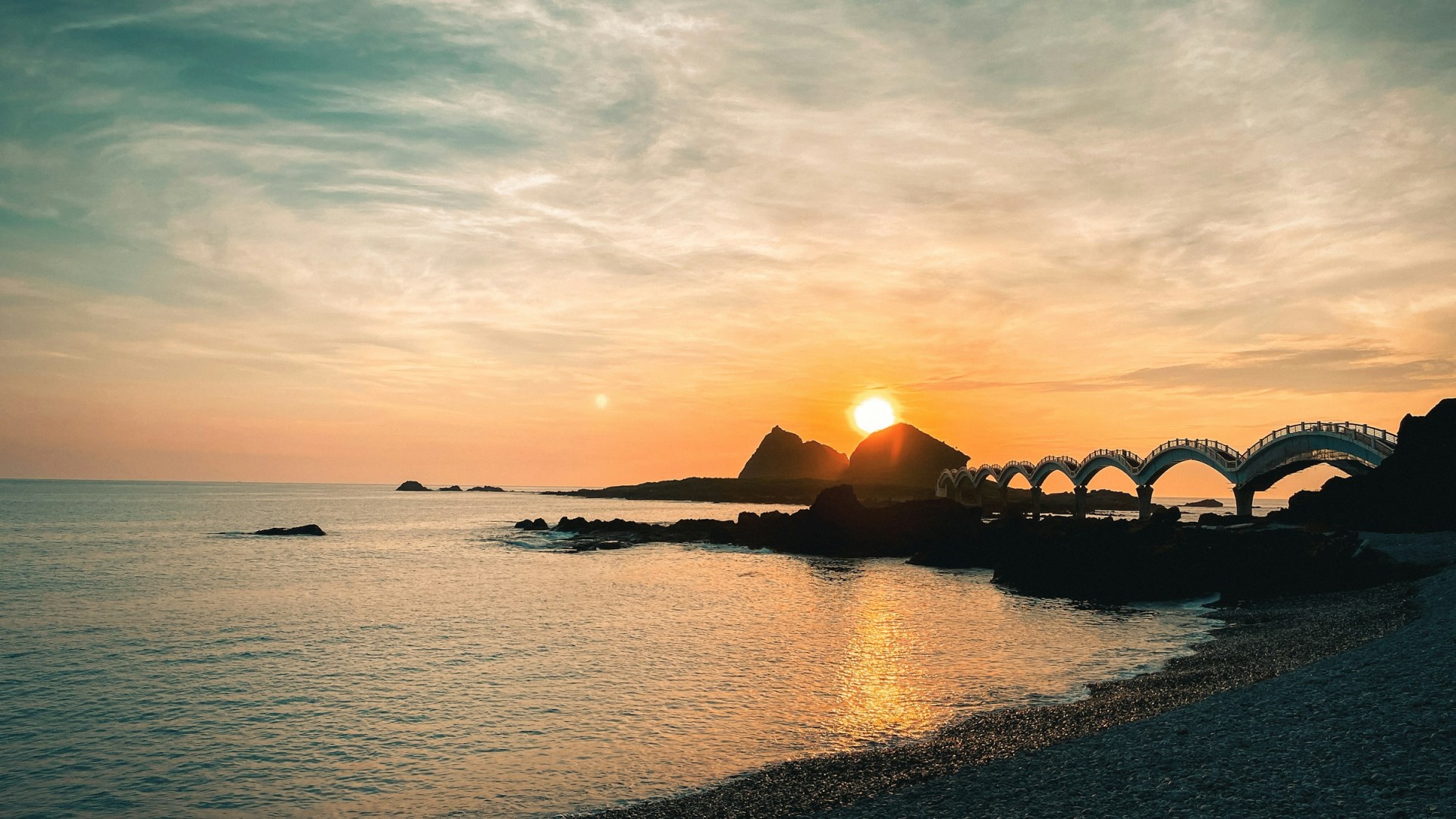
Taitung is a city on Taiwan’s southeastern coast, backed by the Central and Coastal Mountain Ranges and facing the Pacific Ocean. Its setting gives the city a distinctive relationship with both mountains and sea, while a slower pace of development has preserved broad open spaces and coastal landscapes.
