
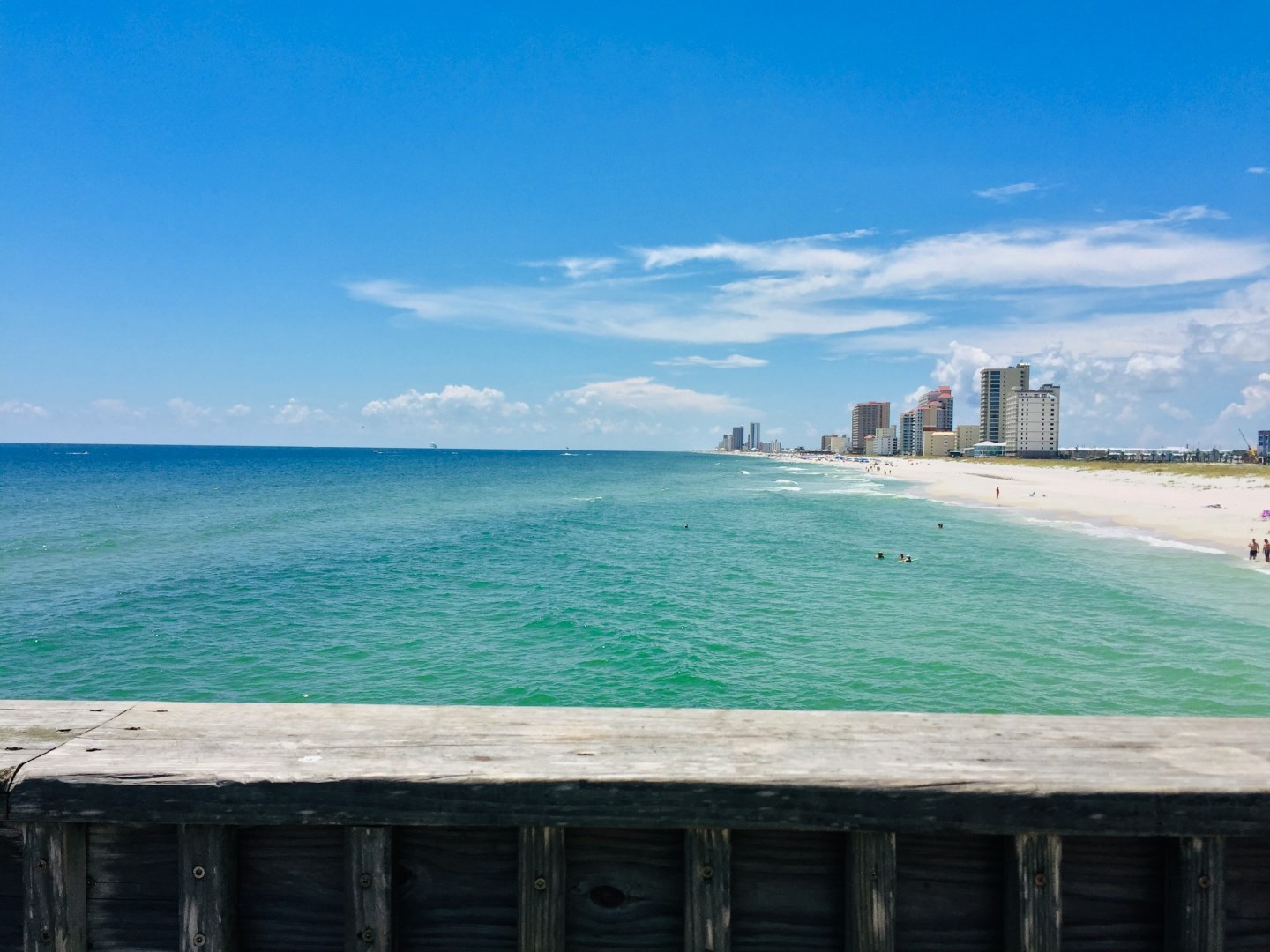
Gulf Shores
Gulf Shores is a coastal city in southern Alabama, positioned along the Gulf of Mexico and the Intracoastal Waterway. It is known for its broad white-sand beaches, coastal dunes, maritime forests, and access to bays and inland waterways. The city serves as a gateway to Alabama's Gulf Coast, with development concentrated around the beachfront and nearby commercial areas while protected landscapes remain along parts of the shore.

San Josè
San Jose is the capital city of Costa Rica and is located in the province of San Jose, which is in the Central Valley. The city is surrounded by high green mountains. There are numerous museums as well as art galleries, theaters, exhibitions, parks and garden in the city. All regions in Costa Rica are accessible from the capital city of San Jose, which makes its an ideal starting point for touring the country.
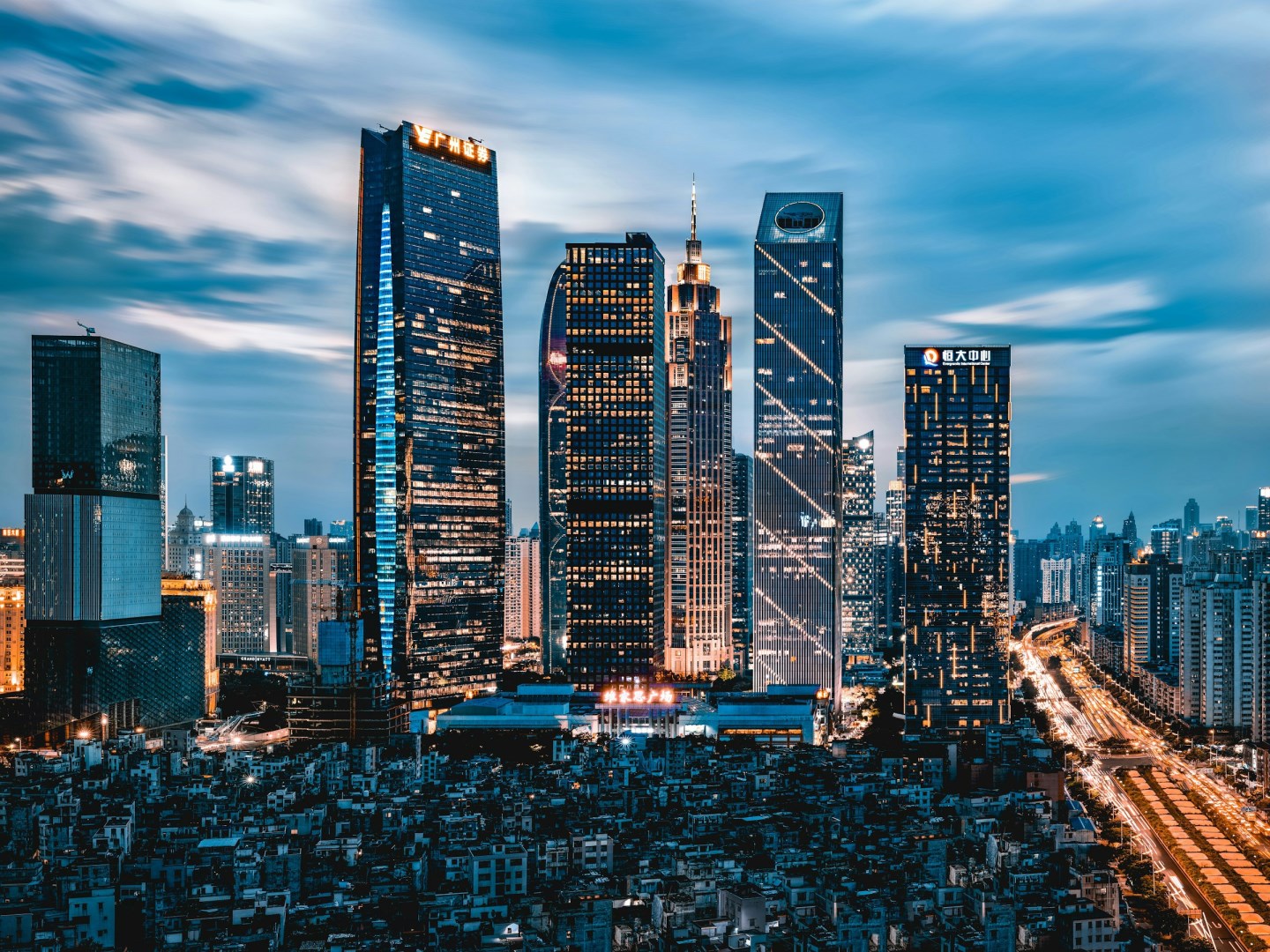
Guangzhou
Also known as Canton, it is located adjacent to Hong Kong, an important industrial and trade center in South China.
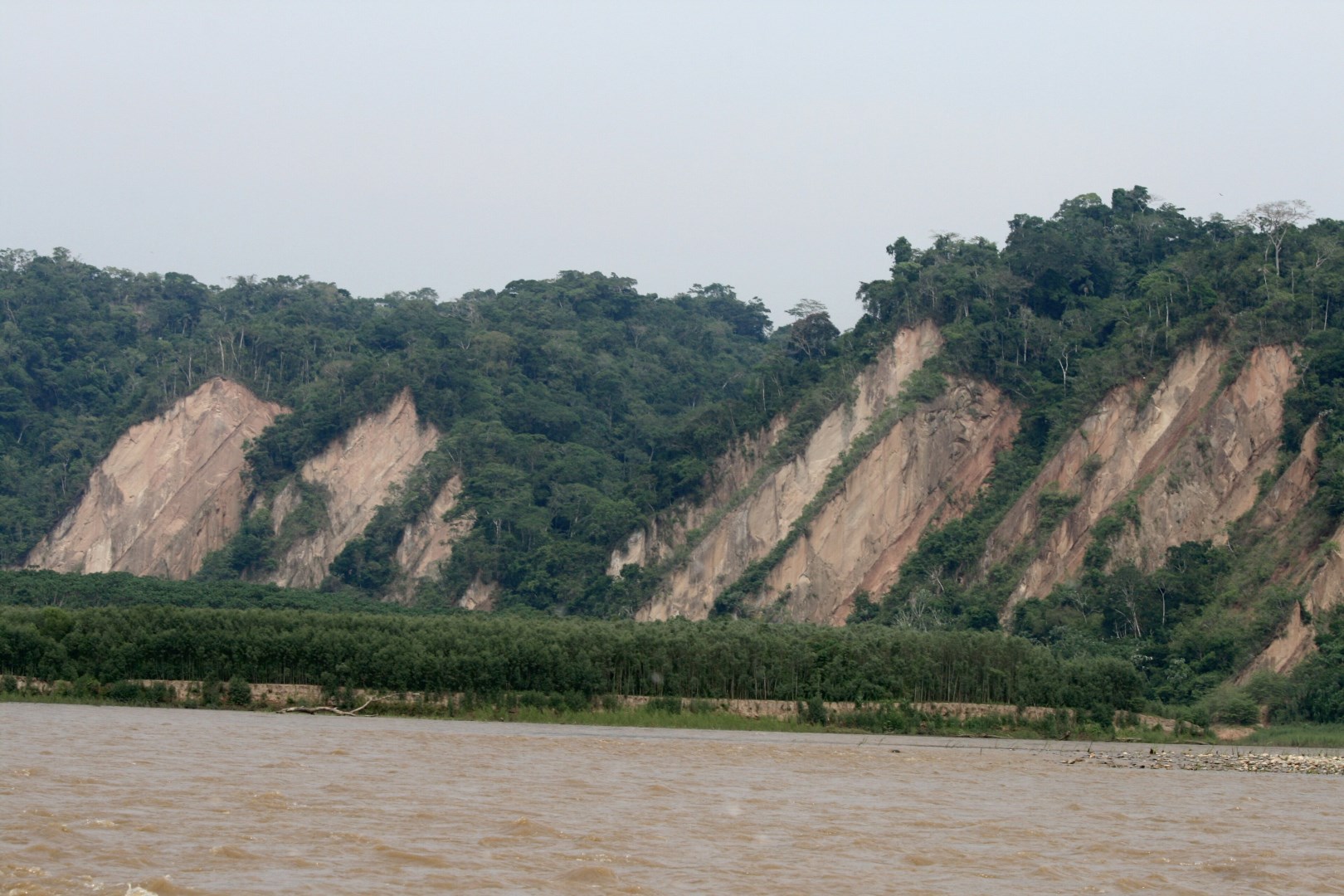
Madidi National Park
Would you dare venture into the untamed wilderness of Madidi National Park in Bolivia? This vast and biodiverse rainforest is home to jaguars, giant otters, and countless exotic species, making it one of Earth's most ecologically rich places. Trek through dense jungle, navigate winding rivers and immerse yourself in the sounds of nature. For those bold enough to explore this remote paradise, unforgettable wildlife encounters and raw natural beauty await.
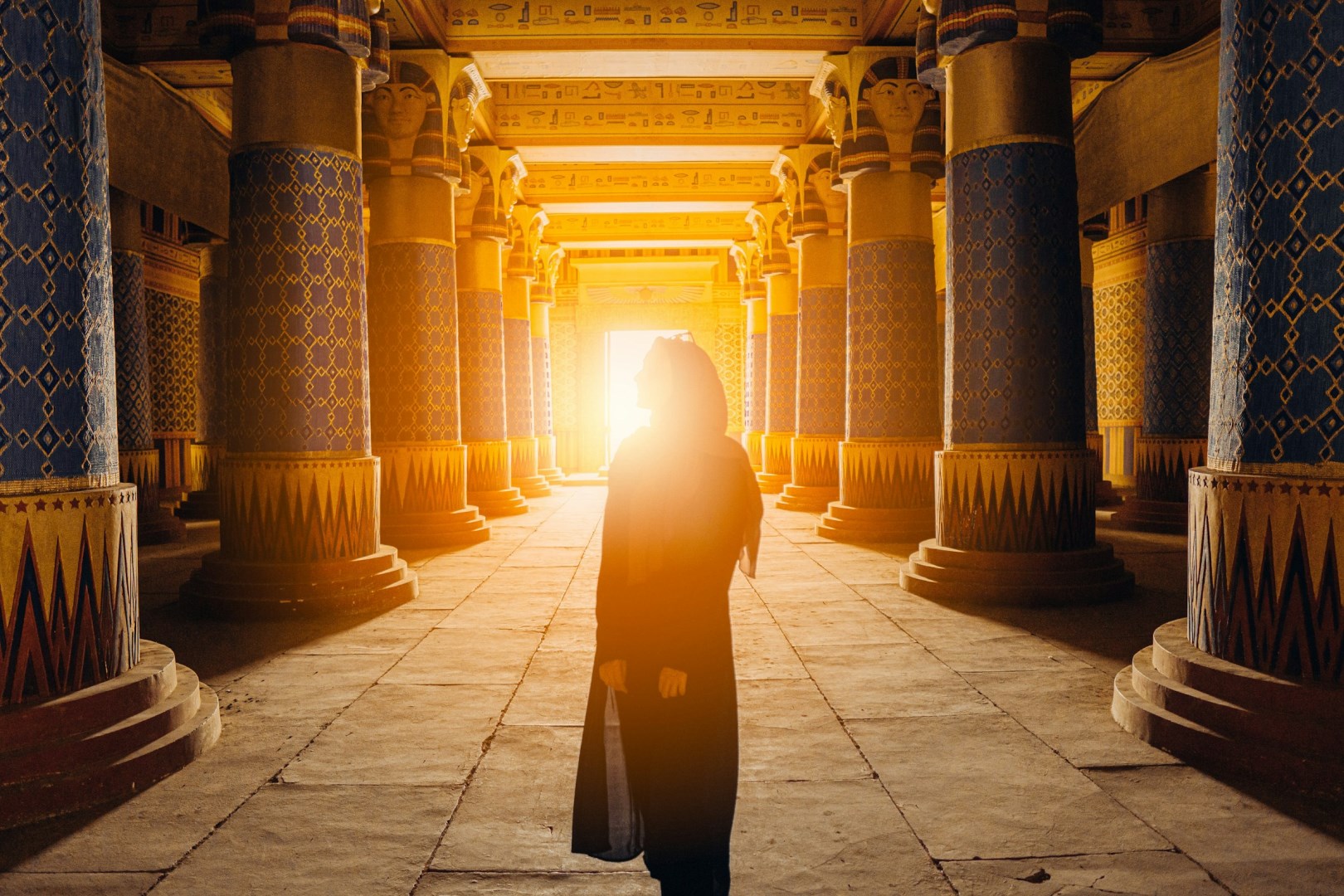
Ouarzazate
The whole south of Morocco is summarized in the historical, traditional and exotic sounding word "Ouarzazate". In Ouarzazate everything is calm, beautiful and fresh - the very image of the authentic south of Morocco, where time has stood still for centuries. The town has been located in three different places during its existence, two of them still inhabited
today.
today.
