
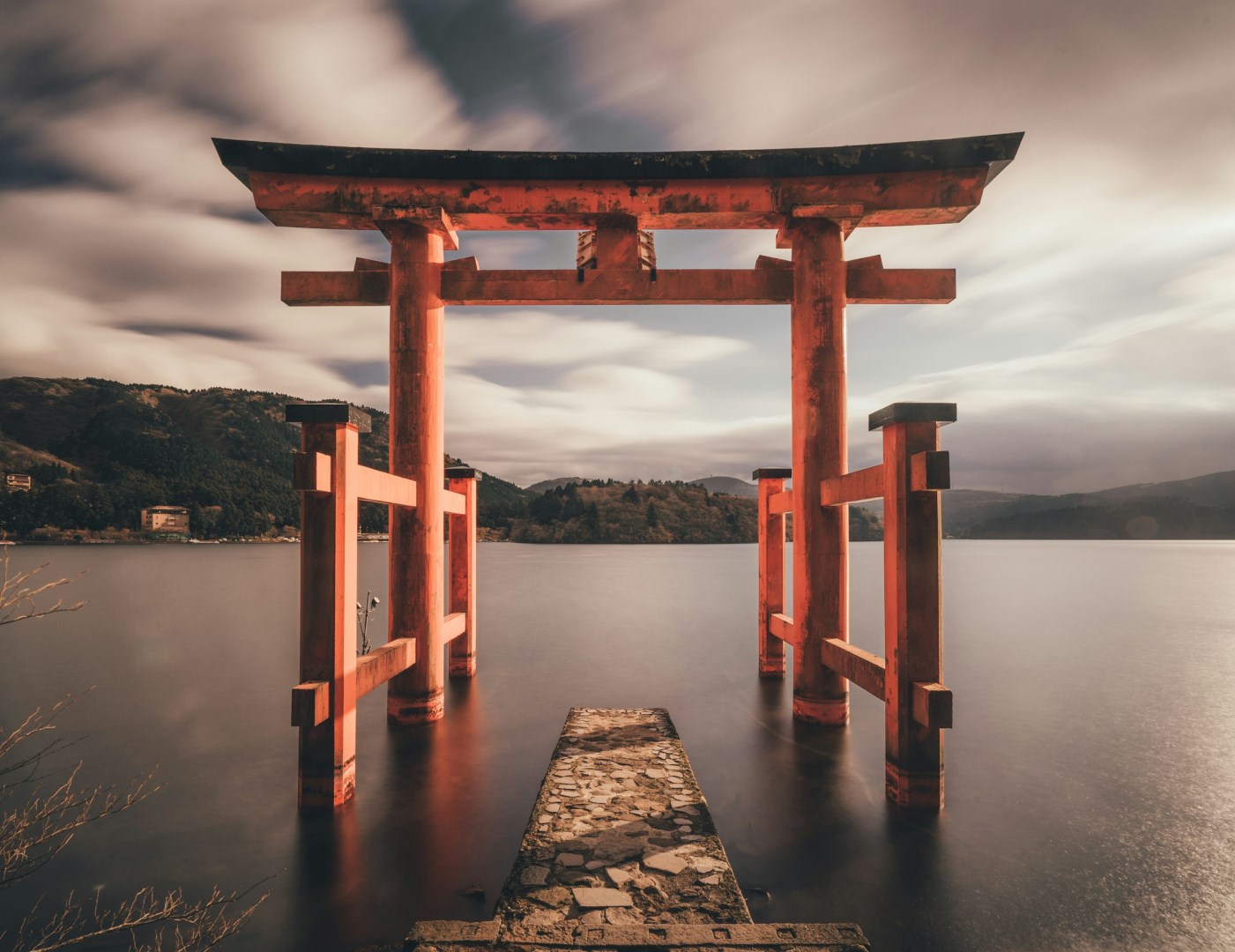
Hakone
Nestled in the mountains just 90 minutes from Tokyo, Hakone has long been a retreat for travelers seeking both quiet and culture. Once a crucial checkpoint on the historic Tōkaidō road between Edo and Kyoto, Hakone is still shaped by centuries of history. The reconstructed Hakone Sekisho (Hakone Checkpoint) offers a glimpse into the Edo Period, when travelers were inspected by samurai guards before continuing on their journey.

French Guiana
French Guiana, tucked between Brazil and Suriname on the northeast coast of South America, offers an unexpected blend of Amazonian wilderness, colonial intrigue, and French flair. As an overseas department of France, it uses the euro, speaks French, and has croissants alongside cassava bread at breakfast. Yet just beyond the cafés of Cayenne, vast rainforest stretches for hundreds of kilometers, home to rare wildlife, remote rivers, and Indigenous communities.

Djúpivogur
Djúpivogur, a charming coastal village on Iceland’s eastern fjords, offers travelers an authentic and serene Icelandic experience. Nestled between majestic mountains and the tranquil Berufjörður fjord, this small fishing town is steeped in history and natural beauty. Its picturesque harbor, where colorful boats bob against a backdrop of rugged cliffs, is the heart of the town.
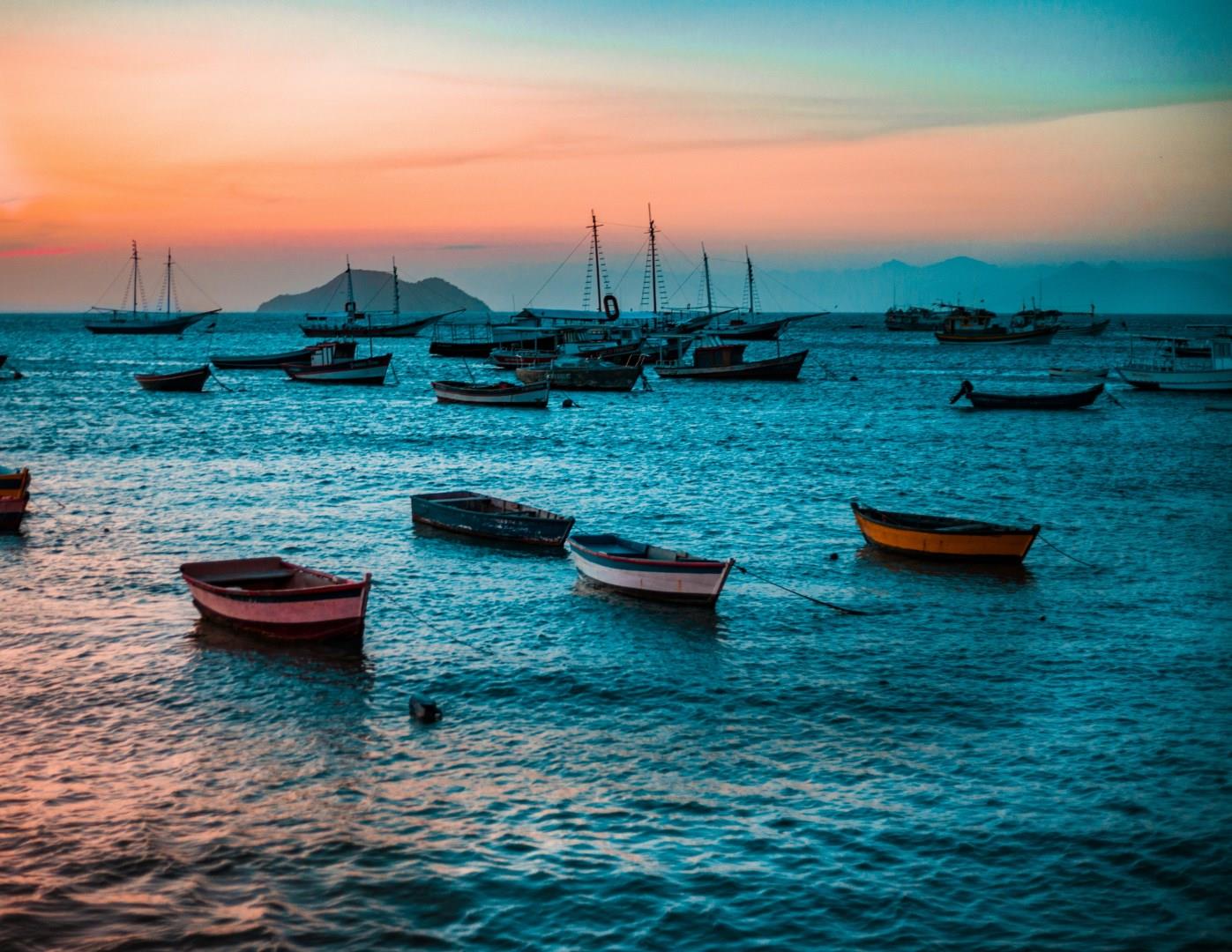
Búzios
Armação dos Búzios, or Búzios, a small peninsula just a few hours from Rio de Janeiro, is known for its striking coastline, relaxed atmosphere, and vibrant cultural scene. Once a quiet fishing village, it rose to international attention in the 1960s when French actress Brigitte Bardot visited and fell in love with its laid-back lifestyle. The region is famous for its more than 20 beaches, each with its own personality.

Edfu
The Temple of Horus at Edfu has a massive entrance pylon covered with sunk relief carvings. This Ptolemaic temple was constructed between 237 and 57 B.C.E.
