
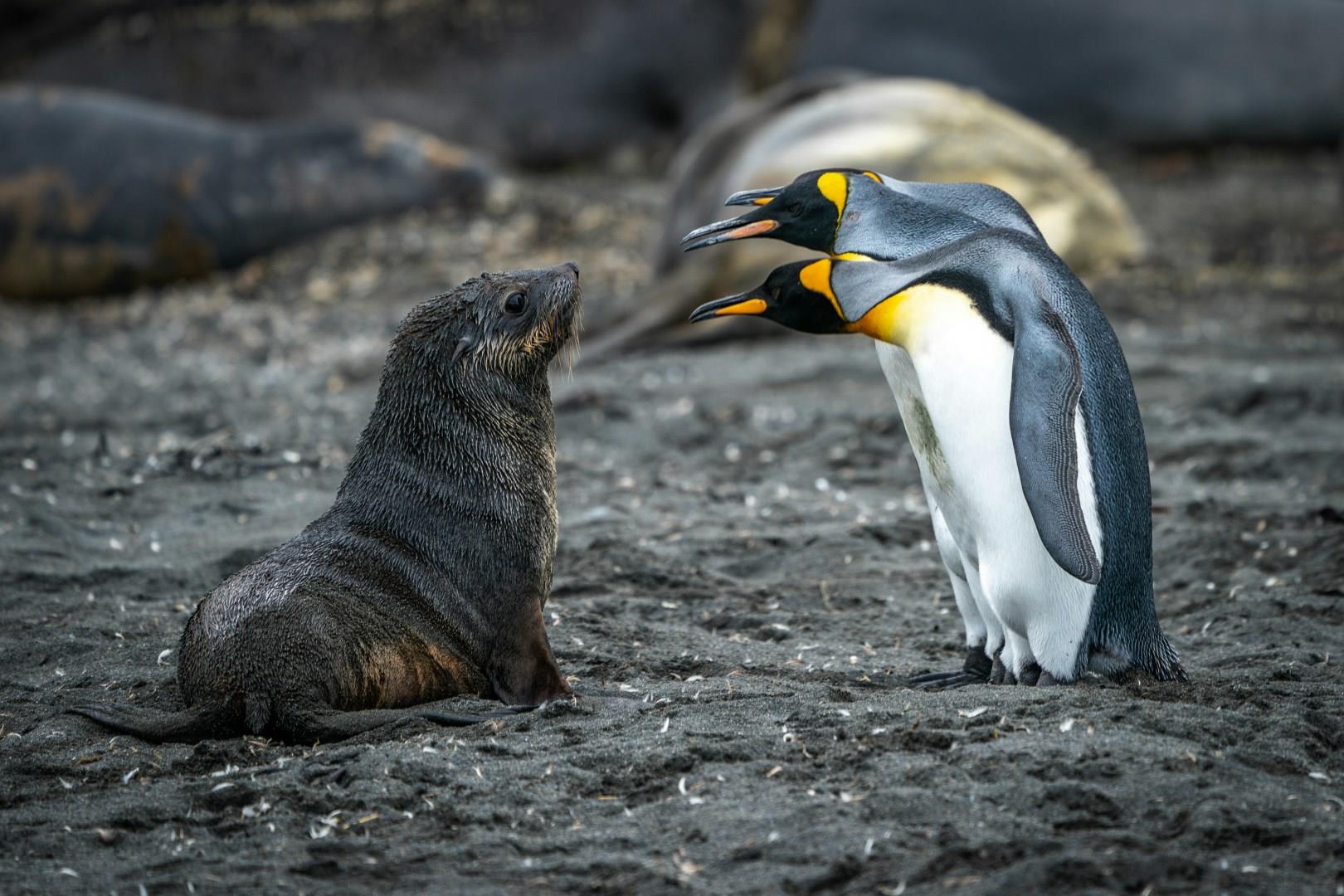
South Sandwich Islands
The South Sandwich Islands are among the most remote places on Earth, a chain of volcanic peaks rising from the Southern Ocean, over 1,300 kilometers southeast of South Georgia. With no permanent residents, no ports, and no infrastructure, these islands remain untouched by tourism in the conventional sense. What they offer instead is a rare glimpse into one of the planet’s most extreme and least disturbed environments.
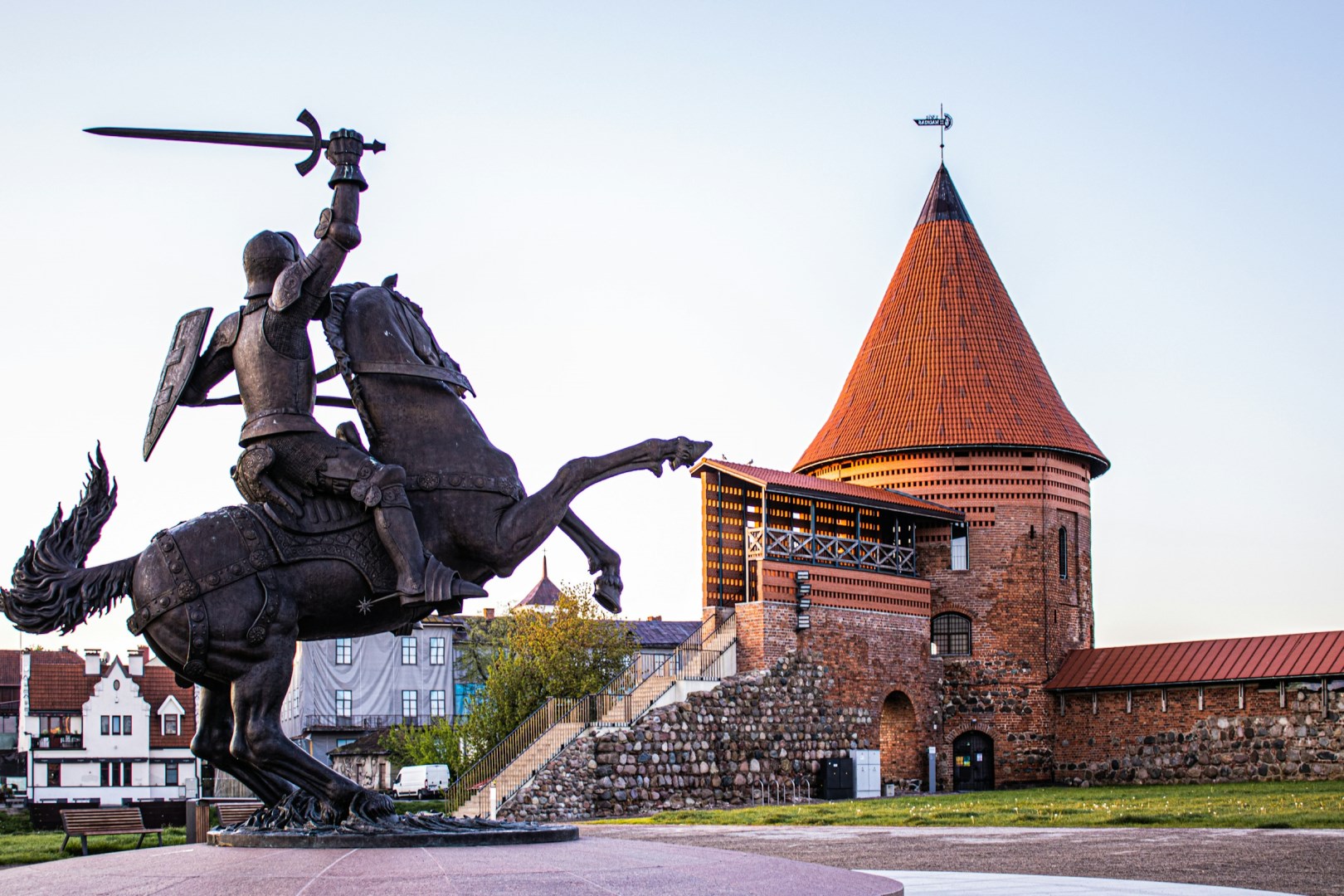
Kaunas
Kaunas is Lithuania’s second-largest city, located at the confluence of the Nemunas and Neris rivers in the country’s central region. Its historic center combines a compact Old Town of Gothic, Renaissance, and Baroque buildings with the broader streets and distinctive architecture of the New Town. Kaunas Castle, standing near the river confluence, is one of the city’s best-known landmarks, while Laisvės Alėja forms a long pedestrian boulevard through the central districts.
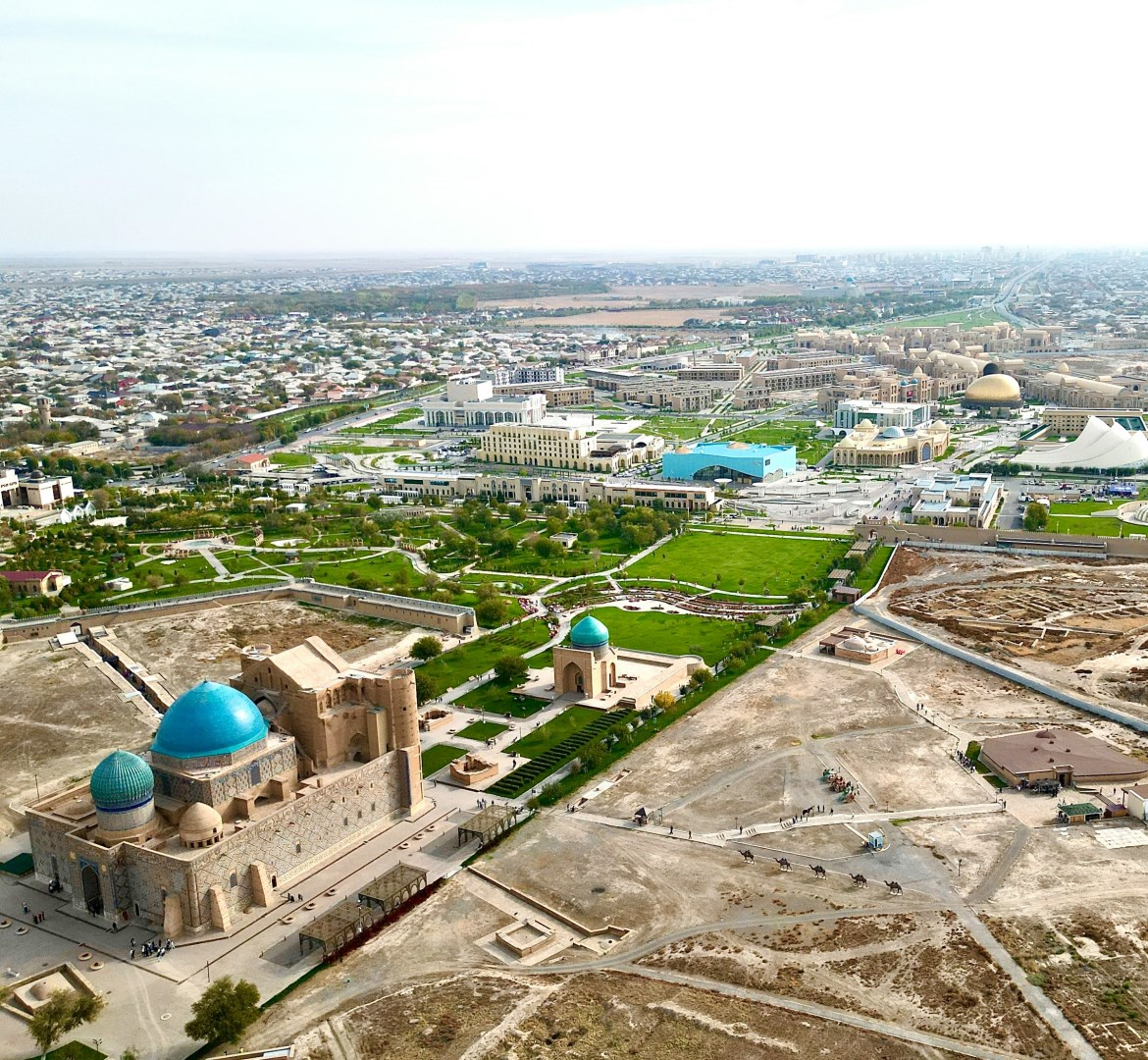
Turkistan
Turkistan is a historic city in southern Kazakhstan and an important center of Islamic culture in Central Asia. Located in the Turkistan Region, the city developed around an oasis landscape between the Syr Darya River and the Karatau Mountains. Its best-known landmark is the Mausoleum of Khoja Ahmed Yasawi, a monumental Timurid-era building and UNESCO World Heritage site.
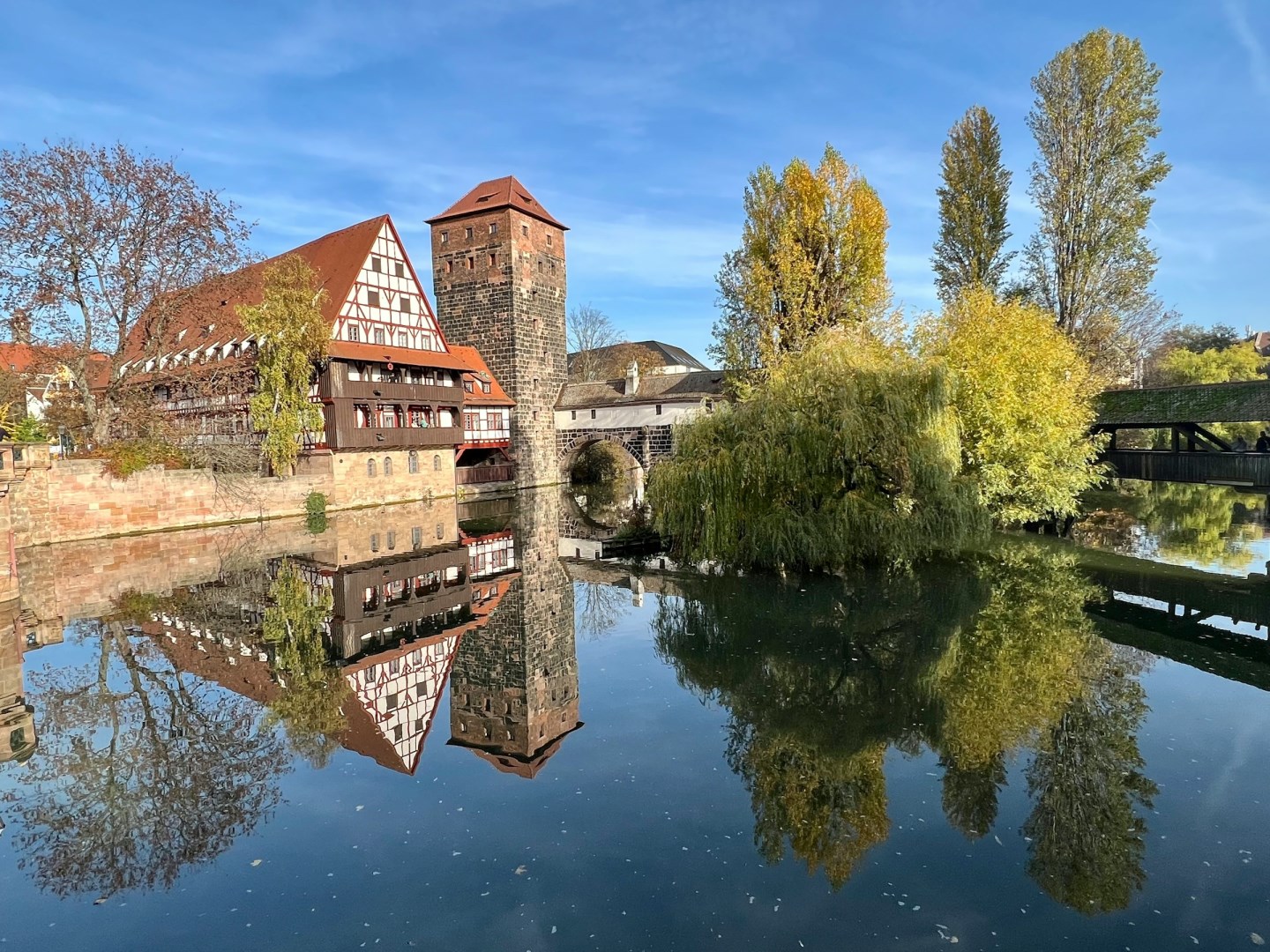
Nurnberg
Nürnberg (Nuremberg), located in the heart of Bavaria, Germany, is a city rich in history, culture, and architectural charm. Known for its medieval old town, Nürnberg boasts cobbled streets, half-timbered houses, and the imposing Nuremberg Castle, which overlooks the city and offers panoramic views.
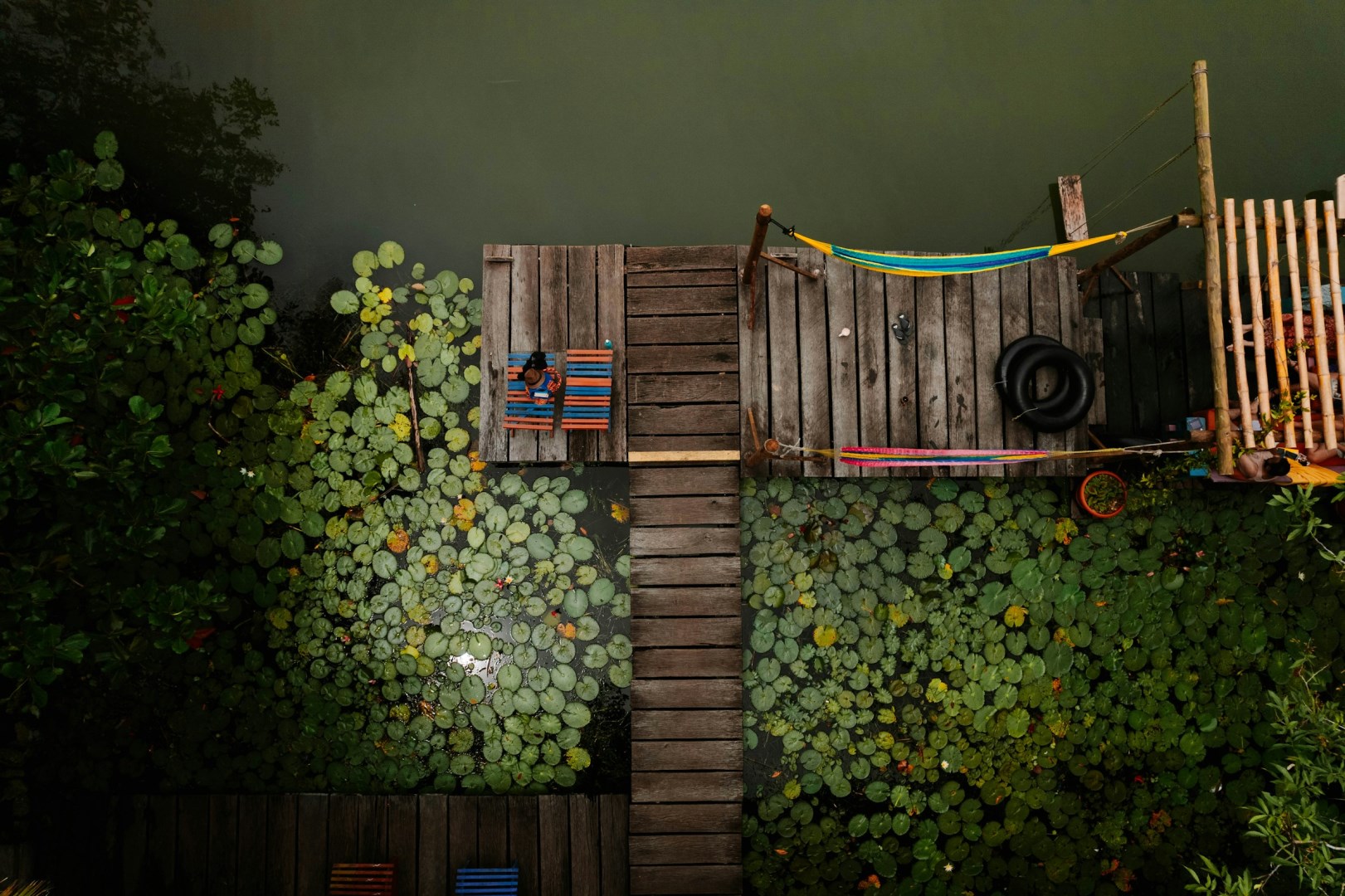
Puerto Barrios
Located in the Gulf of Honduras, this area of the Mayan offers jungle tours along the Rio San Carlos or walking through the Mayan ruina at Quirigua. In ancient Mayan culture, priests used to drive sting ray spines through their tongues to appease their gods.
