
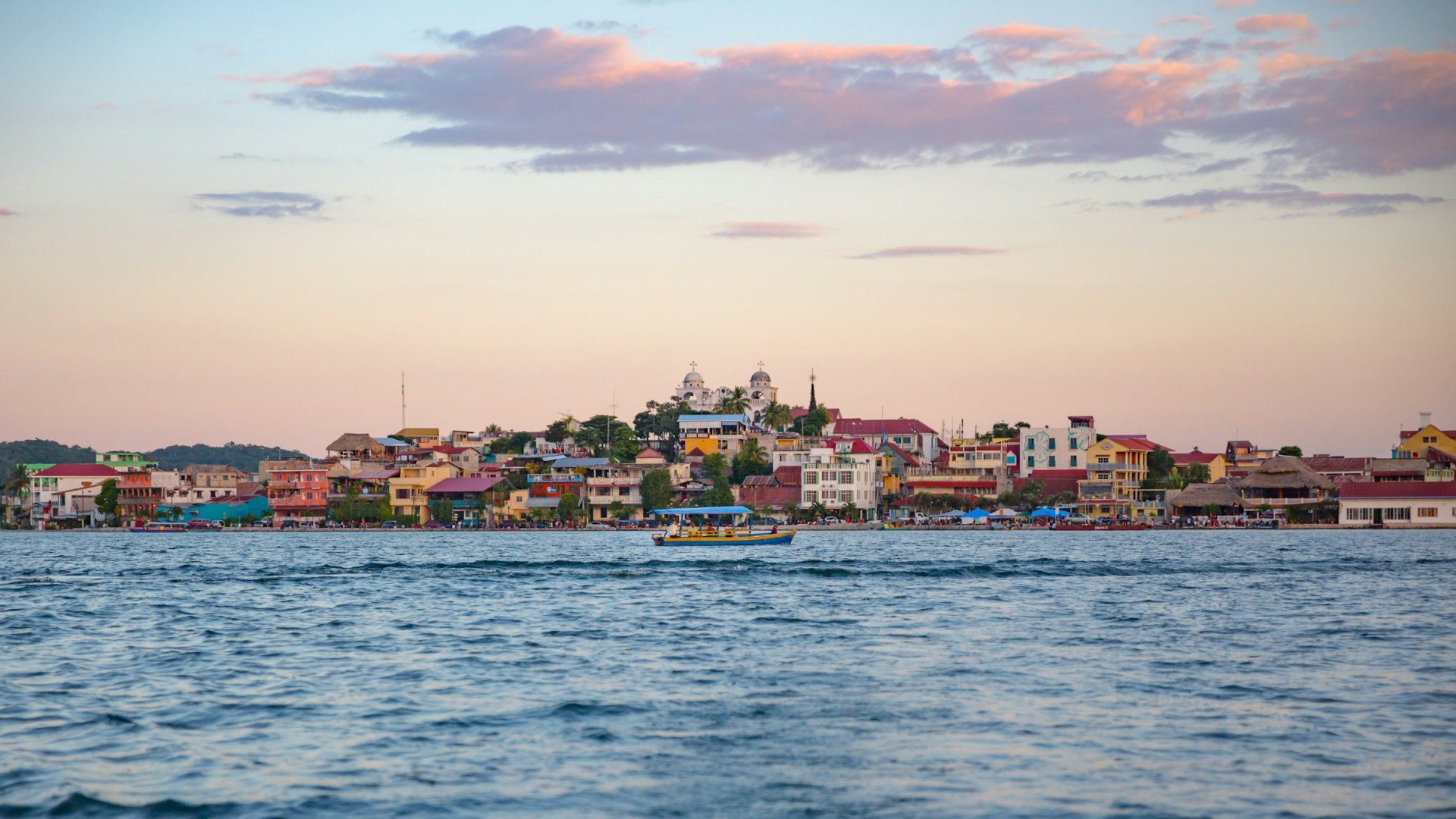
Flores
Flores is the capital of Guatemala's Petén department and occupies a small island in Lake Petén Itzá, connected to the mainland by a causeway. The compact island is known for its colorful buildings, narrow streets, waterfront promenade, and views across the lake. Flores also serves as a base for exploring the archaeological and natural attractions of northern Guatemala.

Honduras
Honduras, located in the heart of Central America, is a destination that offers both hidden treasures and well-known wonders. The country’s history is deeply tied to the ancient Maya civilization, with the ruins of Copán, a UNESCO World Heritage Site, standing as one of the most impressive archaeological sites in the region.
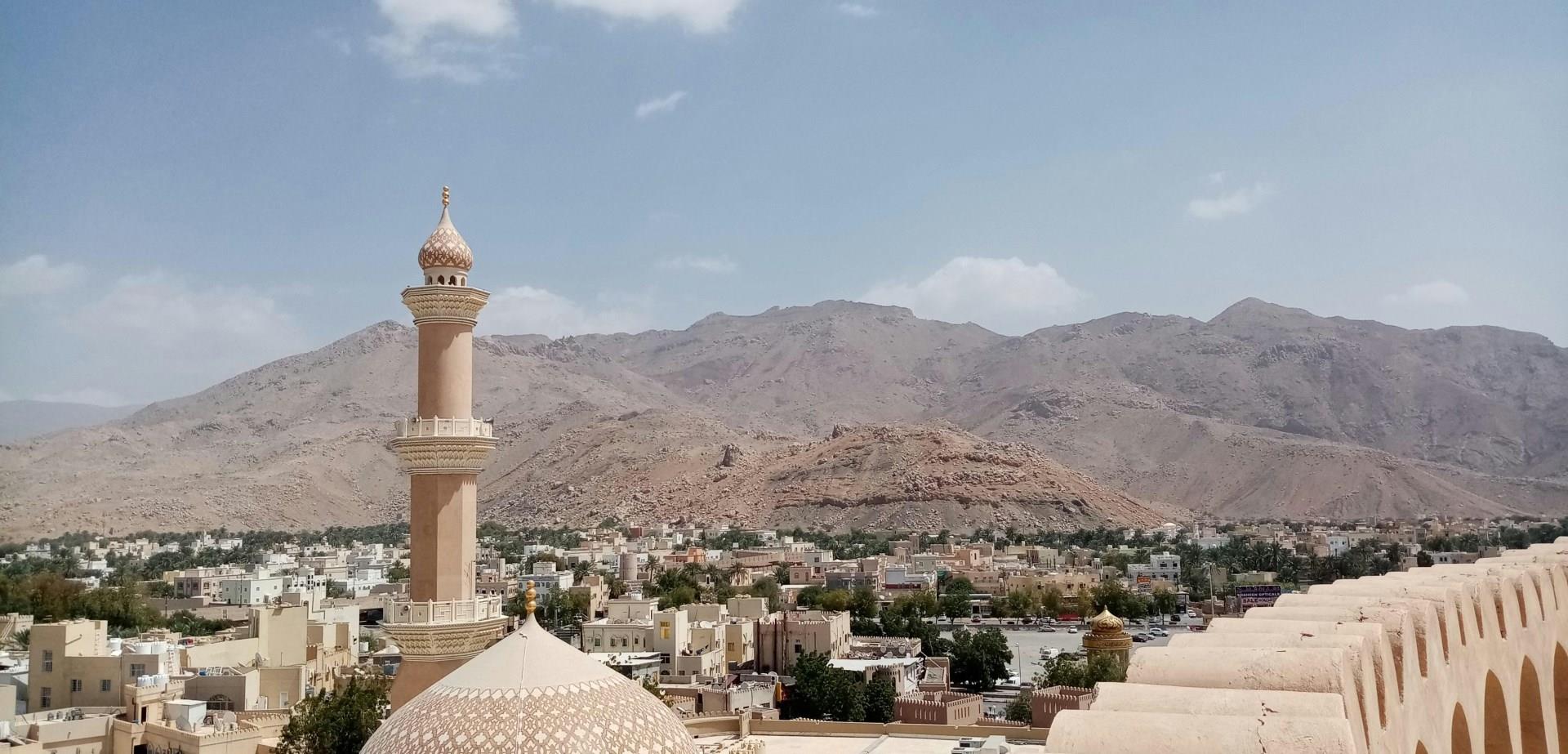
Nizwa
In the heart of Oman lies Nizwa, a city once considered the country’s capital and a hub of learning and trade. Its iconic round fort, built in the 17th century, remains one of Oman’s most visited landmarks.

Bocas Del Toro
Bocas del Toro, an enchanting archipelago on Panama’s Caribbean coast, is a paradise where vibrant culture meets unspoiled natural beauty. Renowned for its stunning islands, turquoise waters, and lively atmosphere, Bocas del Toro offers an adventure for every type of traveler. The archipelago’s main hub, Bocas Town, is located on Isla Colón and is the perfect starting point to explore the area’s many delights, from world-class surfing at Bluff Beach to snorkeling and diving in the kaleidoscopic
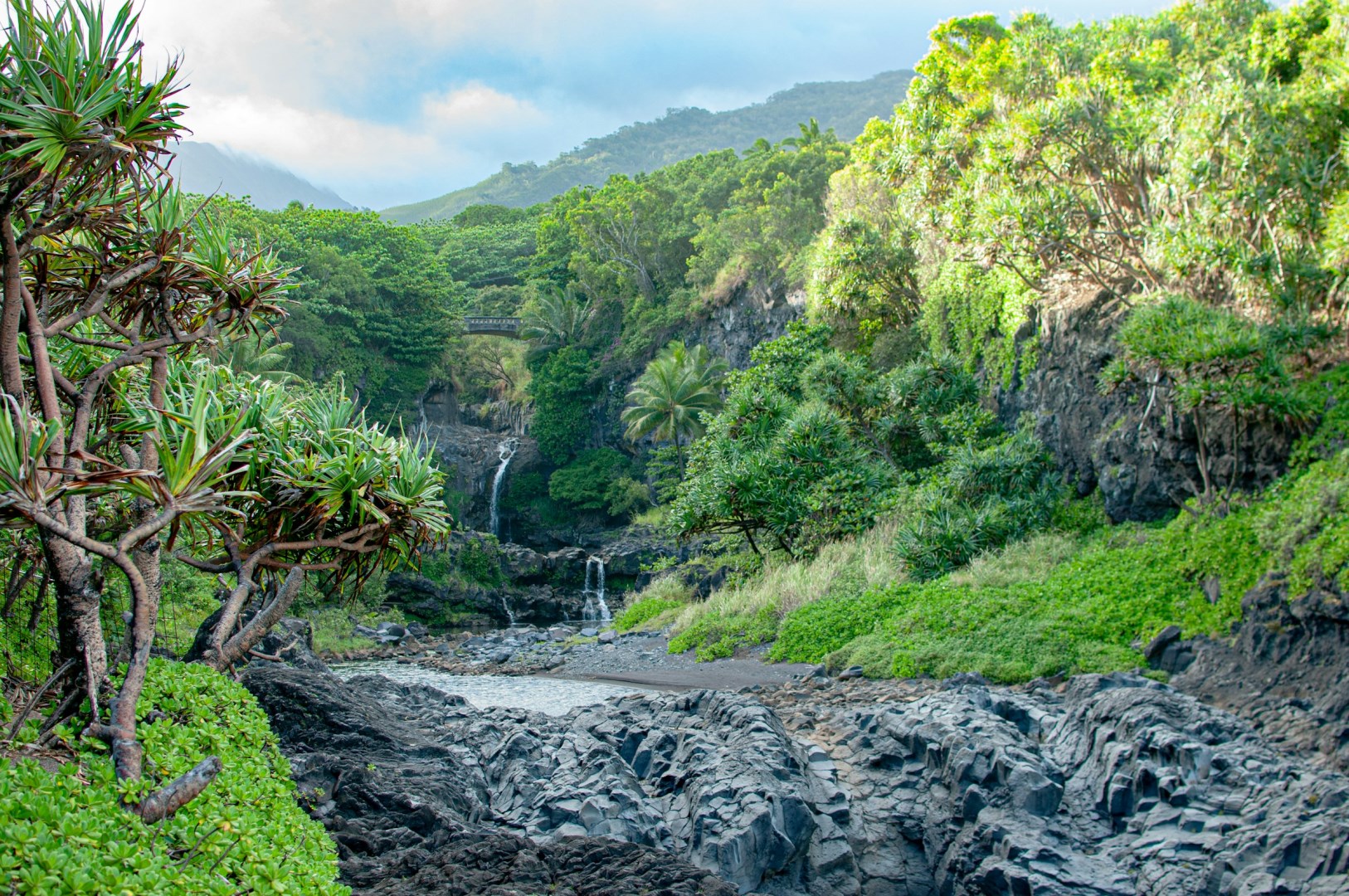
Haleakalā
Maui, both second youngest and second largest of the Hawaiian Islands, is home to the world's largest dormant volcano, Haleakala, meaning "House of the Sun." Last erupting about 200 years ago, it makes up the eastern end of the island. Maui was formed by volcanic activity from Haleakala on the east and the West Maui Mountains to the west. The connecting isthmus between the two spots was formed from joining lava from both and gives Maui its nickname, the Valley Isle.
