

Kasane
Kasane sits at Botswana’s northeastern edge, where the Chobe River meets the borders of Namibia, Zambia, and Zimbabwe. Its development is closely tied to river transport, regional trade, and wildlife management.
Rabat
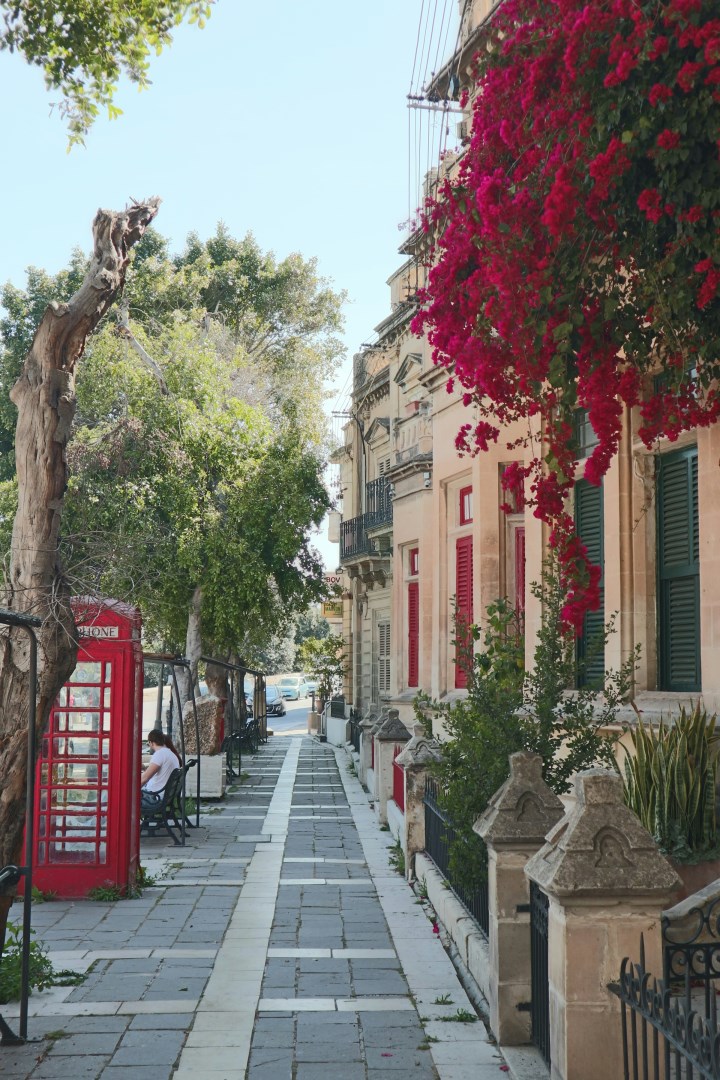
Rabat is a historic town in central Malta, adjoining the fortified city of Mdina and extending across a landscape shaped by limestone, fields, and ancient settlements. Its name means “suburb,” reflecting its position outside the walls of the former capital. The town has a distinctly local character, with narrow streets, traditional limestone buildings, small squares, and churches interspersed with archaeological sites.

Boston
Evidence of our nation's birth abounds in Boston, a hub of revolution that is essentially the oldest city in the United States. Visitors are compelled to walk the 2.5-mile Freedom Trail around the city center, and bear witness to 16 historical locations related to the history of America.
Batumi
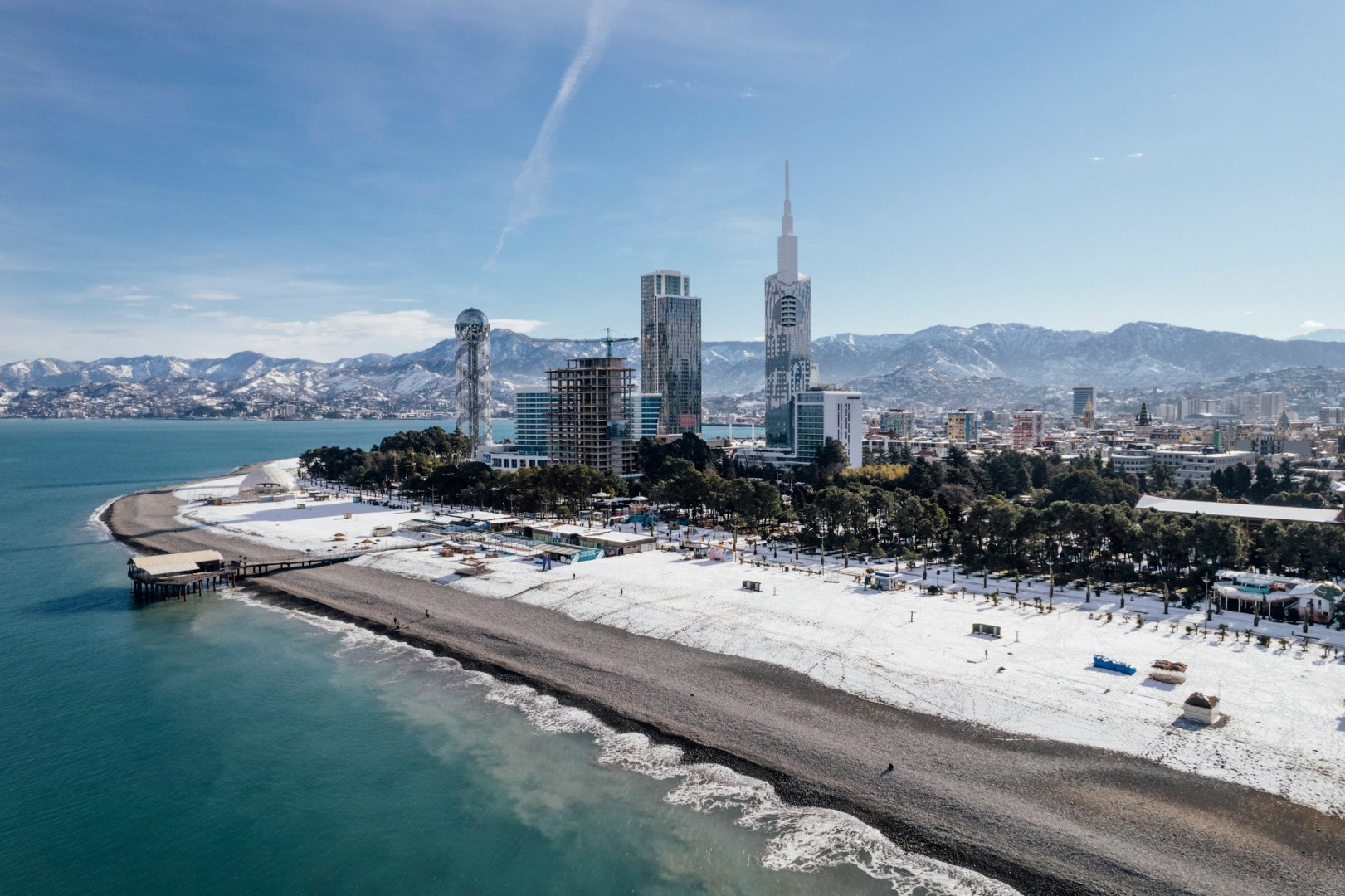
Batumi is the capital of Georgia's Adjara region, located on the Black Sea coast in the country's southwest. The city combines a seaside setting with subtropical vegetation and the mountains of Adjara rising inland. Its urban landscape includes historic streets, European-style squares, modern towers, and a long coastal boulevard.
Minneapolis/St. Paul
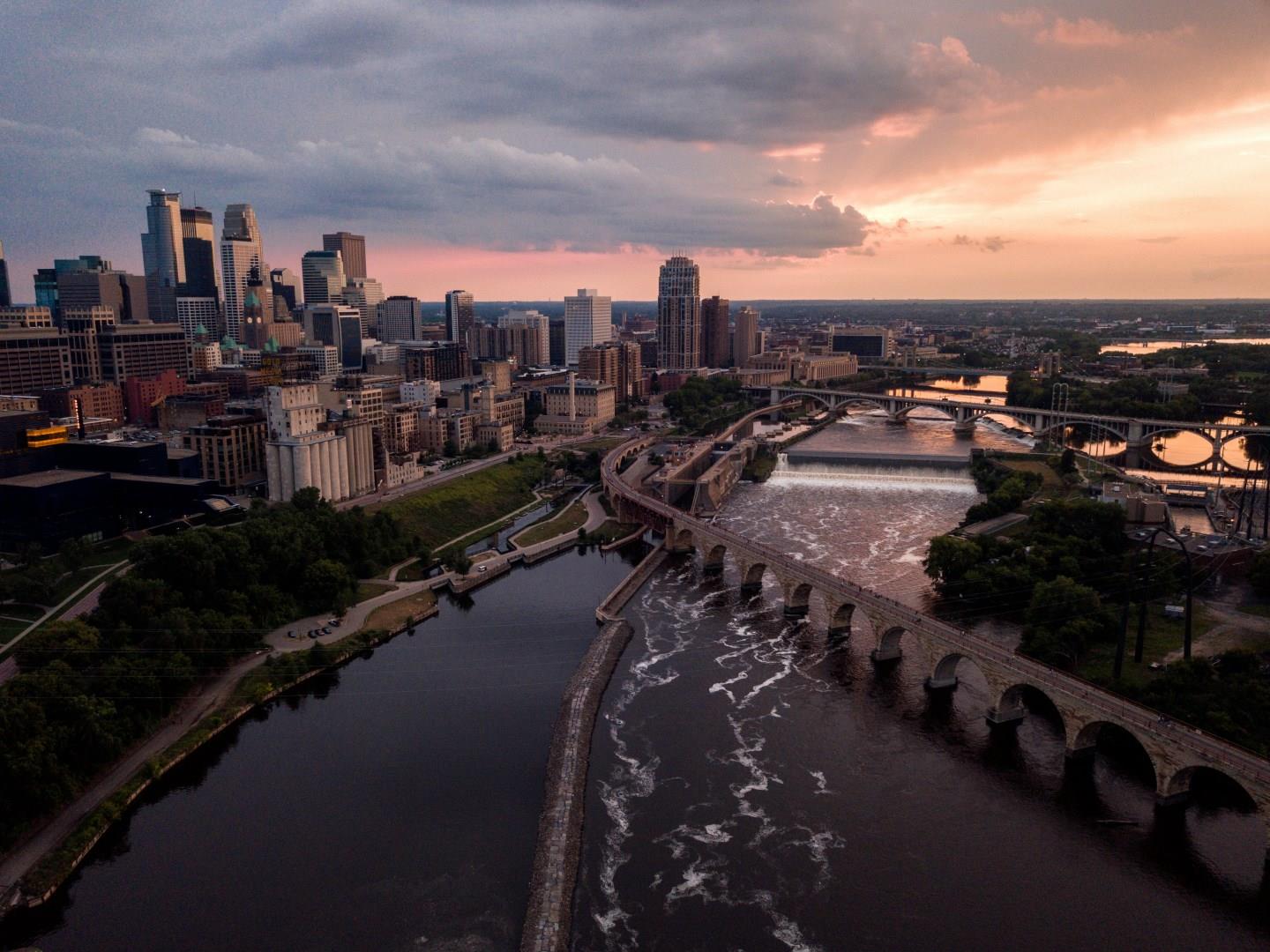
Minneapolis stands out with its unexpected blend of urban energy and freshwater calm. Built along the banks of the Mississippi River, the city has grown from a flour-milling powerhouse into a hub of creativity, design, and culture. At the heart of downtown, the Mill City Museum, housed inside the ruins of what was once the world’s largest flour mill, offers hands-on exhibits that bring Minneapolis’s industrial past to life. Just outside, the Stone Arch Bridge spans the river with sweeping views
