
Ruaha National Park
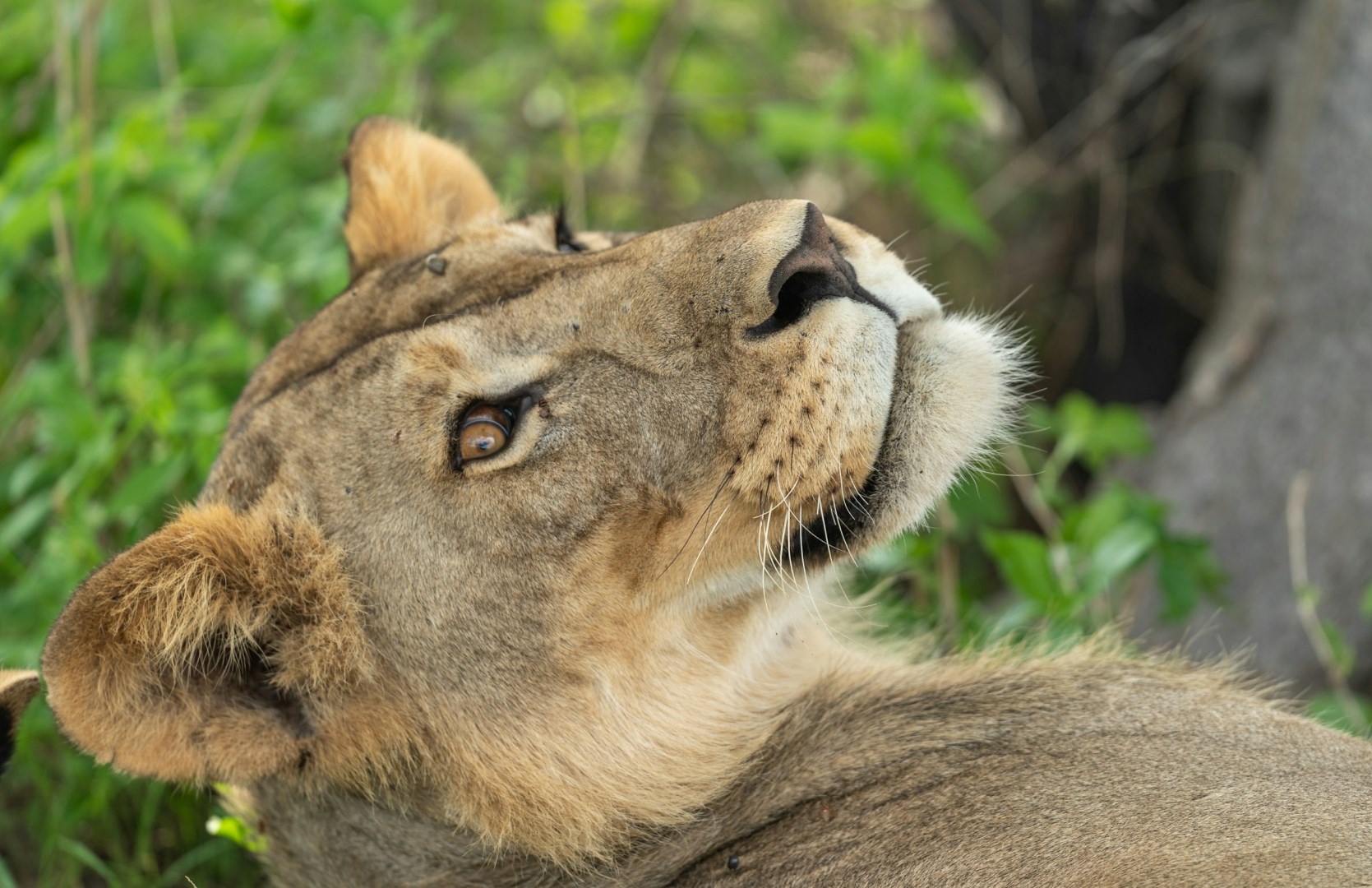
Ruaha National Park is a vast protected area in south-central Tanzania, covering about 20,226 square kilometres. The park is defined by a varied landscape of open savanna, miombo woodland, rocky hills, seasonal rivers, and large baobab trees. The Great Ruaha River forms one of its most important natural features, providing water and supporting wildlife across the surrounding plains.
Bahrain
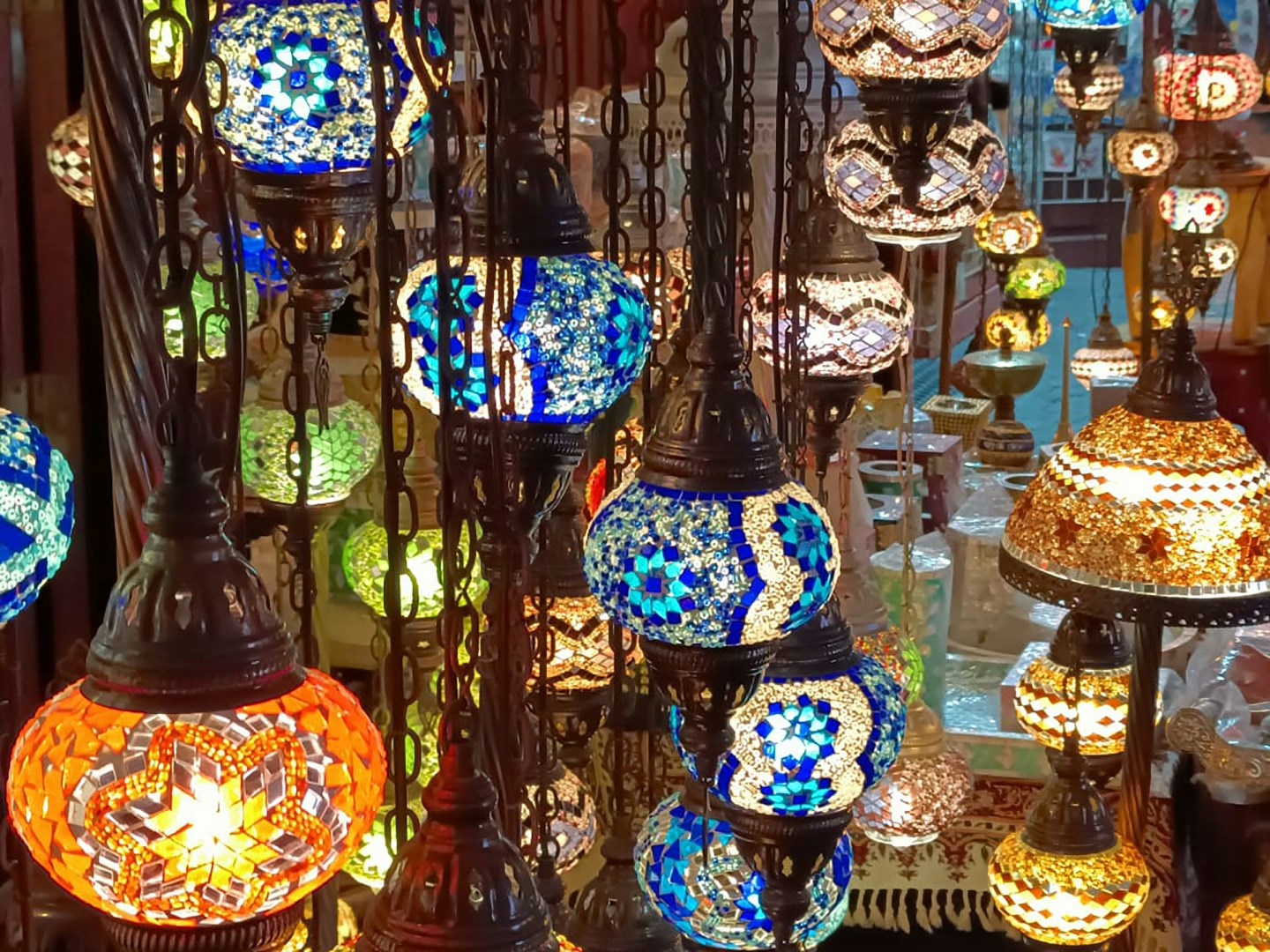
Bahrain, the only island nation in the Arabian Gulf, offers a unique blend of ancient heritage and modern flair. Away from the city, Bahrain’s landscape surprises many. The Tree of Life, a lone 400-year-old mesquite standing in the desert with no known water source, continues to puzzle scientists and inspire travelers.
Abu Simbel
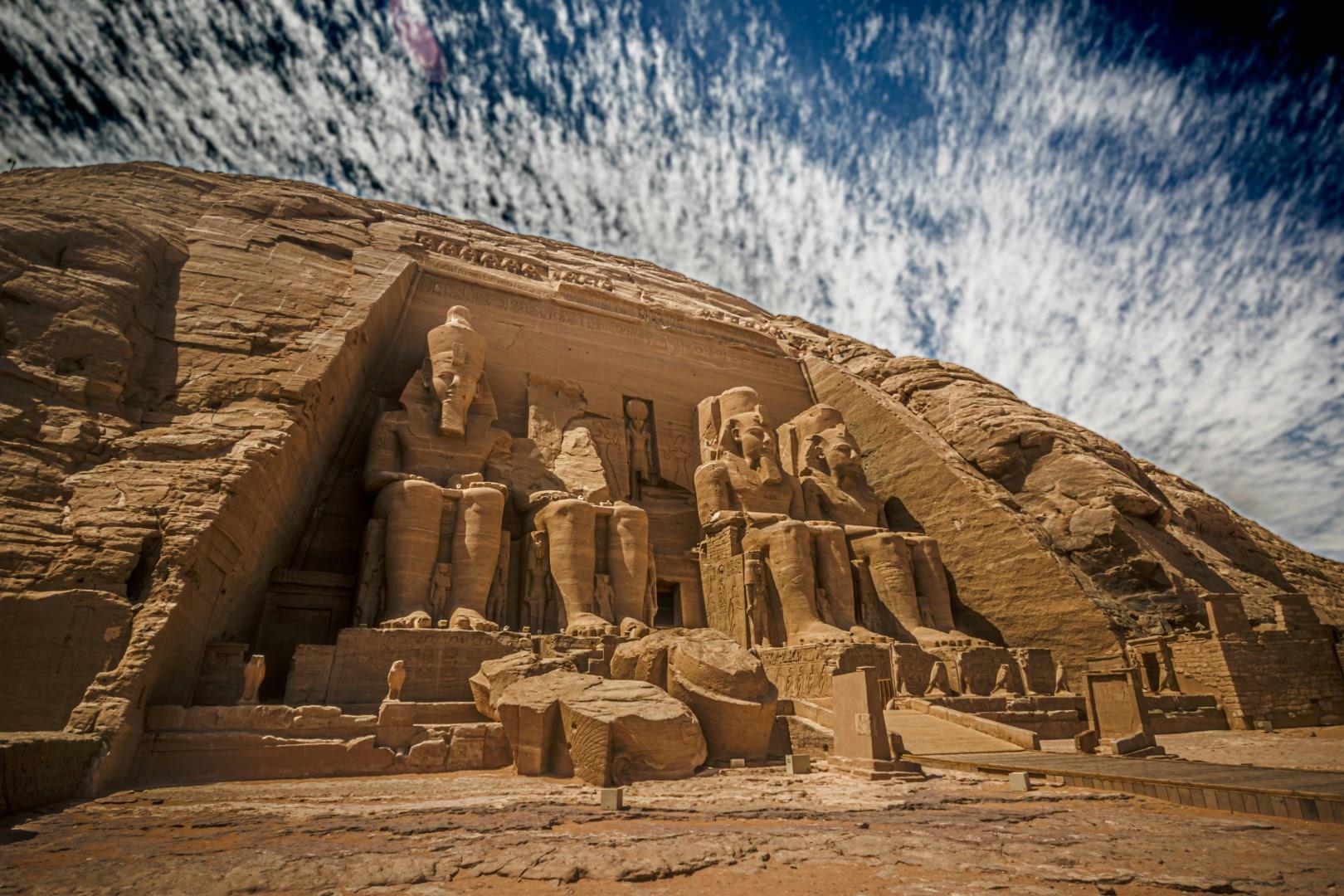
Abu Simbel, in southern Egypt near the border with Sudan, is one of the most awe-inspiring archaeological sites of the ancient world. Built during the reign of Pharaoh Ramses II in the 13th century BCE, the twin temples were carved directly into the sandstone cliffs overlooking the Nile. The Great Temple, with its four colossal statues of Ramses II seated at the entrance, was designed not only to honor the pharaoh but also to project his power to neighboring Nubia.

Kampot
Kampot is a riverside town in southern Cambodia with a story that stretches from a bustling 19th-century seaport to a calm center for travelers seeking real local experiences. Wandering these streets reveals faded pastel facades, shuttered balconies, and hints of a past where merchants from China, Malaysia, and Europe met on this quiet stretch of the Cambodian coast.

Kailua-Kona
Kailua-Kona, a picturesque seaside town on the west coast of Hawaii's Big Island, is a haven for travelers seeking both adventure and tranquility. Known simply as "Kona" to locals, this vibrant destination is celebrated for its rich history, volcanic landscapes, and inviting beaches. Kailua-Kona's iconic oceanfront Ali'i Drive is the heartbeat of the town, lined with charming shops, art galleries, and a plethora of dining options that range from fresh seafood to authentic Hawaiian cuisine.
