

Jordan
Beyond its historical sites, Jordan's natural landscapes offer a diverse range of experiences. The Dead Sea, the lowest point on Earth's surface, is renowned for its buoyant waters and therapeutic mud, attracting visitors seeking relaxation and wellness. To the south, Wadi Rum's dramatic desert scenery, with its towering sandstone mountains and vast red dunes, provides a backdrop for adventure activities like jeep tours, camel rides, and stargazing.

St. Kitts
St. Kitts, part of the twin-island federation of Saint Kitts and Nevis, is known for its volcanic landscape, coastal plains, and long stretches of shoreline. The island’s layout is shaped by its central peaks, including Mount Liamuiga, which rises above surrounding farmland and villages. Basseterre, the capital, serves as the main hub for commerce and government, with a harbor that regularly receives cruise ships.
Freeport
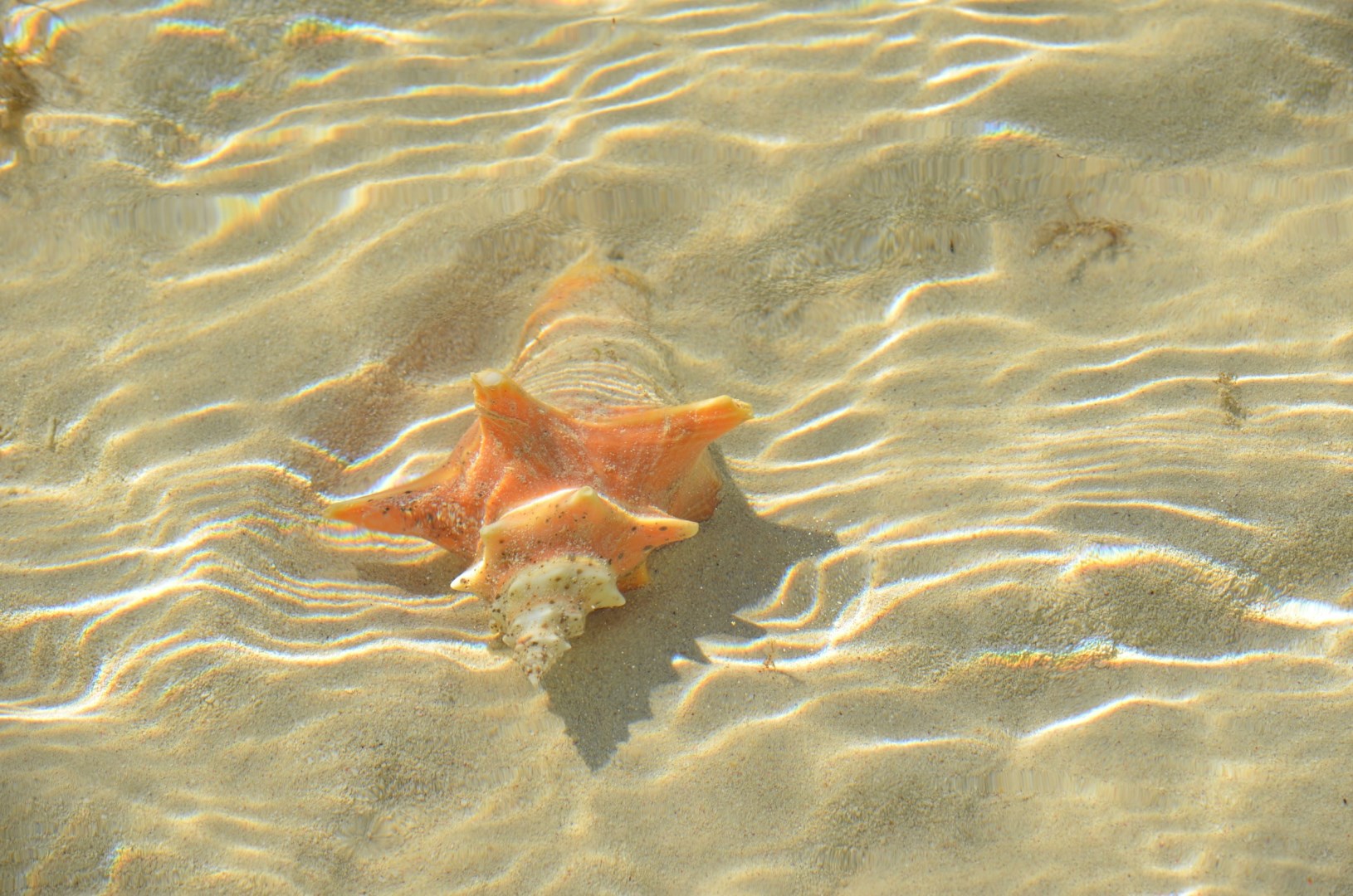
Snorkeling, golf, botanical gardens, and boutique shopping are just some of the activities in Freeport.
Saint-Émilion
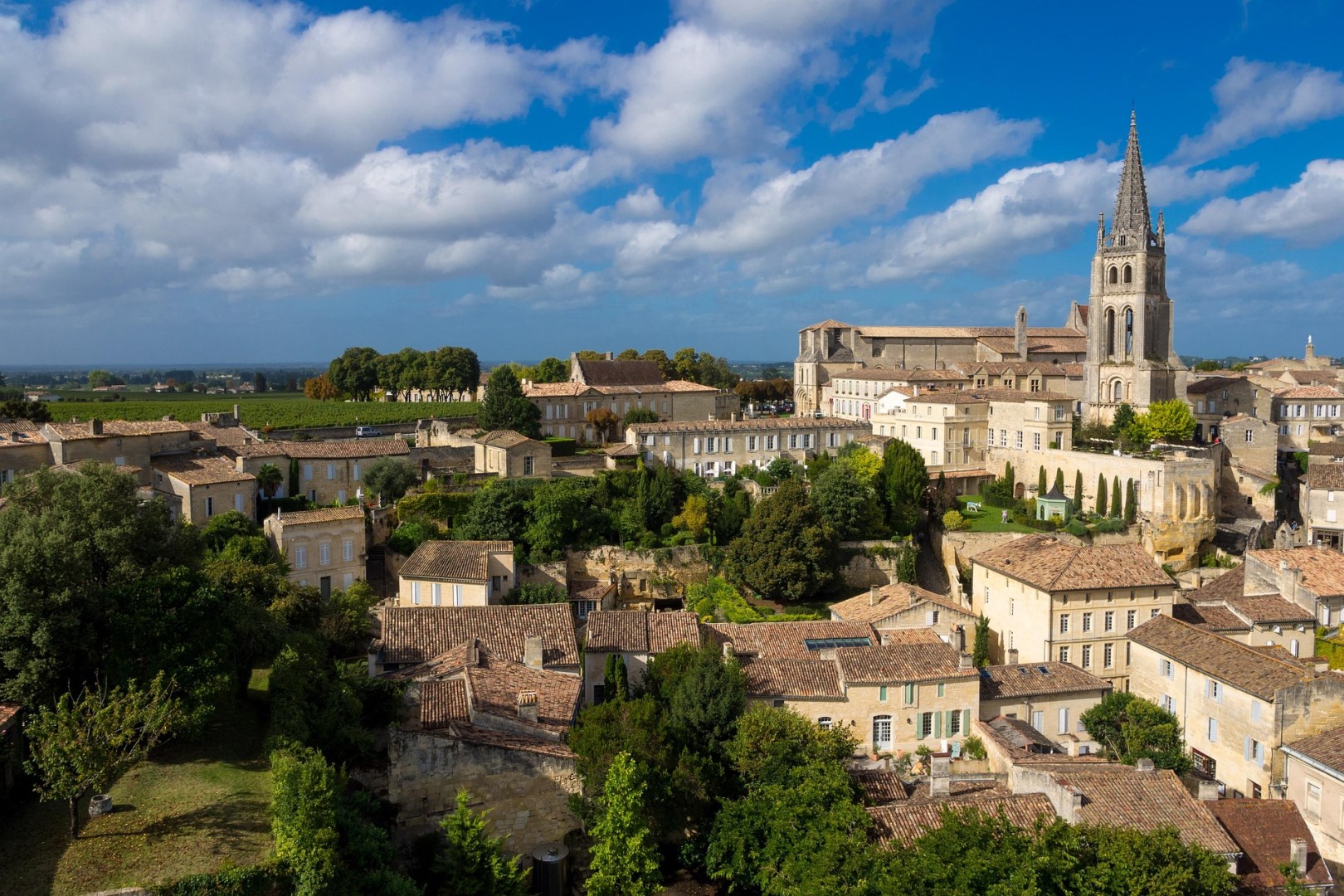
Saint-Émilion, nestled in the heart of southwest France, is a living monument to centuries of craftsmanship, faith, and wine-making. Recognized as a UNESCO World Heritage Site since 1999, this medieval town sits on a limestone plateau surrounded by vineyards that date back to Roman times. Visitors can explore cobbled streets that wind past centuries-old stone houses, descend into underground catacombs carved by monks, and visit the astonishing Monolithic Church.

Gibraltar
Gibraltar is located in southern tip of Spain, on a tiny peninsula. It is governed by the British and named after the Rock of Gibraltar, which is located on its east side. The territory is mainly used as a shipping port, and a port-of-call for cruise ships.
