
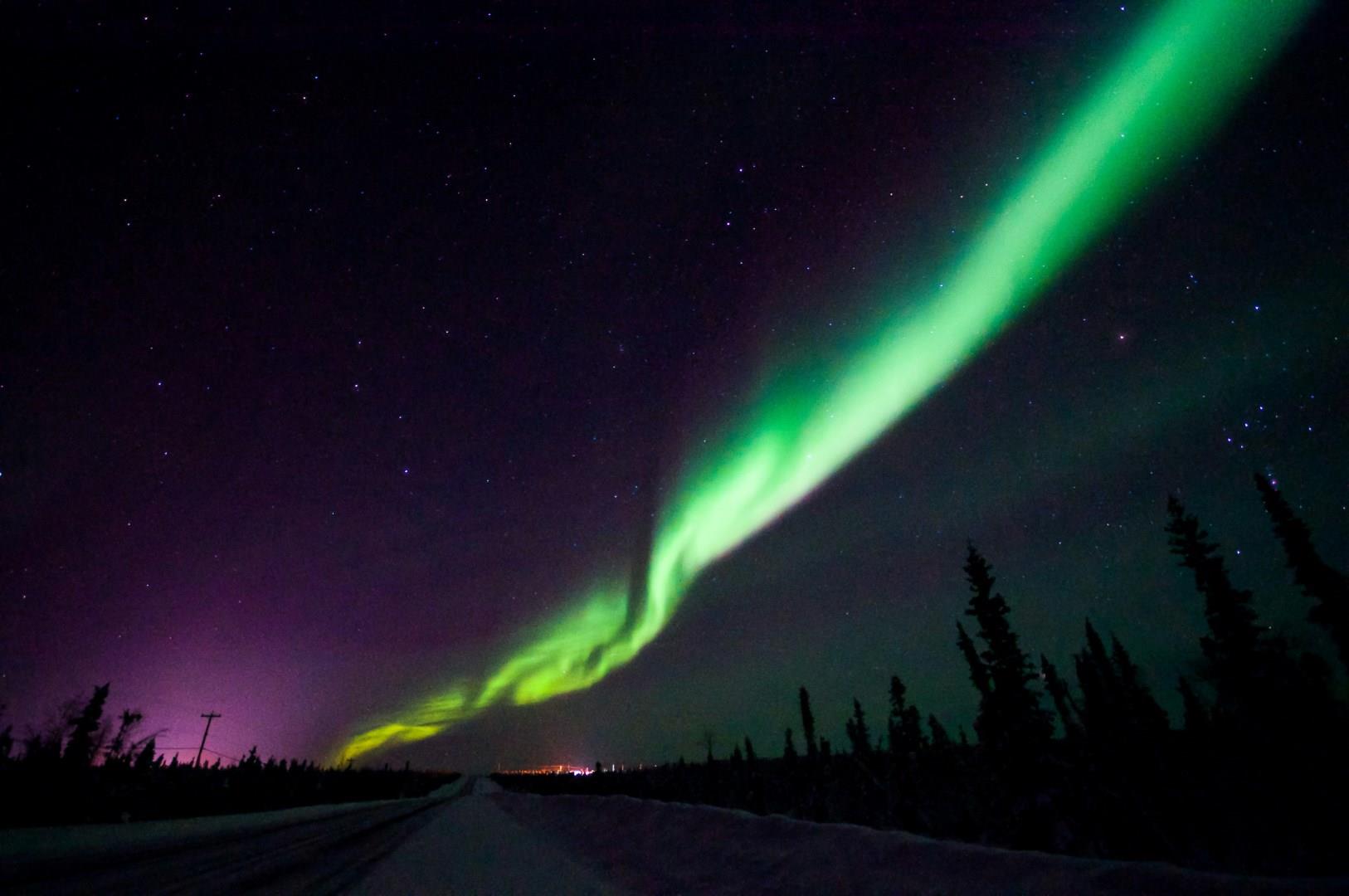
Inuvik
Summer in Inuvik brings the surreal experience of the Midnight Sun where the region experiences 56 days of continuous daylight from late May through mid-July. This natural phenomenon creates ideal conditions for exploring the dramatic tundra landscape and the nearby Mackenzie River Delta, one of the largest in North America. Adventurers can paddle through winding channels, spot migratory birds, or visit Tuktoyaktuk via the Inuvik-Tuktoyaktuk Highway.
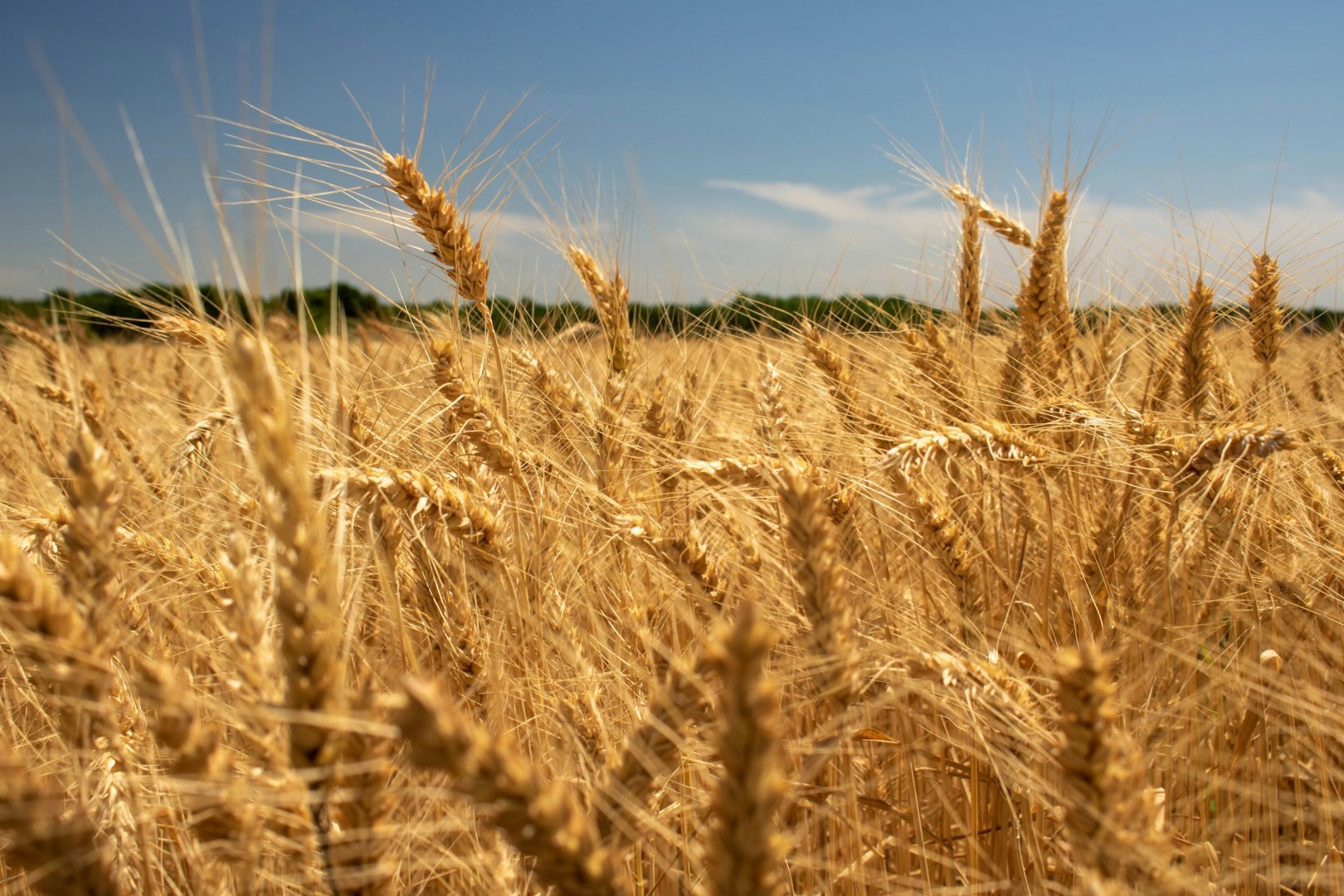
Kansas
Kansas offers a diverse range of experiences that capture the essence of the American Midwest. Visitors can explore the state's rich cultural heritage at the Kansas State Capitol in Topeka, where a guided tour reveals the building's intricate architecture and historical significance.

Dominica
Dominica, known as the “Nature Island of the Caribbean,” is a haven for eco-tourists and adventure seekers. Nestled between the French islands of Guadeloupe and Martinique, this lush island boasts a remarkable landscape of volcanic mountains, dense rainforests, and stunning waterfalls. Dominica’s most iconic natural wonder is the Boiling Lake, the second-largest hot spring in the world.
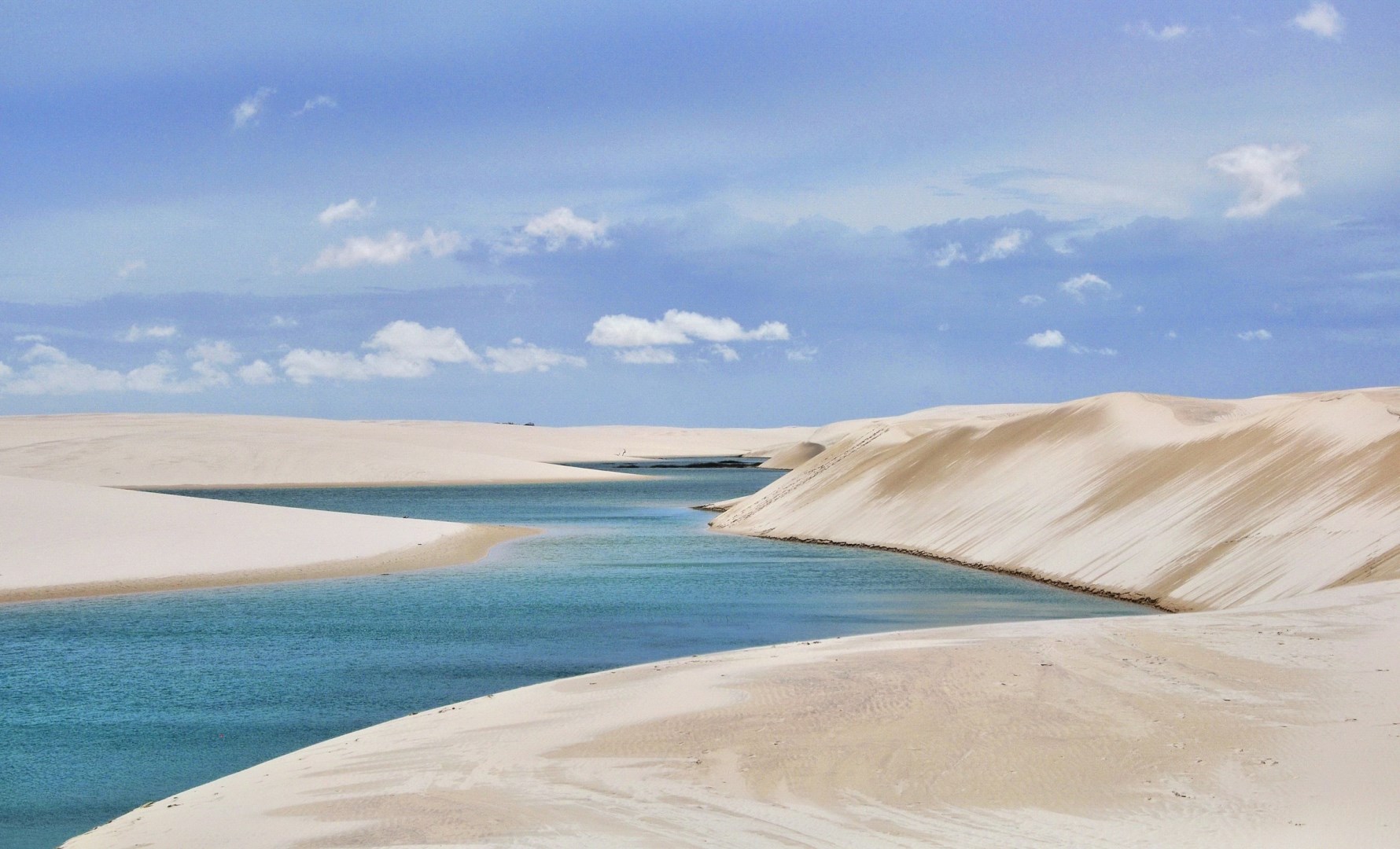
Lençóis Maranhenses National Park
Welcome to Lençóis Maranhenses National Park, one of Brazil's most breathtaking natural wonders! Imagine endless stretches of white dunes with breaks of crystal-clear freshwater lagoons that fill during the rainy season. It's a photographer's dream and a hiker's paradise, where you can explore this surreal landscape by foot or on a thrilling 4x4 adventure.Whether you're seeking adventure or tranquility, this unique destination offers a once-in-a-lifetime experience you won't want to miss!

Honningsvag
Honningsvag is a town on the north coast of Norway and the gateway to Nordkapp, or North Cape, which marks the northernmost point in Europe. This remote Norwegian destination is a popular stop for cruises to Northern Europe and the Arctic.
