
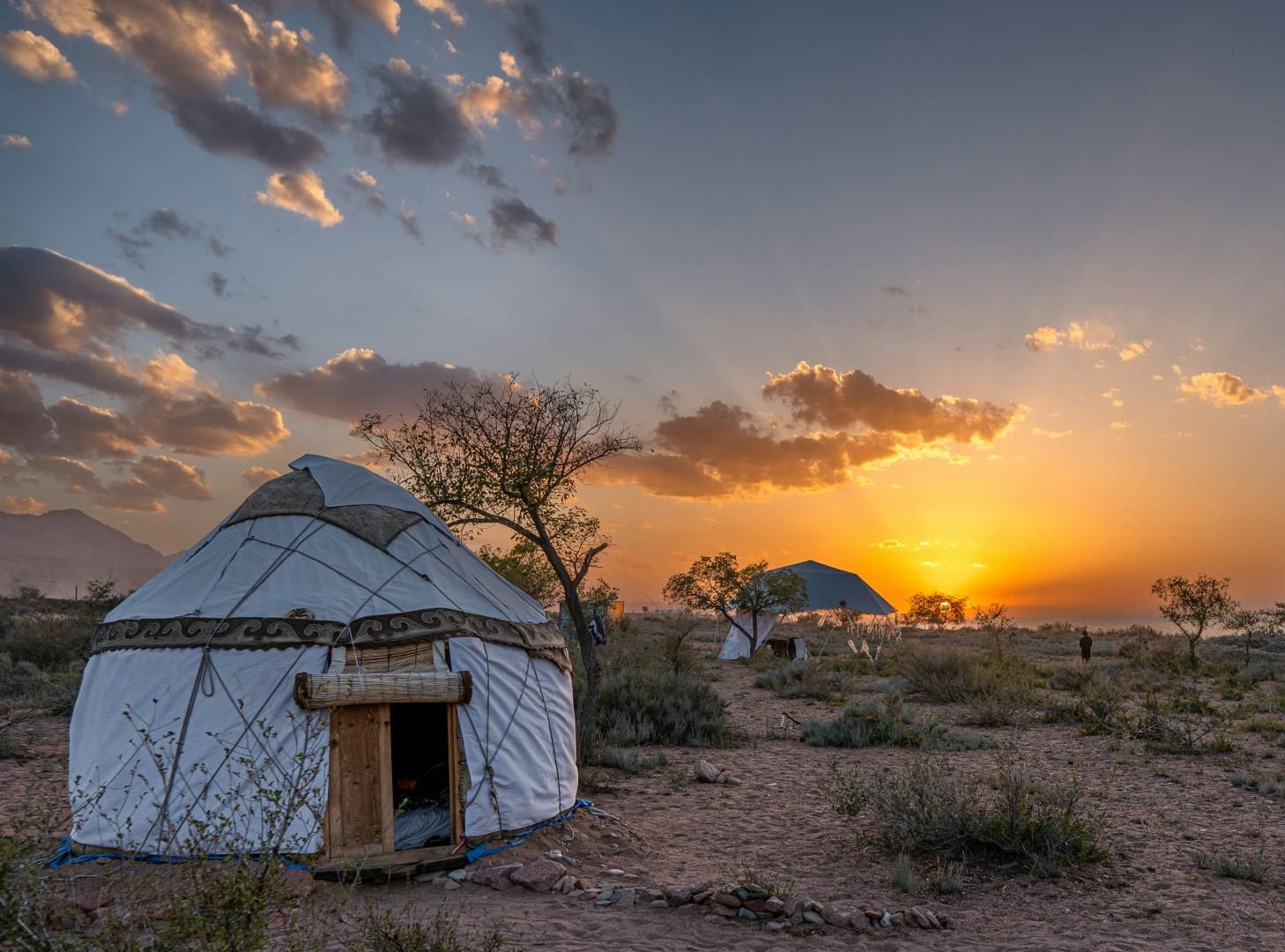
Kyrgyzstan
Kyrgyzstan, a country in Central Asia, is known for its rugged mountains, alpine lakes, and rich nomadic traditions. The Tien Shan mountain range dominates the landscape, offering opportunities for hiking, horseback riding, and exploring remote villages.
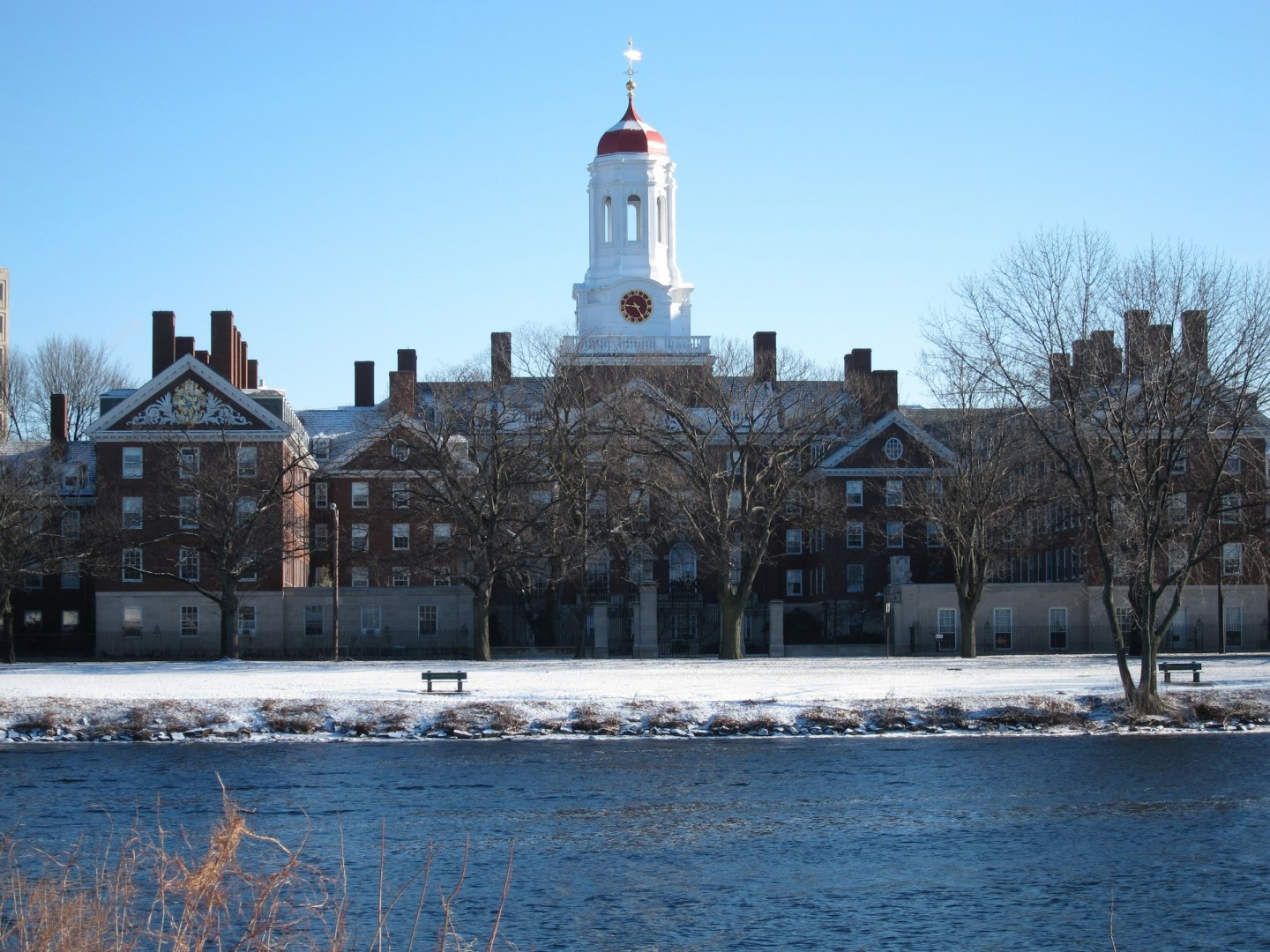
Cambridge
Cambridge, Massachusetts, sits across the Charles River from Boston and is known for its universities, historic neighborhoods, research institutions, and distinctive network of public squares. Harvard University and the Massachusetts Institute of Technology give the city an international academic profile, while areas such as Harvard Square, Central Square, Kendall Square, and Inman Square each have their own mix of shops, restaurants, cultural venues, and businesses.
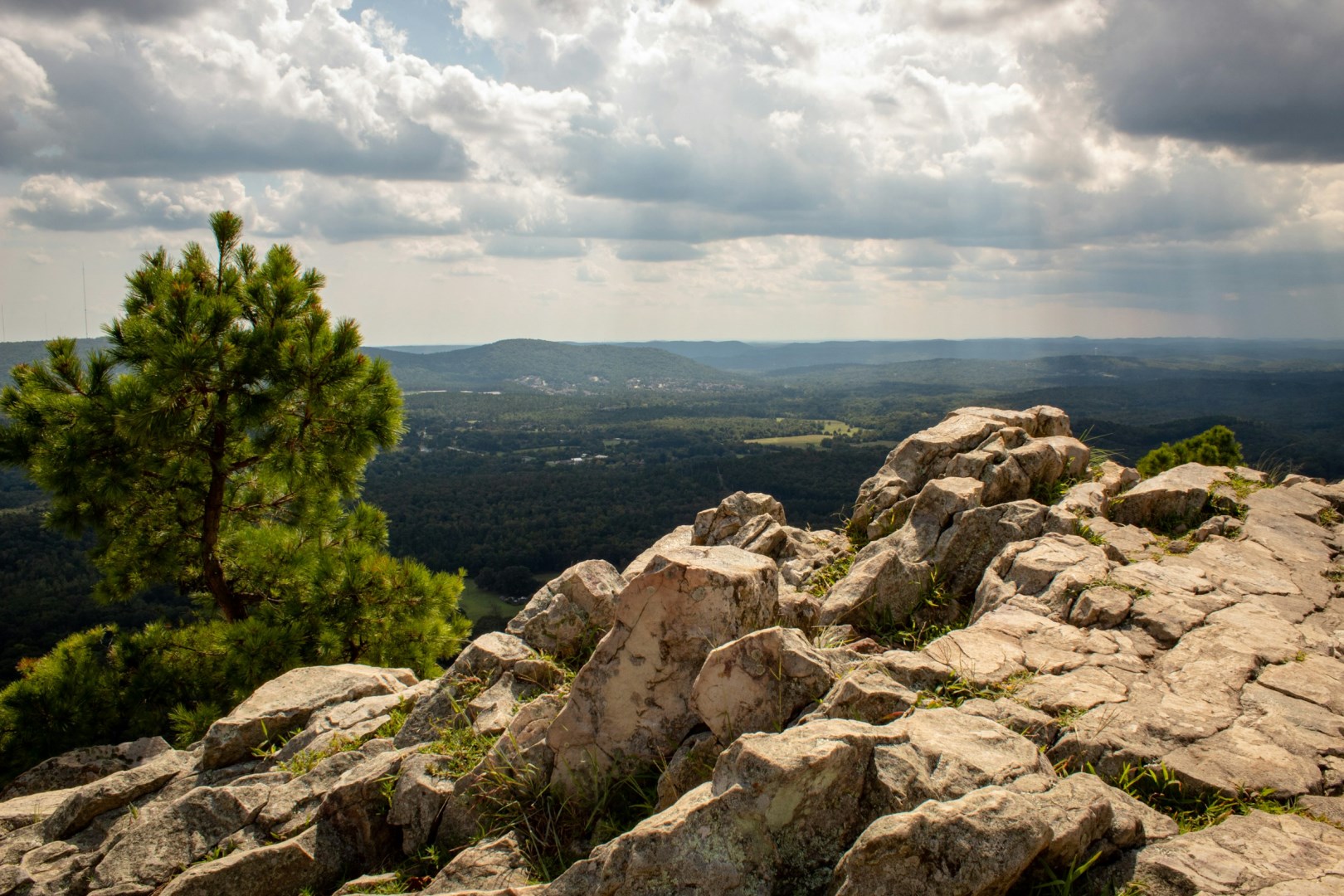
Pinnacle Mountain State Park
Pinnacle Mountain State Park is a protected recreation area west of Little Rock, Arkansas, centered on the distinctive summit of Pinnacle Mountain. The park covers more than 2,300 acres along the Arkansas River and combines forested slopes, rocky ridges, wetlands, and open river landscapes. Pinnacle Mountain rises above the surrounding Ouachita Mountain foothills and is one of the most recognizable natural landmarks near the state capital.

Hamburg
Located in northern Germany, Hamburg is an important commercial hub on the Elbe River and unique for the expansive system of canals which divide the city in two. Replete with fascinating architecture and scenic waterfront promenades, Hamburg offers plenty to see and explore!
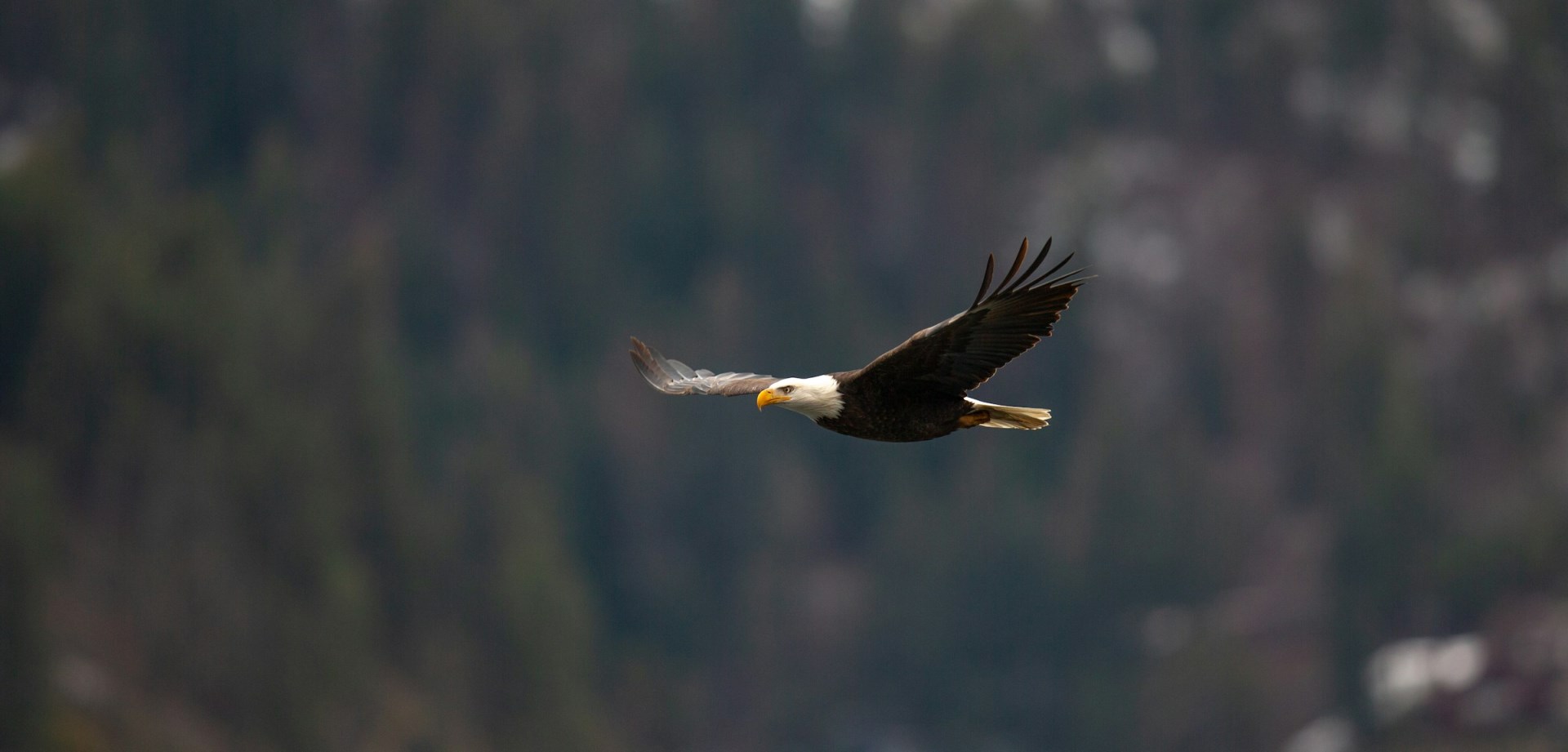
Coeur d'Alene
Coeur d'Alene is a lakefront resort community in one of the prettiest settings in the West. Located in northern Idaho, the region is defined by blue skies, sparkling water and pine-forested mountains
