
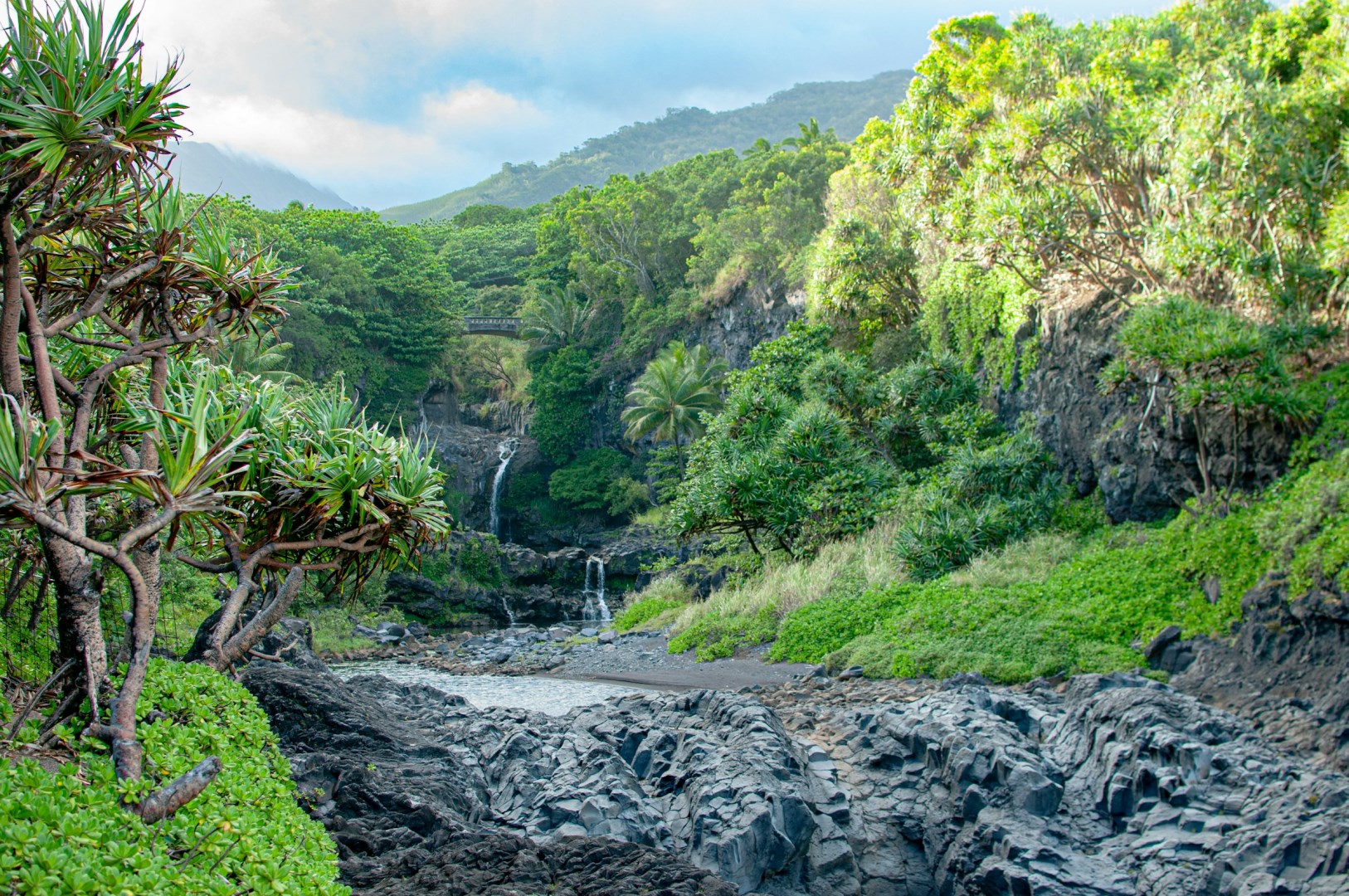
Haleakalā
Maui, both second youngest and second largest of the Hawaiian Islands, is home to the world's largest dormant volcano, Haleakala, meaning "House of the Sun." Last erupting about 200 years ago, it makes up the eastern end of the island. Maui was formed by volcanic activity from Haleakala on the east and the West Maui Mountains to the west. The connecting isthmus between the two spots was formed from joining lava from both and gives Maui its nickname, the Valley Isle.
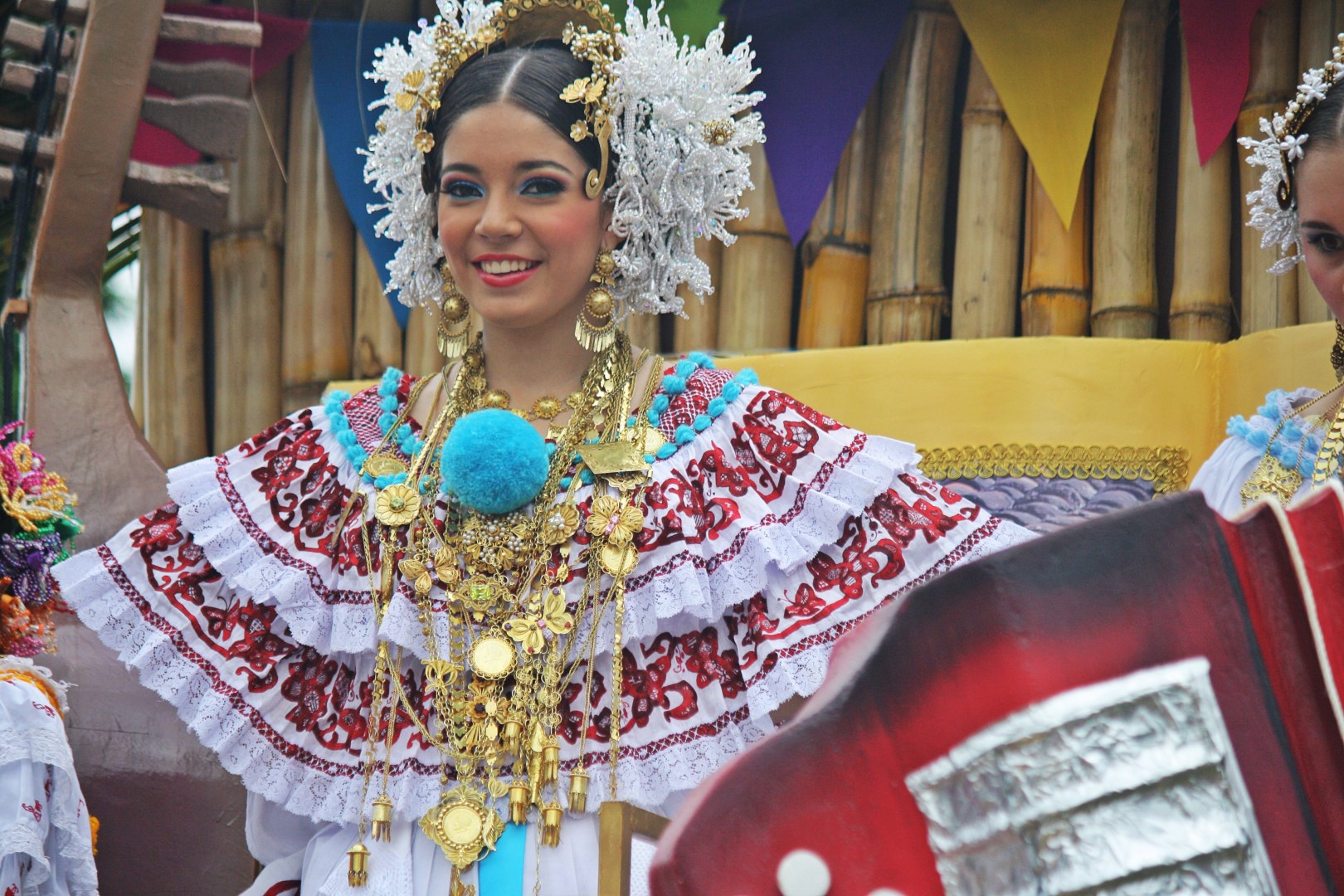
Chitre
Chitré is a city in central Panama, located on the Azuero Peninsula and serving as the capital of Herrera Province. The cultural identity of Chitré is closely tied to folkloric traditions that remain visible in clothing, music, and public celebrations.
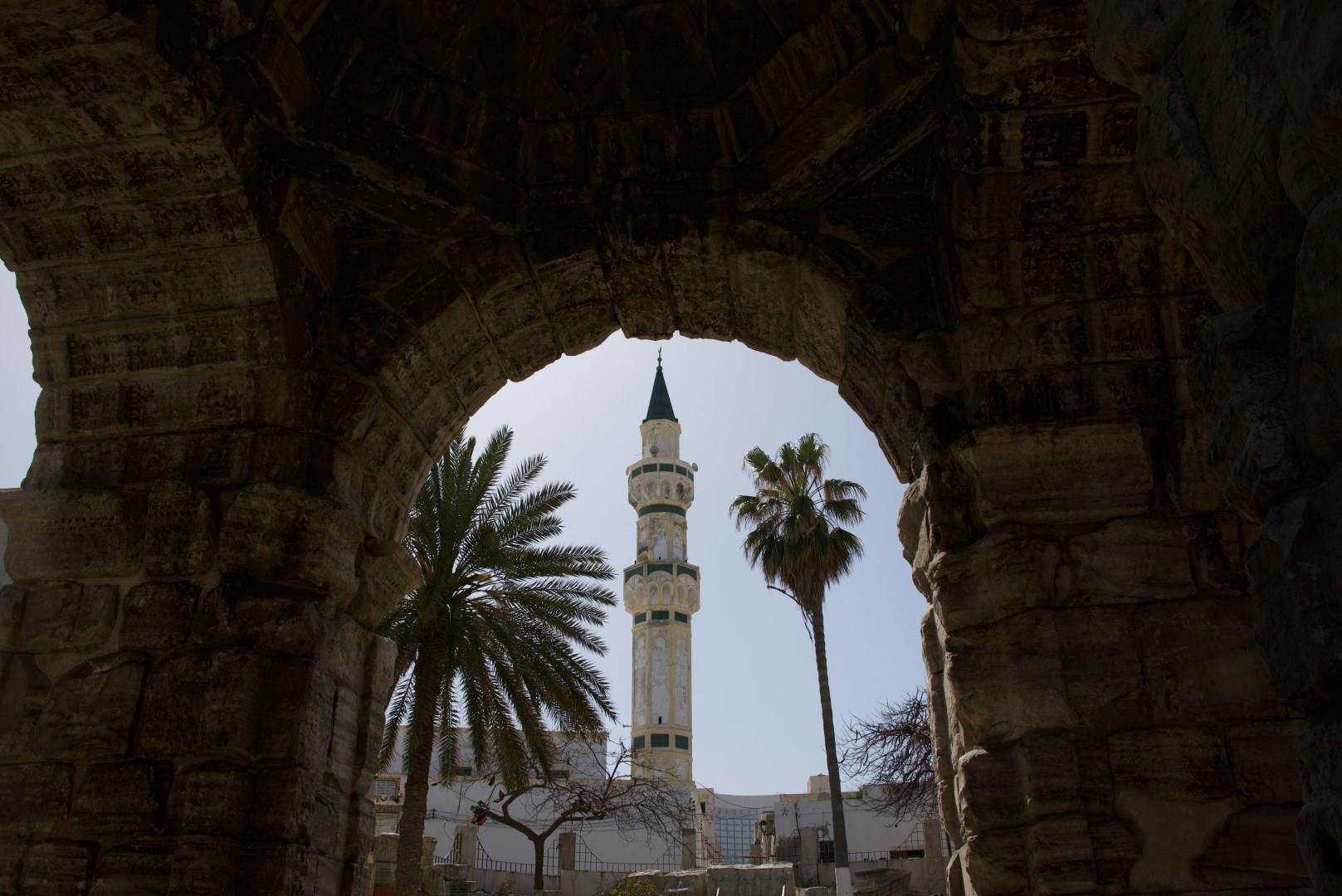
Tripoli
Tripoli, the capital city of Libya, sits on the country’s Mediterranean coast and serves as its political, economic, and cultural center.
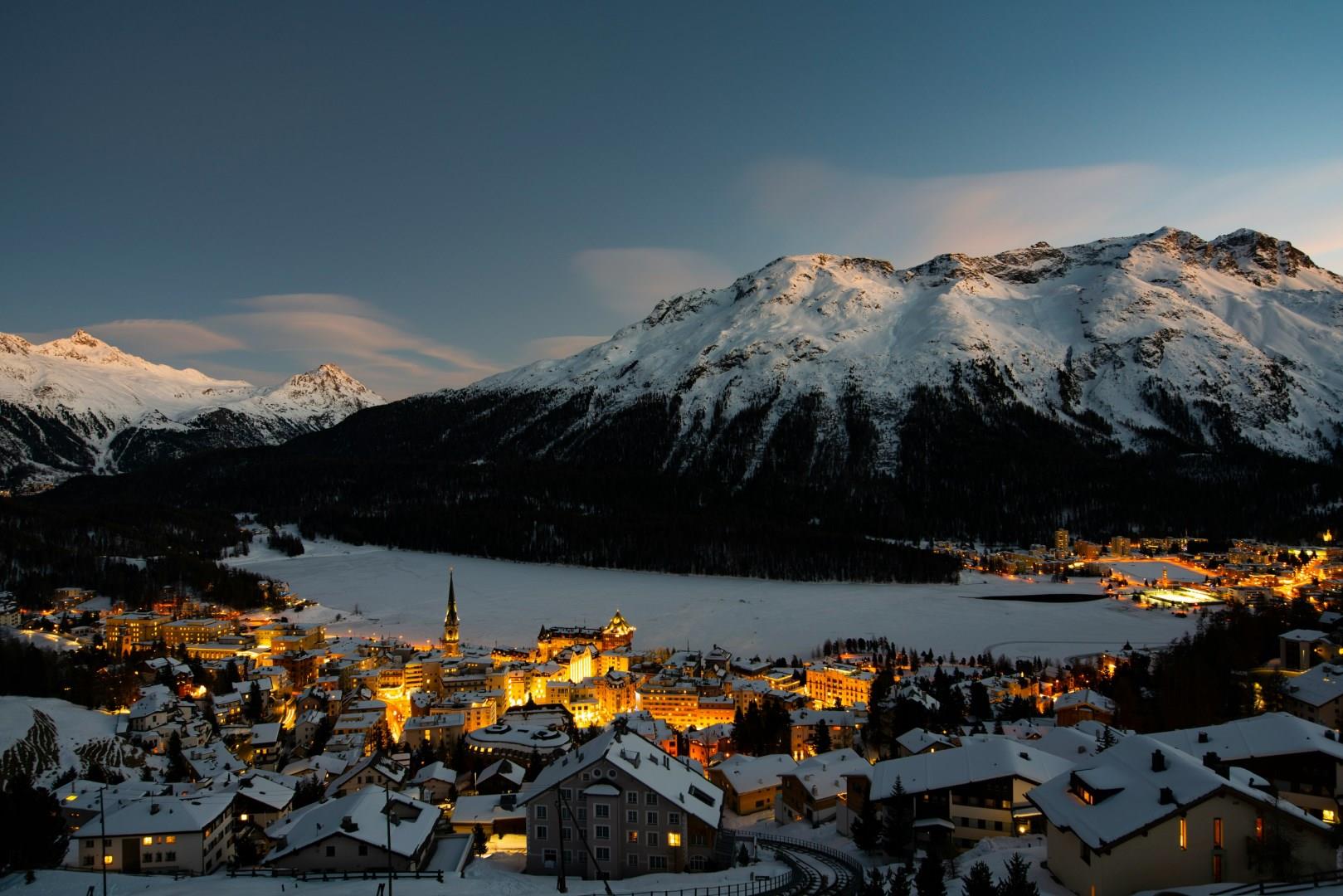
St. Moritz
St. Moritz, located in Switzerland’s Engadin Valley, has been attracting visitors for over 150 years, long before the term "alpine resort" became common. It was here in 1864 that winter tourism was born, when a hotelier made a wager with British guests that they would enjoy the snow just as much as the summer sun. They returned, and the rest is history. The town has since hosted the Winter Olympics twice (in 1928 and 1948) and remains a favorite for skiing, snowboarding, and ice sports.
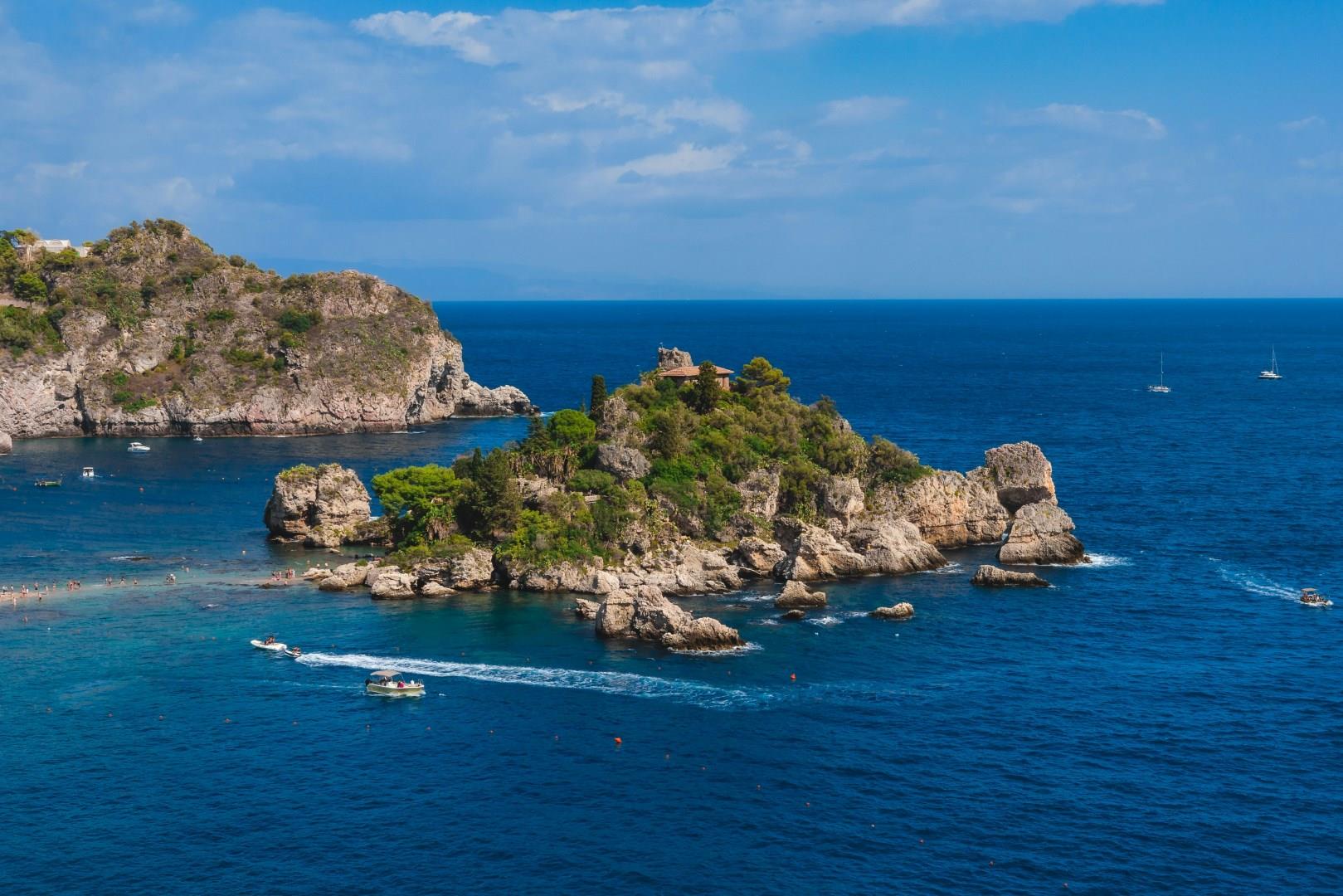
Isola Bella
Isola Bella sits on Lake Maggiore as part of the Borromean Islands, closely tied to the ambitions of the Borromeo family who reshaped the rocky outcrop in the 17th century.
