
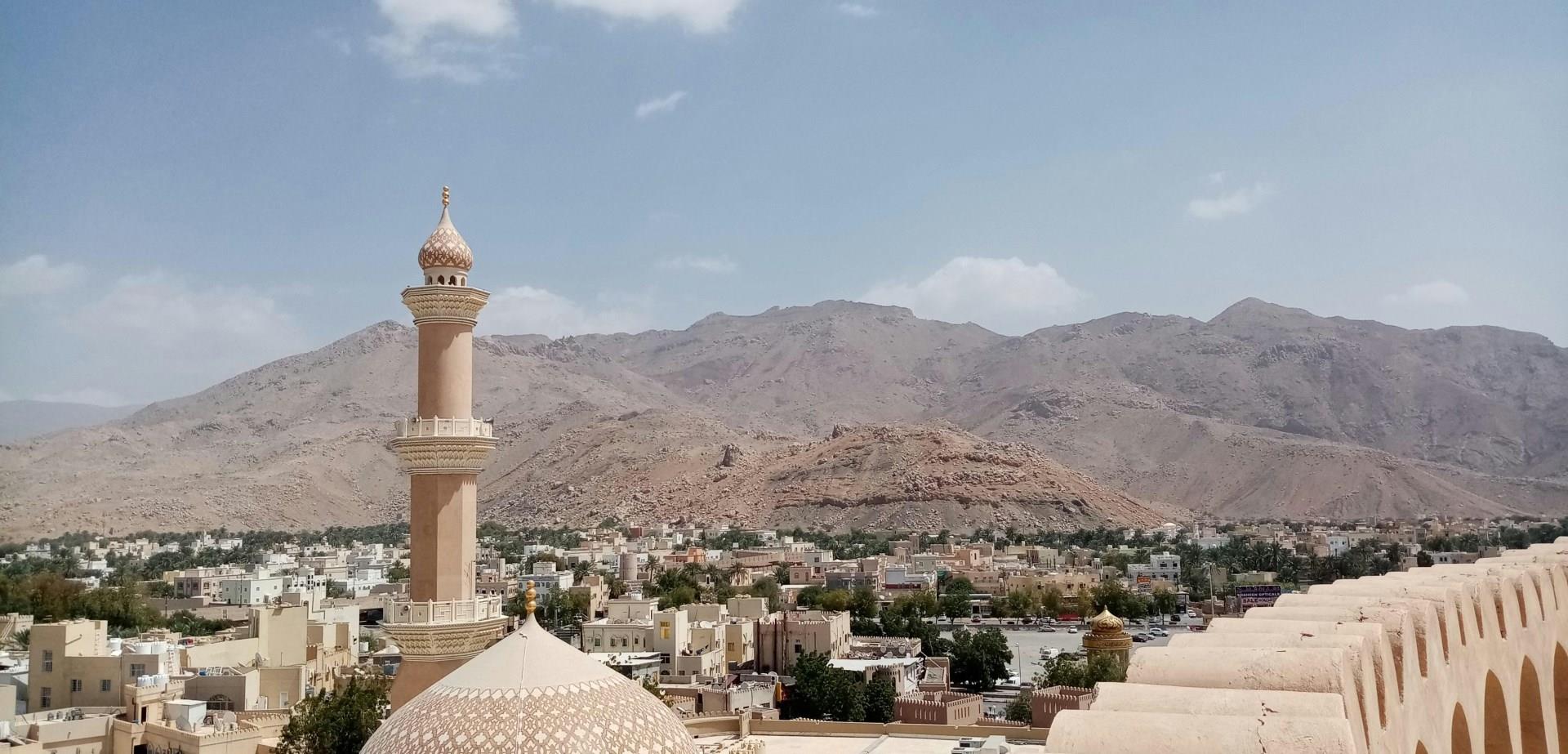
Nizwa
In the heart of Oman lies Nizwa, a city once considered the country’s capital and a hub of learning and trade. Its iconic round fort, built in the 17th century, remains one of Oman’s most visited landmarks.
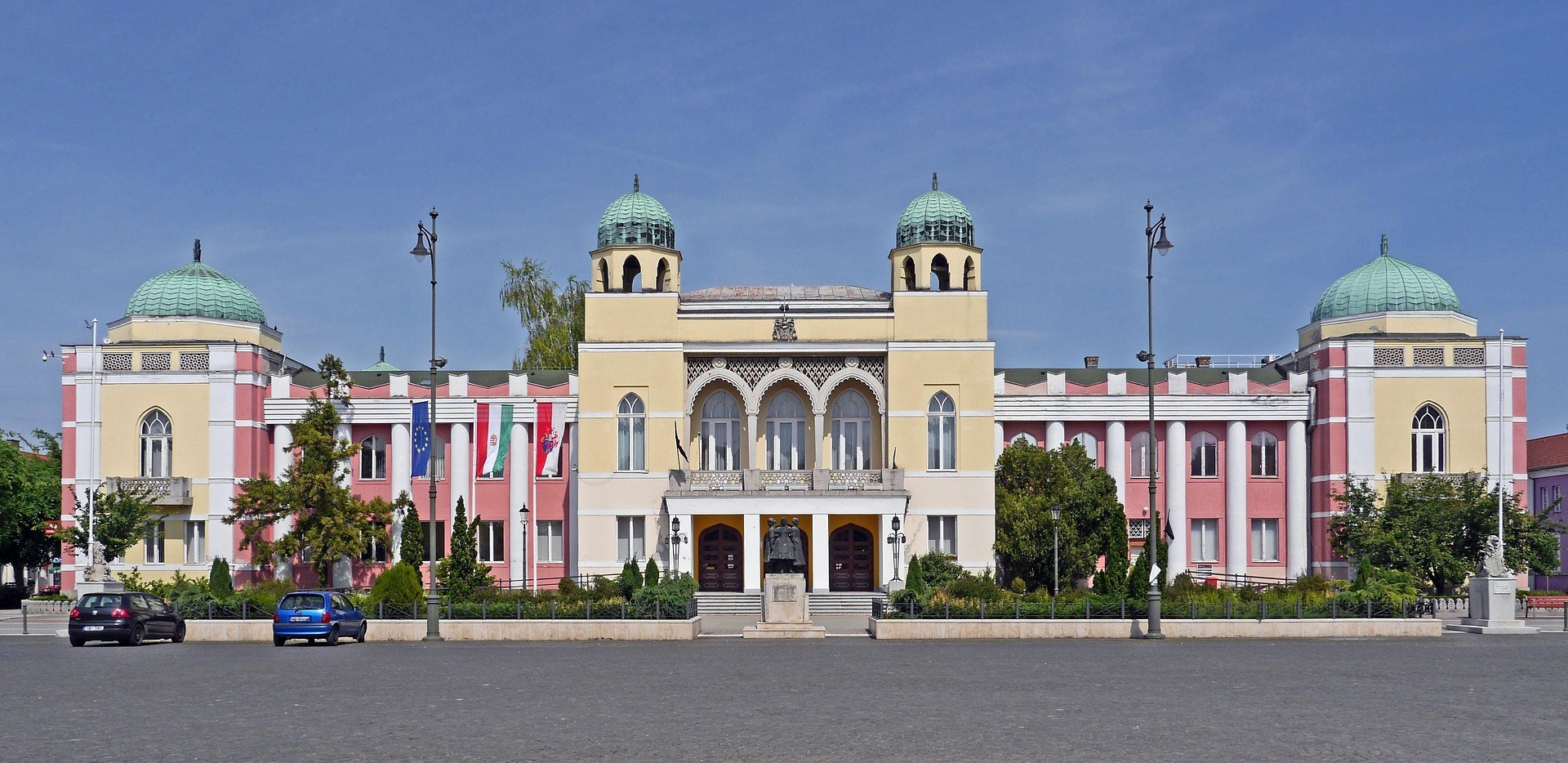
Mohács
Mohács is a Danube-side town in southern Hungary, close to the country’s border with Croatia. Its riverside setting has shaped local life, trade, agriculture, and recreation, while the town’s streets contain a mixture of traditional houses and distinctive public buildings. Mohács is especially associated with the Busó festivities, a masked end-of-winter carnival that has become the city’s defining cultural tradition.
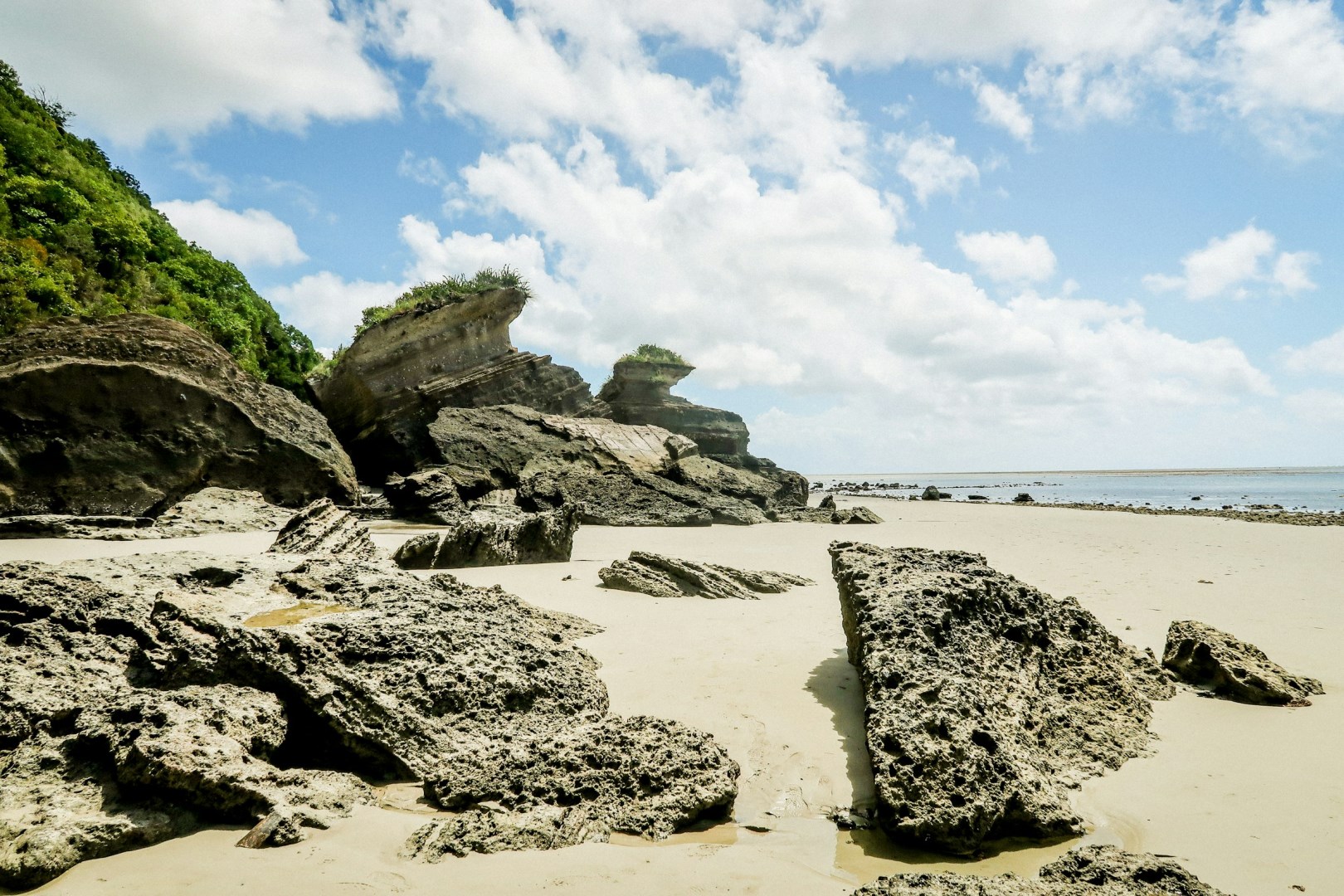
Mayotte
The southernmost island in the crescent-shaped Comoros archipelago. Encircled by a barrier reef, Mayotte is blessed with one of the world's perfect lagoons. In its lush forests, the fragrant yellow flowers of the ylang-ylang tree are picked to extract their perfumed oil. Against a backdrop of waterfalls and volcanic peaks on Mayotte, there is a feeling of rural tranquility.
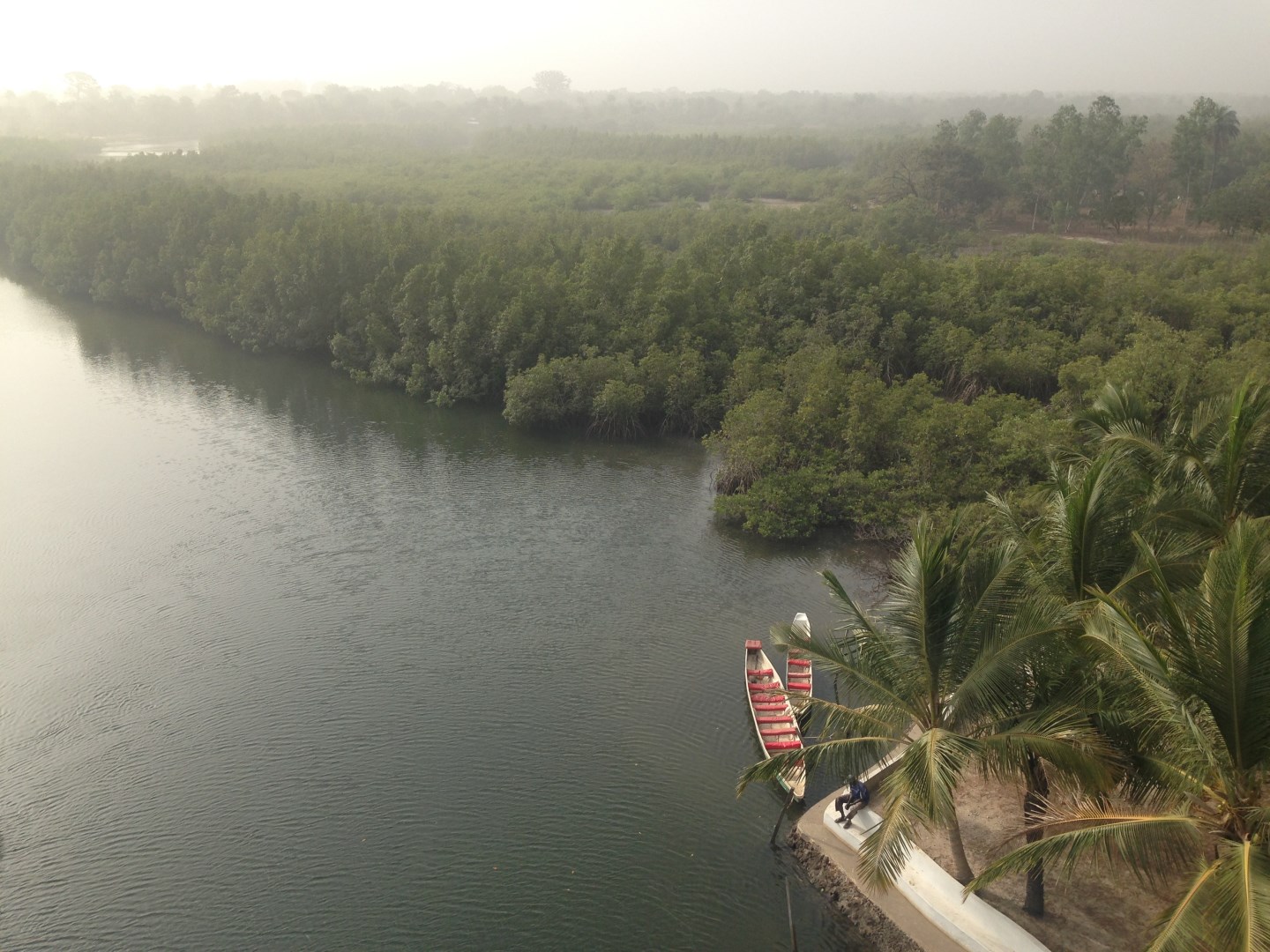
Makasutu Culture Forest
Explore palm forests, mangrove creeks and savanna while discovering the wildlife and cultural traditions of The Gambia.

Puno
Situated on the shore of Lake Titicaca, Puno is referred to as the folkloric capital of Peru due to its artistic and cultural expressions, particularly dance. Notable landmarks include the Andean baroque-style Puno Cathedral and the Yavari, a 19th-century steamship. Products created from alpaca, llama, or sheep wool are a signature of the area, as well as musical instruments like the siku.
