

Ankara
Ankara, the capital of Turkey, sits on the Anatolian plateau and reflects the country’s layered history more quietly than Istanbul, yet with equal depth. Once an important settlement for the Hittites, Phrygians, Romans, and Byzantines, Ankara rose to national prominence in the 20th century when Mustafa Kemal Atatürk chose it as the heart of the modern Turkish Republic. Today, it functions as Turkey’s political center while preserving traces of its ancient and Ottoman past.

Washington D.C.
Washington, D.C., the vibrant capital of the United States, offers a perfect blend of history, politics, and culture that makes it a must-visit destination for travelers. Known for its iconic landmarks, such as the Lincoln Memorial, the Washington Monument, and the U.S. Capitol, D.C. offers endless opportunities to explore the country’s history through its architecture and museums.
Izamal
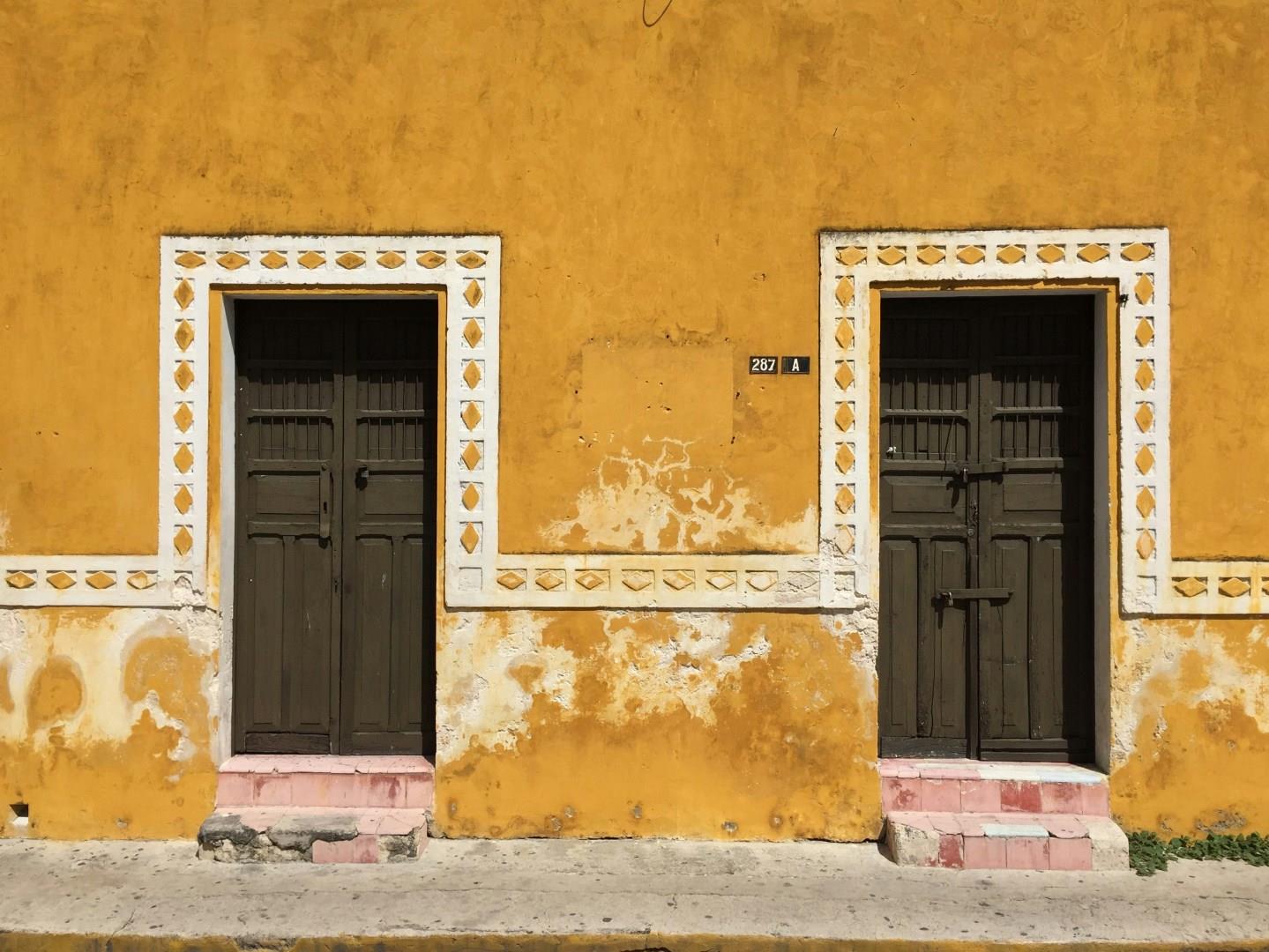
Izamal, located in the heart of Yucatán, stands out as a city where centuries of history are layered in plain sight. Known as the “City of Three Cultures,” it combines ancient Maya ruins, Spanish colonial architecture, and modern-day Yucatecan life. One of the most striking features of Izamal is its golden-yellow buildings, painted this distinctive color in honor of Pope John Paul II’s visit in 1993.

Niagara Falls
Niagara Falls, Canada, is a destination that captures the imagination with its breathtaking natural beauty and vibrant atmosphere. Straddling the border between Canada and the United States, Niagara Falls is a world-renowned wonder that consists of three powerful waterfalls: the Horseshoe Falls, the American Falls, and the Bridal Veil Falls. The Canadian side is famous for offering the most spectacular views of these cascading waters.
Dammam
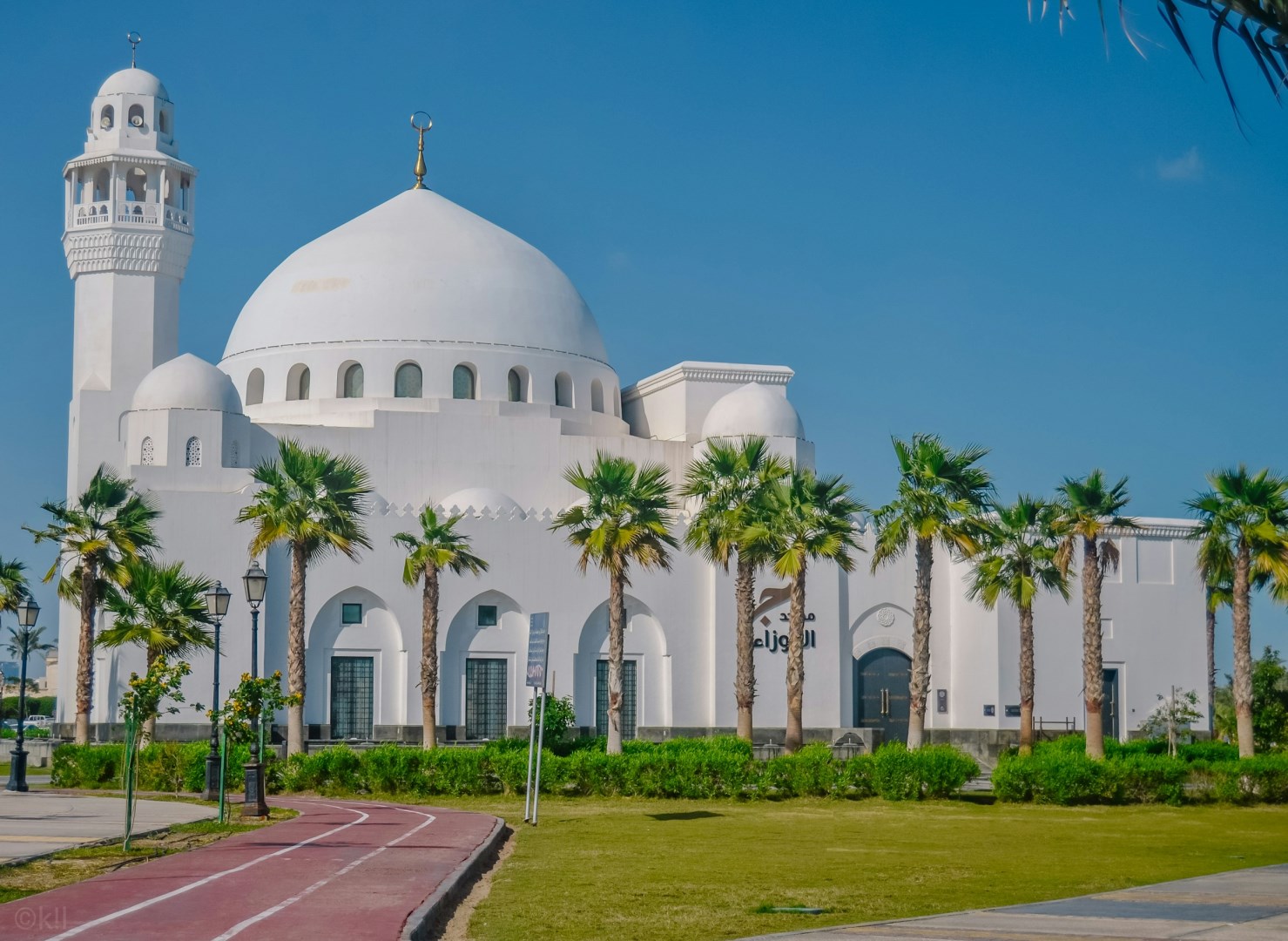
Dammam, the capital of Saudi Arabia’s Eastern Province, stands as a vibrant coastal city overlooking the tranquil waters of the Arabian Gulf. Once a modest fishing village, it has transformed into a major commercial and industrial hub, central to the Kingdom’s oil industry and maritime trade.
