
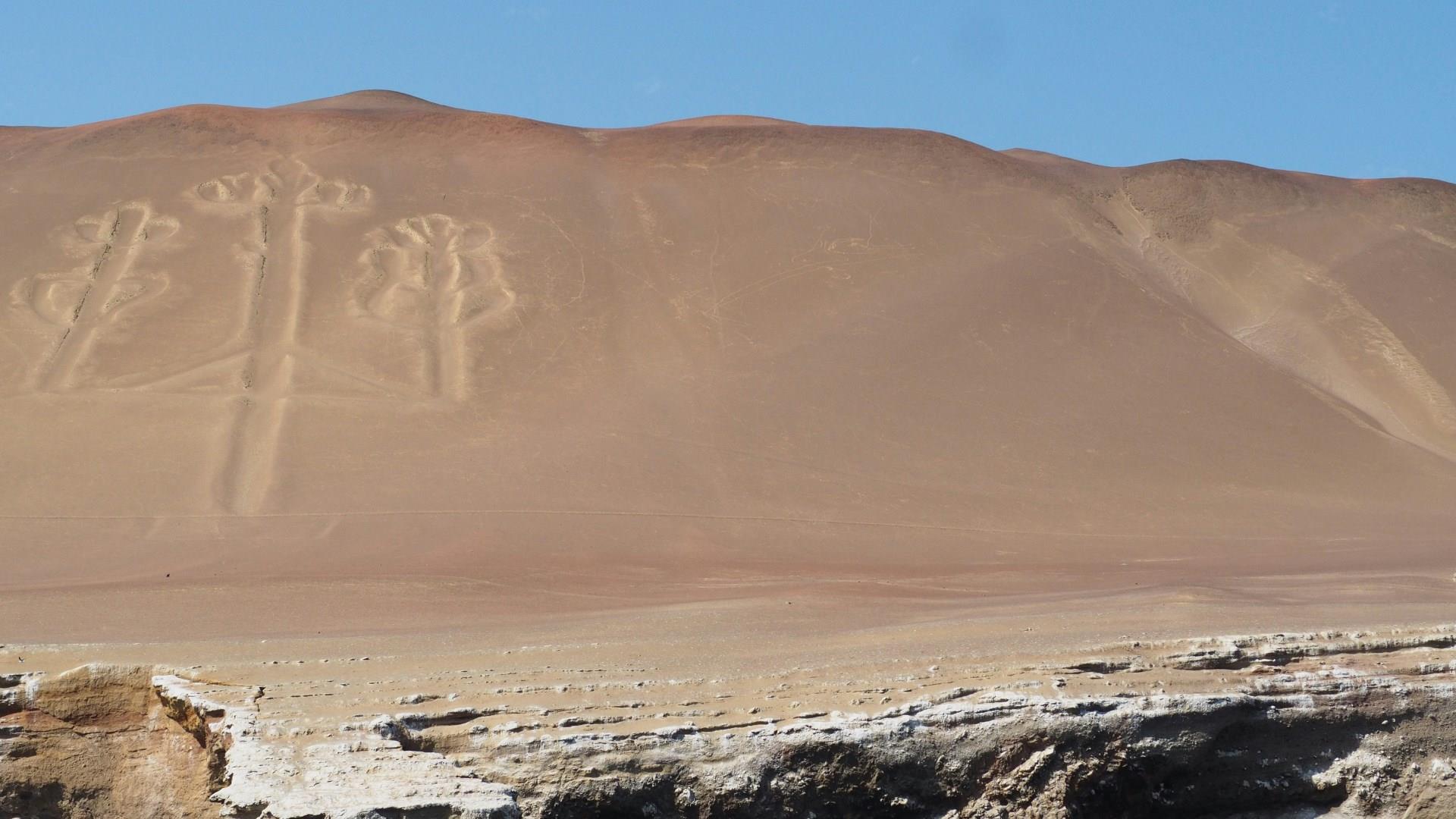
Paracas
Paracas, a small coastal town in southern Peru, offers a mix of desert landscapes, marine wildlife, and ancient history. Just three hours from Lima, it’s the gateway to the Paracas National Reserve, one of the country’s most important protected areas. This reserve includes both land and sea, making it home to dramatic cliffs, wind-carved rock formations, and waters where dolphins, sea lions, and Humboldt penguins are frequently seen.
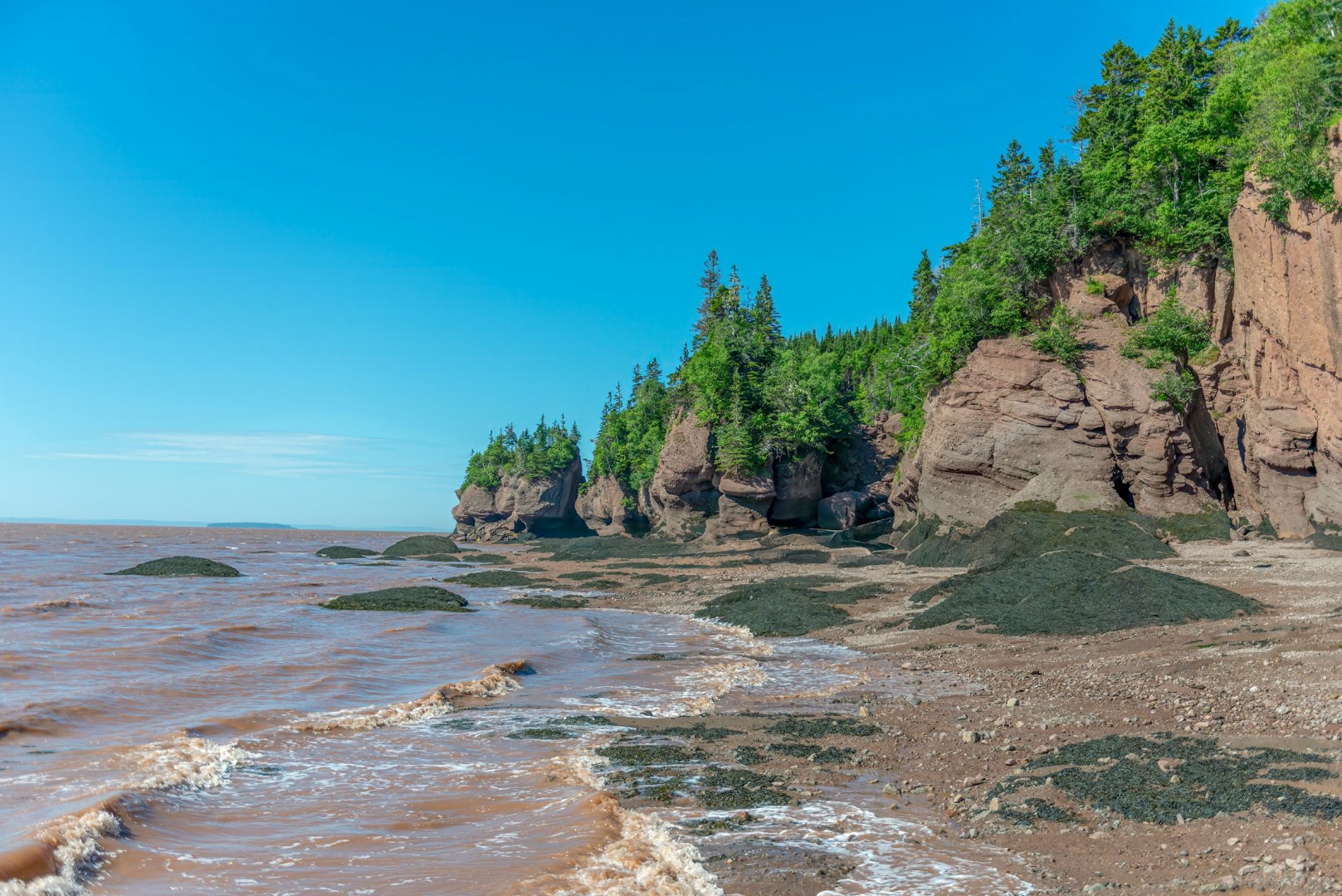
Fundy National Park
Fundy National Park is located along the Bay of Fundy coast in southeastern New Brunswick, where forested hills meet one of the world’s most pronounced tidal environments. The park protects a varied landscape of coastal cliffs, salt marshes, dense Acadian forest, lakes, and river valleys. Its shoreline experiences dramatic changes in water level as the Bay of Fundy’s tides move in and out. T
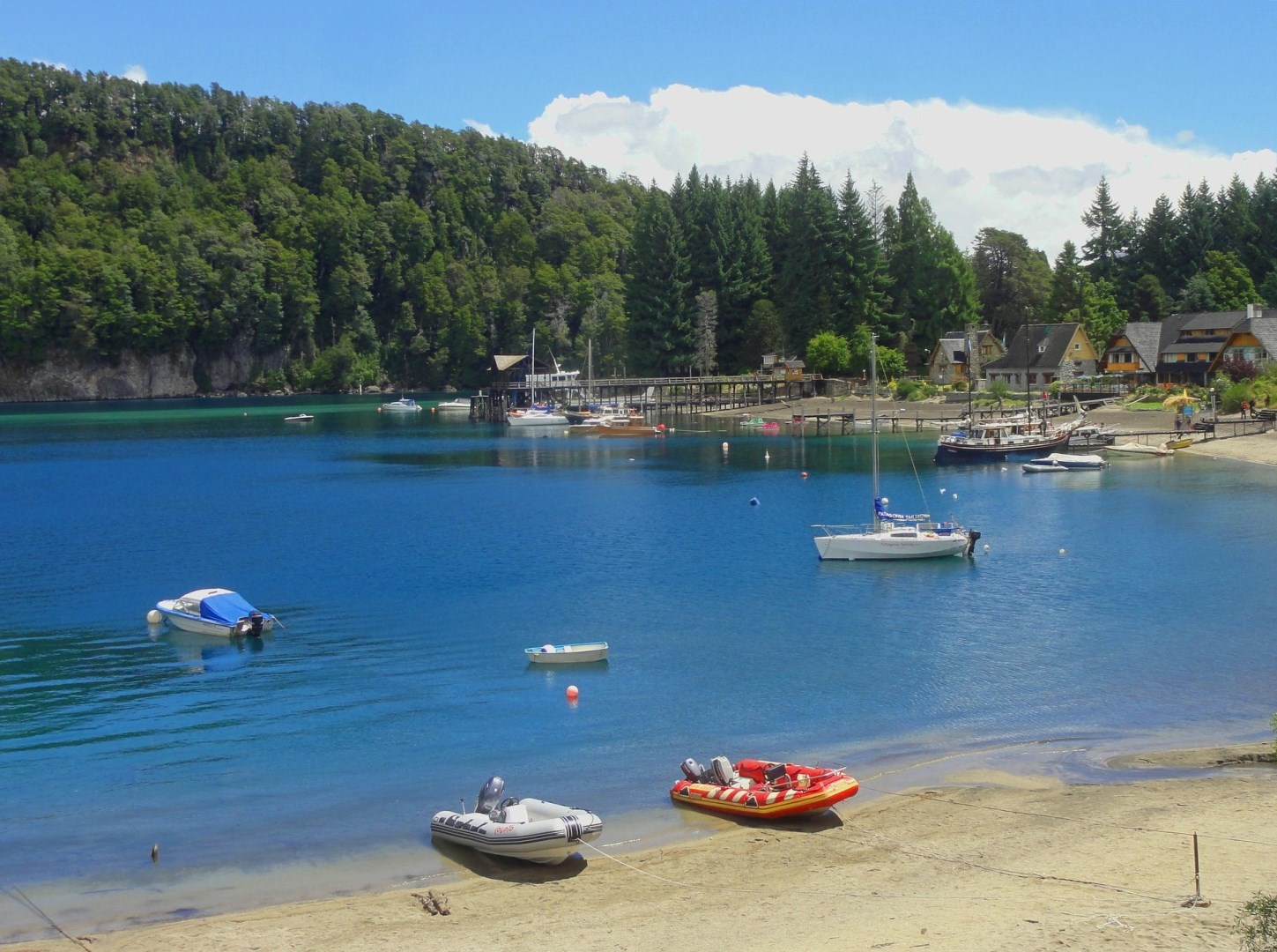
Neuquén
Province of Neuquen, Argentina is located near the Andes Mountains. It has attractive and wild scenery, virgin land, and lots of natural non-contaminated water springs. Its vegetation consists of small shrubs and Pampa grass. Various forms of wildlife can also be seen here such as ostriches, gray and red foxes, Patagonian Hares called "Maras" and many species of birds.
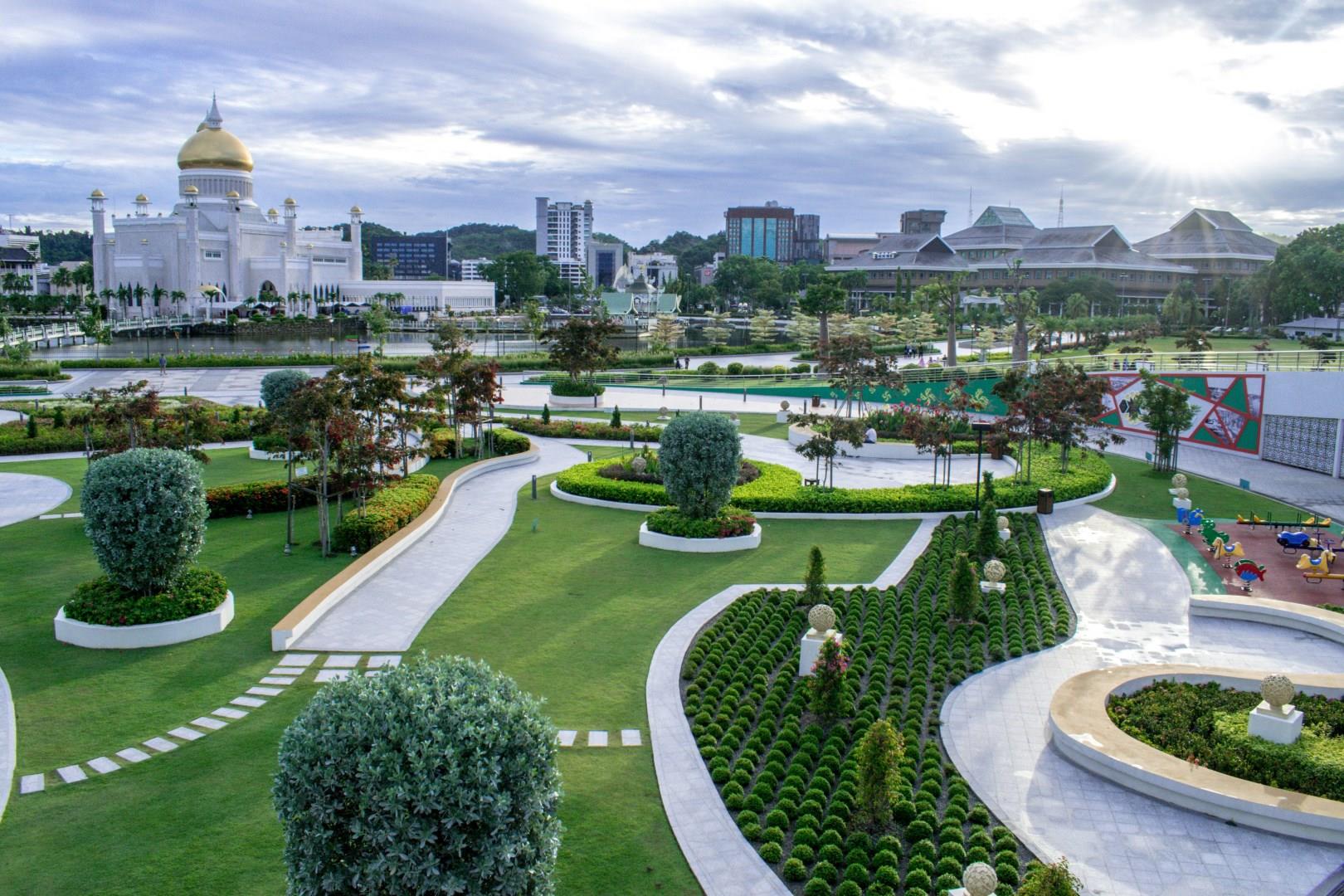
Brunei
Brunei is a small country on the island of Borneo known for its wealth, tropical rainforests, and rich cultural heritage. The country’s landscapes are a mix of dense jungles, rivers, and coastal mangroves, offering a peaceful environment where nature remains largely intact.
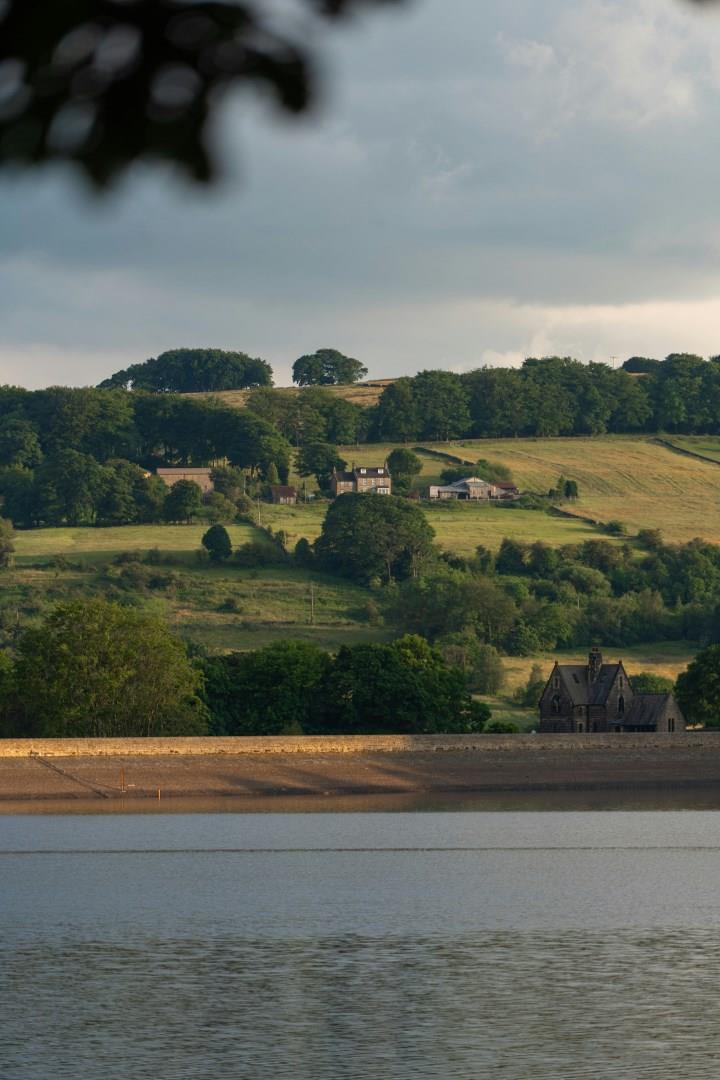
Sheffield
Sheffield, once the global heart of the steel industry, has evolved into a city where industrial heritage meets green landscapes and a growing creative scene. Known historically for innovations like stainless steel, Sheffield still celebrates its roots at sites like the Kelham Island Museum, where restored machinery and interactive exhibits tell the story of the city’s engineering legacy.
