

Santiago
Flanked by the Chilean Coast Range and the snowy Andes, Chile's largest metropolis offers a dazzling array of sights and attractions for visitors to pursue. Mirrored skyscrapers, 16th-century churches, hip cafes, dance clubs... and did we mention the delicious Chilean cuisine?
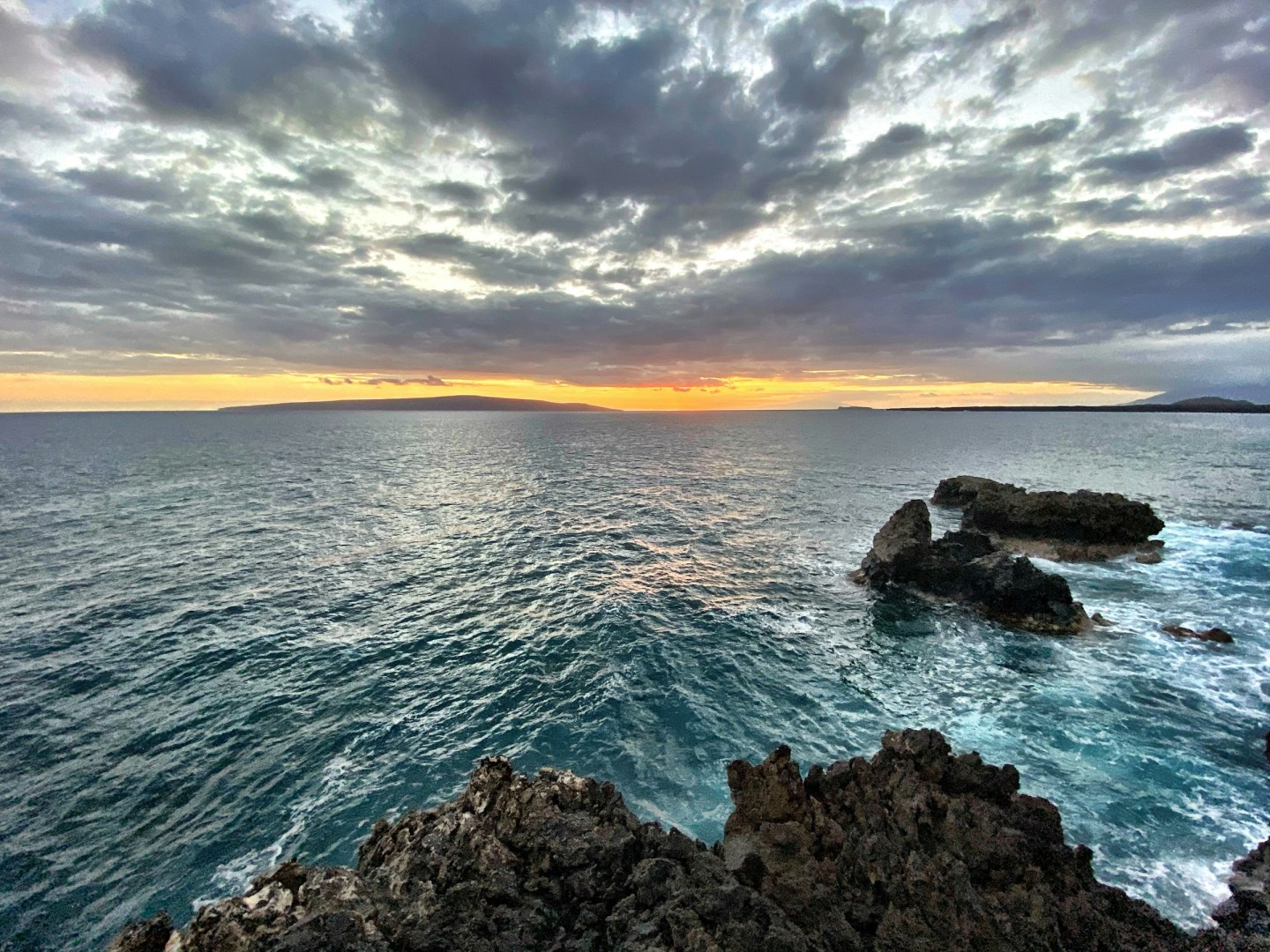
Makena, Maui
The Makena area has one of the most beautiful shorelines in South Maui, it is also home to a world class golf course and some of the major resorts on Maui. Makena is also adjacent to one of the more remote areas of Maui, the La Perouse Bay are, the end of the road for the South side.
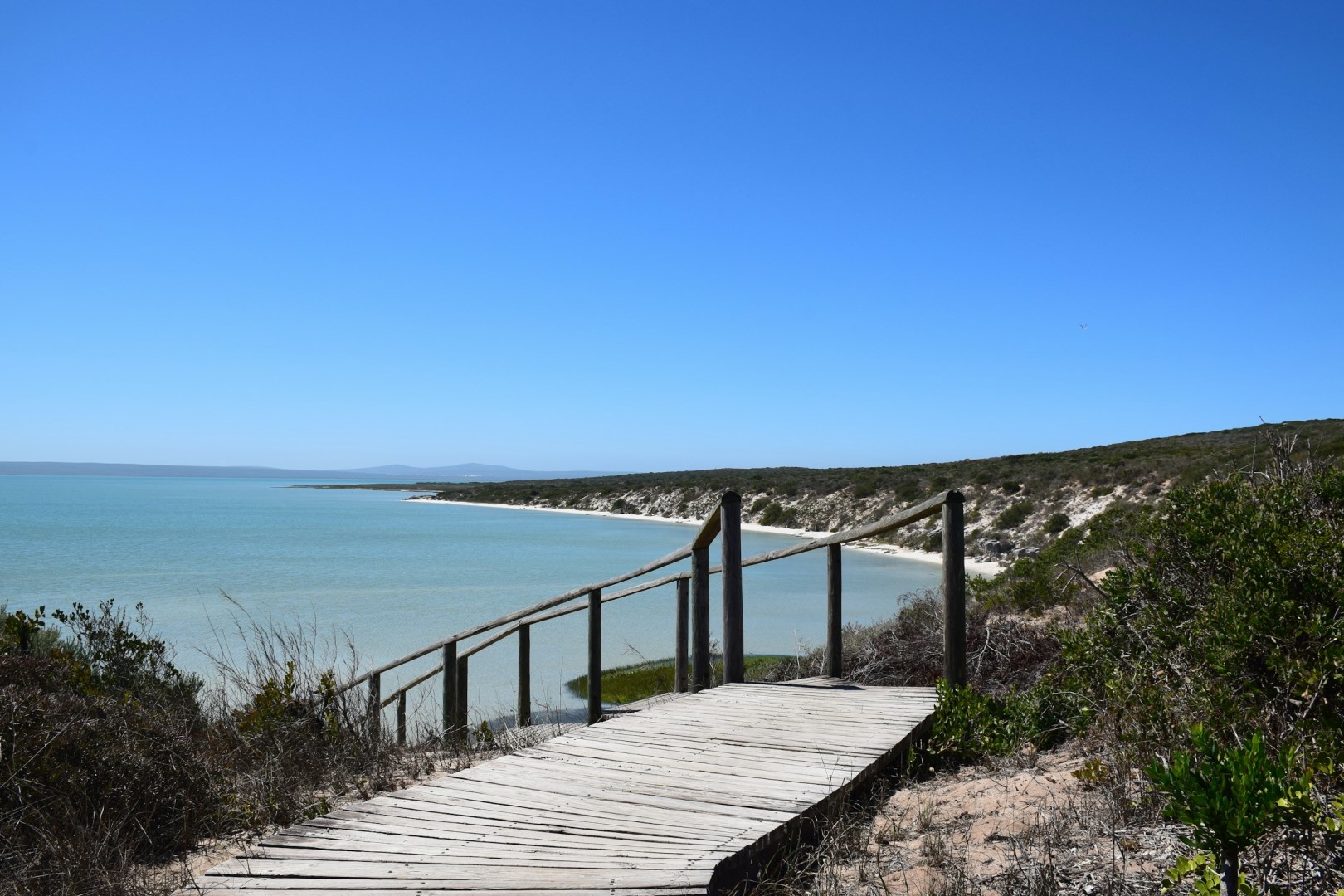
Langebaan
Langebaan is a coastal town in South Africa’s Western Cape, set along the eastern shore of Langebaan Lagoon about 120 kilometres north of Cape Town.
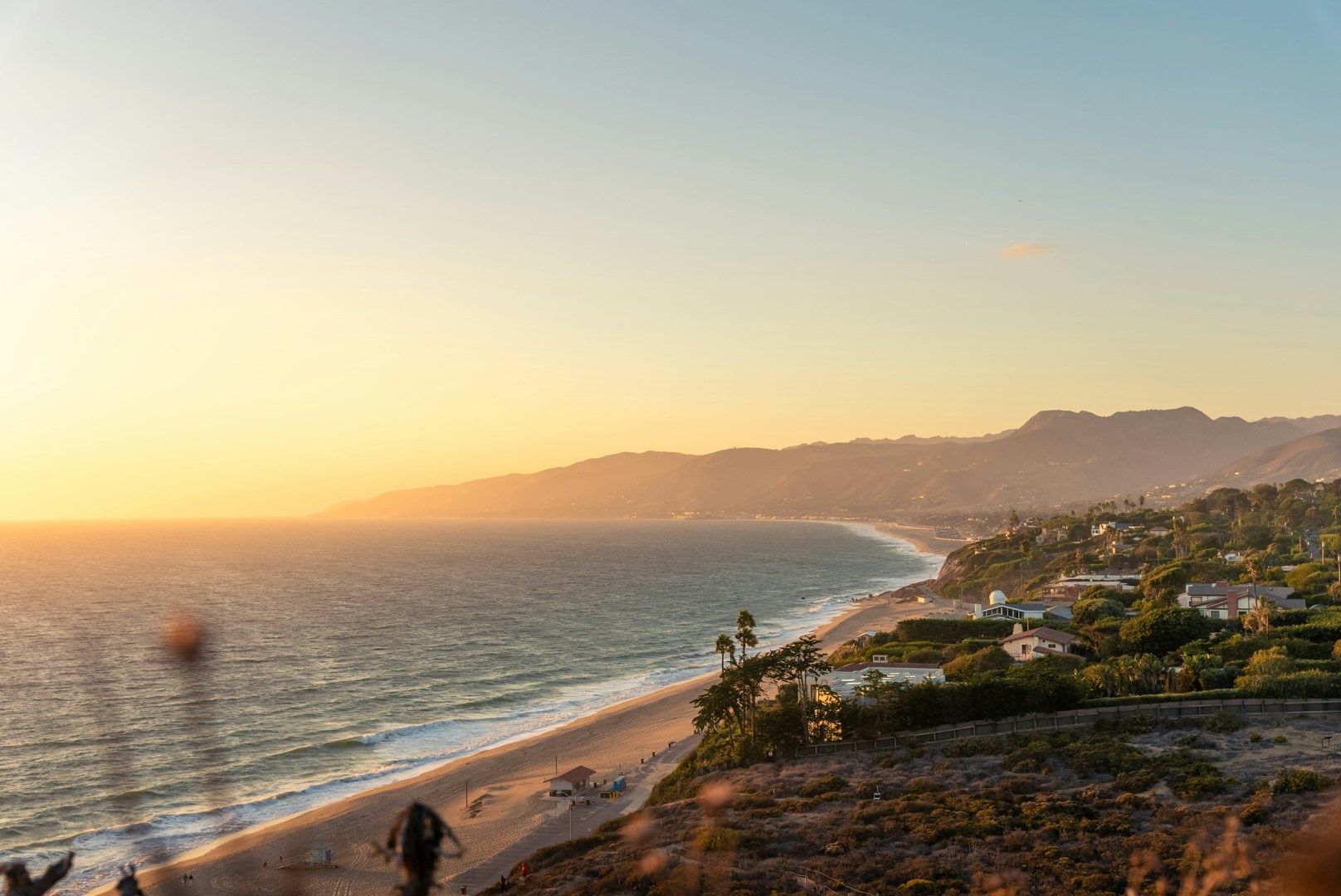
Malibu
Malibu is a coastal city in Southern California, stretching along the Pacific Ocean west of Los Angeles. The community is set between the Santa Monica Mountains and a long, irregular coastline of sandy beaches, rocky coves, sea cliffs, and offshore waters. Much of Malibu remains relatively low-density, with homes and roads following the narrow coastal strip between the mountains and ocean.
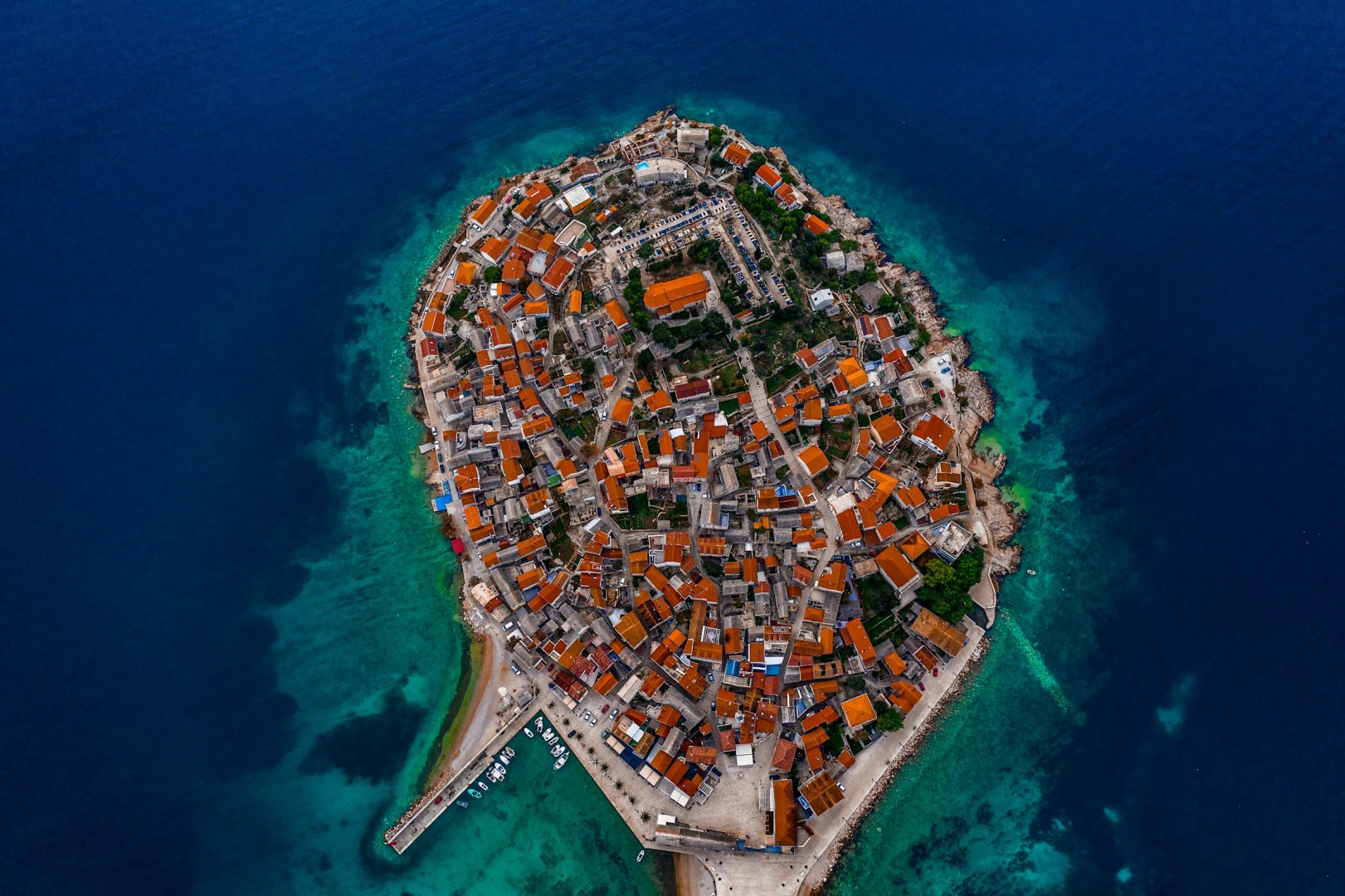
Primosten
Situated in Croatia between the cities of Sibenik and Trogir on the Adriatic coast, the small town of Primosten was once an islet connected to the mainland by a bridge, replaced by a causeway around the 17th century. Its name is derived from the Croatian verb primostiti meaning "to bridge".
