
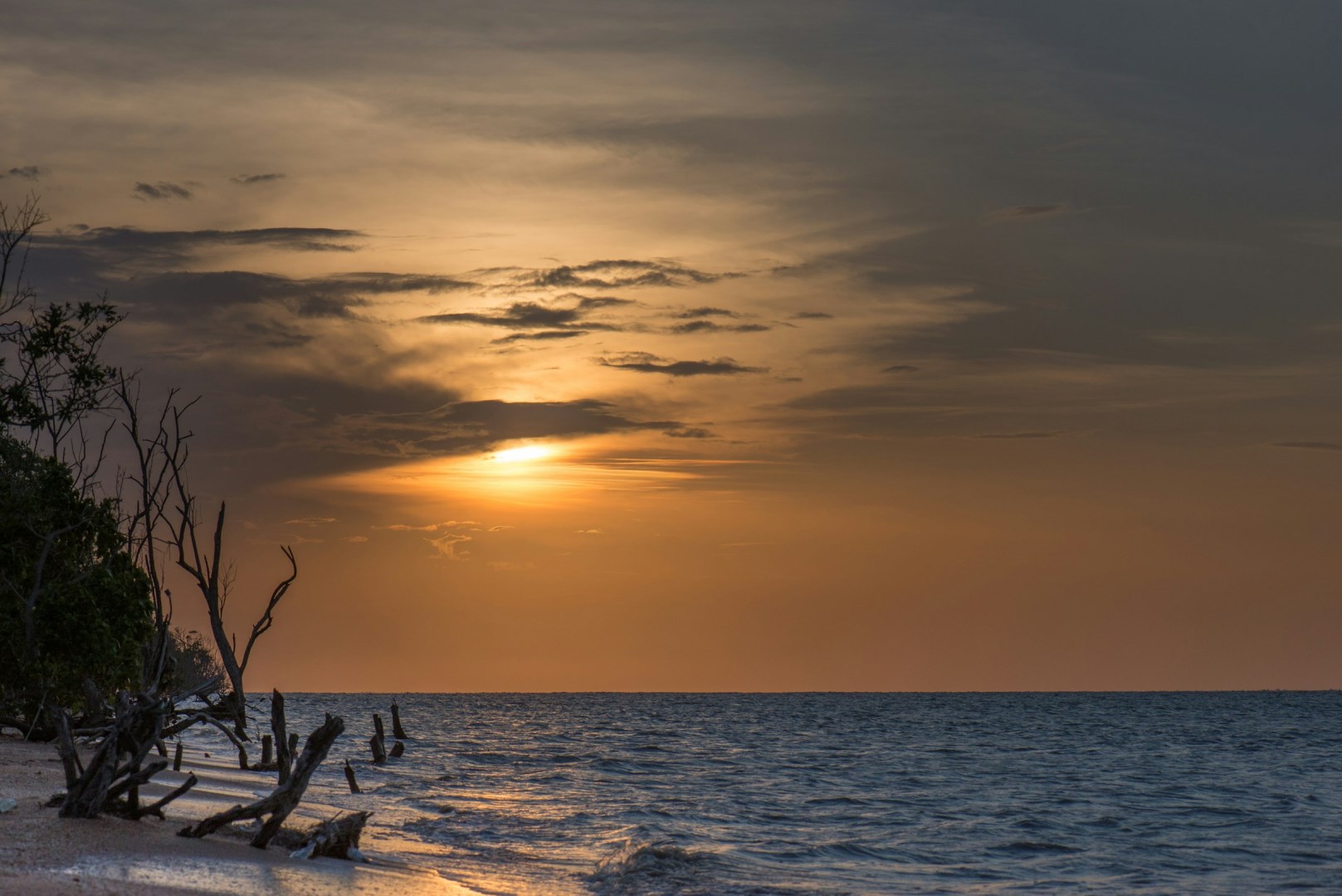
Suriname
Suriname’s forests cover more than nine‑tenths of the country and house an astounding array of wildlife. The Central Suriname Nature Reserve, one of the largest rainforest sanctuaries on Earth, shelters jaguars, giant river otters, and hundreds of bird species. Nearer the capital, Brownsberg Nature Park offers forest trails and waterfalls amid 1,450 plant and 350 bird species, just a short drive from Paramaribo.

Dominica
Dominica, known as the “Nature Island of the Caribbean,” is a haven for eco-tourists and adventure seekers. Nestled between the French islands of Guadeloupe and Martinique, this lush island boasts a remarkable landscape of volcanic mountains, dense rainforests, and stunning waterfalls. Dominica’s most iconic natural wonder is the Boiling Lake, the second-largest hot spring in the world.

Nuremberg
Nuremberg is Bavaria’s second-largest city and for centuries was the undeclared capital of the Holy Roman Empire. There is plenty to do and see, starting with picturesque charm of the Old Town, situated at the foot of the Kaiserburg.

Cancún
Cancún sits on the northeastern tip of Mexico’s Yucatán Peninsula, where the Caribbean Sea meets a narrow stretch of sand shaped by ancient Maya trade routes and modern development. While widely known as a resort destination, Cancún’s roots trace back to a quiet fishing area near important pre-Hispanic sites, with nearby Isla Mujeres and the mainland serving as part of a broader coastal network connected to inland Maya cities.
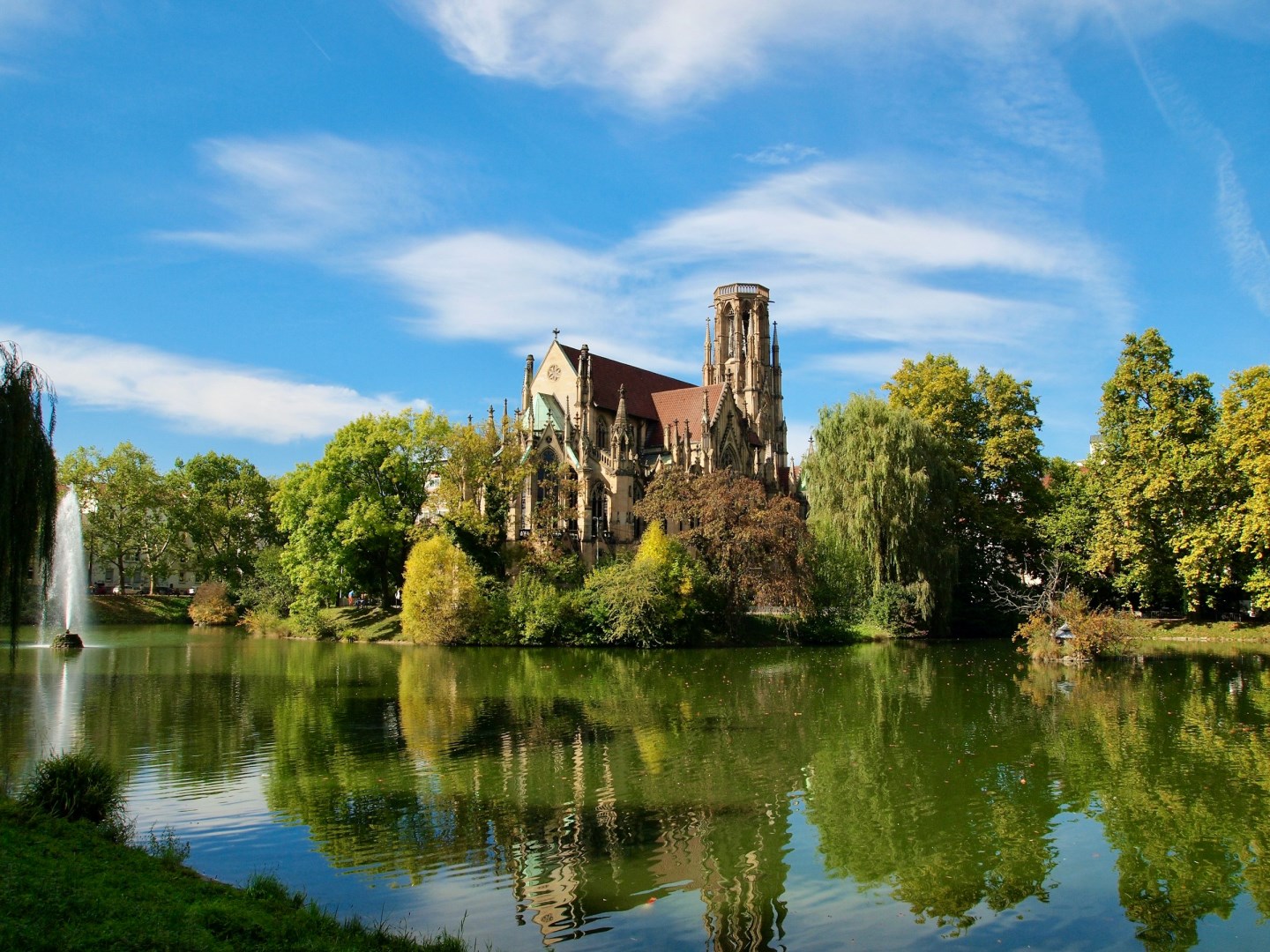
Stuttgart
Stuttgart, the capital of Baden-Württemberg in southwestern Germany, is a city celebrated for its automotive heritage, green spaces, and cultural vibrancy. Nestled in a valley surrounded by vineyards and gentle hills, Stuttgart balances modern industry with historical charm.
