
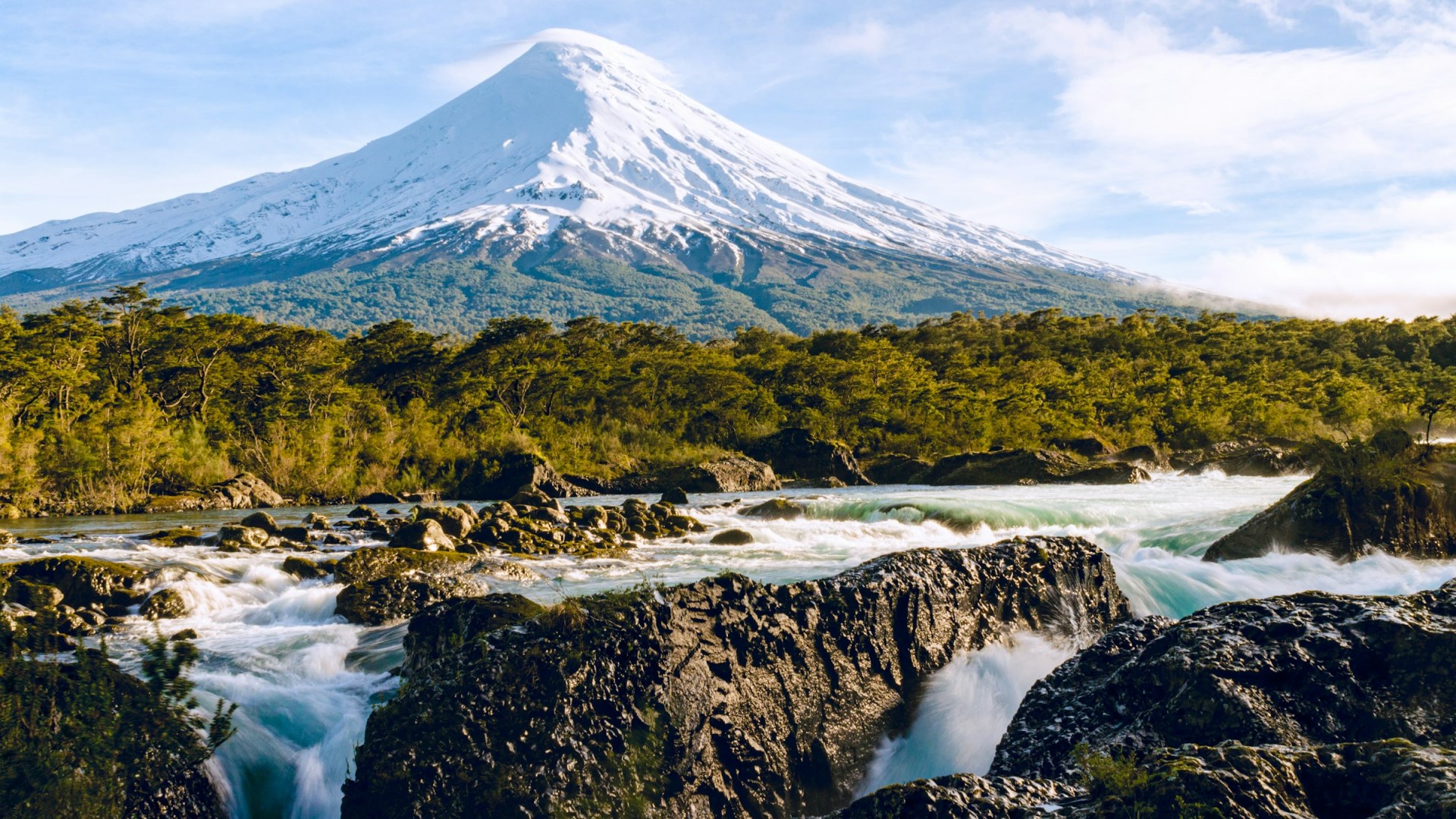
Puerto Varas
Puerto Varas is a lakeside city in Chile’s Los Lagos Region, set on the southern shore of Lake Llanquihue with views toward the volcanoes Osorno, Calbuco, Puntiagudo, and Tronador. The waterfront, with its promenade and gardens, forms the center of the city’s relationship with the lake, while wooded hills and agricultural land extend beyond the urban area.
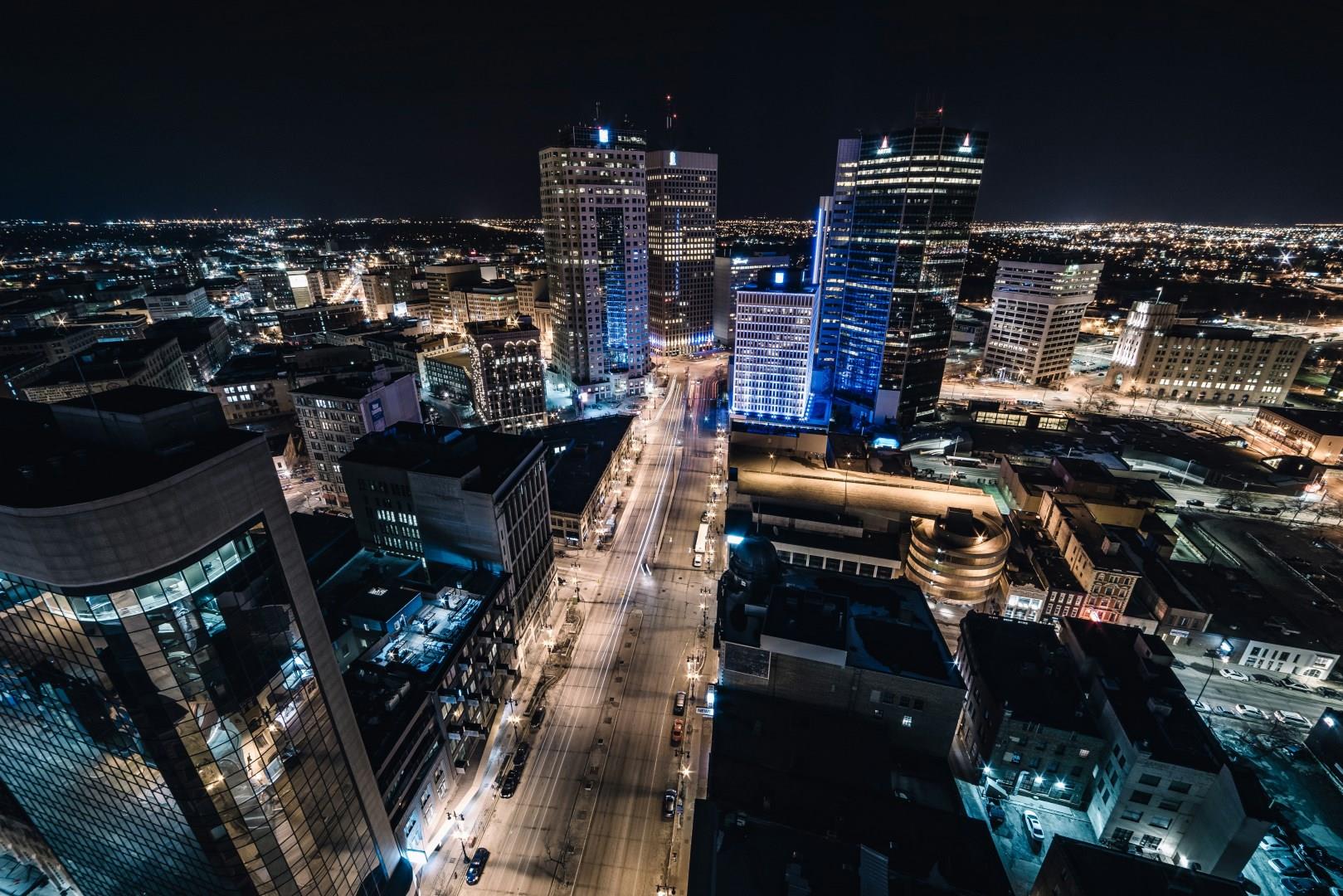
Winnipeg
Winnipeg sits at the meeting point of the Red and Assiniboine rivers, a location that has shaped its role as a gathering place for thousands of years. Long before it became a modern city, the area was central to Indigenous trade networks, a legacy that remains visible today through institutions like The Forks and the Canadian Museum for Human Rights.
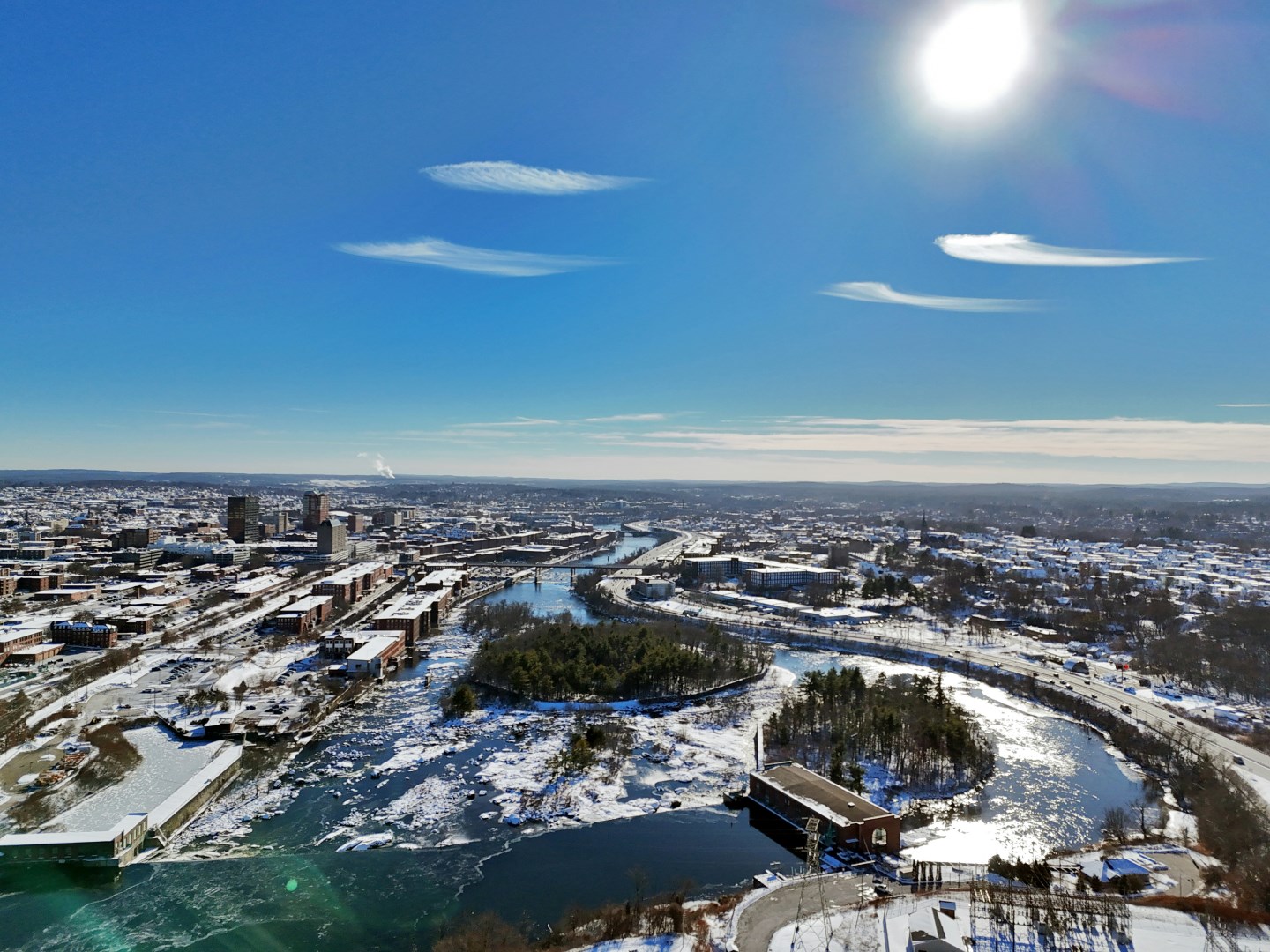
Manchester
Manchester, New Hampshire, is a city where history and modern life intersect along the banks of the Merrimack River. Once a hub for textile mills, the city’s industrial roots are still visible in renovated brick buildings and restored warehouses that now house shops, offices, and restaurants. The riverfront provides scenic walks and public spaces that highlight both the city’s industrial past and its present-day urban life.
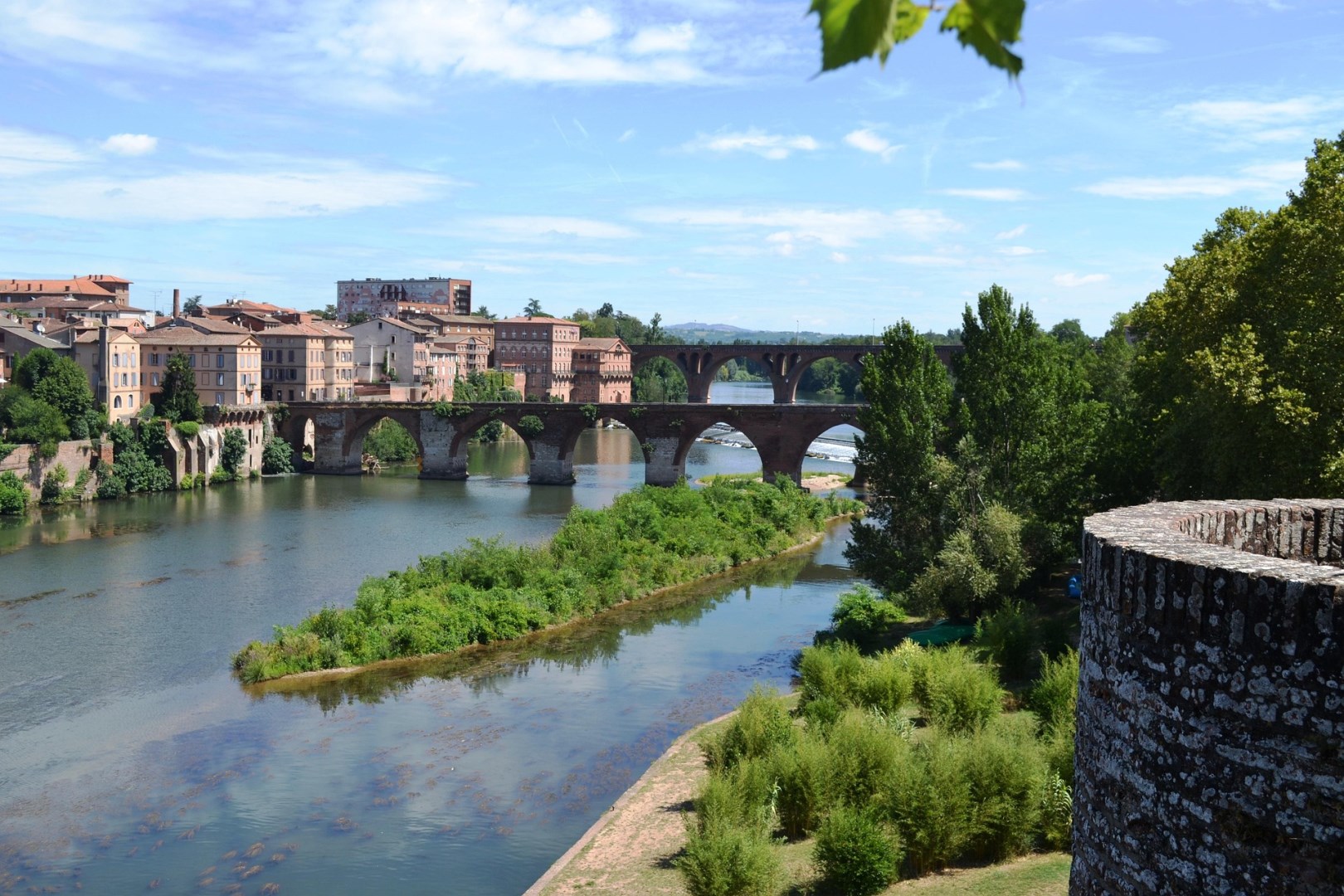
Albi
Albi is a city on the River Tarn in southwestern France, known for its distinctive red-brick architecture and compact historic centre. Its Episcopal City, a UNESCO World Heritage Site, brings together the imposing Sainte-Cécile Cathedral, the former Berbie Palace, the Saint-Salvi quarter, and the Pont-Vieux. The city is often called “Albi la rouge” because of the warm tones of its brick buildings.

Montreux
Spectacularly picturesque, Montreux is situated on the shore of Lake Geneva and one of Switzerland's most popular resort destinations. Montreux is best known for stunning lakeside views, upscale hotels, an annual jazz festival, and the magnificent Château de Chillon, the medieval castle which inspired the writings of many Romantic era poets.
