
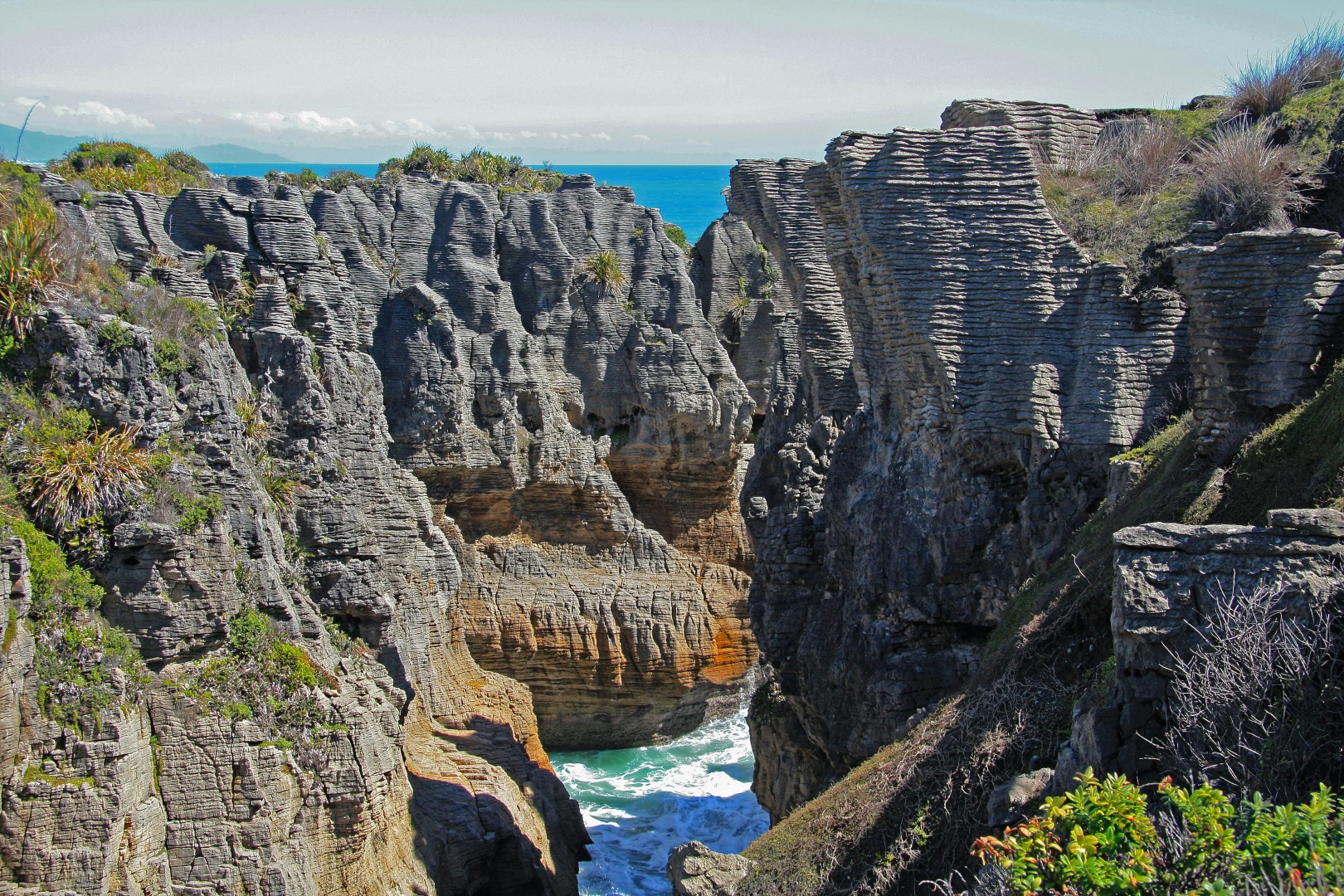
Punakaiki
Punakaiki is a small coastal settlement on New Zealand’s South Island, located along the rugged West Coast within Paparoa National Park. It is widely recognized for its distinctive limestone formations and its position between dense rainforest and the Tasman Sea.

Tracy Arm
Tracy Arm, Alaska, is a breathtaking fjord nestled within the Tongass National Forest, offering a pristine wilderness experience unlike any other. Known for its towering cliffs, majestic waterfalls, and awe-inspiring glaciers, this natural wonder is a must-see for nature lovers and adventurers alike. As you cruise through the narrow, winding waterway, you’ll be greeted by stunning views of the Sawyer Glaciers, which periodically release enormous icebergs into the fjord.
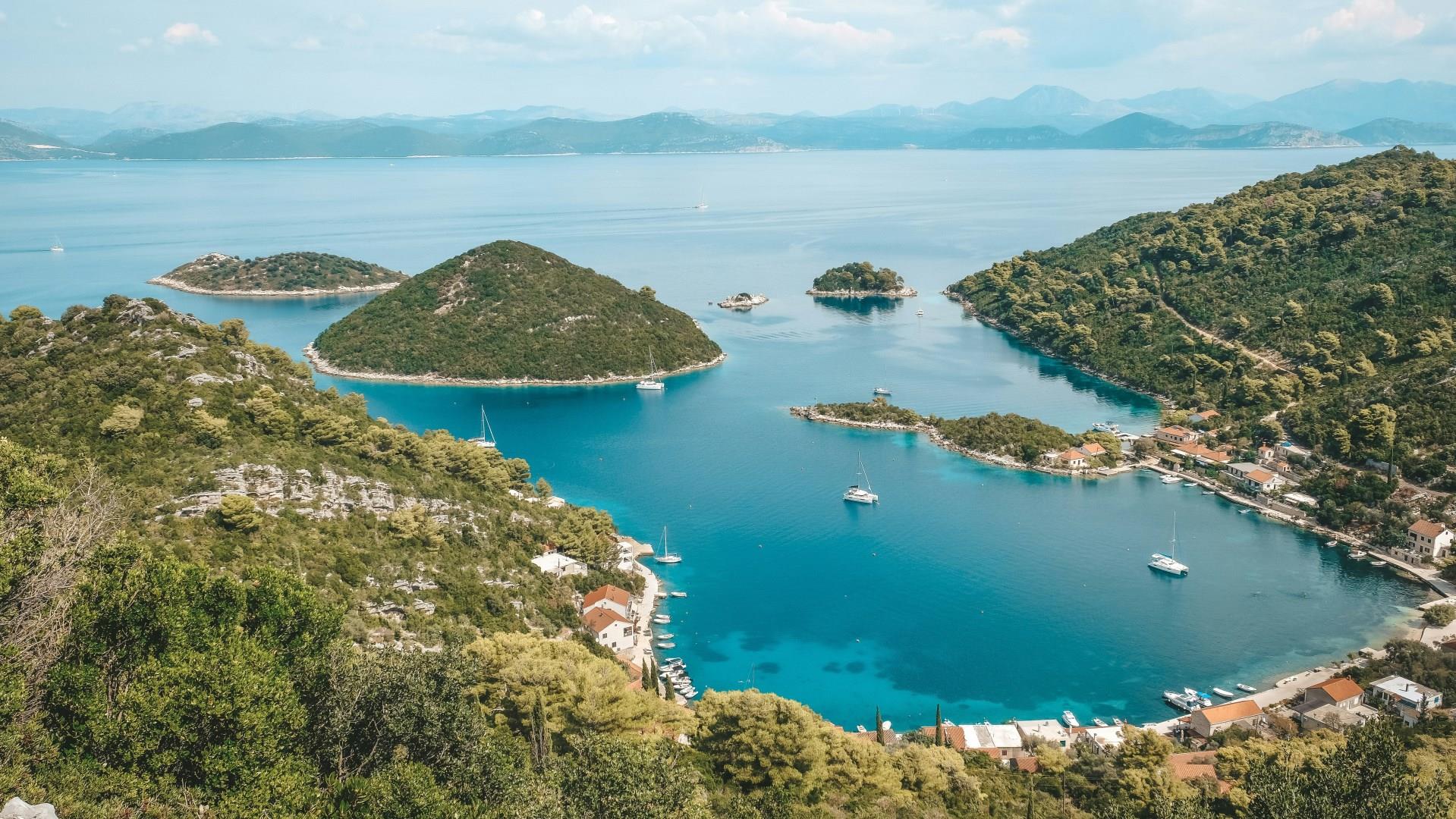
Mljet National Park
Mljet National Park sits on the western side of Mljet Island in Croatia’s Adriatic Sea, a place where saltwater lakes meet ancient forest pathways. The park stretches across nearly one-third of the island, with Veliko Jezero (Great Lake) and Malo Jezero (Small Lake) as their most striking features. These two saltwater lakes are connected by a narrow channel to the open sea, creating calm blue waters that draw visitors for swims, casual kayak outings, or peaceful cycles around the shaded paths.

Alberta
Alberta, one of Canada’s western provinces, is renowned for its dramatic natural landscapes and vibrant cultural heritage. It’s a place where sweeping prairies give way to towering peaks, and where Indigenous traditions and pioneer history are deeply interwoven.
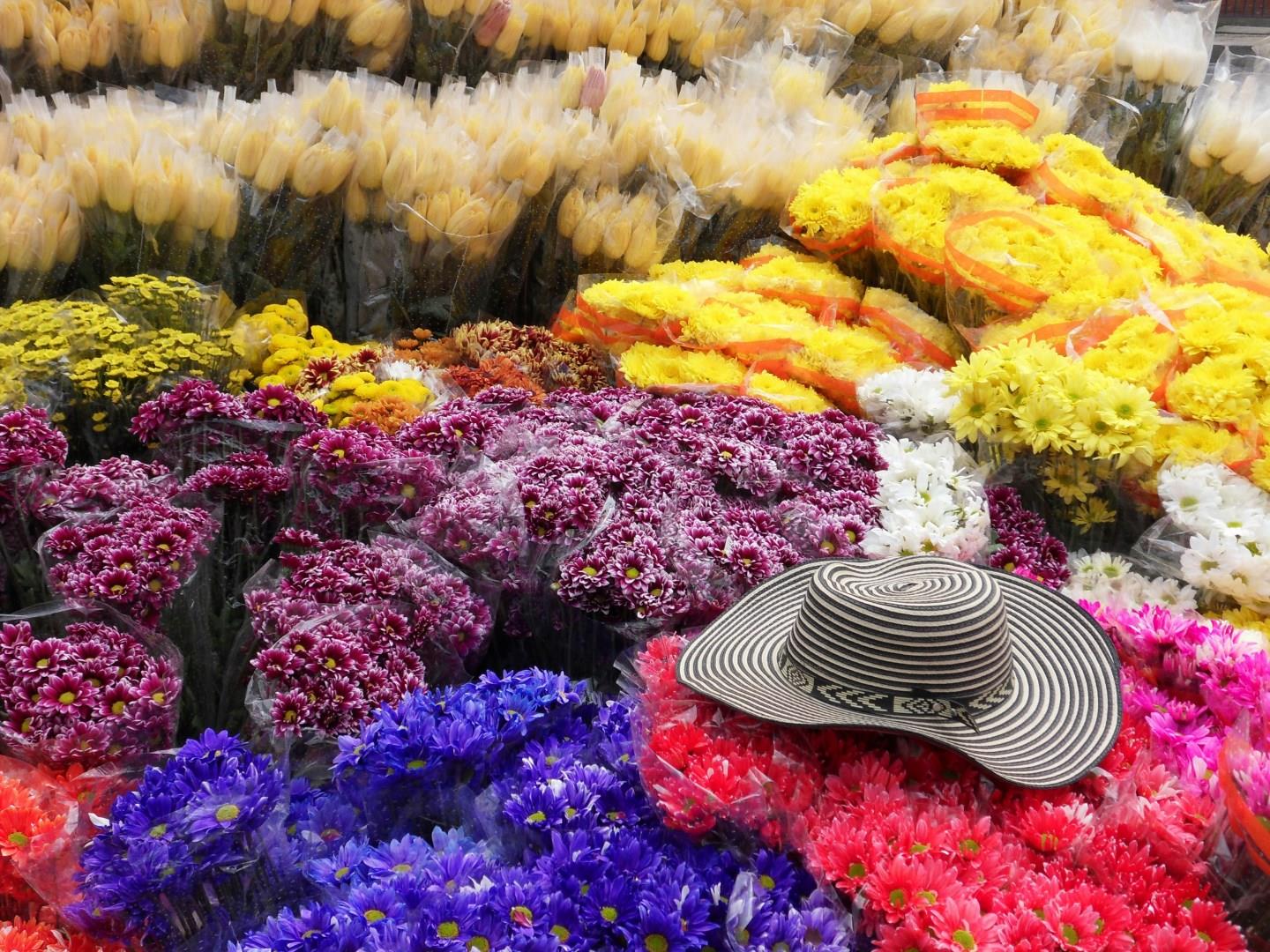
Bogota
Bogotá, the vibrant capital of Colombia, sits high in the Andes at 2,640 meters above sea level. The city balances historic charm with modern energy, where cobblestone streets meet bold street art and colonial churches stand beside sleek galleries and cafes. At the heart of it all is La Candelaria, Bogotá’s oldest neighborhood, where travelers can visit centuries-old buildings, including the neoclassical Capitol and the richly decorated Gold Museum.
