
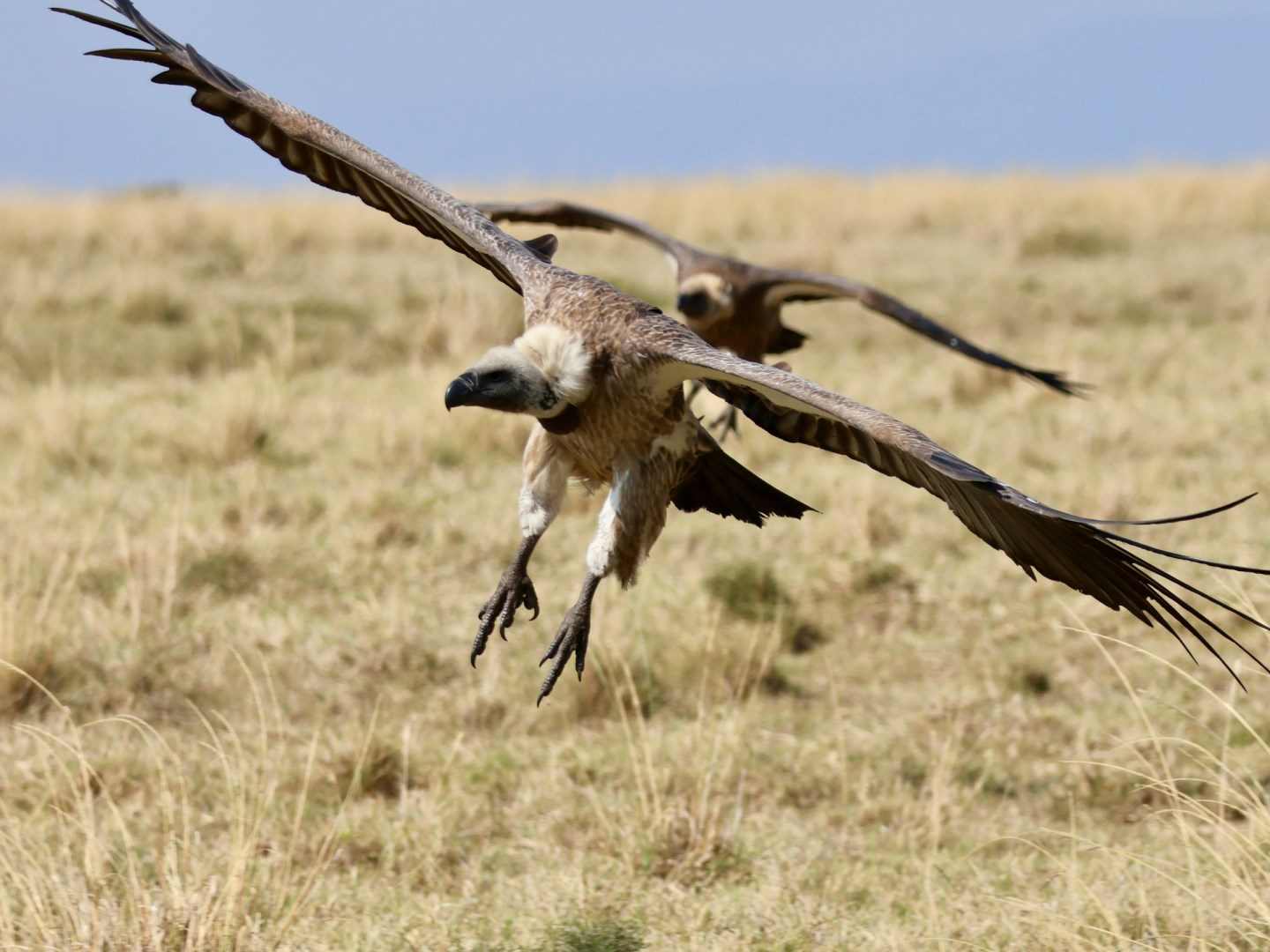
Narok
Narok is a town in southwestern Kenya and the administrative centre of Narok County, positioned on the route between Nairobi and the Maasai Mara. The town sits in a highland landscape of open grassland, cultivated fields, and rolling hills, with the surrounding county extending from the Great Rift Valley toward the Maasai Mara plains.
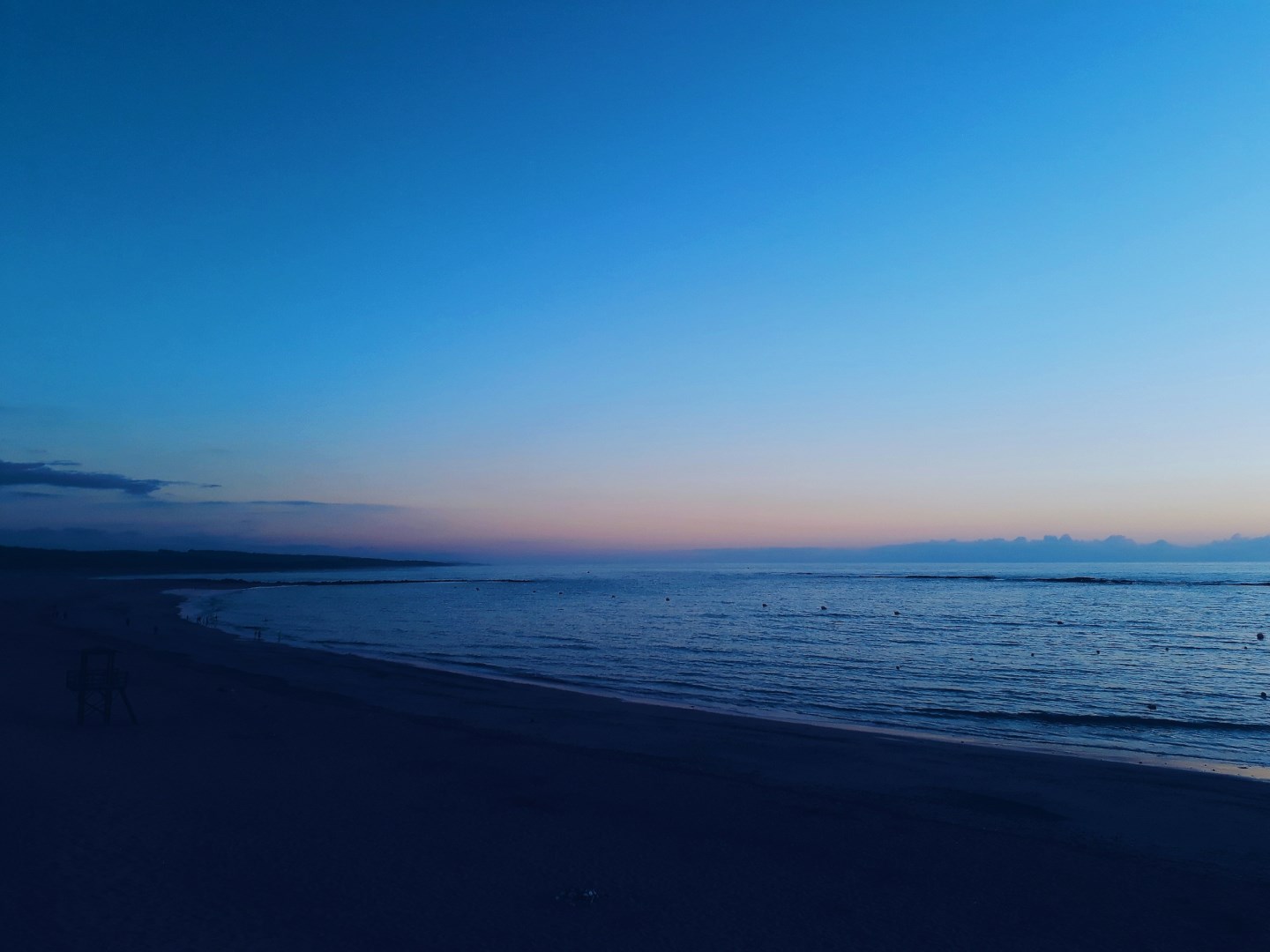
M'diq
M’diq is a coastal town on Morocco’s Mediterranean shore, situated between Tetouan and Fnideq along the sheltered waters of Tamuda Bay. The town combines a working fishing port with a long sandy beach, a seafront promenade, and access to nearby marinas. Its position at the foot of the Rif Mountains gives the coastline a backdrop of wooded hills, while the Mediterranean provides calm waters for swimming and boating.
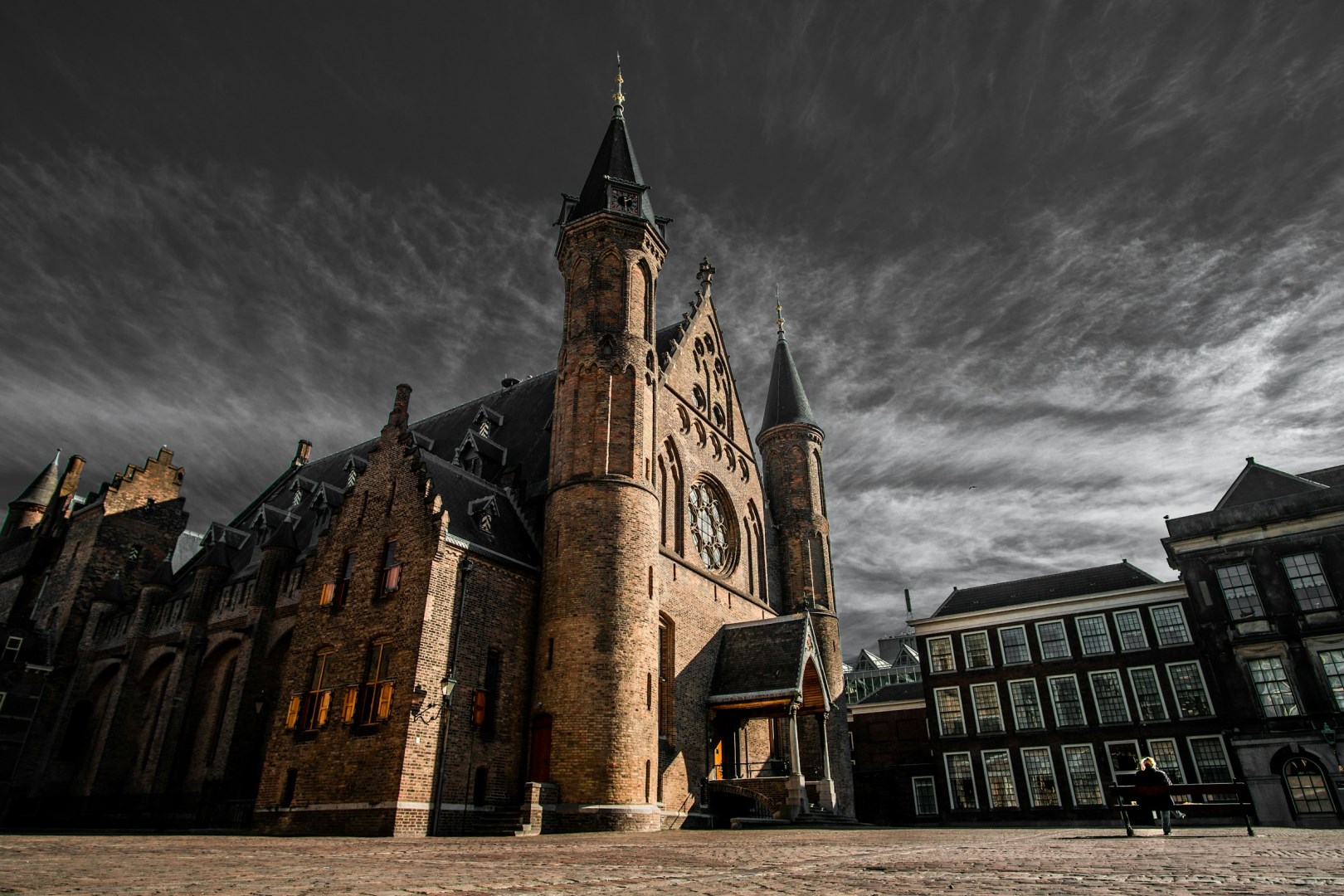
The Hague
Capital of Netherlands located on the North Sea and the sight of many International events.
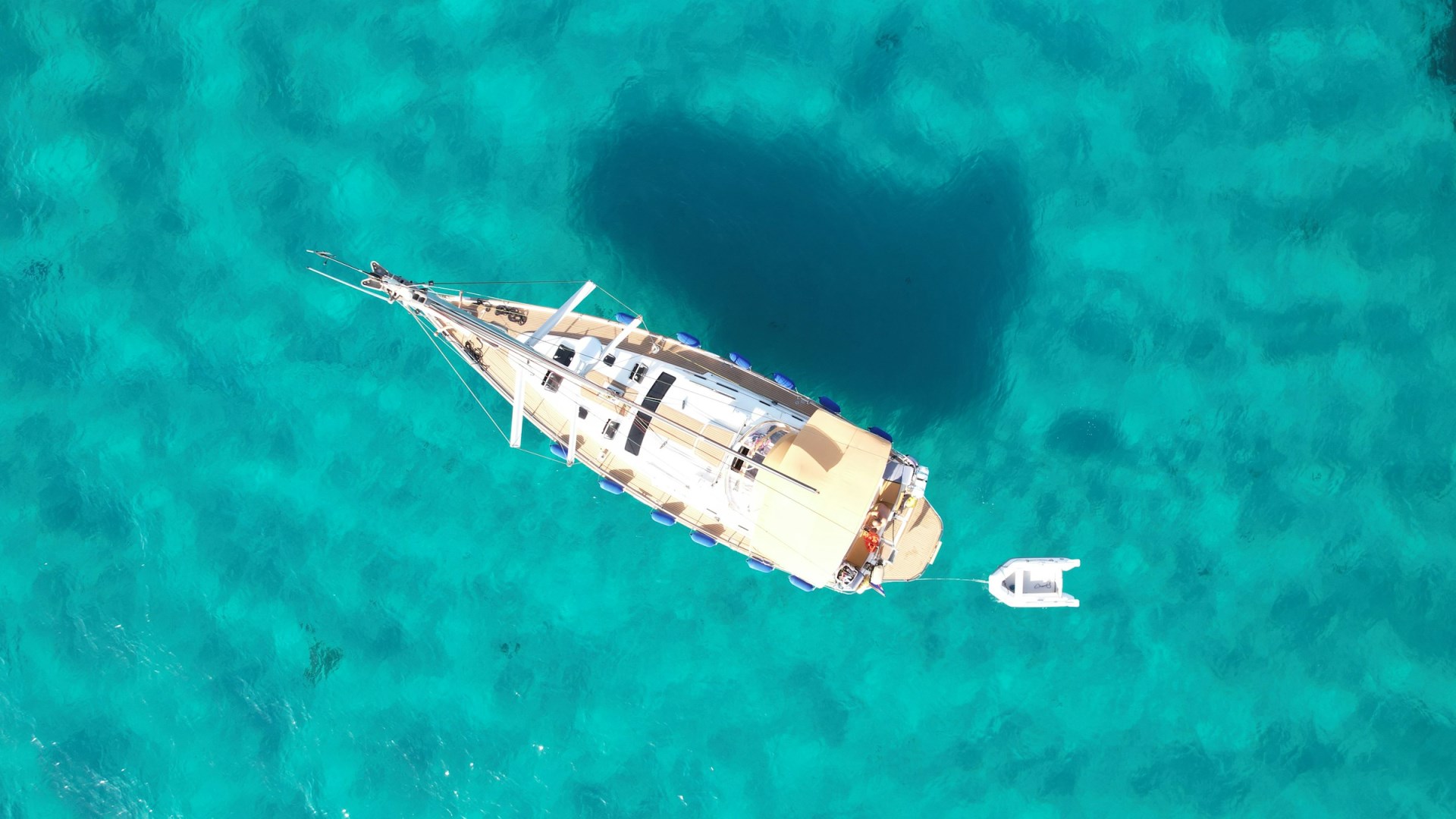
Porto Cervo
A picturesque village situated in a forgotten inlet, Porto Cervo is the main resort on the Costa Smeralda. This popular resort offers all types of sports and leisure facilities (water sports, tennis courts, internationally famous tourist harbour, and restaurants, night clubs, discos and luxurious boutiques), as well as white sandy beaches alternating with reefs.
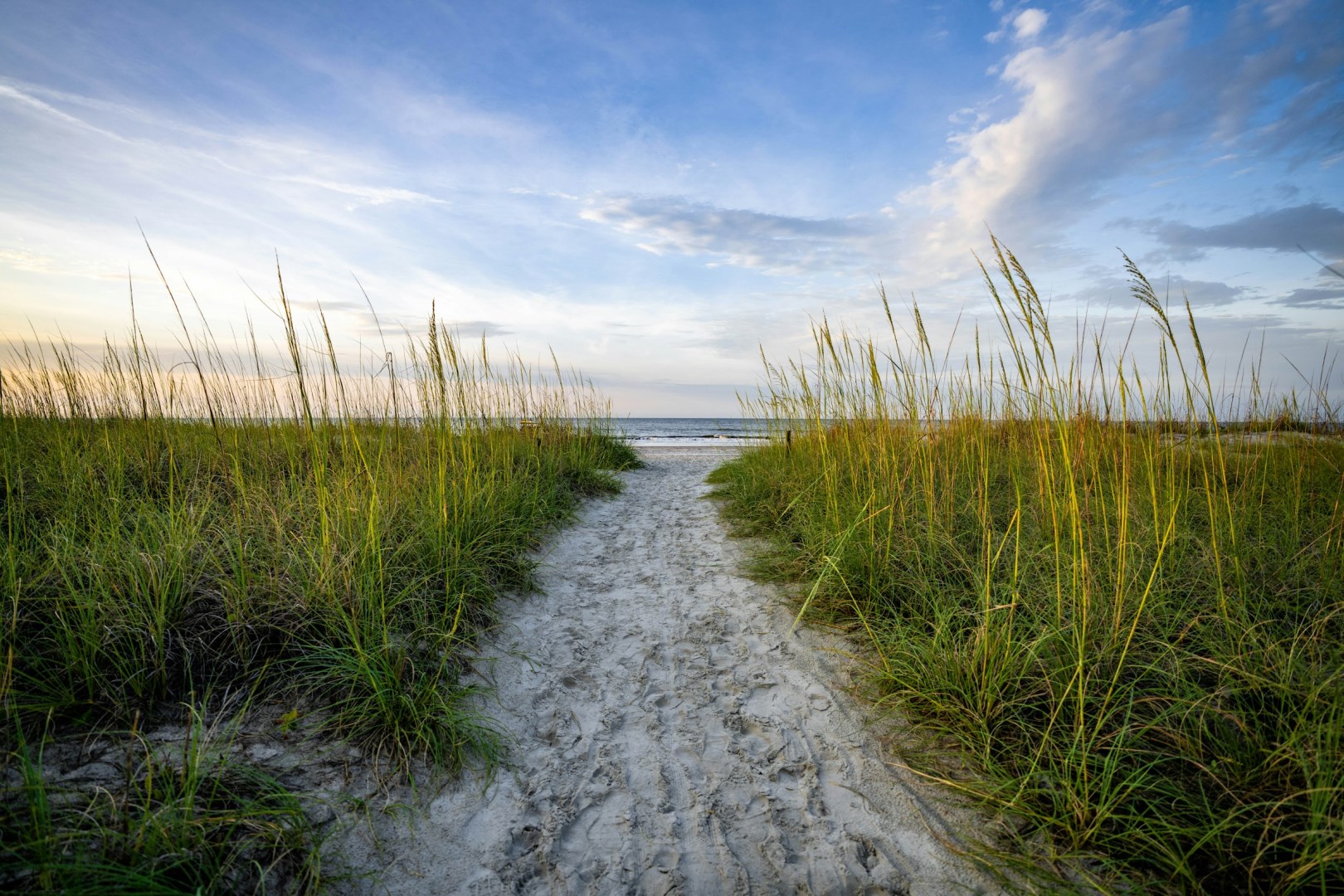
Hilton Head Island
Located off the coast of South Carolina, near Charleston, Hilton Head Island is a popular golf resort area.
