

United Arab Emirates
The United Arab Emirates rolls history and invention into a seamless experience. In Abu Dhabi, the Sheikh Zayed Grand Mosque stands out with its reflective pools, marble columns inlaid with floral patterns, and the world’s largest hand-knotted carpet beneath domes that glow by night. On Saadiyat Island, the Louvre Abu Dhabi shelters art that spans civilizations, all beneath a dome designed to scatter sunlight like palm fronds.
South Plaza Island
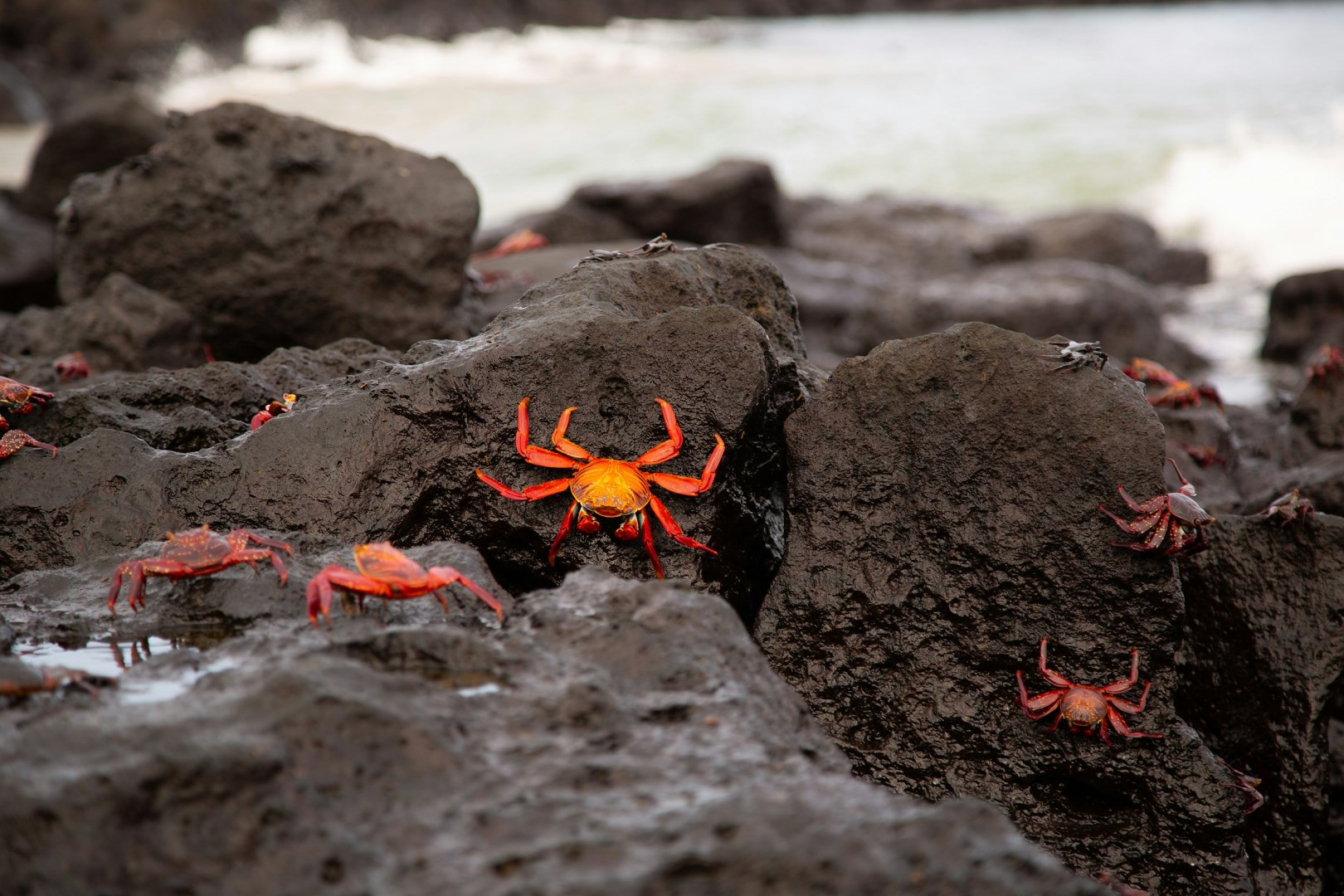
On South Plaza Island, sea lions breed all along the low lying northern coast. These sheer cliffs are home for swallow-tail gulls and the beautiful red billed tropic birds. The landscape is dominated by optunia cactus trees. A look under each tree reveals a land iguana patiently waiting for a succulent cactus pad to fall.
Suriname
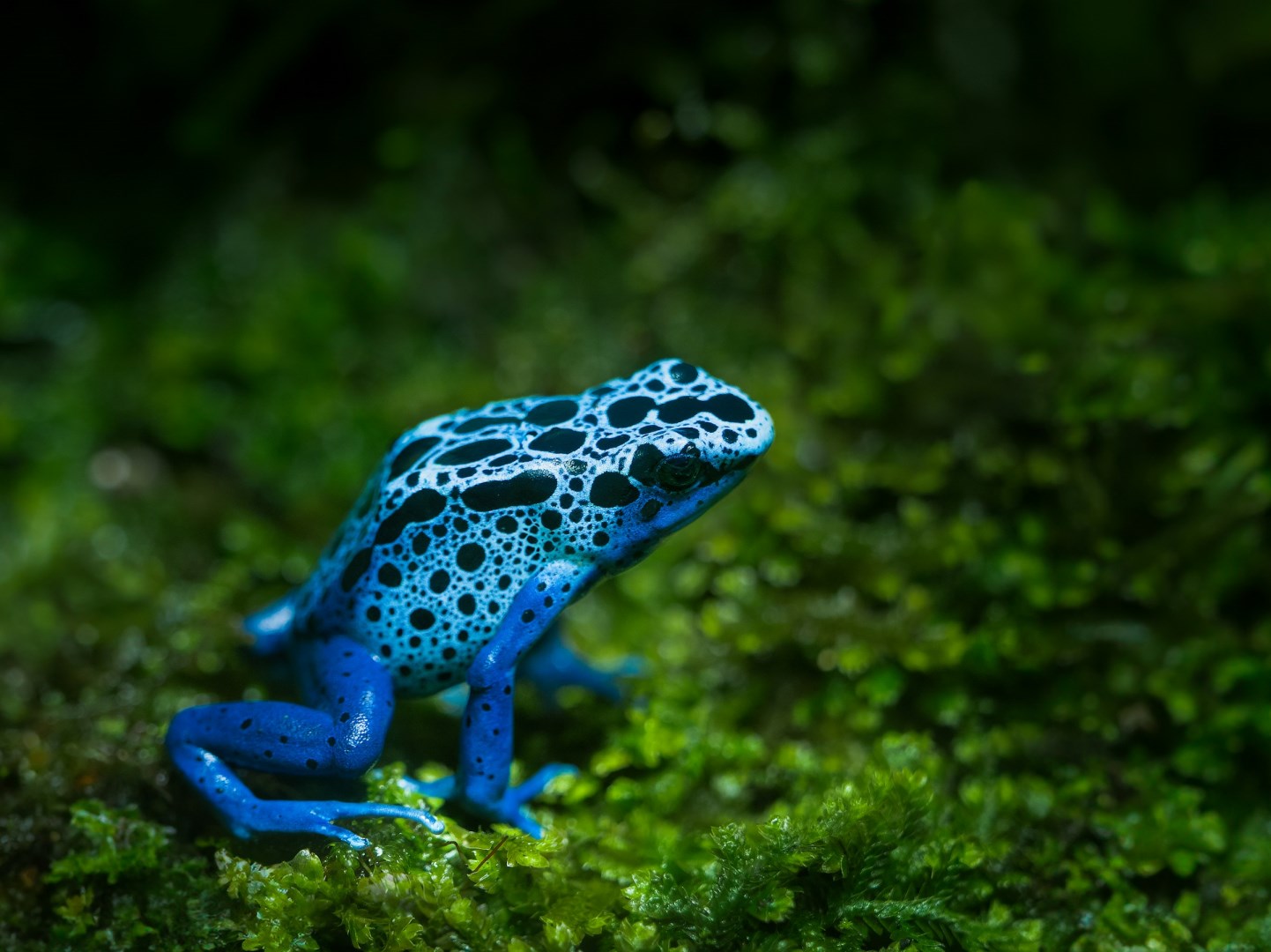
Suriname’s forests cover more than nine‑tenths of the country and house an astounding array of wildlife. The Central Suriname Nature Reserve, one of the largest rainforest sanctuaries on Earth, shelters jaguars, giant river otters, and hundreds of bird species. Nearer the capital, Brownsberg Nature Park offers forest trails and waterfalls amid 1,450 plant and 350 bird species, just a short drive from Paramaribo.
Linyanti Wildlife Reserve
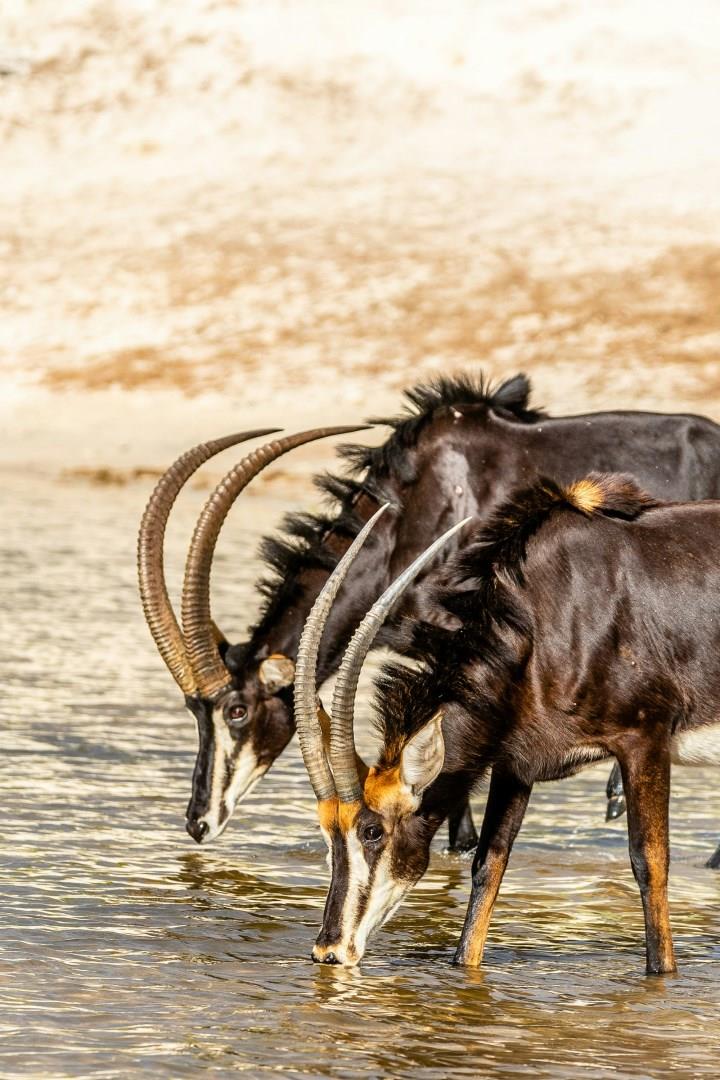
Linyanti Wildlife Reserve, tucked into the northern reaches of Botswana near the Chobe River, is a remote and pristine safari destination known for its rich biodiversity and exclusivity. Covering more than 275,000 acres of wilderness, the reserve is defined by floodplains, lagoons, woodlands, and savannah, creating a mosaic of habitats that sustain an impressive array of wildlife.
Duiker Island
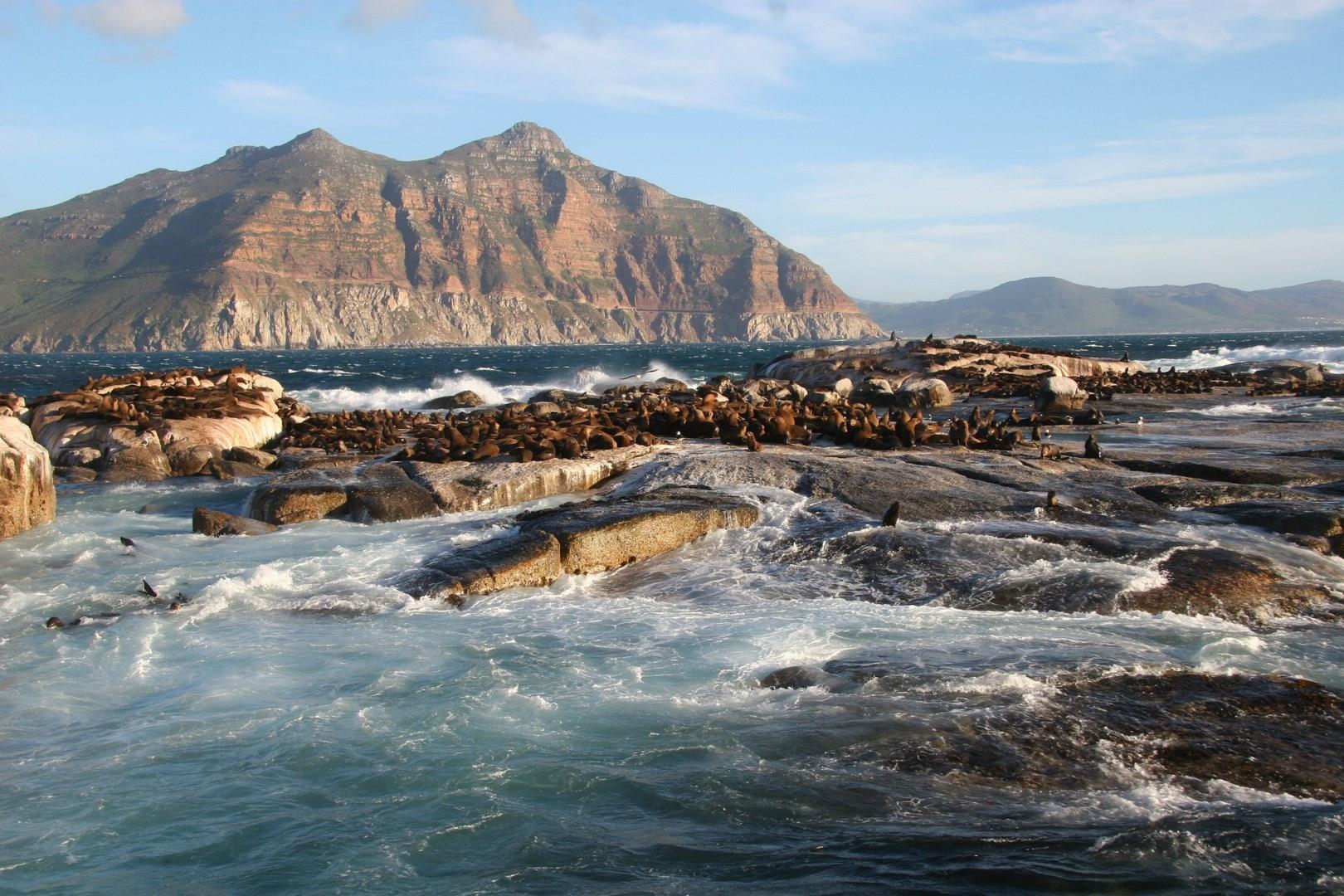
Duiker Island, located off the coast of Hout Bay in Cape Town, South Africa, is a fascinating destination for nature lovers and adventure seekers alike. Known for its large population of Cape fur seals, the island provides a unique opportunity to observe these playful marine mammals in their natural habitat.
