
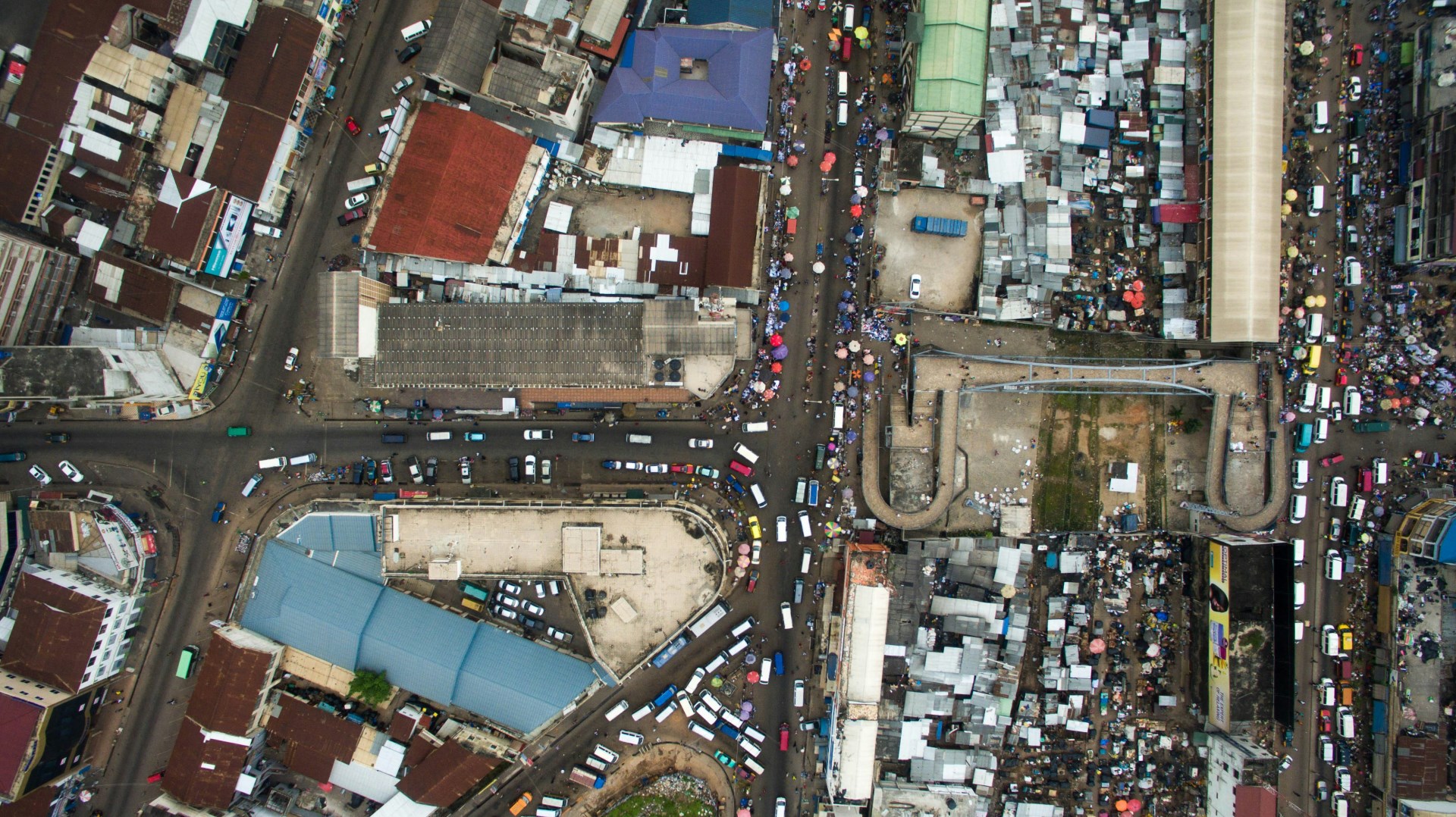
Ashanti Region
The Ashanti Region is located in southern Ghana and is one of the country’s most influential cultural and economic areas. Centered on the city of Kumasi, the region is known as the traditional homeland of the Ashanti people, whose history and institutions continue to shape local identity.
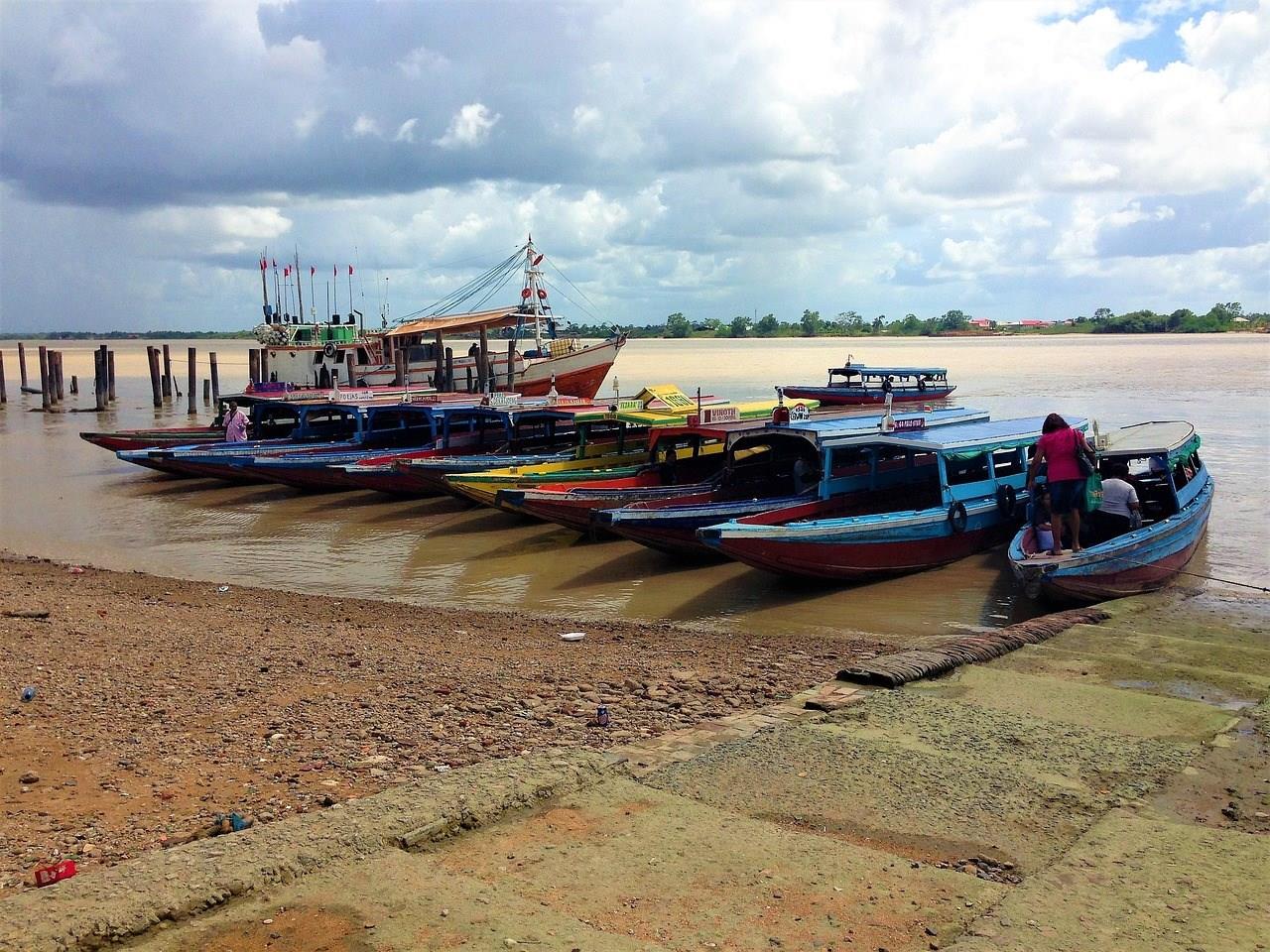
Paramaribo
Paramaribo, Suriname’s capital, unfolds like a living storybook along the Suriname River, where wooden structures from the 17th and 18th centuries still stand today. This historic heart reveals a rare fusion of Dutch design and local craftsmanship. Visitors can stroll the Waterkant, a riverside avenue, and take in landmarks such as Fort Zeelandia, the neoclassical Reformed Church, and the lofty wooden Cathedral of St. Peter and Paul.
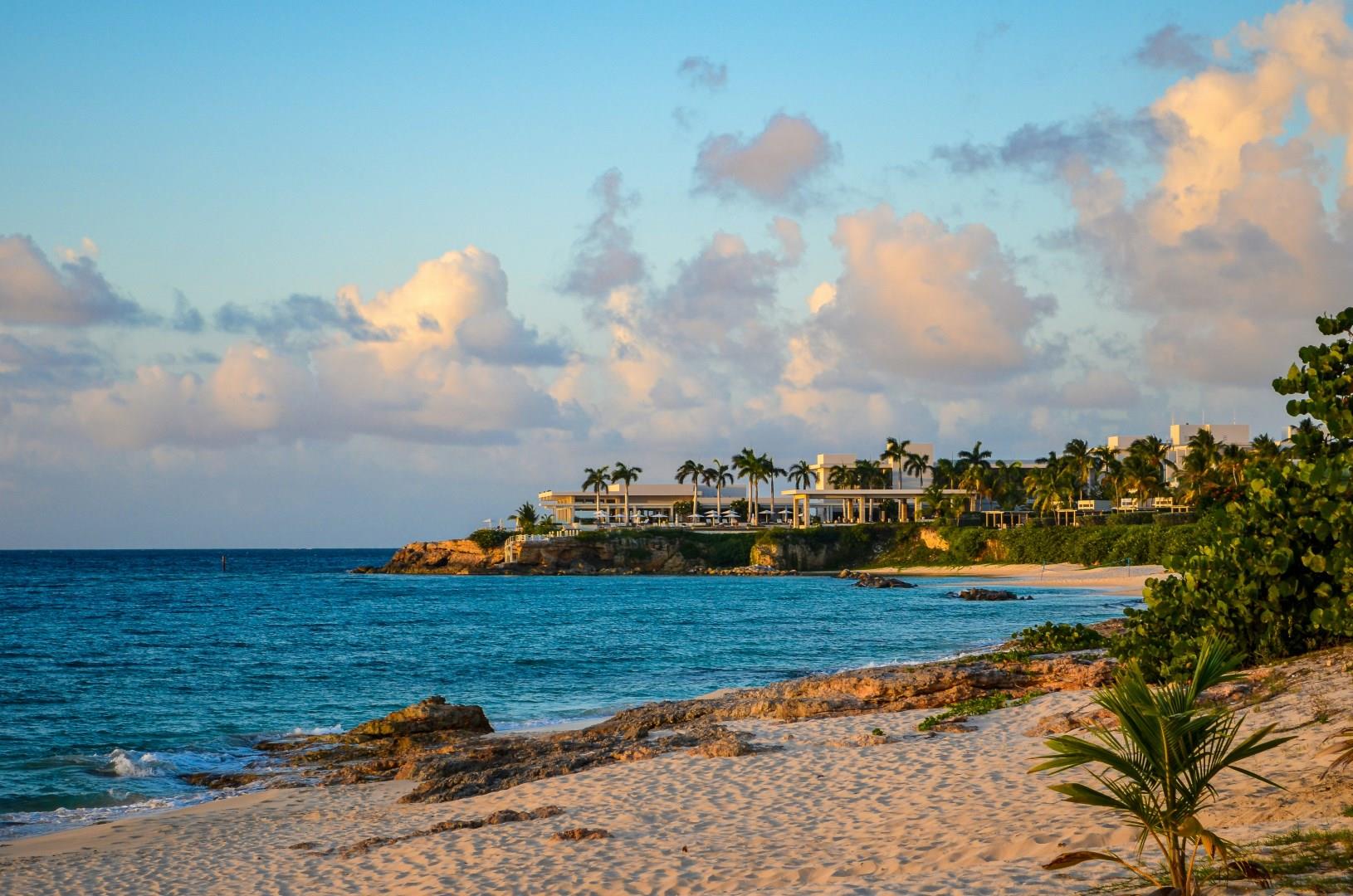
Barnes Bay
Barnes Bay, on Anguilla’s western coast, is one of the island’s most striking beaches, known for its golden sand and dramatic backdrop of rugged cliffs. The bay is less frequented than some of Anguilla’s more famous shores, giving it a serene, secluded atmosphere that makes it a favorite for those seeking a quieter escape.

Warsaw
Warsaw stands as one of Europe’s most resilient cities, having rebuilt itself almost entirely after World War II. The Old Town, meticulously reconstructed using paintings by Italian artist Bernardo Bellotto, feels centuries old but is, in fact, less than a hundred years in its current form. Behind the medieval facades lie stories of uprisings, resistance, and quiet defiance. Visitors walking through Castle Square can enter the Royal Castle, where Poland’s Constitution of May 3, 1791 was adopted.
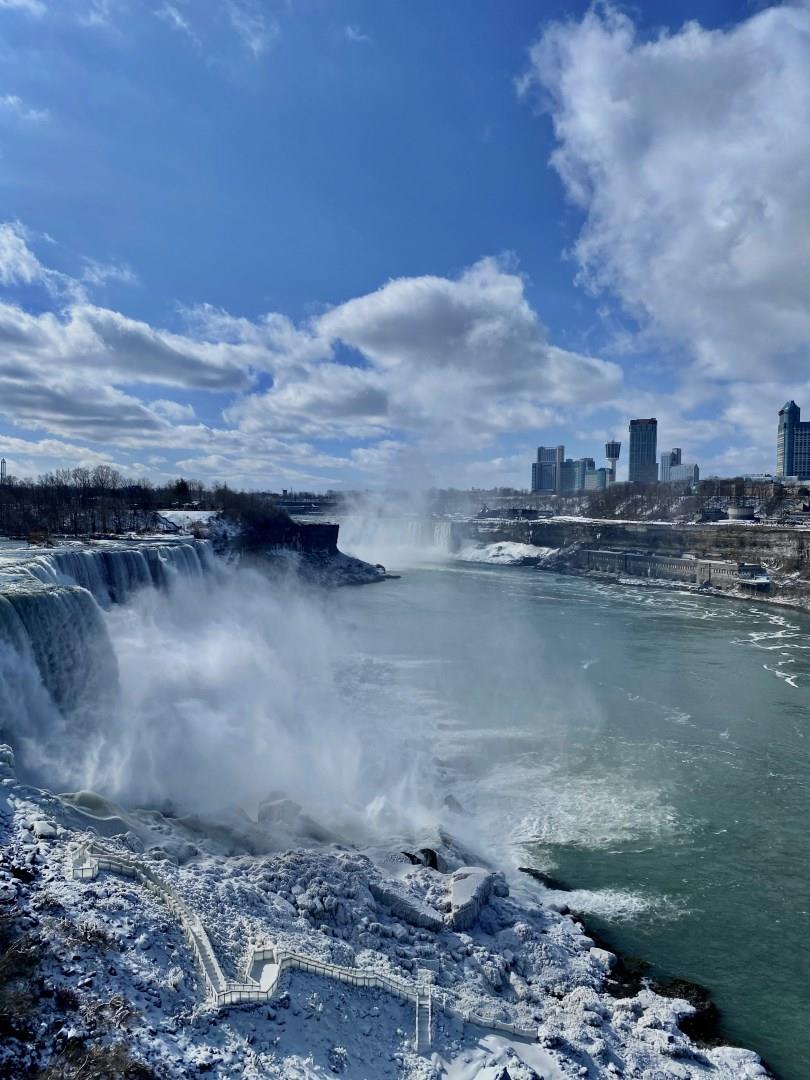
Niagara Falls
Niagara Falls, New York, is home to one of the most powerful natural spectacles in North America. More than 3,000 tons of water pour over the edge every second, creating a thunderous roar and a rising mist that can be felt from blocks away. Visitors can stand just feet from the American Falls at Prospect Point or take the iconic Maid of the Mist boat tour, which has operated since 1846 and now features all-electric vessels.
