
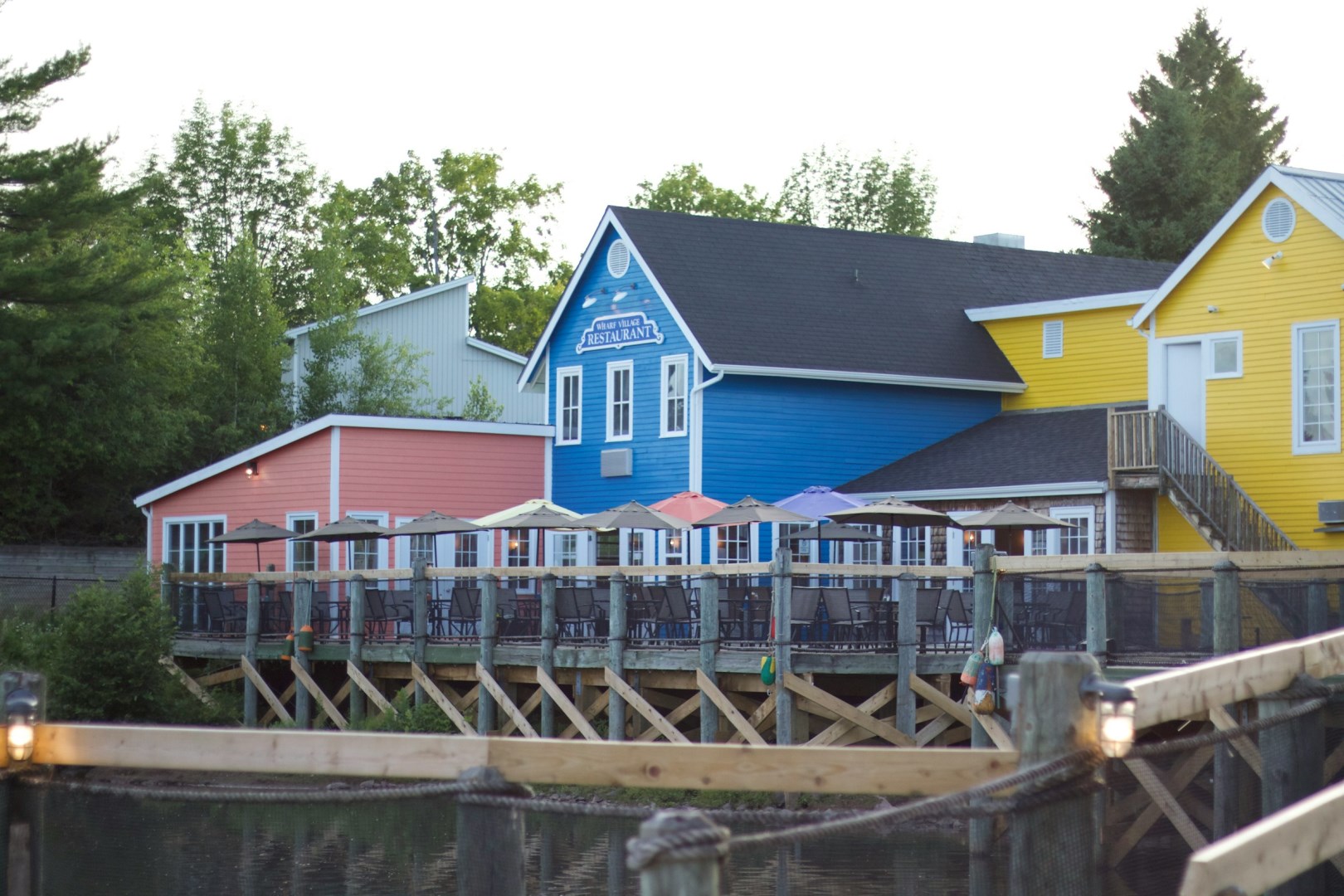
Moncton
Moncton is a city in southeastern New Brunswick, situated along the Petitcodiac River near the head of the Bay of Fundy. It serves as a major centre for transportation, commerce, education, and culture in Atlantic Canada. The city is officially bilingual and has strong English-speaking and Acadian influences. Its location beside the tidal river gives Moncton a distinctive natural feature within an urban setting, while downtown streets contain shops, restaurants, public art, and heritage building
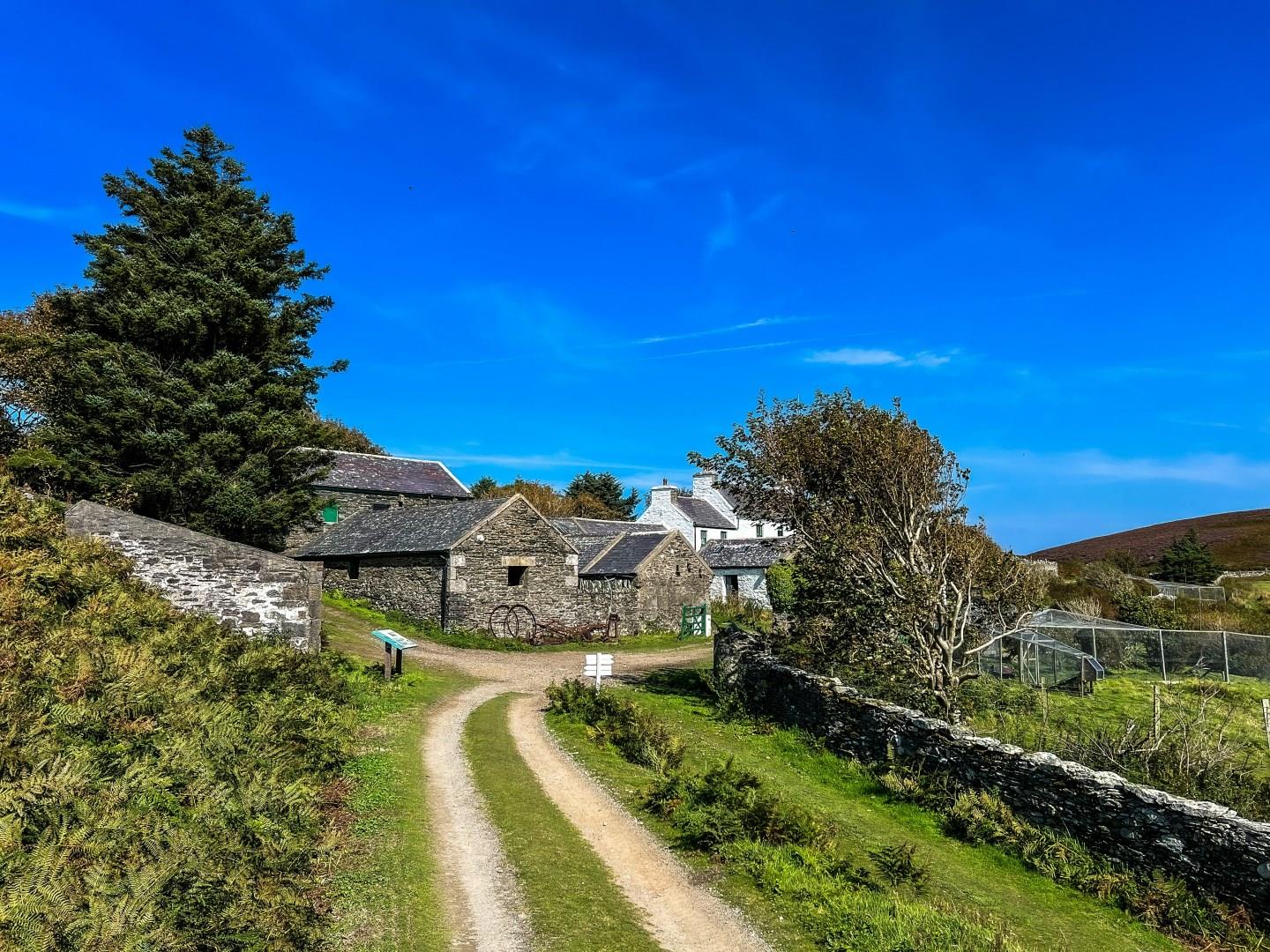
Calf of Man
The Calf of Man, a small island off the southwest coast of the Isle of Man, offers a rare glimpse into a quieter side of the Irish Sea. Covering just over 260 acres, this uninhabited island is known primarily for its rich birdlife and dramatic coastal cliffs. Visitors often arrive by boat from nearby Port Erin, embarking on guided tours that reveal the island’s importance as a bird sanctuary.
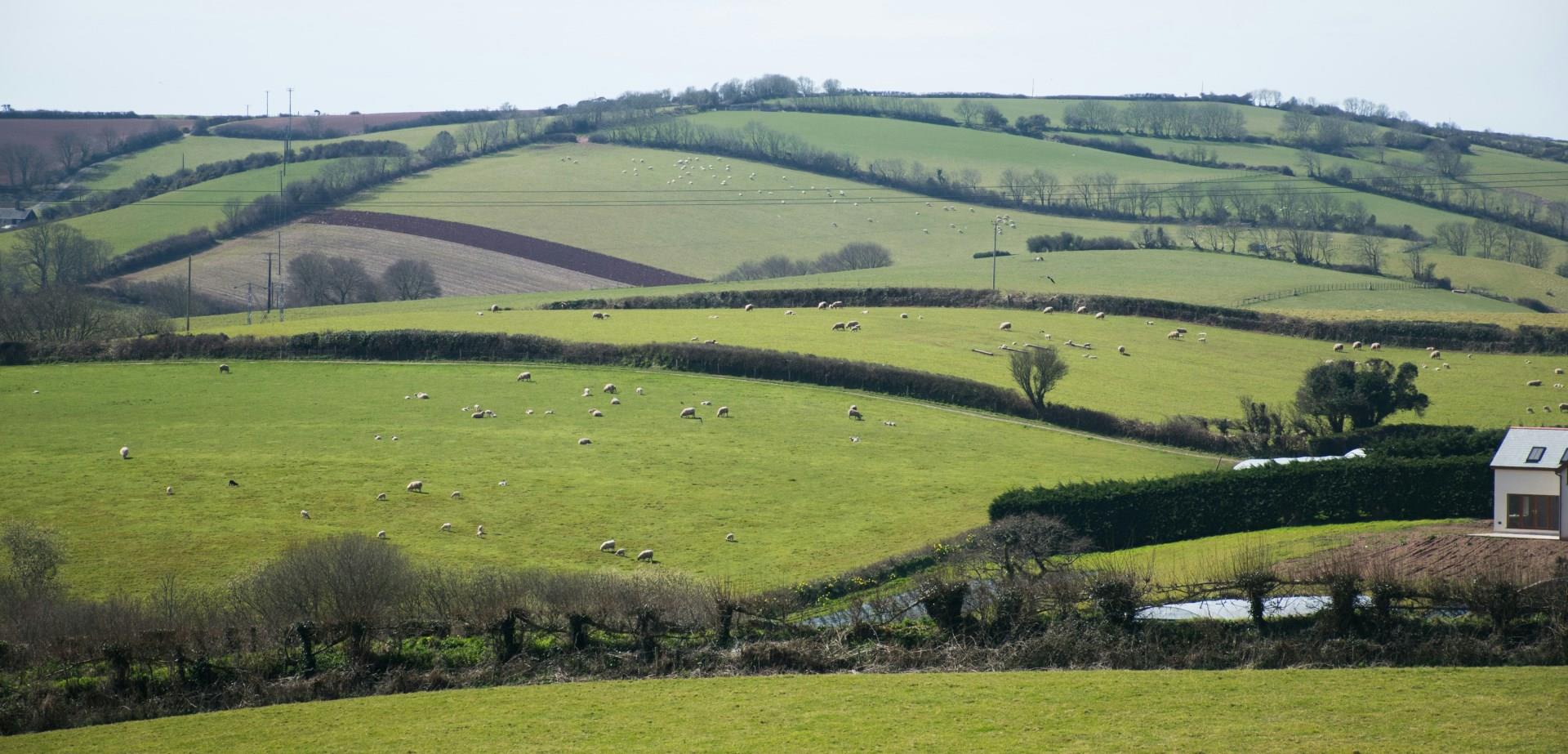
Devon
Devon occupies England’s southwest peninsula, a county shaped by seafaring, farming, and long continuity of settlement. Its history stretches from prehistoric sites on Dartmoor through Roman roads and medieval ports to towns that grew wealthy on trade and shipbuilding.
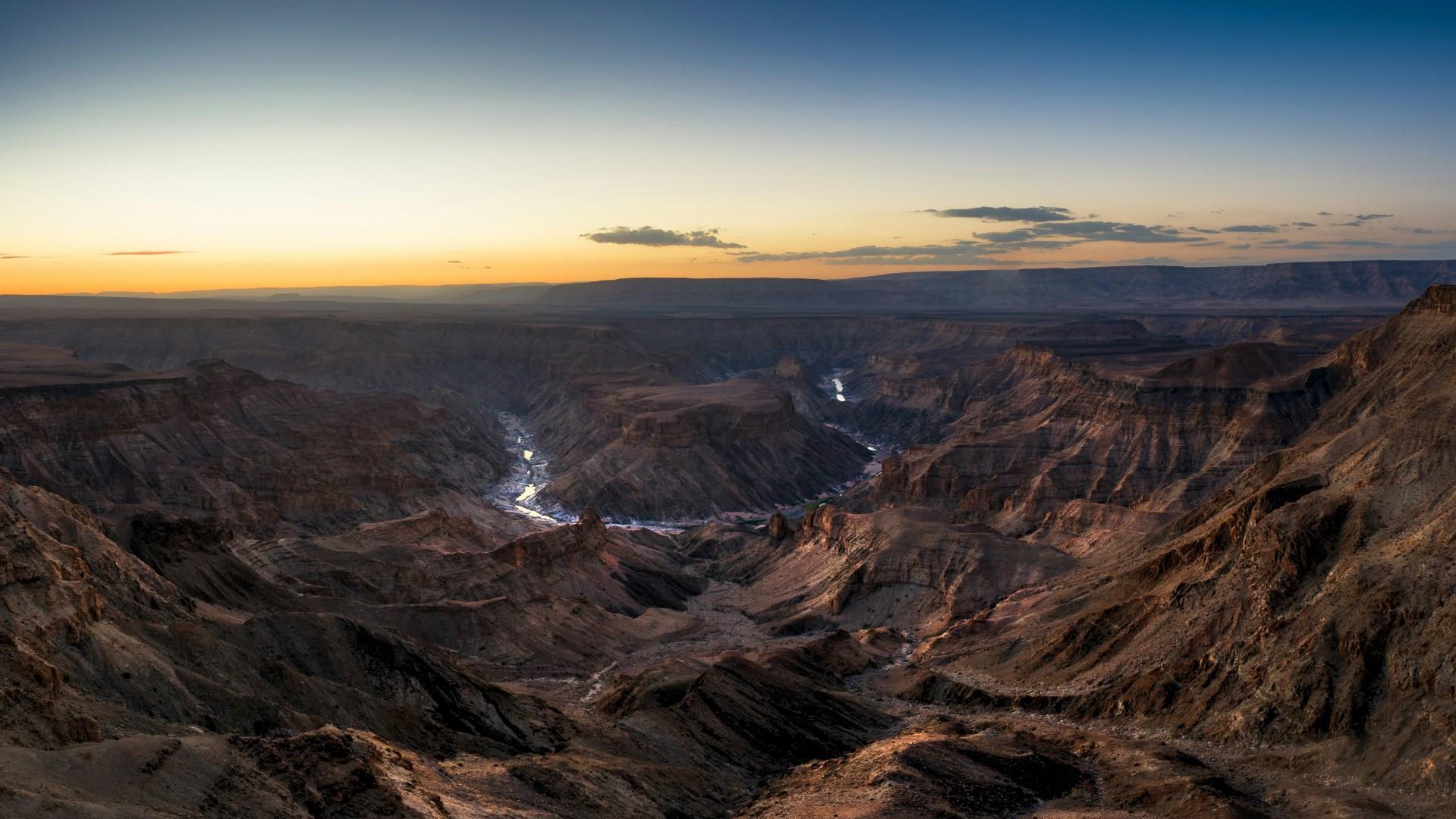
Fish River Canyon
The Fish River Canyon in southern Namibia is one of the planet’s most remarkable landforms, stretching across vast terrain in the Richtersveld Transfrontier Park. It is one of Africa’s largest canyons, carved over millions of years by the Fish River as it etched a deep, twisting gorge into the desert plateau. From high viewpoints like Hell’s Bend, visitors can see layers of rock dropping away to reveal ridges and ravines that seem to go on forever, all under wide, open skies.
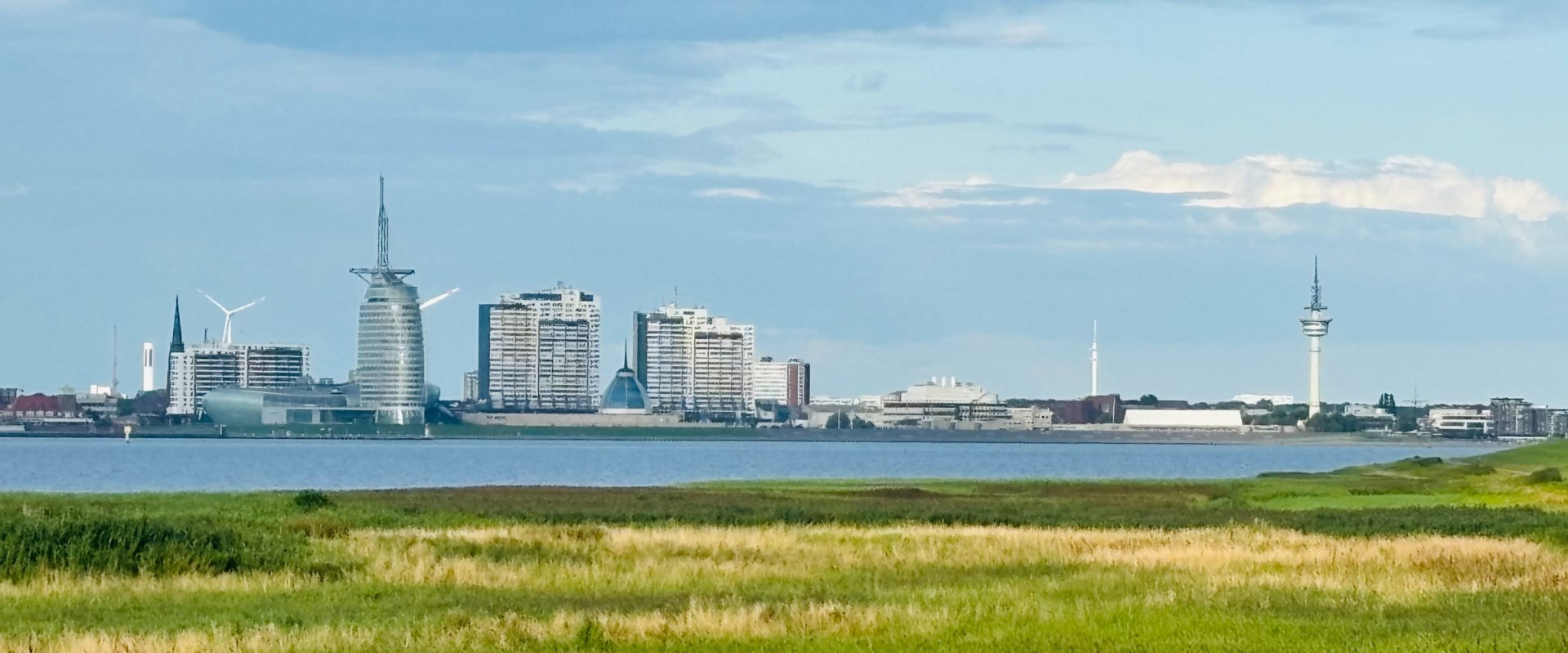
Bremerhaven
Bremerhaven, a port city on Germany’s North Sea coast, is known for its maritime heritage, bustling harbor, and cultural attractions. Founded in 1827 to serve as a gateway for Bremen’s shipping industry, it has grown into a major center for trade, logistics, and seafaring culture.
