
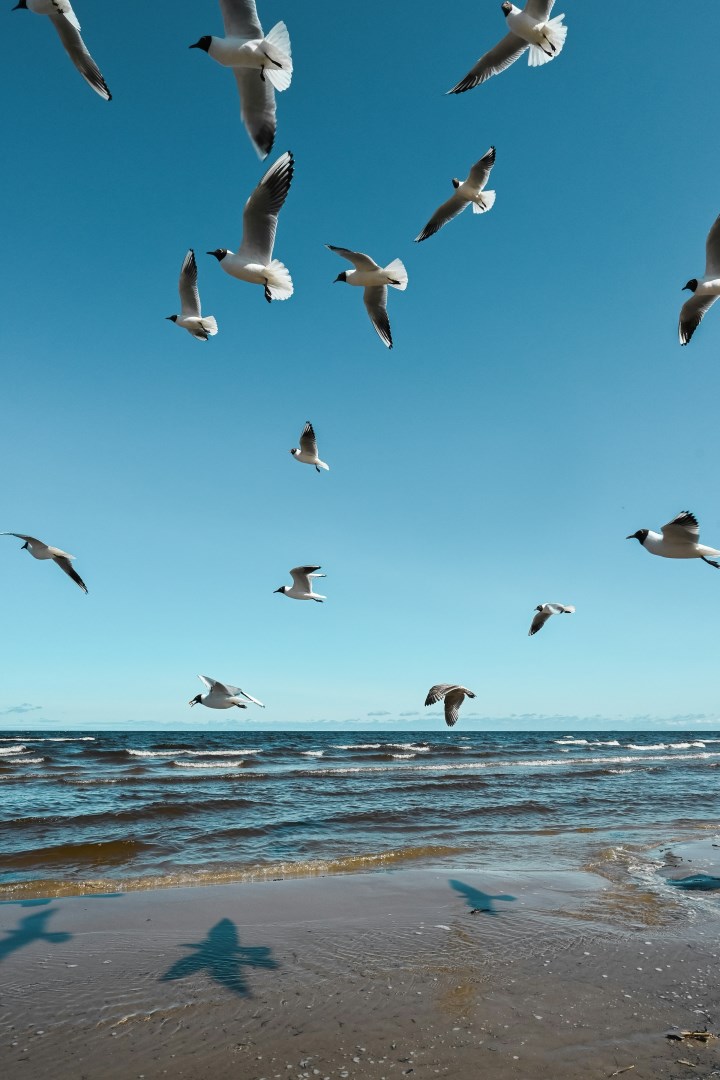
Jurmala
Jūrmala, Latvia’s famed seaside resort, stretches along 33 kilometers of white sandy beaches kissed by the Baltic Sea. Its wooden architecture, featuring colorful villas from the early 20th century, tells the story of its history as a retreat for the well-to-do during the Russian Empire. Visitors strolling the Jomas Street promenade will find a lively atmosphere filled with cafes, boutiques, and galleries, alongside peaceful spots where the sea breeze encourages relaxation.
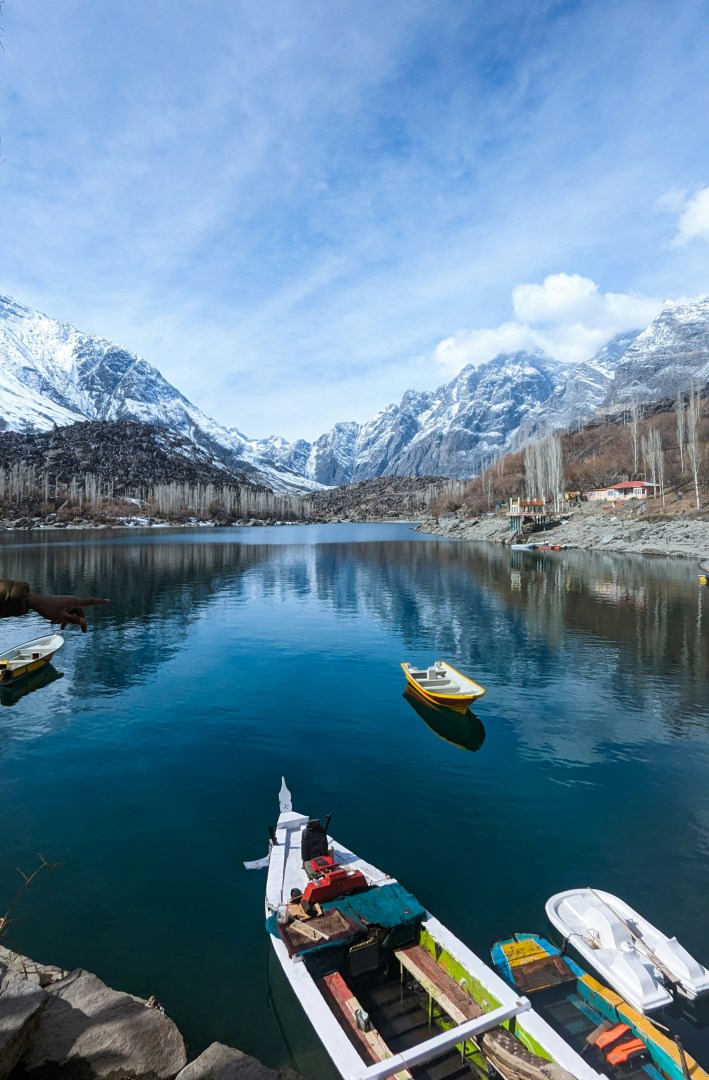
Skardu
Skardu is a mountain town in Gilgit-Baltistan, northern Pakistan, set in a broad valley near the confluence of the Indus and Shigar rivers. It serves as an important gateway to the Karakoram and to trekking and mountaineering routes leading toward K2, Gasherbrum, and other high peaks. The town is surrounded by starkly contrasting landscapes, including dry mountain slopes, fertile valleys, turquoise lakes, and high-altitude plains.
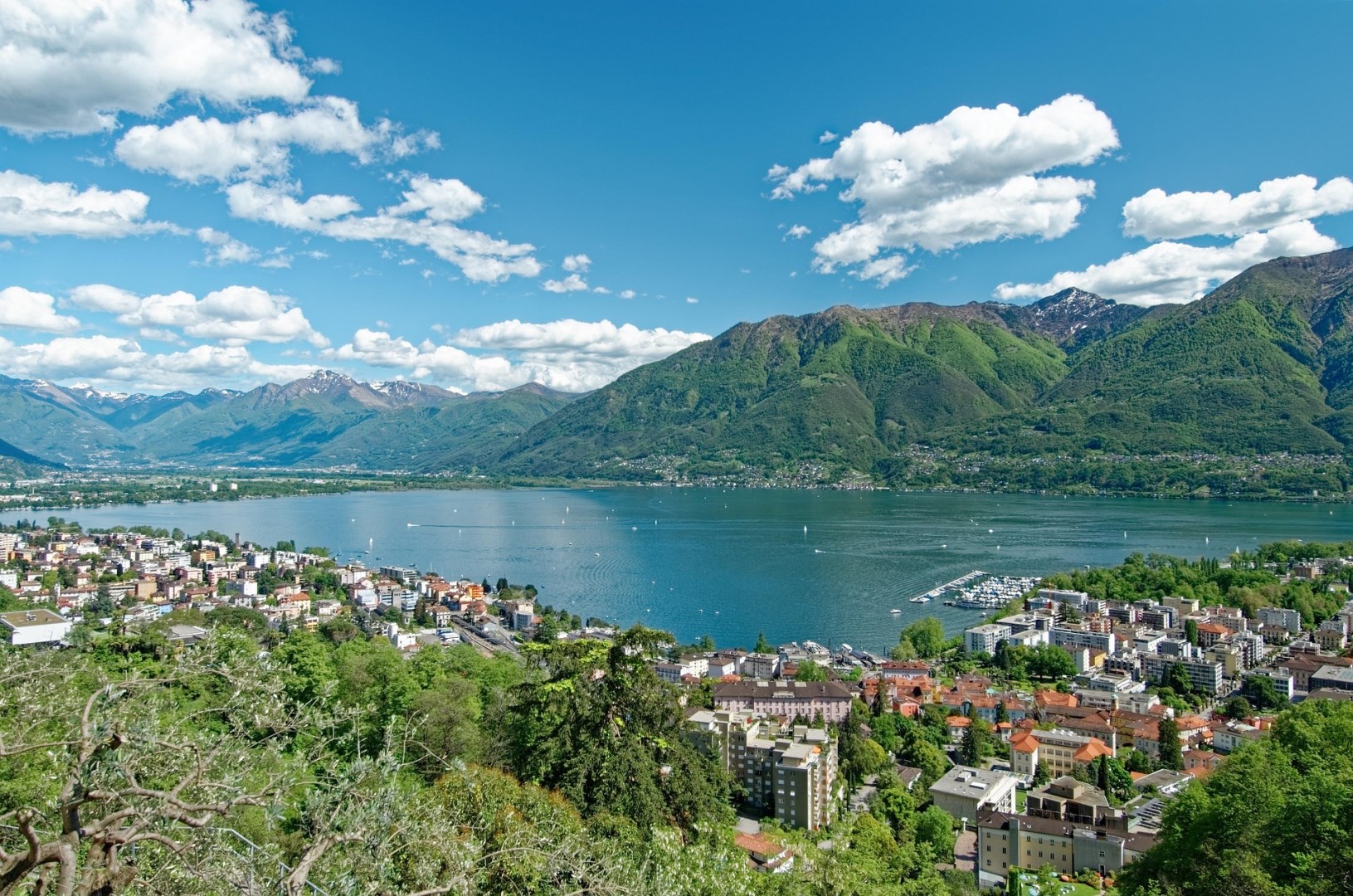
Locarno
The turnoff for Locarno is located near Bellinzona, the capital of Ticino. By train, Locarno is well served from Zurich and Milan, as it is by road. Lovers of beautiful landscapes starting out from Geneva and Lausanne owe it to themselves to pass through Simplon and the Centovalli by taking the picturesque little train that links Domodossola to Locarno.
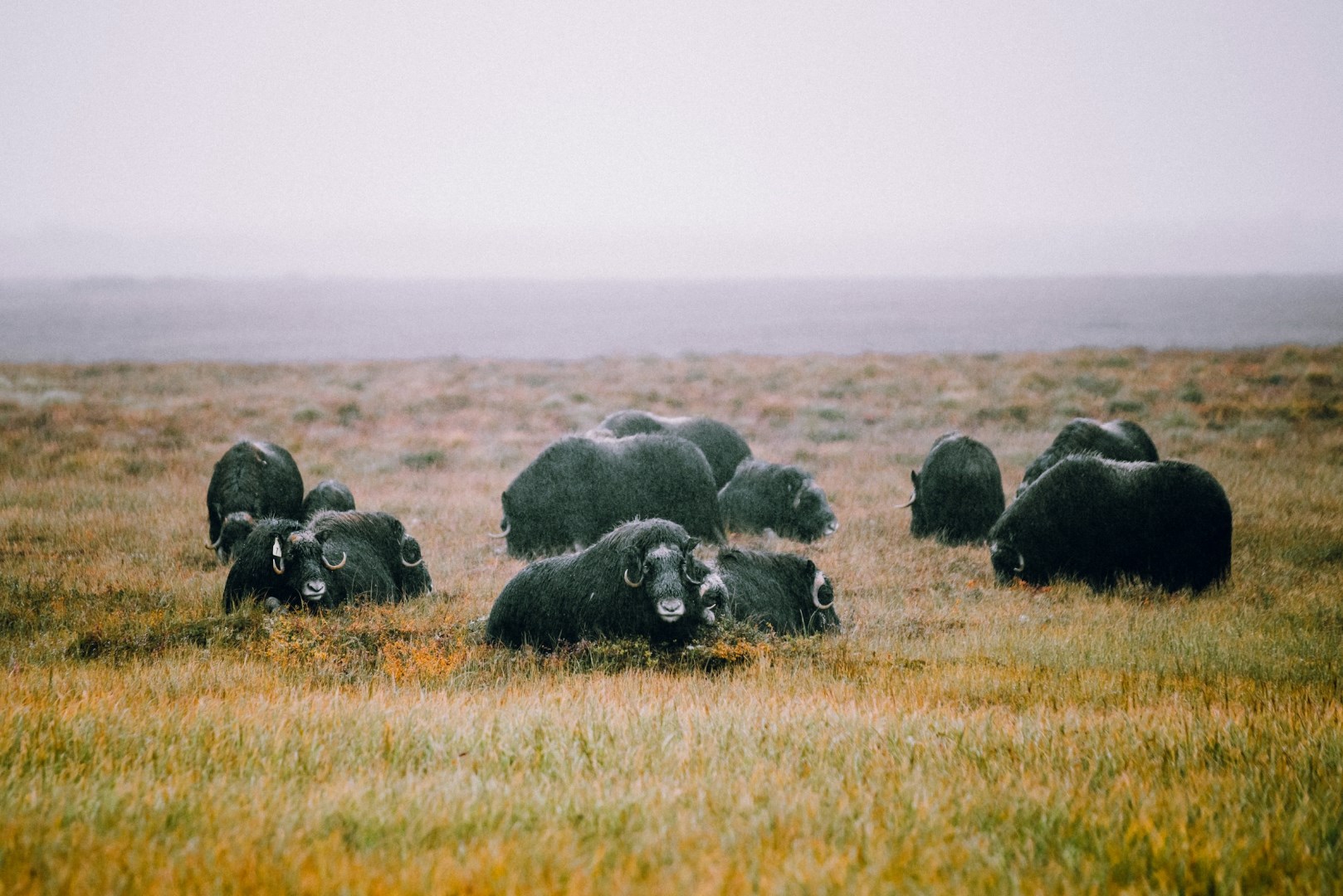
Nome
Nome is a coastal city on the southern Seward Peninsula in western Alaska, facing Norton Sound and the Bering Sea. Its remote location places it far from Alaska's major road network, with access primarily by air and seasonal sea travel. The surrounding landscape consists of tundra, low mountains, wetlands, beaches, and broad coastal plains. Nome is best known for its connection to gold mining and its role as a regional center for communities across western Alaska.
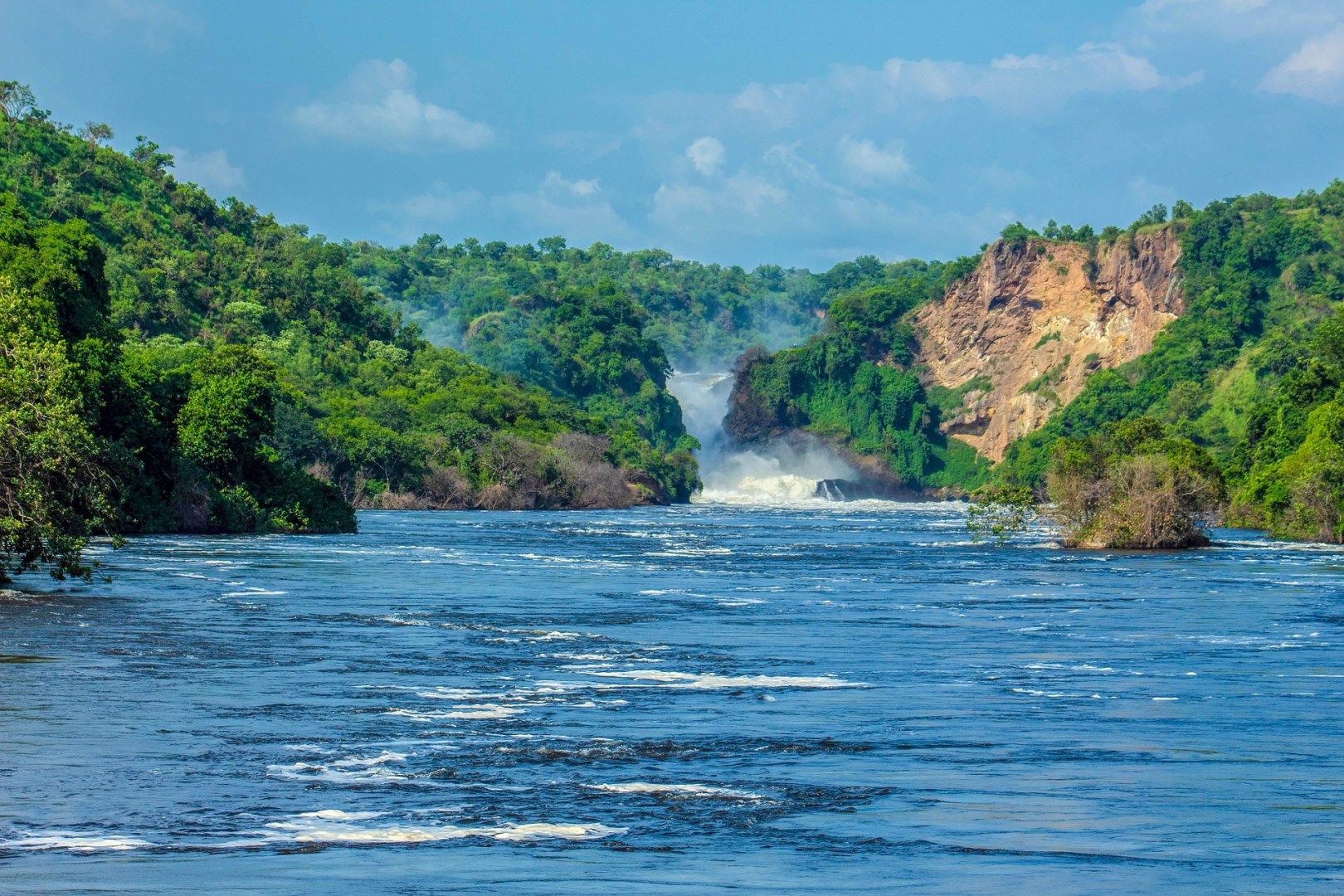
Murchison Falls
Murchison Falls is one of Uganda’s best-known natural landmarks, located within Murchison Falls National Park in the northwestern part of the country. The waterfall forms where the Victoria Nile is forced through a narrow gorge before dropping over the rocks and continuing toward Lake Albert.
