
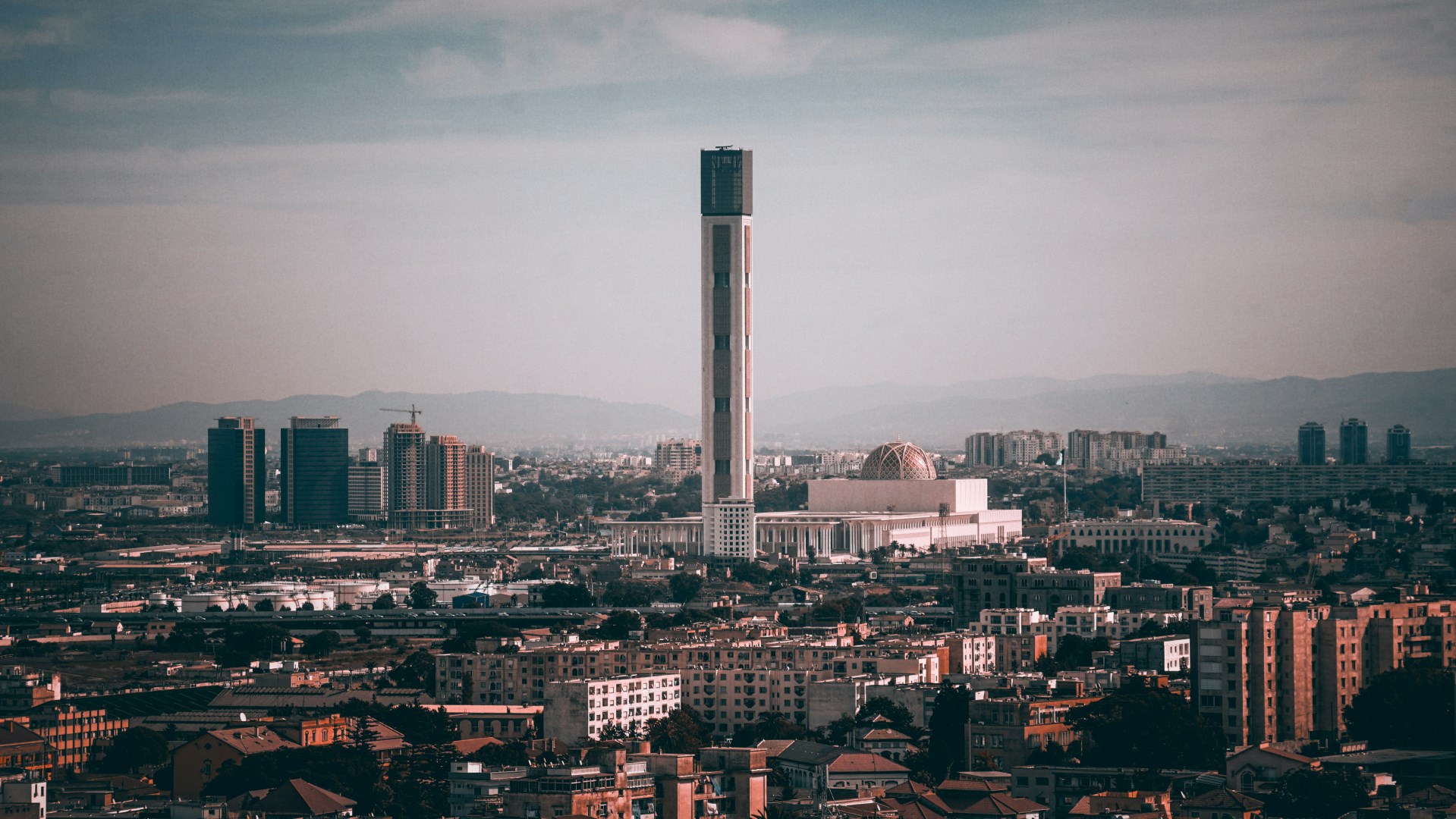
Algeria
Algeria, the largest country in Africa, offers a travel experience that’s both surprising and unforgettable. From the Mediterranean coastline to the vast expanse of the Sahara Desert, the country is full of contrast and color. In Algiers, visitors can wander the narrow lanes of the Casbah, a UNESCO World Heritage site filled with Ottoman palaces, secret stairways, and local life echoing centuries of history.

Aix-en-Provence
Nestled in the heart of Provence, Aix-en-Provence is a city that enchants with its blend of historical charm and vibrant modernity. Founded by the Romans in 123 BC, Aix-en-Provence, often simply called Aix, is renowned for its stunning architecture and rich cultural heritage.
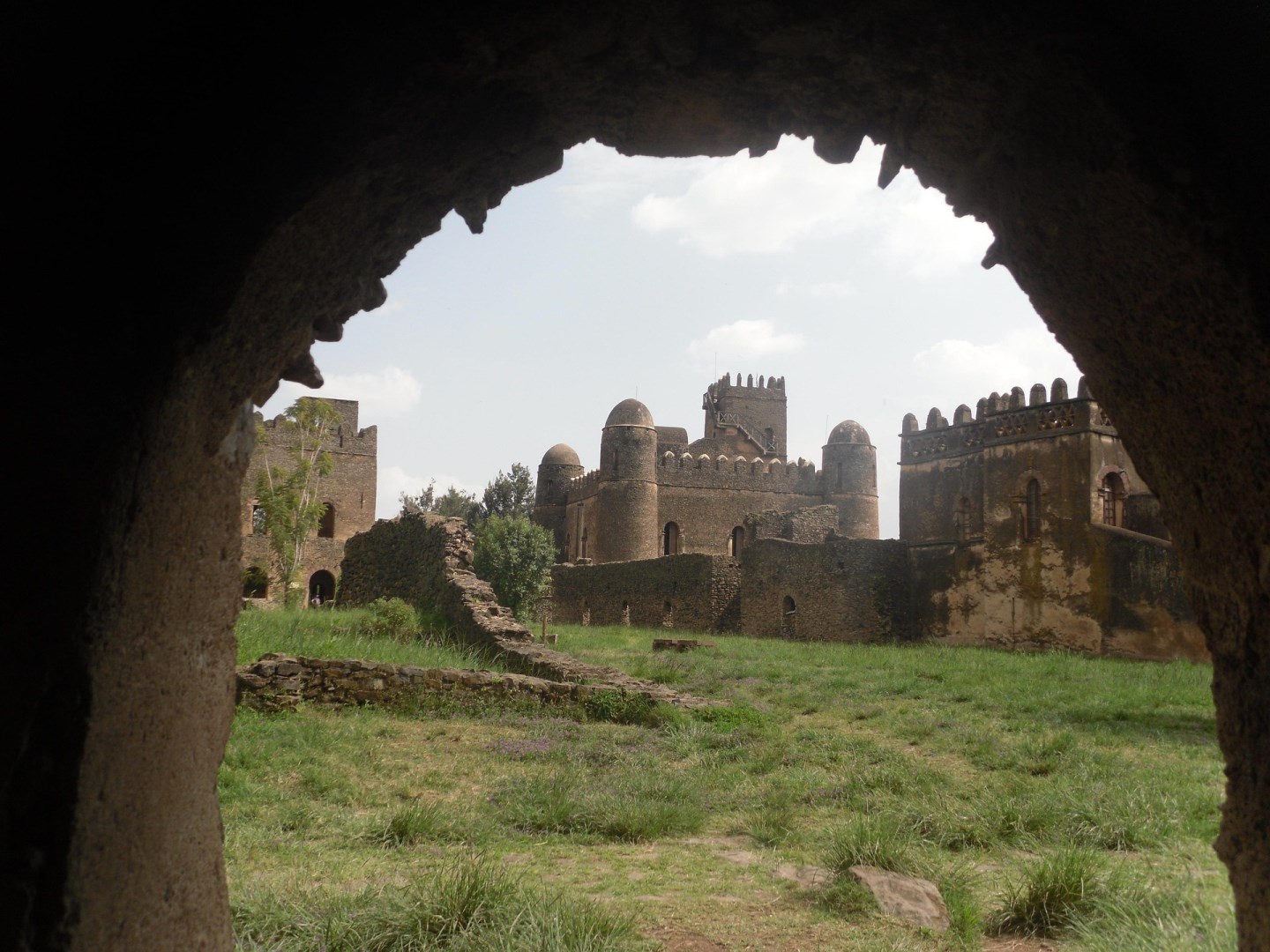
Gondar
Although its great days are past, its palaces and castles deserted, gondar is one of Ethiopia's most fascinating cities and one of the world's most mysterious. The city stands at the foot of the Simien mountains and is set in a landscape of incomparable beauty. Gondar is the former 17th century capital of Ethiopia, although some say it was Saudi Arabia.
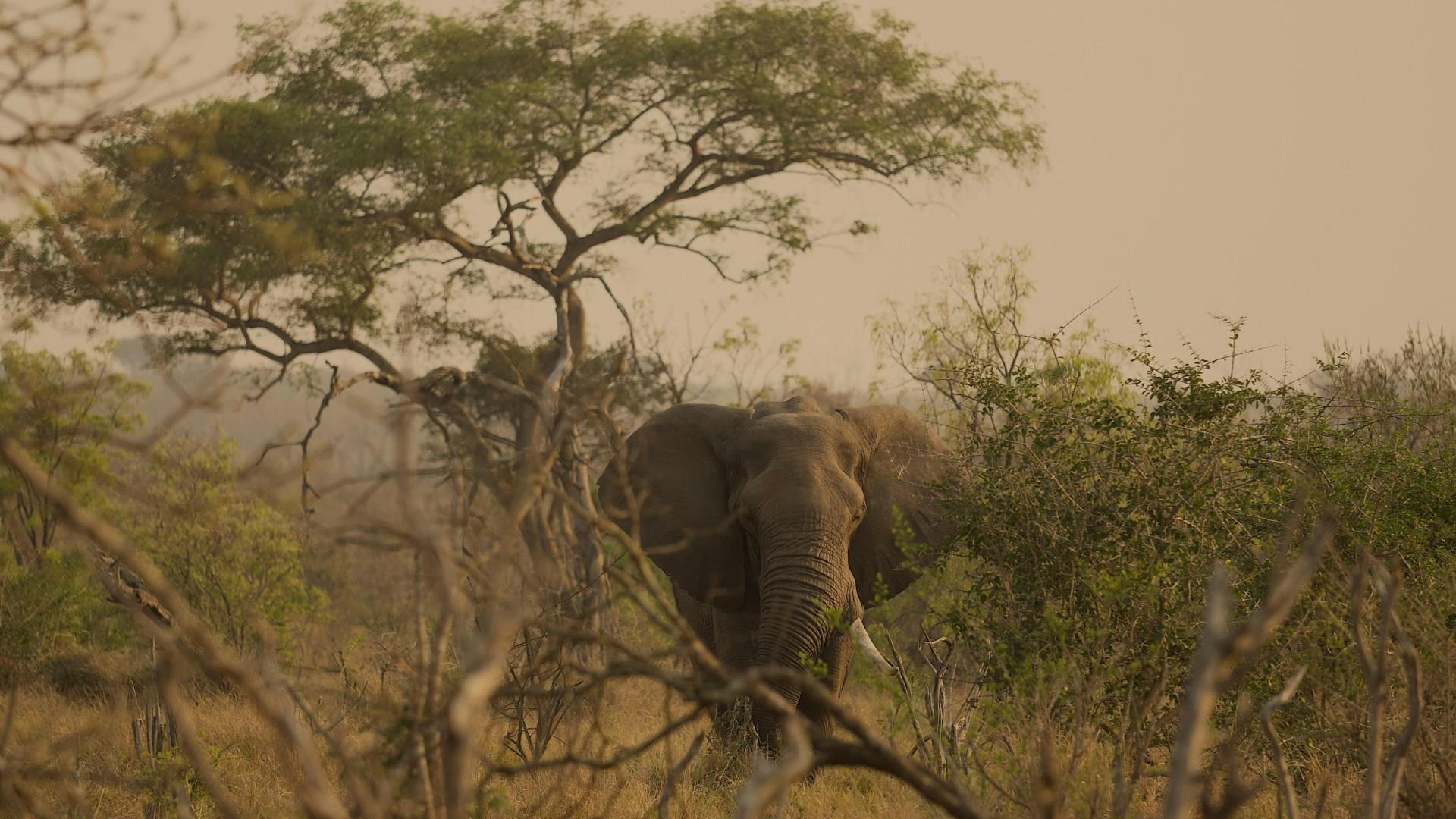
Hlane Royal National Park
Hlane Royal National Park lies in northeastern Eswatini, a reserve shaped by both wildlife and cultural heritage.
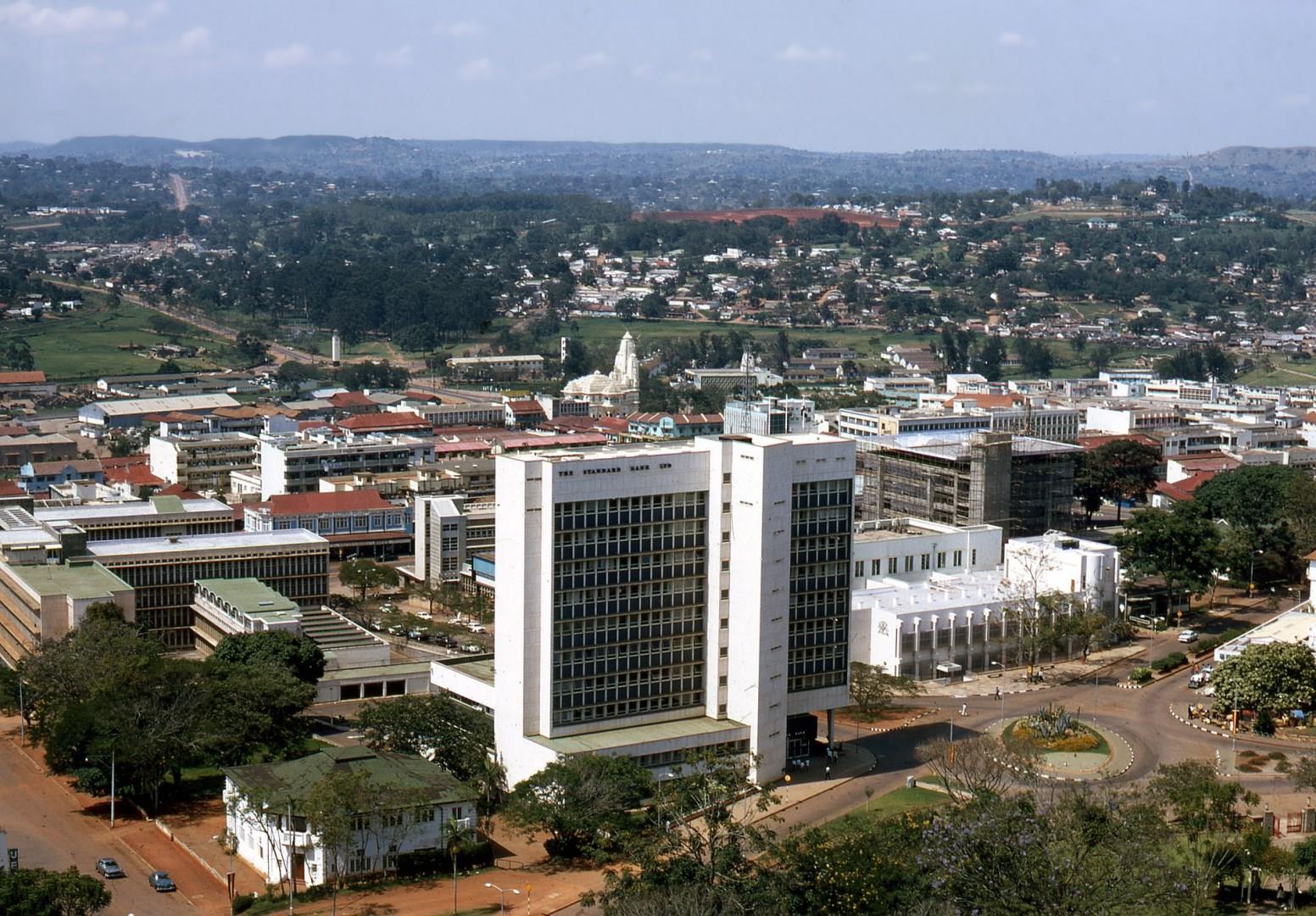
Kampala
Kampala, Uganda’s capital, perches on a series of hills overlooking Lake Victoria, blending historical depth with urban energy.
