

Mumbai
This energetic city is home to three UNESCO World Heritage Sites: the Elephanta Caves, Chhatrapati Shivaji Maharaj Terminus, and the city's distinctive Victorian and Art Deco buildings. It is the largest city in India and contains 7 distinct districts. There is so much to see here, but the most popular tourist attractions are typically concentrated in South Mumbai such as the Elephanta Caves, the Gateway of India and Chhatrapati Shivaji Maharaj Terminus.
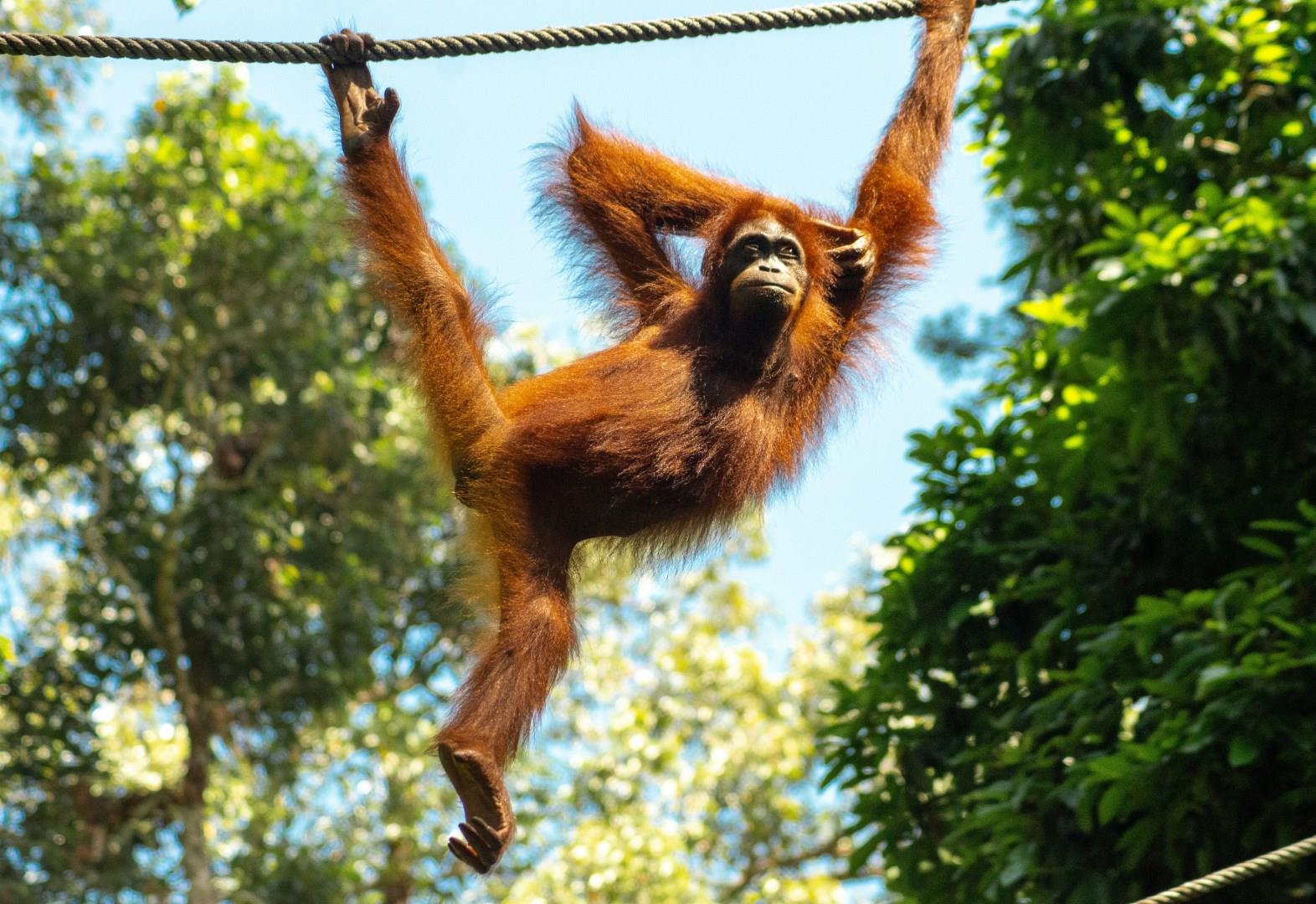
Sandakan Sabah
Sandakan, on the northeast coast of Sabah in Malaysian Borneo, is a city where history, wildlife, and culture come together. Once a major trading port known as “Little Hong Kong” for its bustling connections to the wider world, Sandakan has retained its multicultural character, with influences from Chinese, Malay, and Indigenous communities visible in its temples, markets, and cuisine.

Bolivia
Bolivia is a country where altitude meets attitude high in the Andes with rich traditions that stretch back thousands of years. Its capital, La Paz, sits in a bowl-shaped valley surrounded by jagged peaks, making it one of the highest cities in the world. Cable cars glide over the city’s rooftops, linking markets, museums, and neighborhoods in a way that doubles as both transport and sightseeing. From here, visitors can easily reach the Moon Valley.

Honolulu, Oahu
Honolulu, the capital of Hawaiʻi and the largest city in the Pacific, blends the energy of a major urban center with the deep roots of Native Hawaiian culture. Set on the island of Oʻahu, it’s home to iconic beaches, royal history, and a rhythm all its own. This sunny capital city is the main portal to the larger Hawaiian archipelago, and the perfect base for exploring Oahu.

Fairbanks
Whether you come to marvel at the Northern Lights, the ice sculptures at the World Ice Art Championships or the pure wilderness, there is so much to see and do in Fairbanks! This charming town is full of Native culture, warm hospitality and pioneer spirit.
