
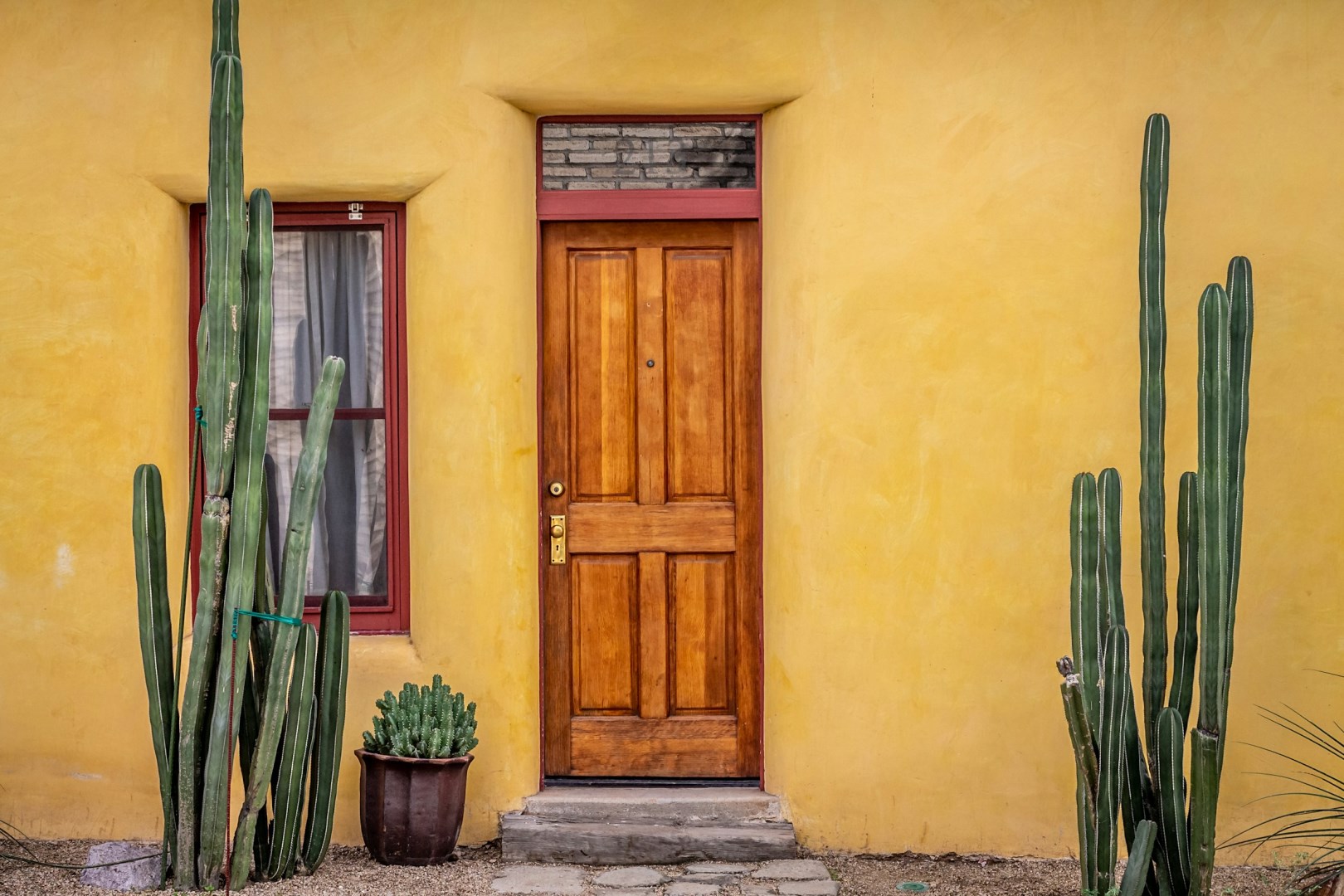
Tucson
The second largest city in Arizona, Tucson offers great weather, golf resorts, old western towns and much more.
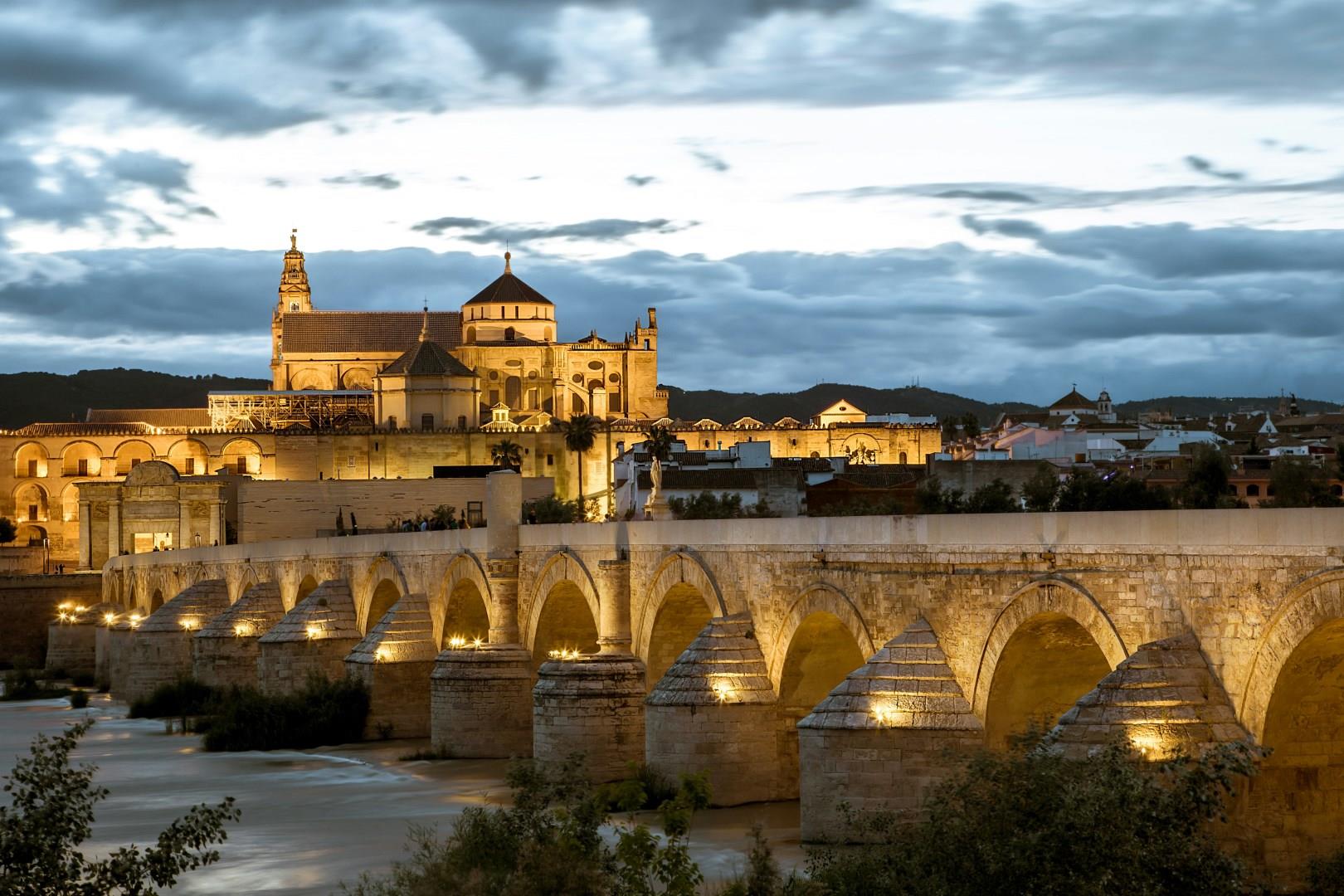
Córdoba
Córdoba, located in the heart of Andalusia, was once the most advanced city in Western Europe. During the 10th century, it served as the capital of Al-Andalus and was a center for learning, science, and art. Today, visitors walk the same streets that philosophers, poets, and physicians once crossed. The city’s most famous landmark, the Mezquita-Catedral, reflects its layered past. The red and white horseshoe arches inside are one of the most photographed interiors in Spain.
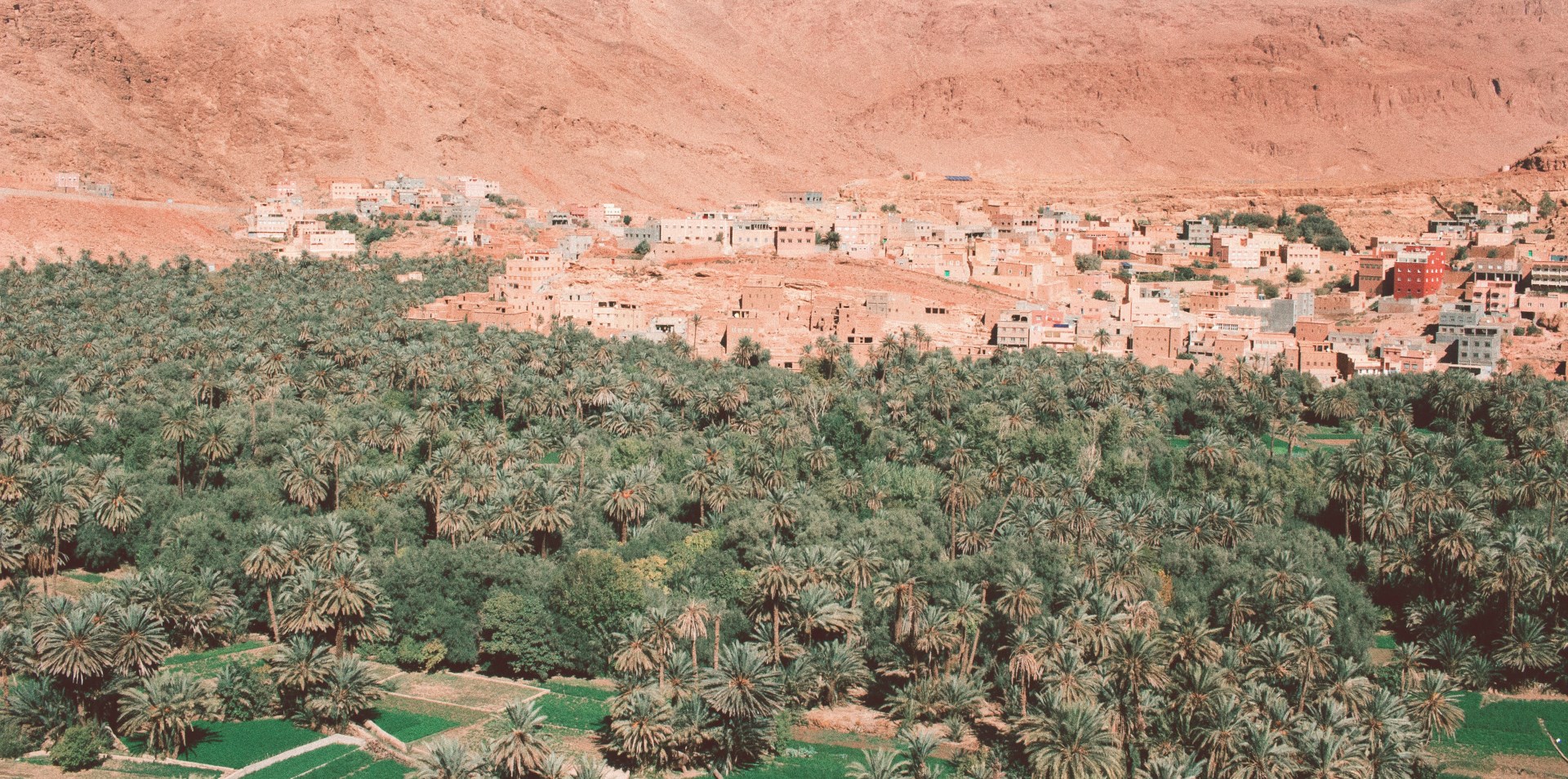
Boumalne Dades
At the edge of the High Atlas Mountains, Boumalne Dades stands as a gateway to one of Morocco’s most striking landscapes. The town stretches along a broad valley where the Dades River cuts through layers of red and ochre rock. This setting creates a dramatic backdrop that shifts in color throughout the day. Travelers often arrive here as a stopping point, but many stay longer after discovering the slower rhythm of village life and the easy access to nearby valleys and gorges.

St. Kitts
St. Kitts, part of the twin-island federation of Saint Kitts and Nevis, is known for its volcanic landscape, coastal plains, and long stretches of shoreline. The island’s layout is shaped by its central peaks, including Mount Liamuiga, which rises above surrounding farmland and villages. Basseterre, the capital, serves as the main hub for commerce and government, with a harbor that regularly receives cruise ships.

Hiroshima
Hiroshima, a city on Japan’s Honshu Island, is a place where history and resilience intertwine to create a destination that is both deeply moving and inspiring. Beyond its historical significance, Hiroshima offers visitors a vibrant cultural scene.
