
Paraguay
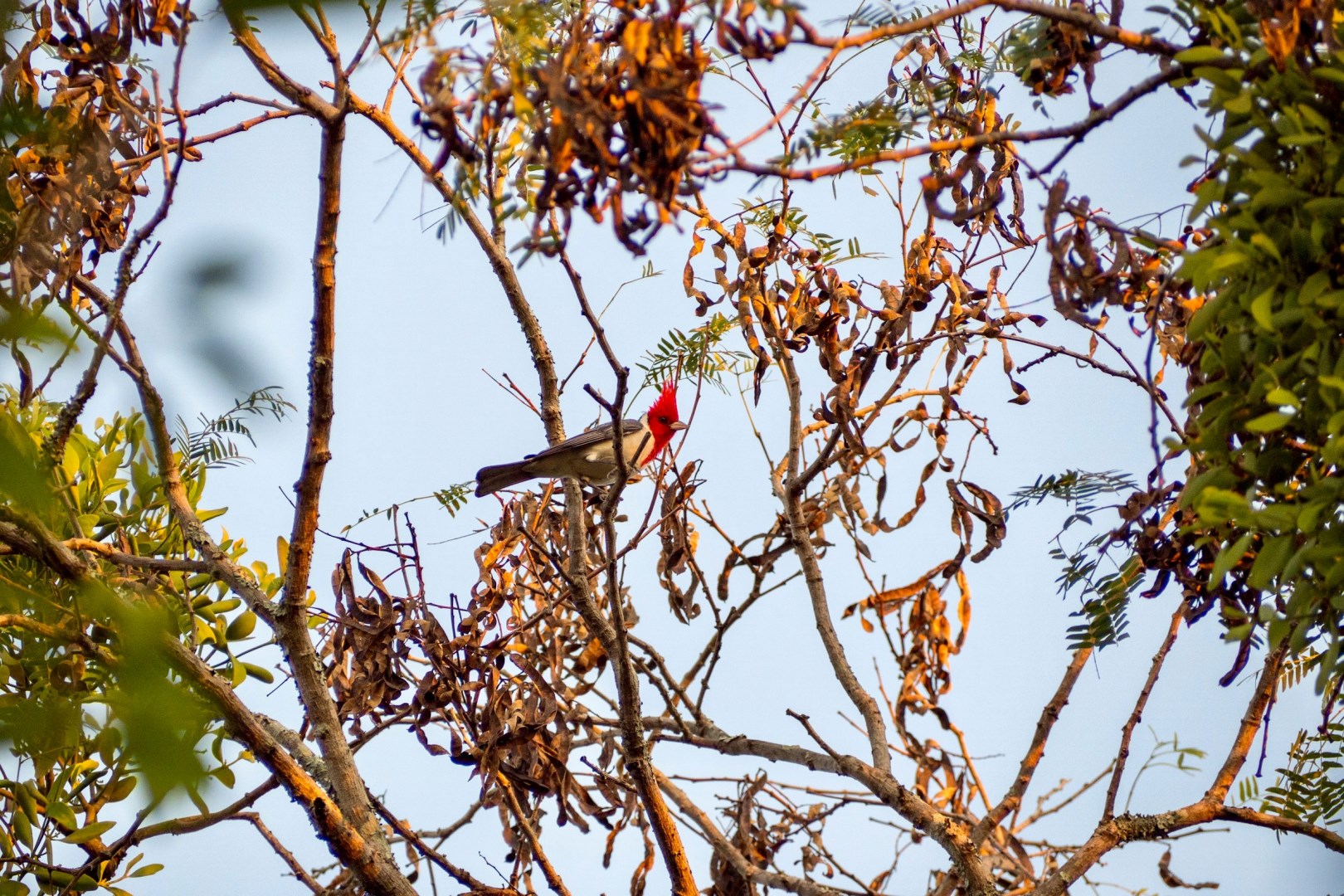
Paraguay is a country that moves to its own rhythm. Landlocked and often overlooked, it’s one of South America’s most culturally distinct destinations. With two official languages, Spanish and Guaraní, and a strong Indigenous heritage, Paraguay offers a travel experience shaped more by tradition than by trend. For travelers drawn to wild, open landscapes, Paraguay offers two distinct ecosystems: the lush, river-fed east and the remote, dry Chaco in the west.
Antelope Canyon
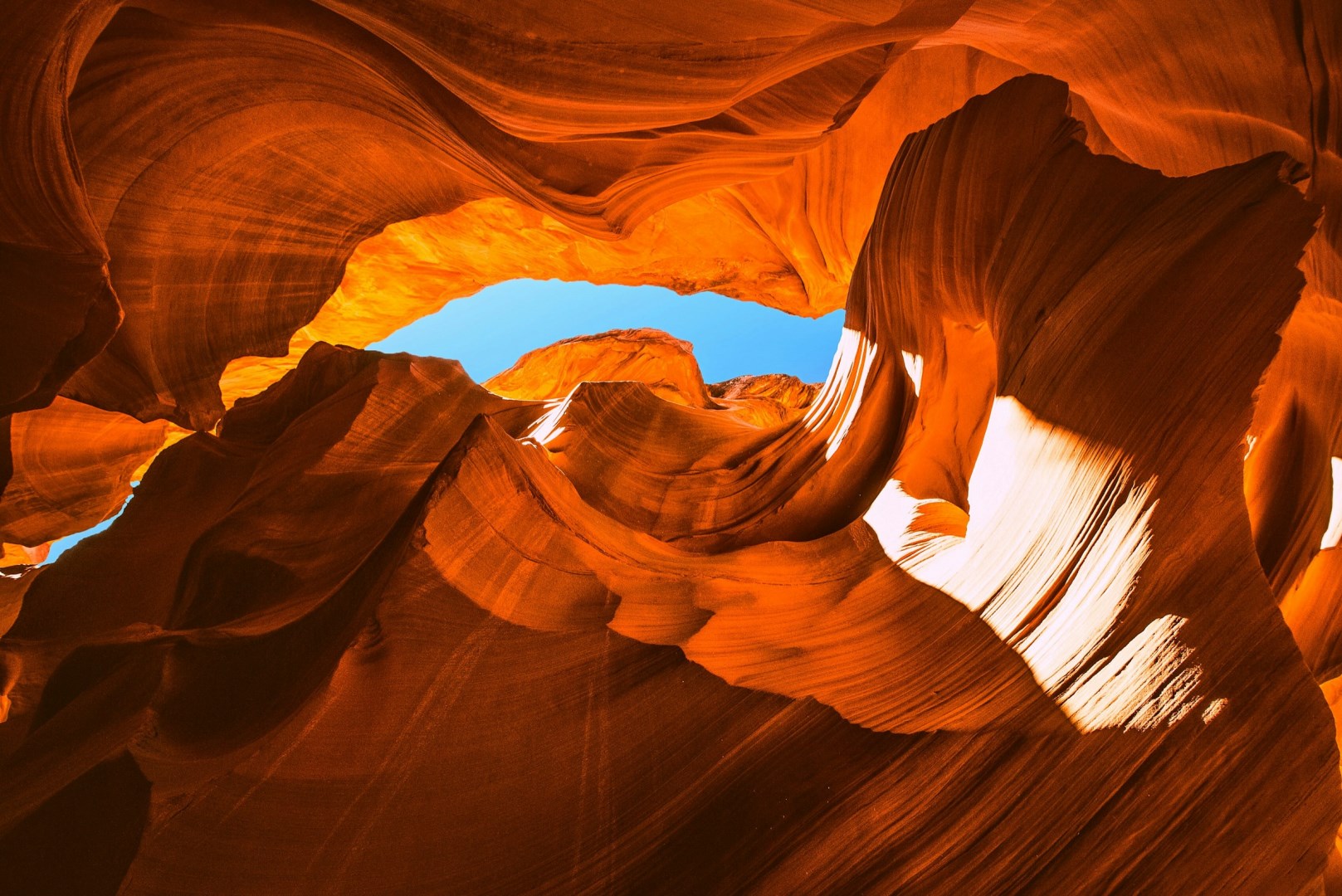
Antelope Canyon is a narrow sandstone slot canyon on the Navajo Nation in northern Arizona, near Page and Lake Powell. It is divided into two main sections, Upper Antelope Canyon and Lower Antelope Canyon, both shaped by water erosion through Navajo Sandstone. The canyon is known for flowing walls, narrow passages, and shifting patterns of light and shadow.
Polonnaruwa
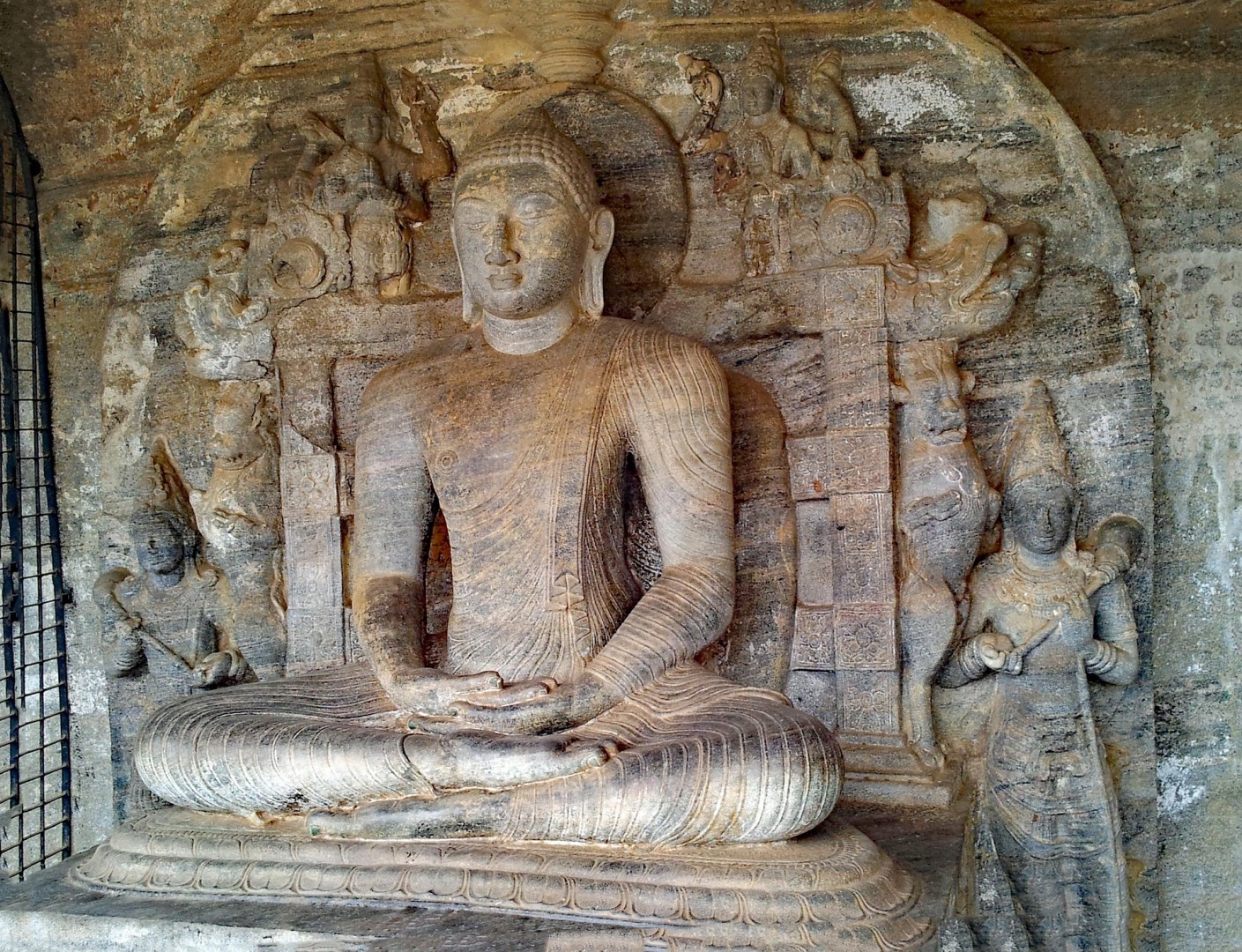
Polonnaruwa, located in Sri Lanka’s North Central Province, served as the island’s capital nearly a thousand years ago. Today, it offers one of the most extensive and well-preserved archaeological sites in South Asia. Visitors can walk among the ruins of royal palaces, Buddhist monasteries, and intricately carved stone temples. One of the highlights of Polonnaruwa is the Gal Vihara, a group of colossal Buddha statues carved directly into granite.

Ponta Delgada (Azores)
With its mix of cultural heritage and access to extraordinary landscapes, Ponta Delgada captures the spirit of the Azores. Whether exploring its historic streets, savoring local cuisine, or embarking on adventures in nature, travelers will find plenty to inspire and delight in this charming city.
Port Macquarie
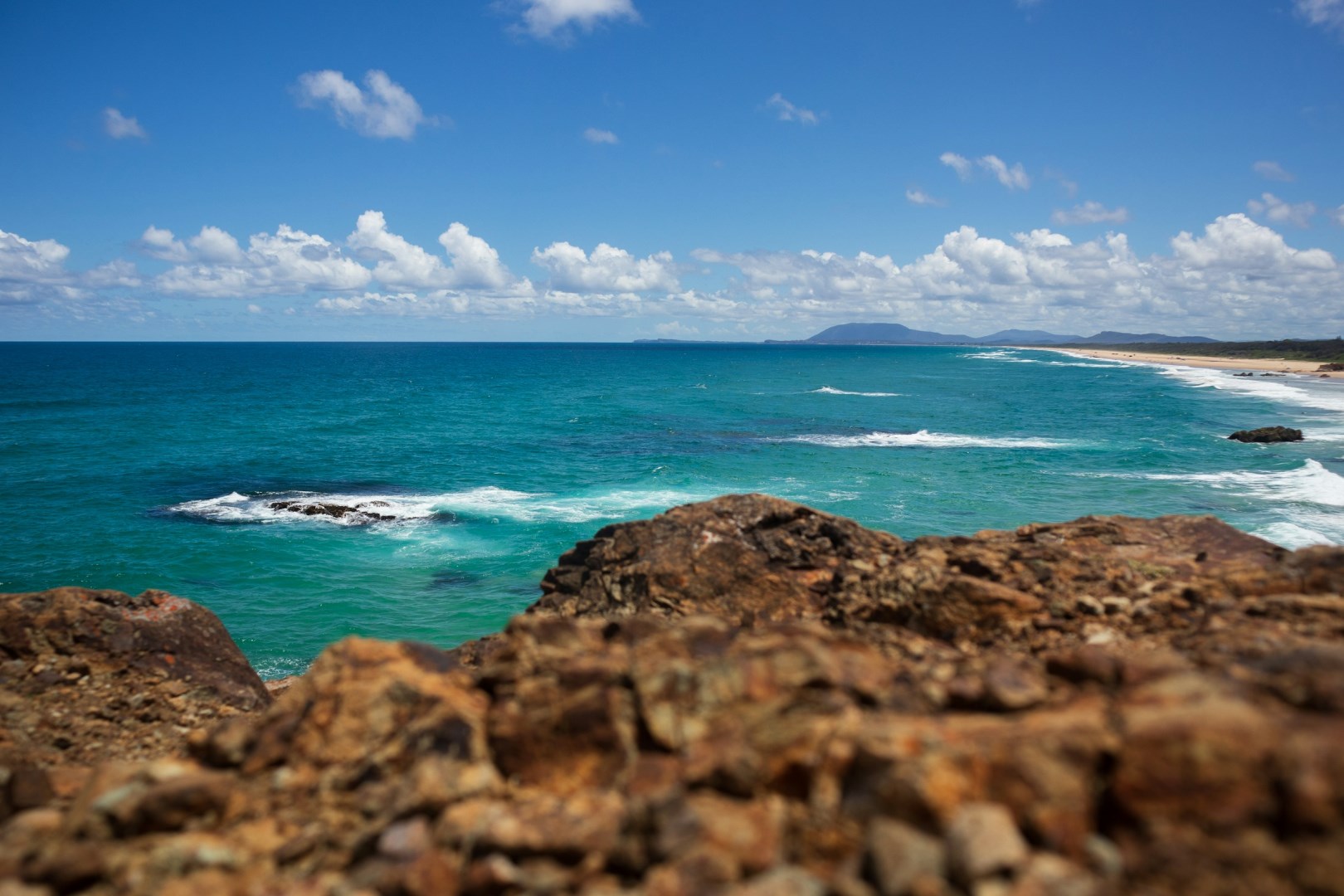
Port Macquarie is situated on the Hastings River and surrounded by several beaches, along its coast. There are plenty of shops around Port Macquarie town centre including a number of different shops including surfing shops, craft and gift shops, antique shops, as well as large shopping malls like Port Central and Settlement Point Peninsula.
