
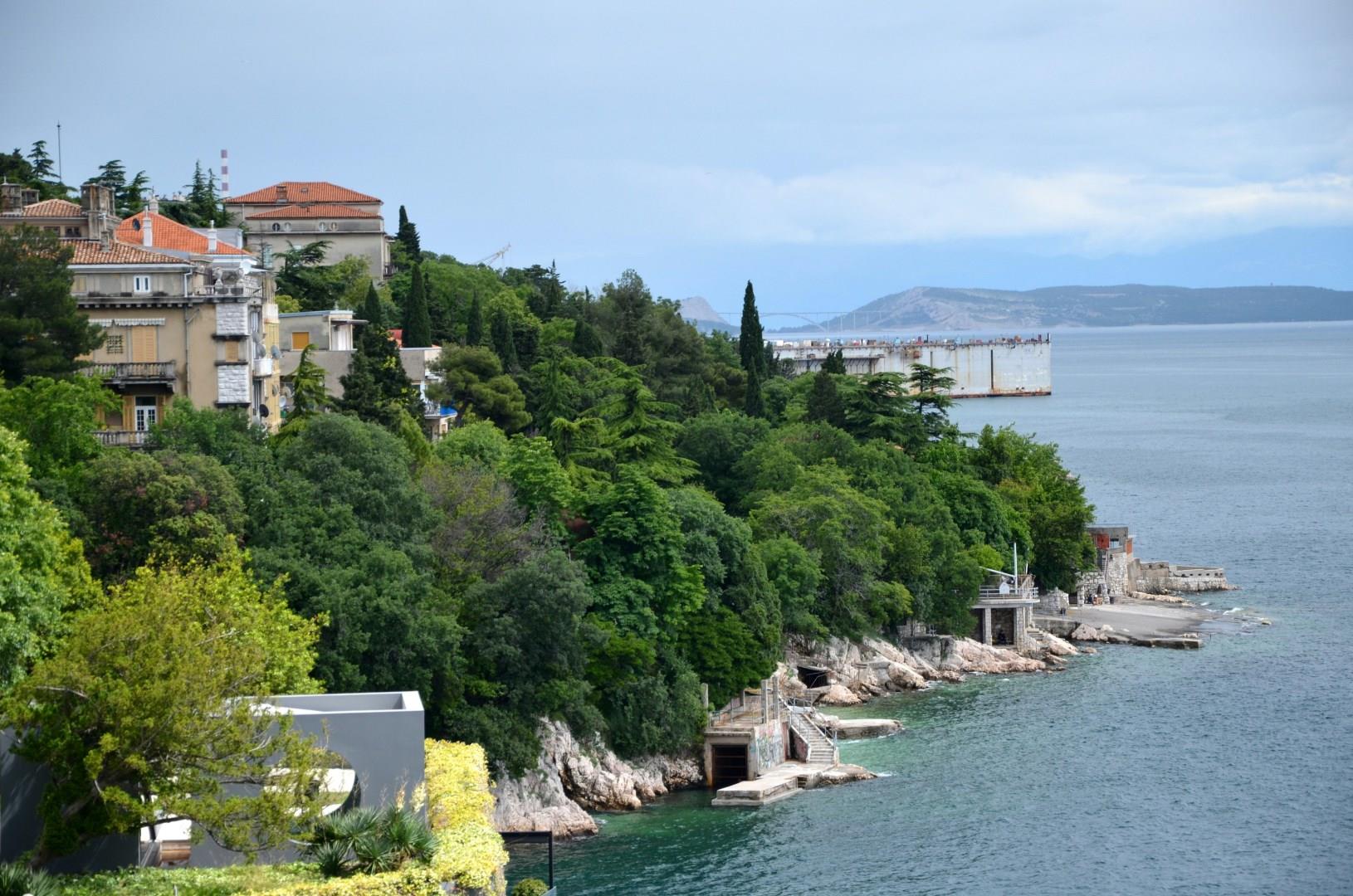
Rijeka
Rijeka sits at the head of Kvarner Bay on Croatia’s northern Adriatic, shaped by its long role as a port city at the crossroads of empires.
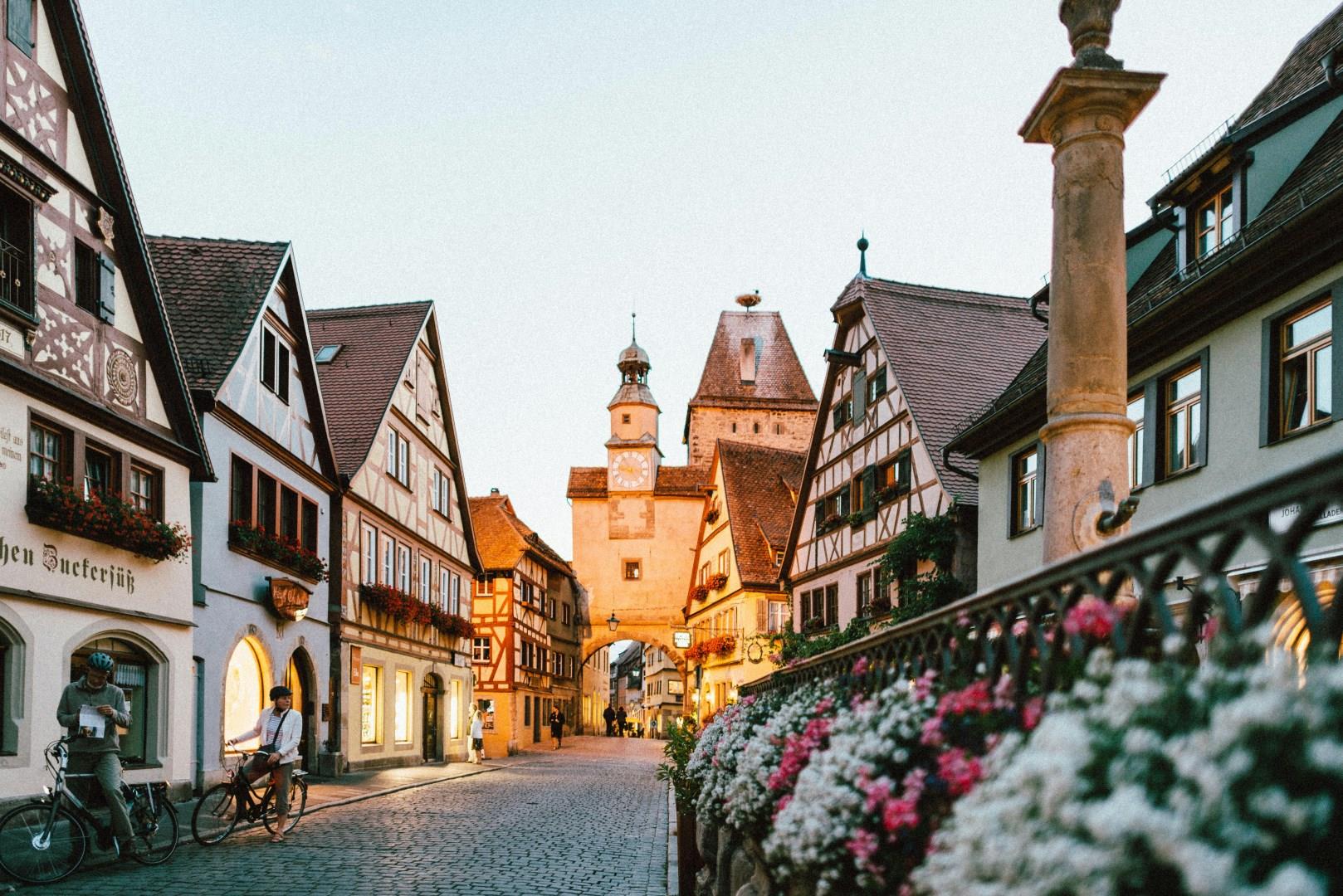
Rothenburg
Rothenburg ob der Tauber rises above the Tauber River in Bavaria, where its medieval town center has stood largely unchanged for centuries, making it one of Germany’s most vivid windows into the past. This old walled city stretches along cobblestone streets where half-timbered houses, ancient towers, and narrow alleys invite visitors to wander and imagine life in the Middle Ages.
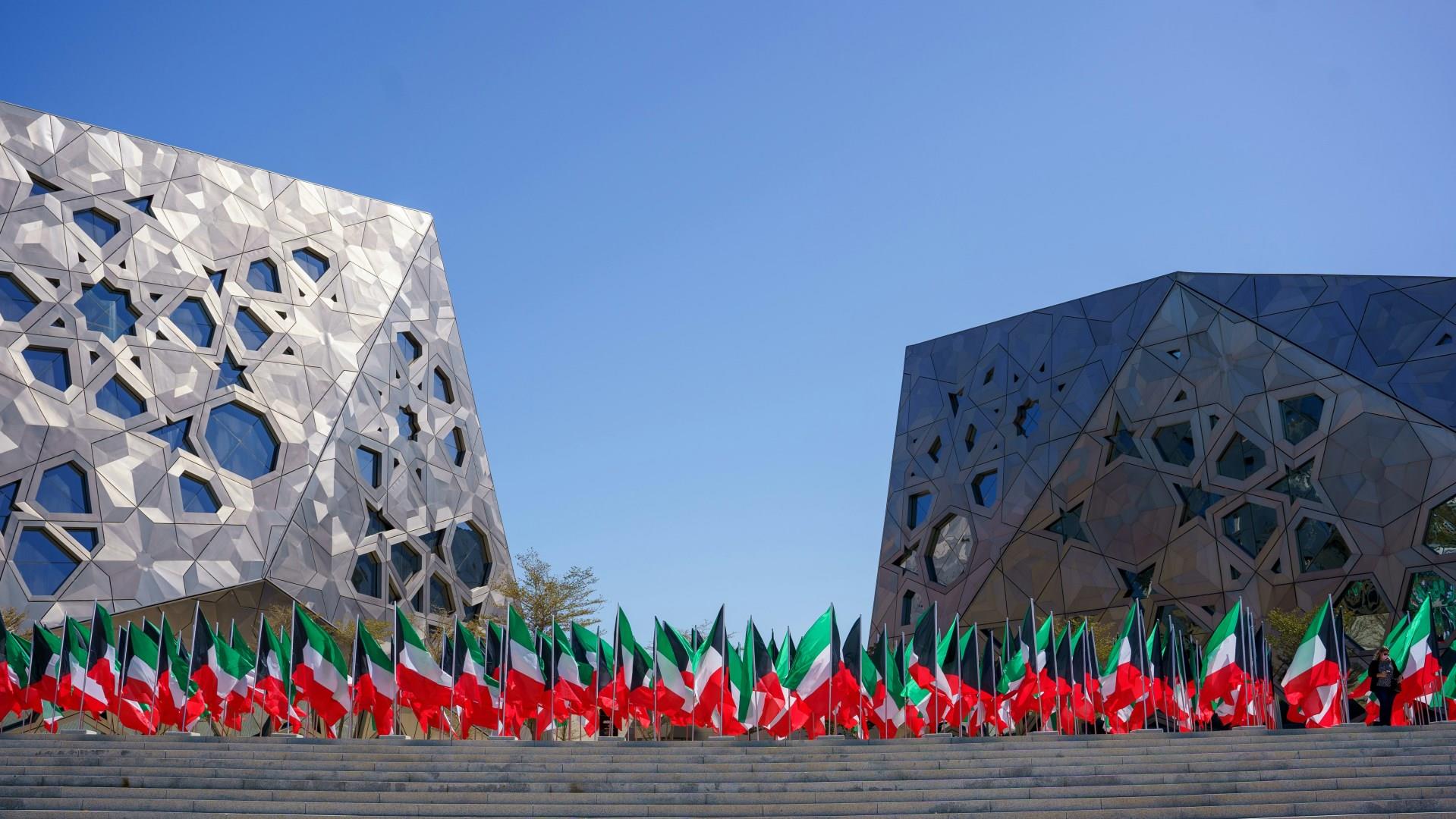
Kuwait City
Kuwait City began as a modest fishing village and has evolved into a modern metropolis. The city's history is deeply rooted in its maritime heritage. The Dhow Harbour in Kuwait City offers a captivating glimpse into the nation's rich maritime past. Historically, dhows were essential for trade, fishing, and pearl diving, shaping Kuwait's economic and cultural identity. Today, the harbor remains a vibrant testament to this legacy, housing a variety of traditional wooden ships.

Pompeii
Pompeii, Italy, is a mesmerizing time capsule that invites travelers to step back into the world of ancient Rome. Once a thriving city, Pompeii was abruptly buried under volcanic ash and pumice following the catastrophic eruption of Mount Vesuvius in 79 AD. This tragic event preserved the city in remarkable detail, allowing visitors today to walk the cobbled streets and witness a snapshot of Roman life, from grand villas and bathhouses to bakeries and amphitheaters.
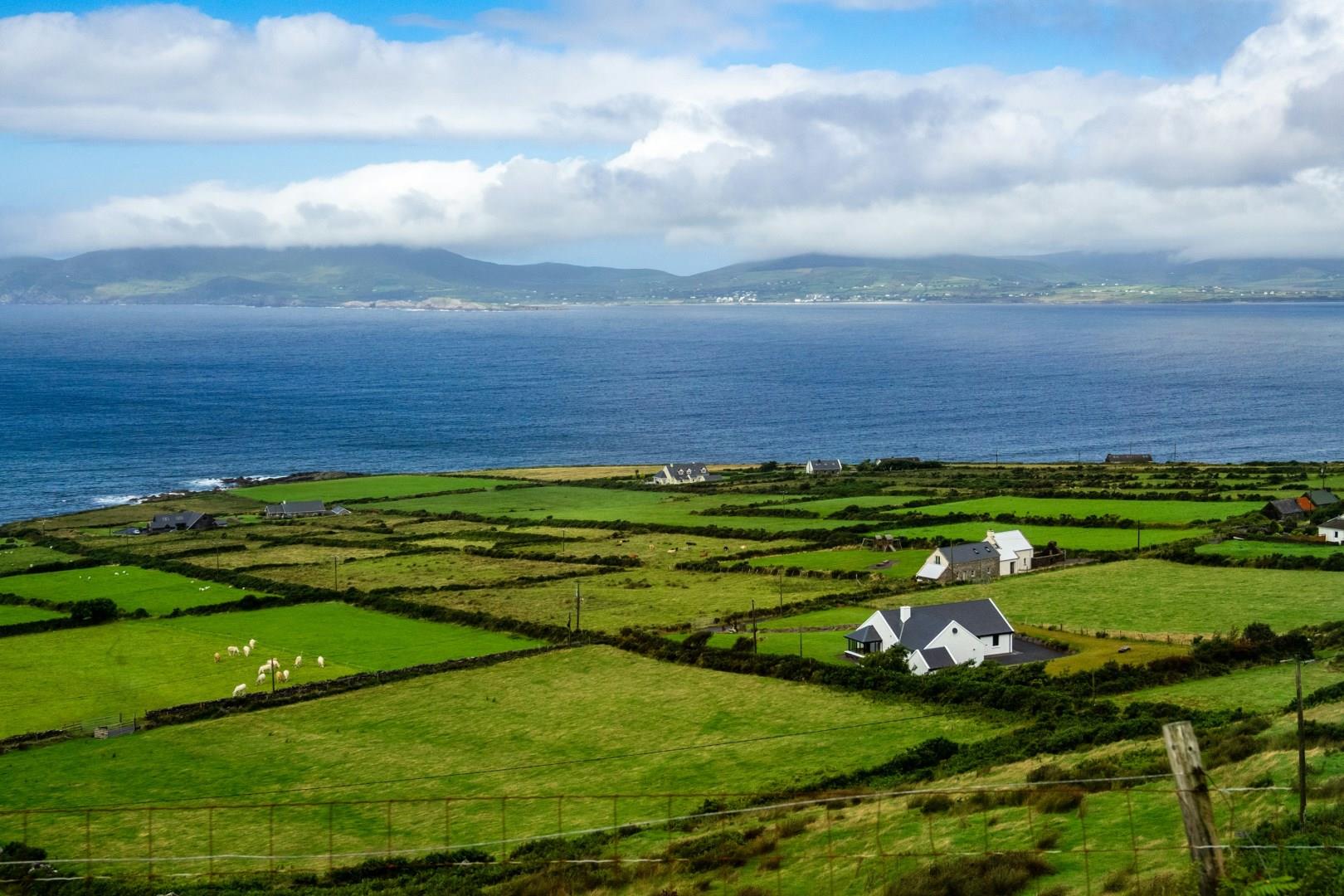
Ring of Kerry
The Ring of Kerry, a 179-kilometer circular route in County Kerry, Ireland, offers travelers a journey through rugged coastal cliffs, remote villages, and winding mountain roads. Starting from Killarney, the route moves clockwise through towns like Kenmare, Waterville, Cahersiveen, and Glenbeigh, each offering its own slice of Irish life. Though often explored by car or tour bus, cycling the route is growing in popularity, especially during spring and early autumn when traffic is lighter.
