
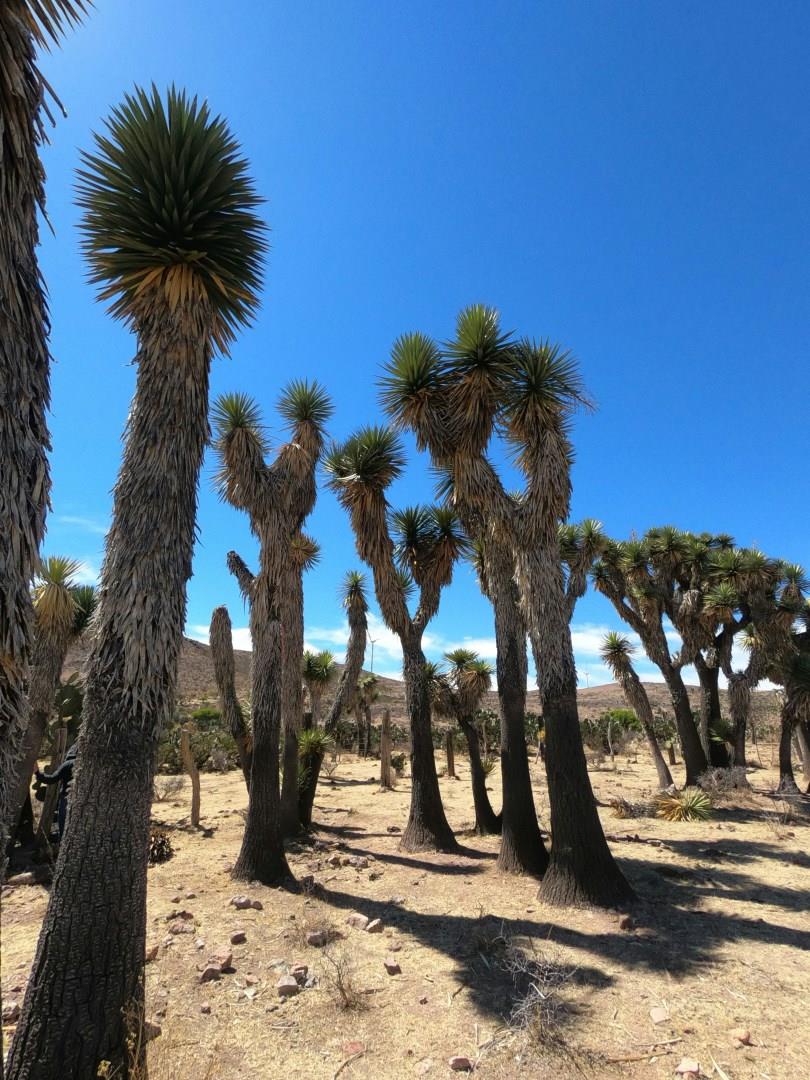
Zacatecas
Zacatecas, built into the slopes of a narrow ravine in north-central Mexico, is a city with a deep mining past and a striking skyline. The historic center, a UNESCO World Heritage Site, is known for its pink cantera stone buildings, narrow alleys, and impressive baroque facades. The Cathedral Basilica of Zacatecas, completed in 1752, stands as one of the most detailed examples of Mexican baroque architecture, with hundreds of carved figures covering its sandstone exterior.

Glenfinnan
Glenfinnan, nestled in the Scottish Highlands, is a picturesque village renowned for its dramatic landscapes and historical significance. This small but enchanting destination is best known for the Glenfinnan Viaduct, an architectural marvel completed in 1901.

Kos
Kos, an enchanting island in Greece’s Dodecanese archipelago, is a gem steeped in both history and natural beauty. Known as the birthplace of Hippocrates, the father of modern medicine, Kos is home to the ancient Asclepeion, a healing temple where Hippocrates taught his students. Visitors can wander through the well-preserved ruins and enjoy sweeping views over the island and the Aegean Sea.

Valparaíso
Valparaíso, Chile, is a city that beckons travelers with its vibrant street art, steep hillsides, and bohemian spirit. Known as the "Jewel of the Pacific," Valparaíso's historical importance as a major port during the 19th century has left an indelible mark on its architecture and culture.
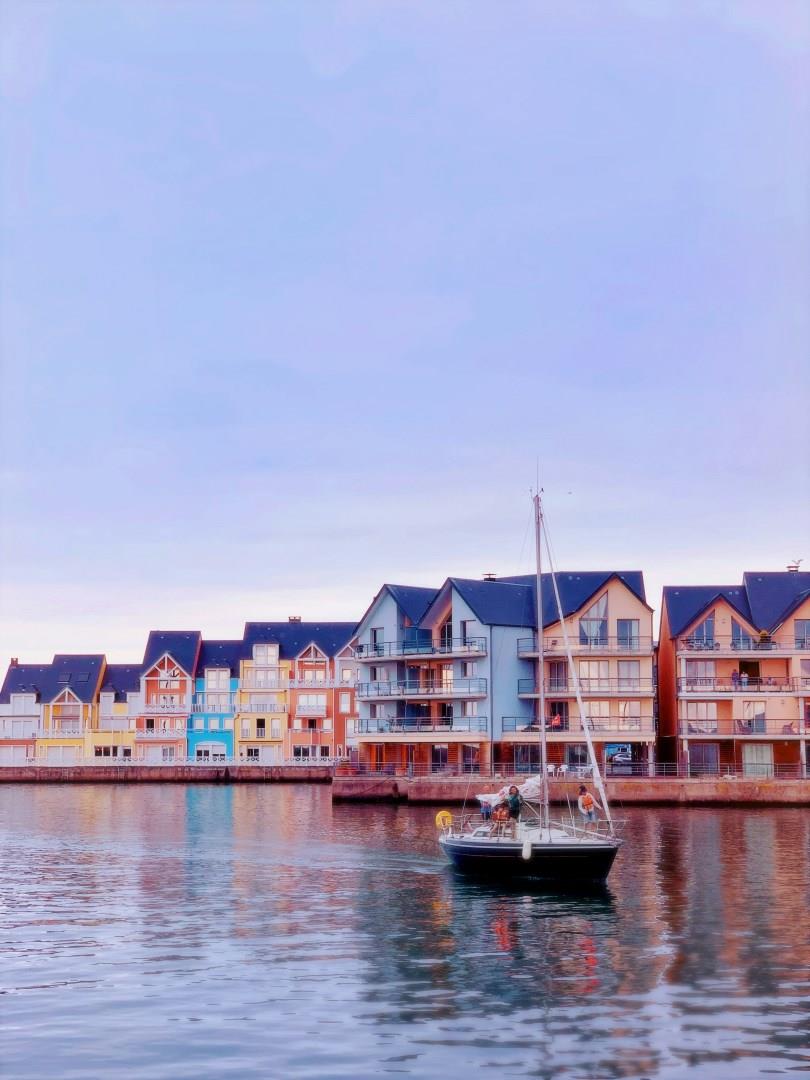
Deauville
Deauville sits on the Normandy coast of northern France and has long been associated with seaside leisure, elegance, and cultural life. Developed in the mid-19th century as a resort for Parisian society, the town quickly became a place where architecture, fashion, and social rituals shaped its identity.
