
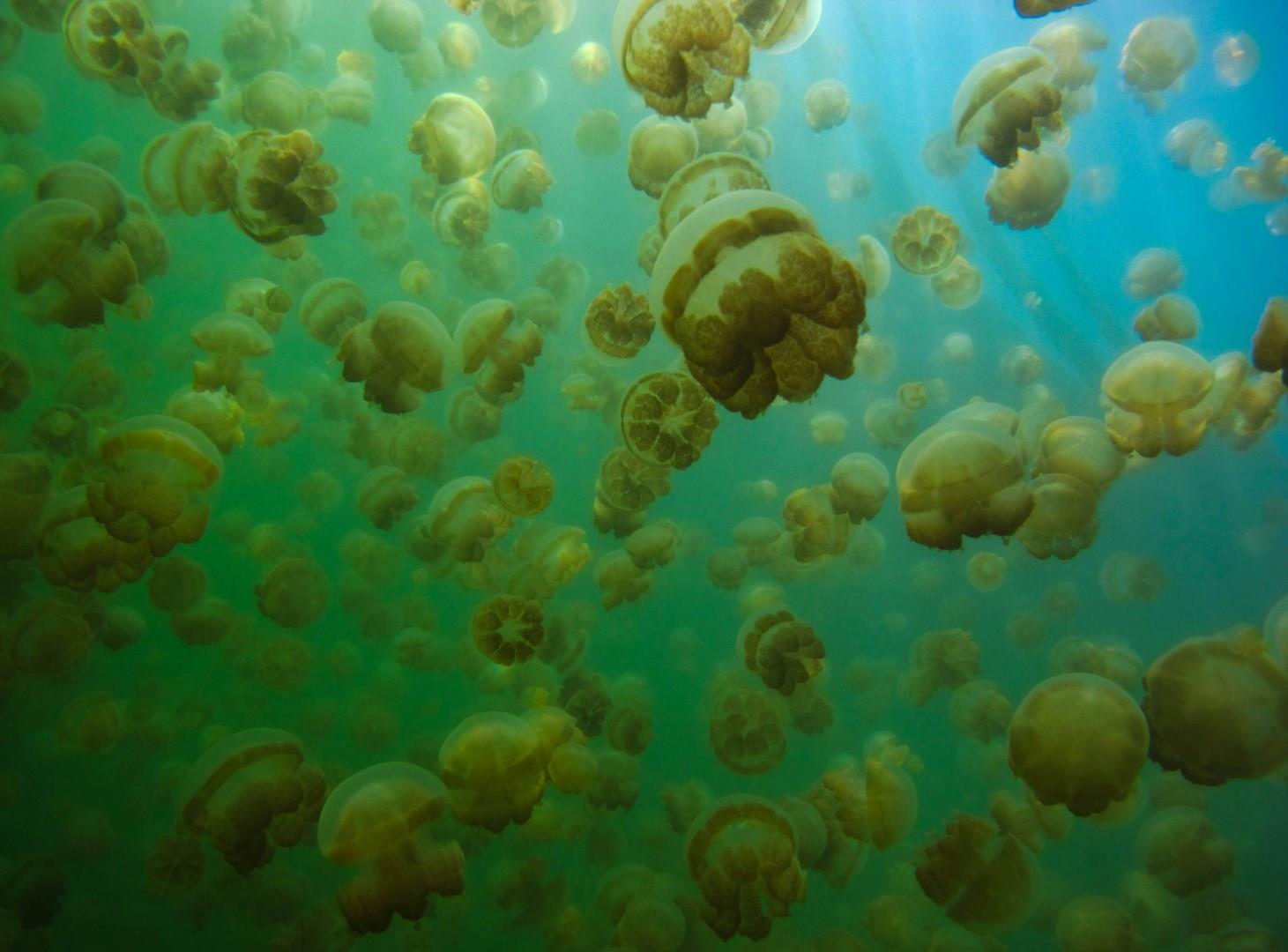
Jellyfish Lake
Jellyfish Lake is a shadowed oasis hidden among the mushroom-like Rock Islands of Palau. This forest‑fringed saltwater lake invites visitors to float with millions of gentle, stingless jellyfish that glow like drifting amber clouds under emerald light. The lake formed about 12,000 years ago, when rising seas flooded an ancient reef basin that was gradually cut off from the ocean. Over centuries, its jellyfish evolved in isolation, shedding their stings and multiplying without predators in sight.
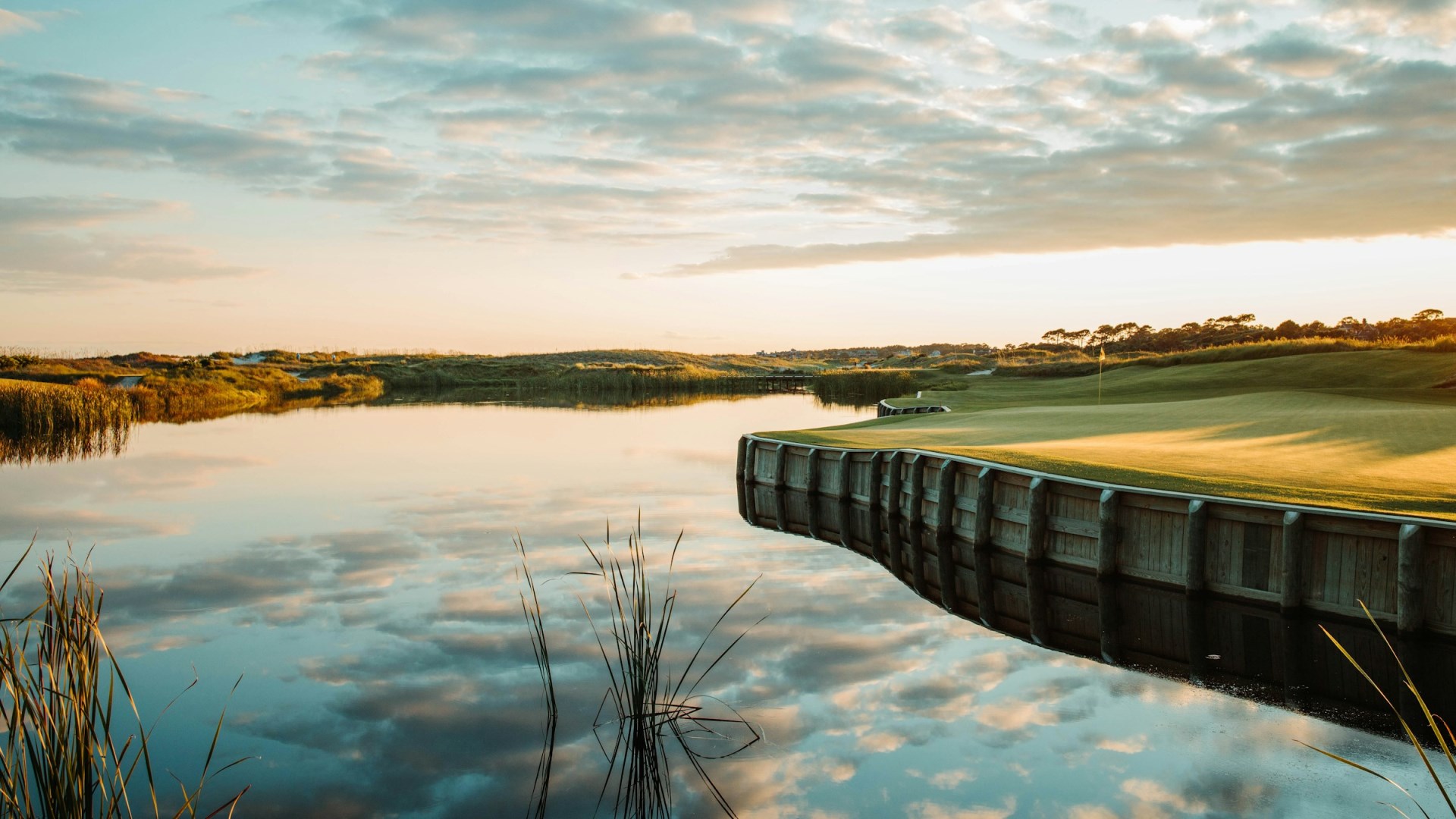
Kiawah Island
Kiawah Island boasts over 10 miles of wide, immaculate, ocean beach. Soothing by day, romantic by night, the beach is complimented by river, meandering lagoons, and pristine marshlands.

Dominica
Dominica, known as the “Nature Island of the Caribbean,” is a haven for eco-tourists and adventure seekers. Nestled between the French islands of Guadeloupe and Martinique, this lush island boasts a remarkable landscape of volcanic mountains, dense rainforests, and stunning waterfalls. Dominica’s most iconic natural wonder is the Boiling Lake, the second-largest hot spring in the world.
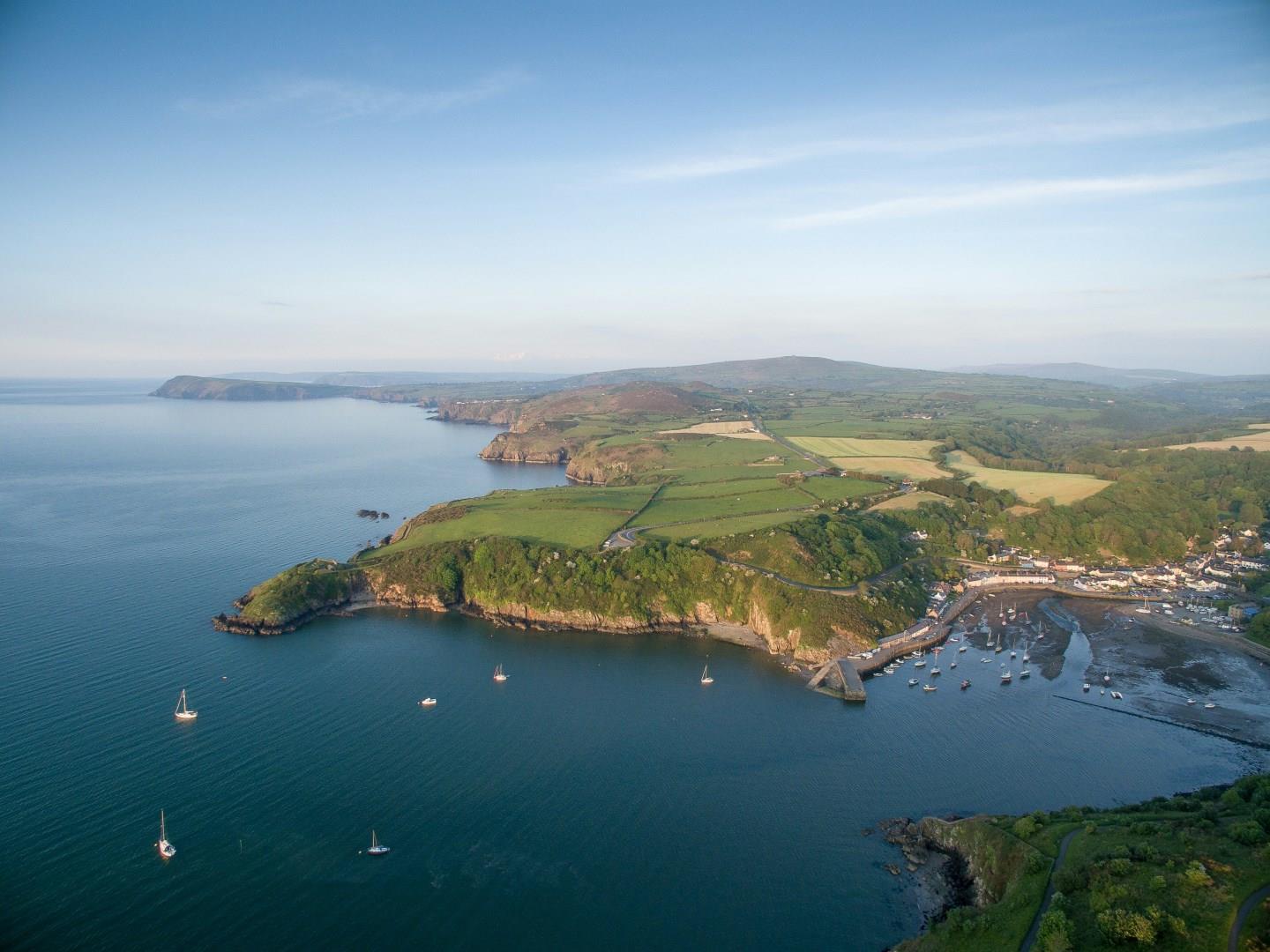
Fishguard
Fishguard, a coastal town in north Pembrokeshire, is divided into two parts: Fishguard and Lower Town. Lower Town is a small harbor nestled at the mouth of the River Gwaun, lined with fishing cottages and boats. It has served as a filming location for several productions, including the 1956 movie *Moby Dick* starring Gregory Peck. Visitors can walk the quayside, explore rock pools at low tide, or take boat trips along the Pembrokeshire Coast.
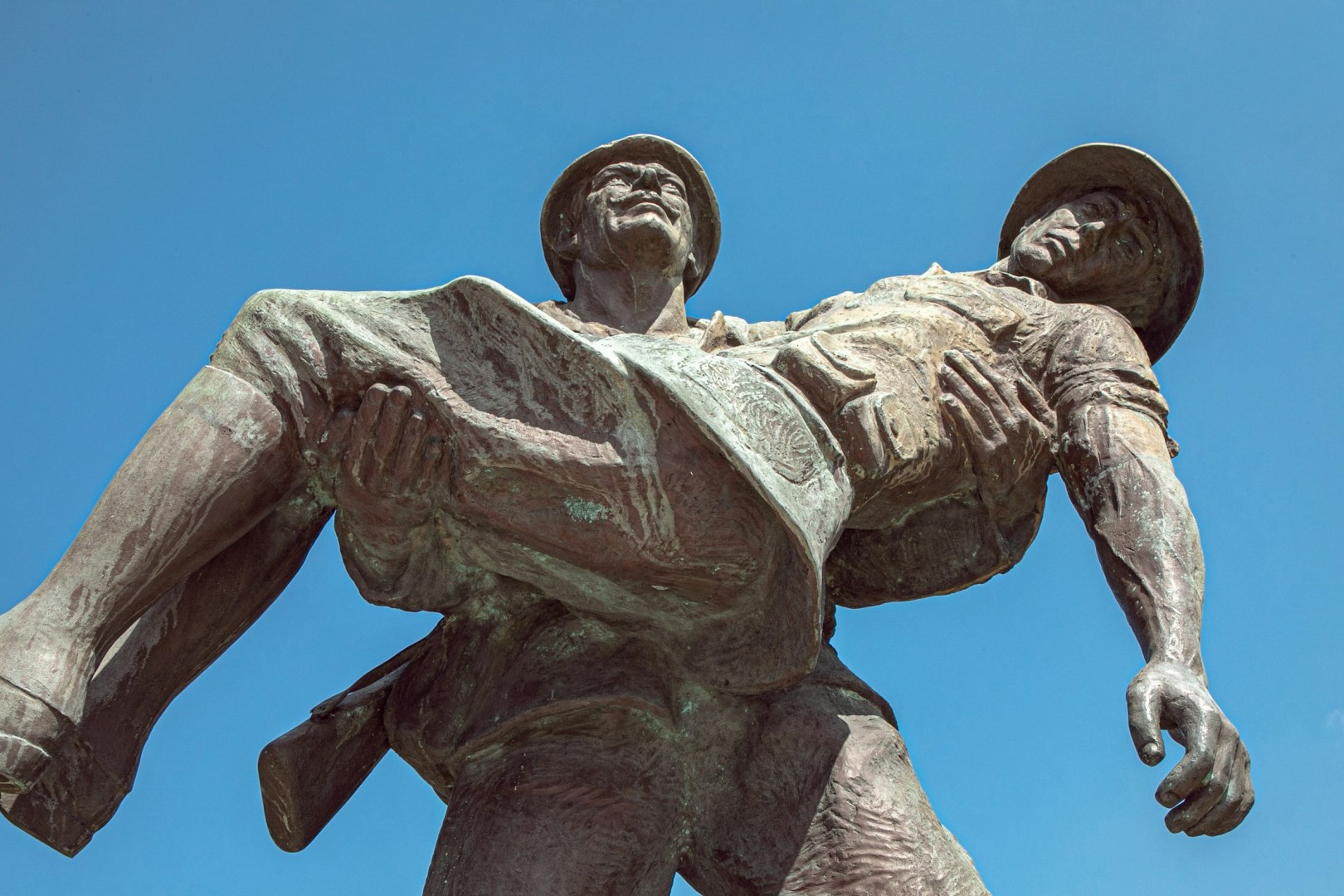
Gallipoli
Most people visit Gallipoli for the chilling, contemplative sites of Anzac Cove and Lone Pine Cemetery. To honor the 500,000 soldiers who lost their lives at battle here, this peninsula was made into a National Park.
