
Hever
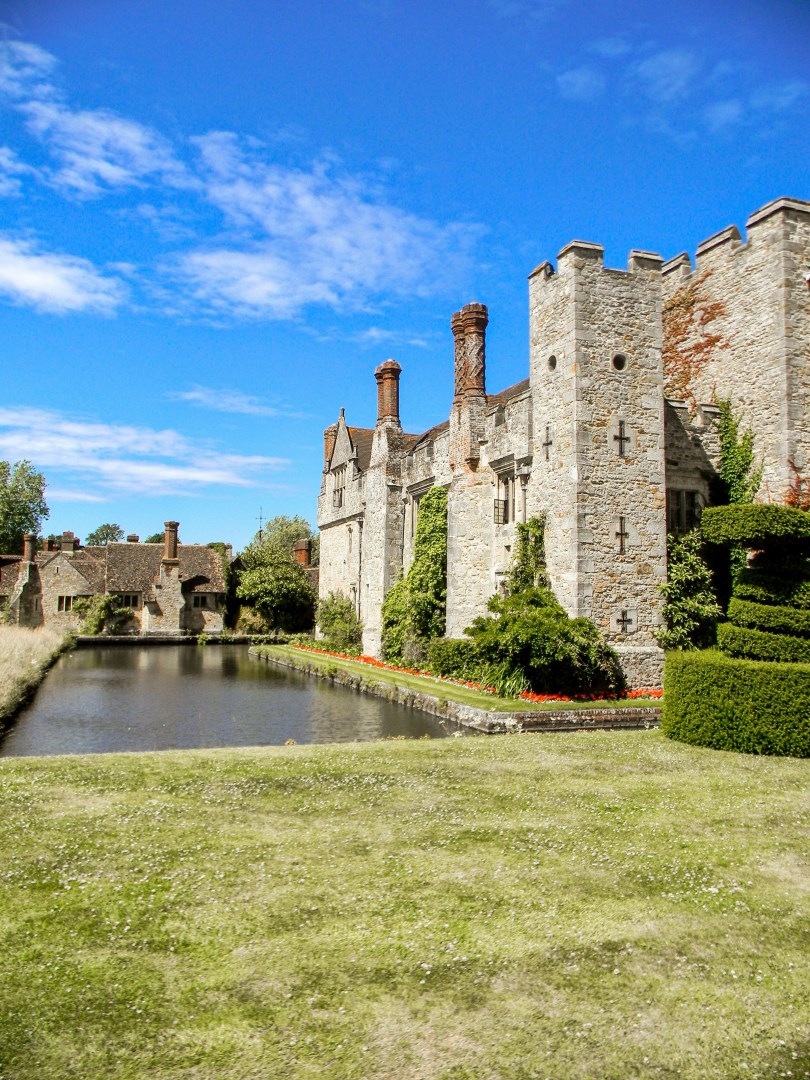
Hever is a small village in Kent, southeastern England, best known for Hever Castle and its surrounding estate. The settlement lies within a rural landscape of wooded hills, fields, ponds, and country lanes characteristic of the High Weald. Hever Castle is a compact medieval building surrounded by a moat, while the estate includes extensive gardens and parkland.
Worcester
Worcester, Massachusetts is located on the Blackstone River, near Lake Quinsigamond. Points of interest include: the American Antiquarian Society; the Worcester Art Museum; the Worcester Historical Museum; the John Woodman Higgins Armory; and the Worcester Science Center, with collections on the biological and physical sciences; and the Worcester
Music Festival.
Music Festival.

Cádiz
With its captivating blend of ancient history, sun-drenched beaches, and vibrant Andalusian culture, Cádiz, Spain, stands as one of Europe’s oldest continually inhabited cities. Founded over 3,000 years ago by the Phoenicians, this coastal gem in southern Spain offers a rich tapestry of historical sites and modern charms. The old city of Cádiz is a labyrinth of narrow cobblestone streets, whitewashed houses, and hidden plazas that evoke the city’s Moorish past.
Azerbaijan
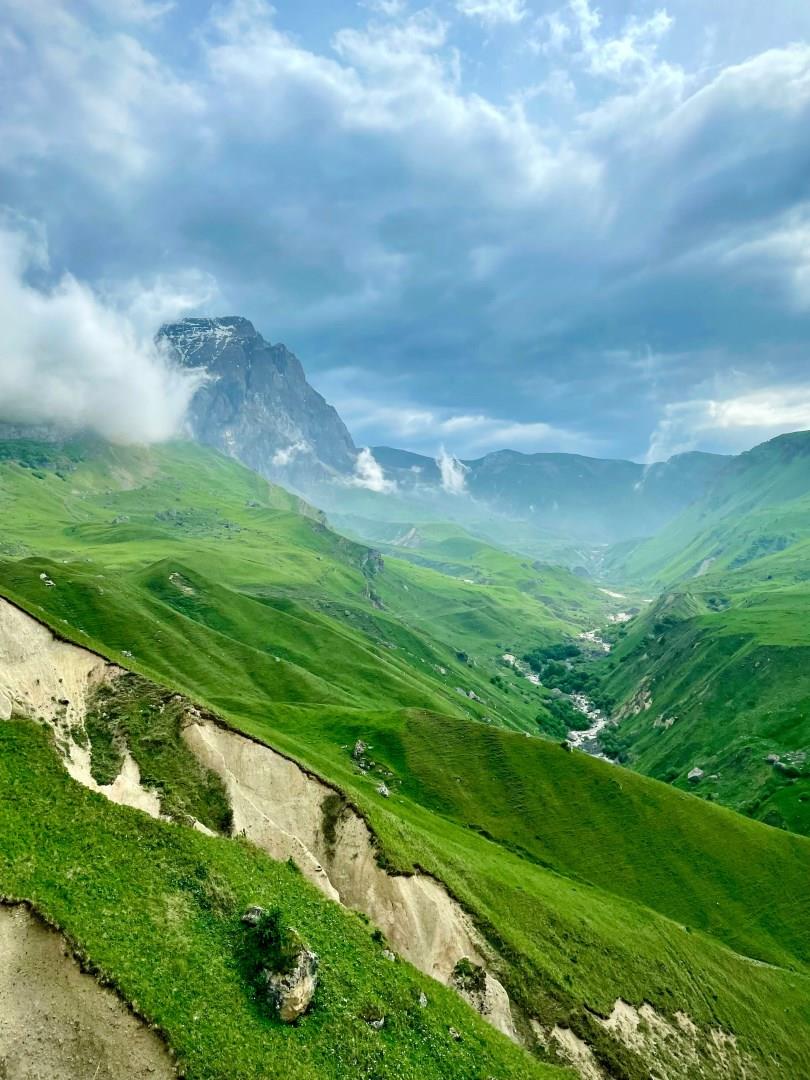
Azerbaijan, often called the “Land of Fire,” sits at the crossroads of Europe and Asia along the Caspian Sea. Its capital, Baku, blends futuristic architecture with centuries-old history.
Adishi
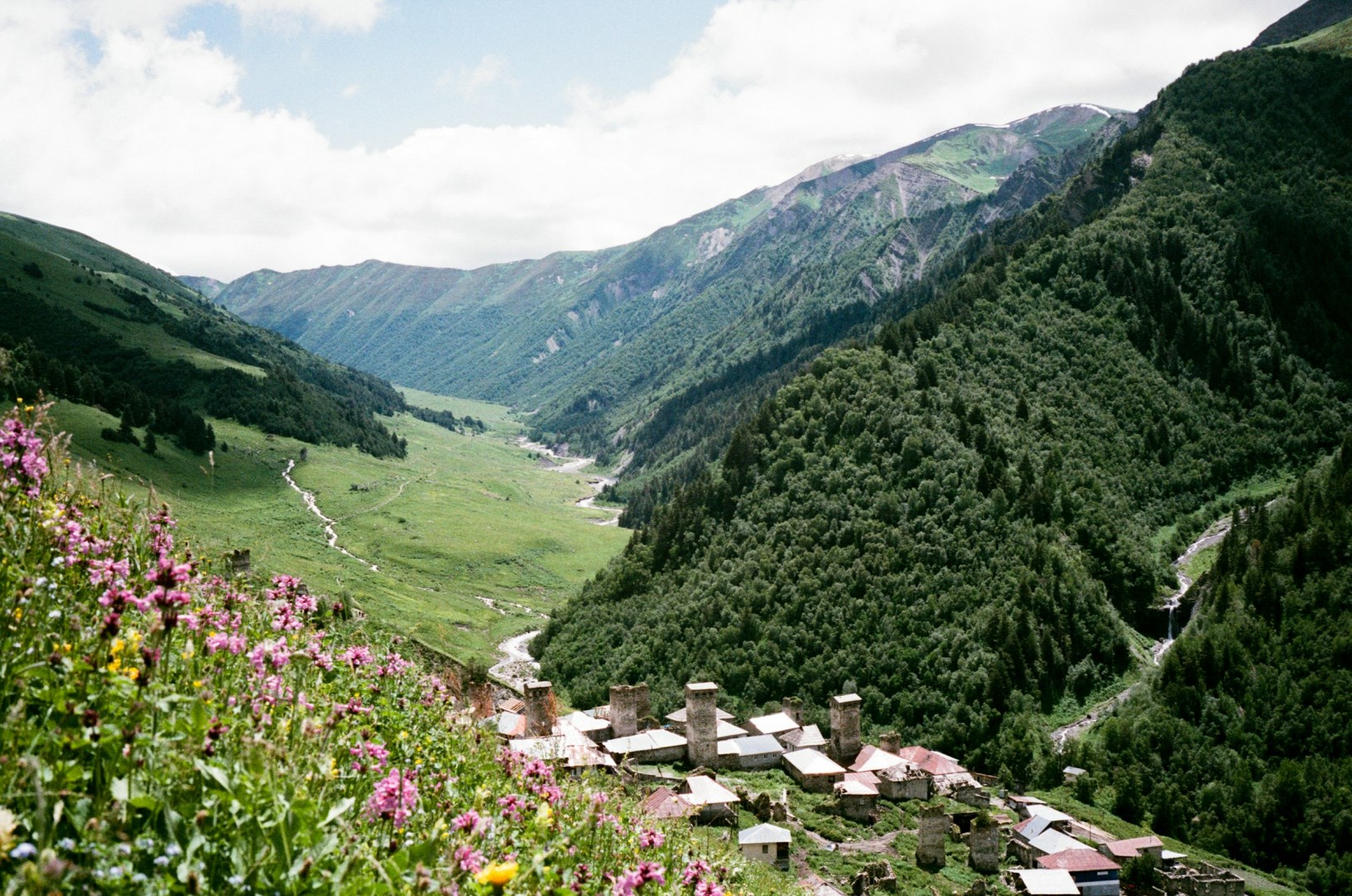
Adishi is a remote mountain village in Upper Svaneti, Georgia, situated at about 2,040 meters in the Adishchala valley of the Greater Caucasus. The settlement is known for its traditional stone houses, defensive Svan towers, medieval churches, and views toward the surrounding high peaks and Adishi Glacier. Its compact layout and isolated setting preserve the character of a historic Svan village.
