
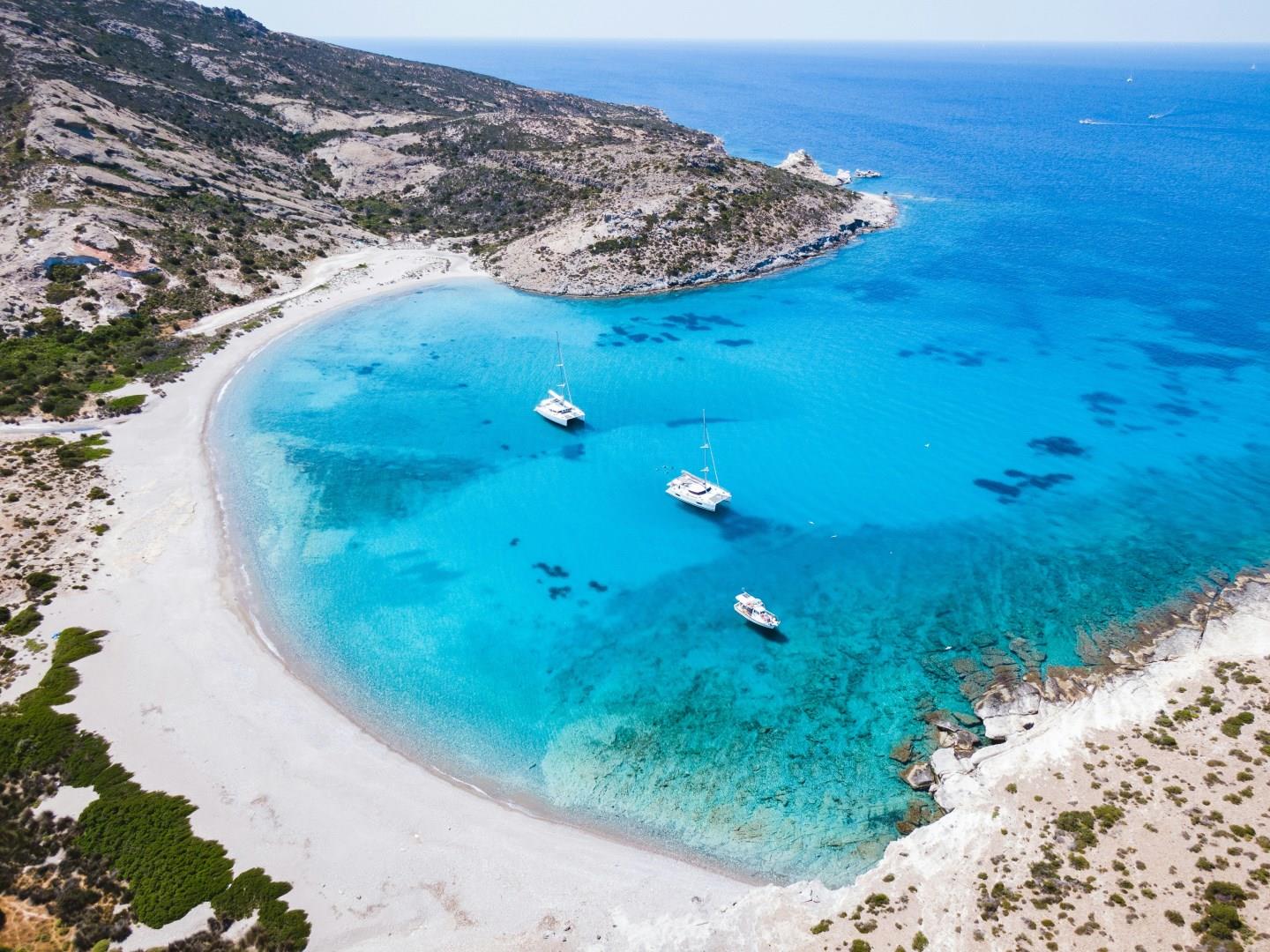
Milos
Milos is one of the most striking islands in the Aegean Sea, known for its otherworldly landscapes, turquoise coves, and centuries-old history. Shaped like a horseshoe, the island was formed by volcanic activity which left behind dramatic cliffs and hidden beaches carved from soft white rock. Visitors often find their first glimpse of Milos unforgettable, especially at Sarakiniko Beach where smooth, chalk-white formations contrast with the vivid blue water.
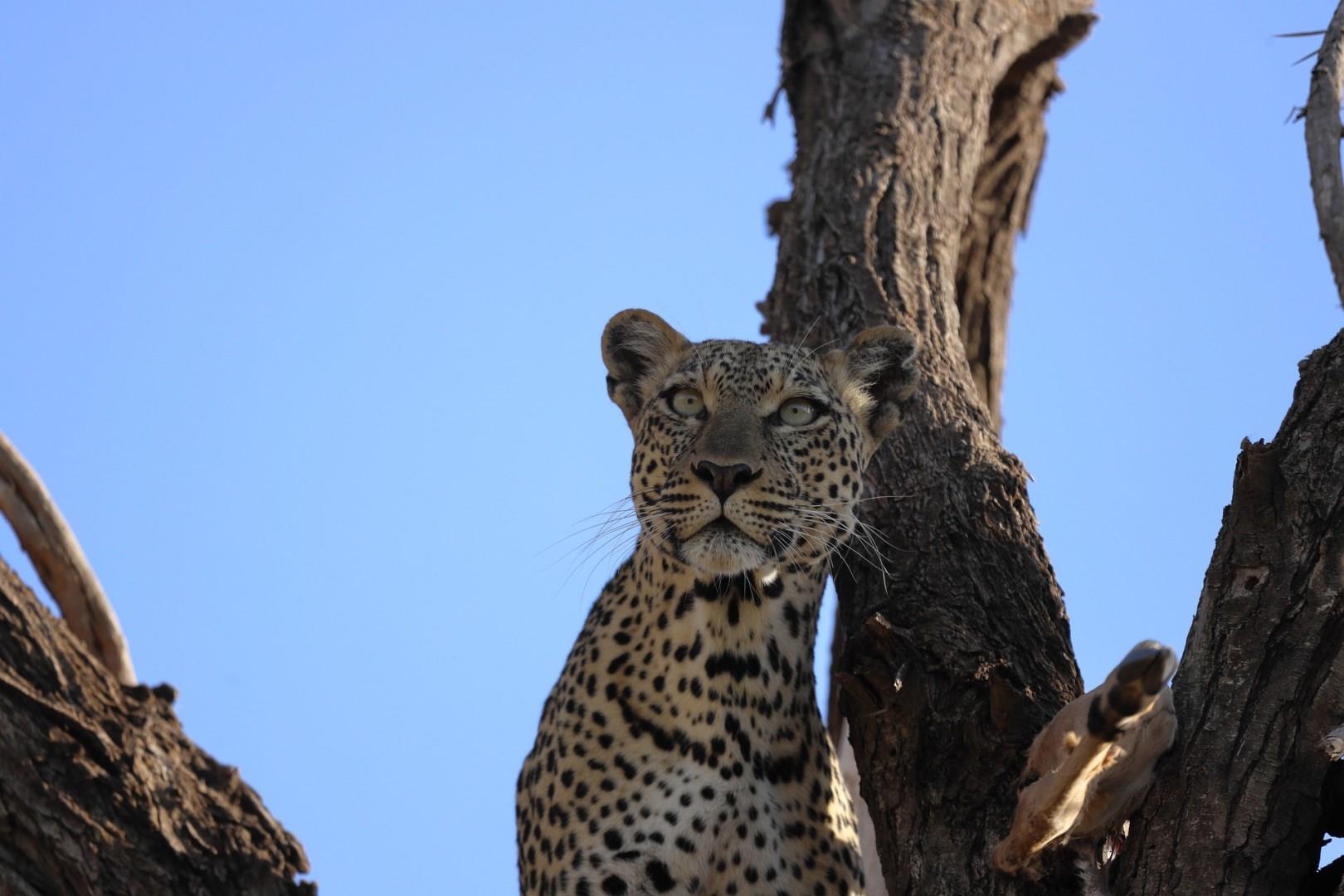
Samburu and Shaba Reserves
Samburu and Shaba Reserves are some of the most pristine reserves in Kenya, and protect a habitat surprisingly rich in wildlife. The Reserves provide the chance to see many species not found elsewhere in Kenya, such as Grey's zebra, the rare beisa oryx and the Somali ostrich.
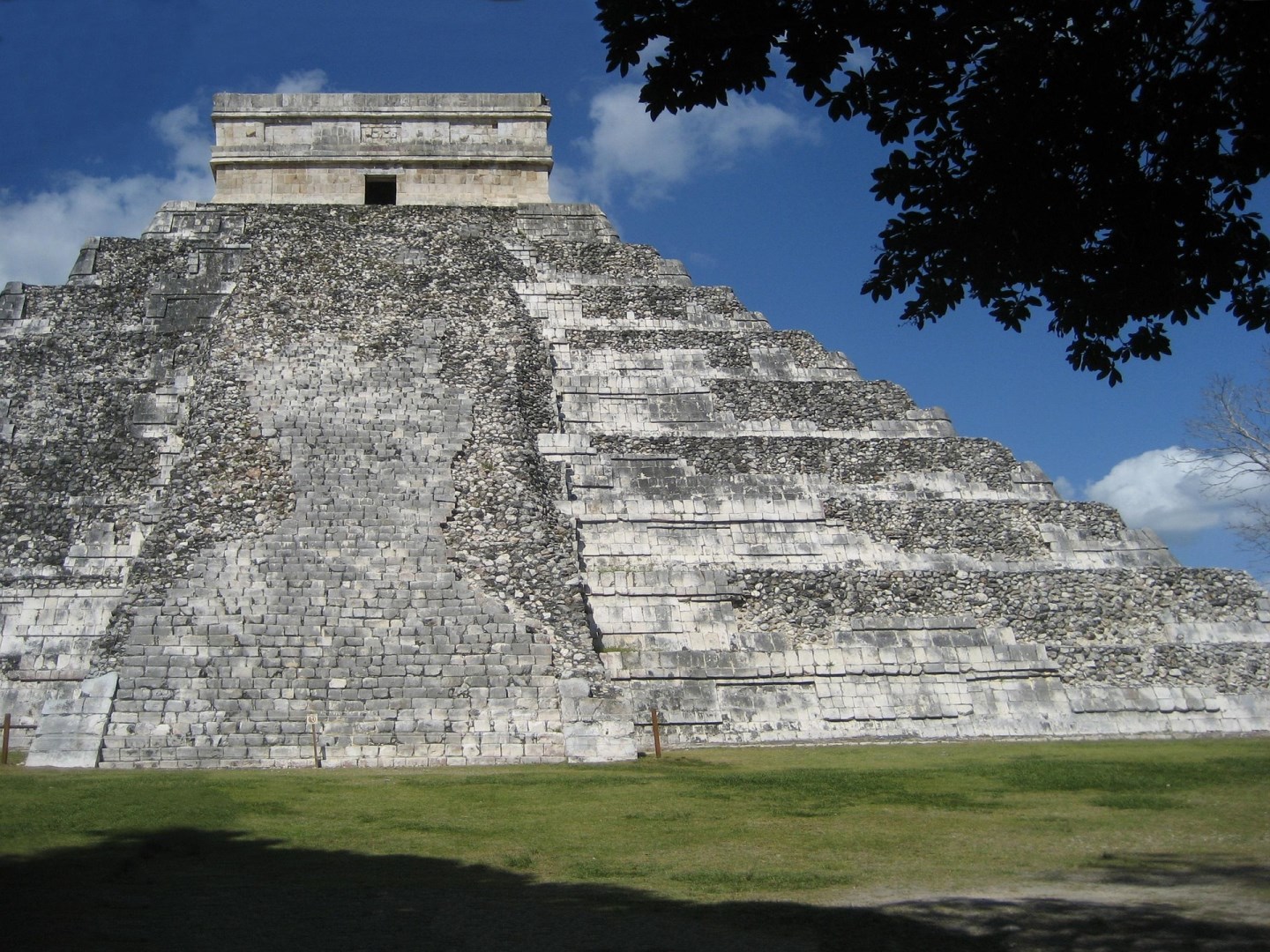
Chichén Itzá
Located on the Yucatan Peninsula of Mexico, Chichen Itza is the site a well preserved Mayan ruins, including several large pyramid structures and more.
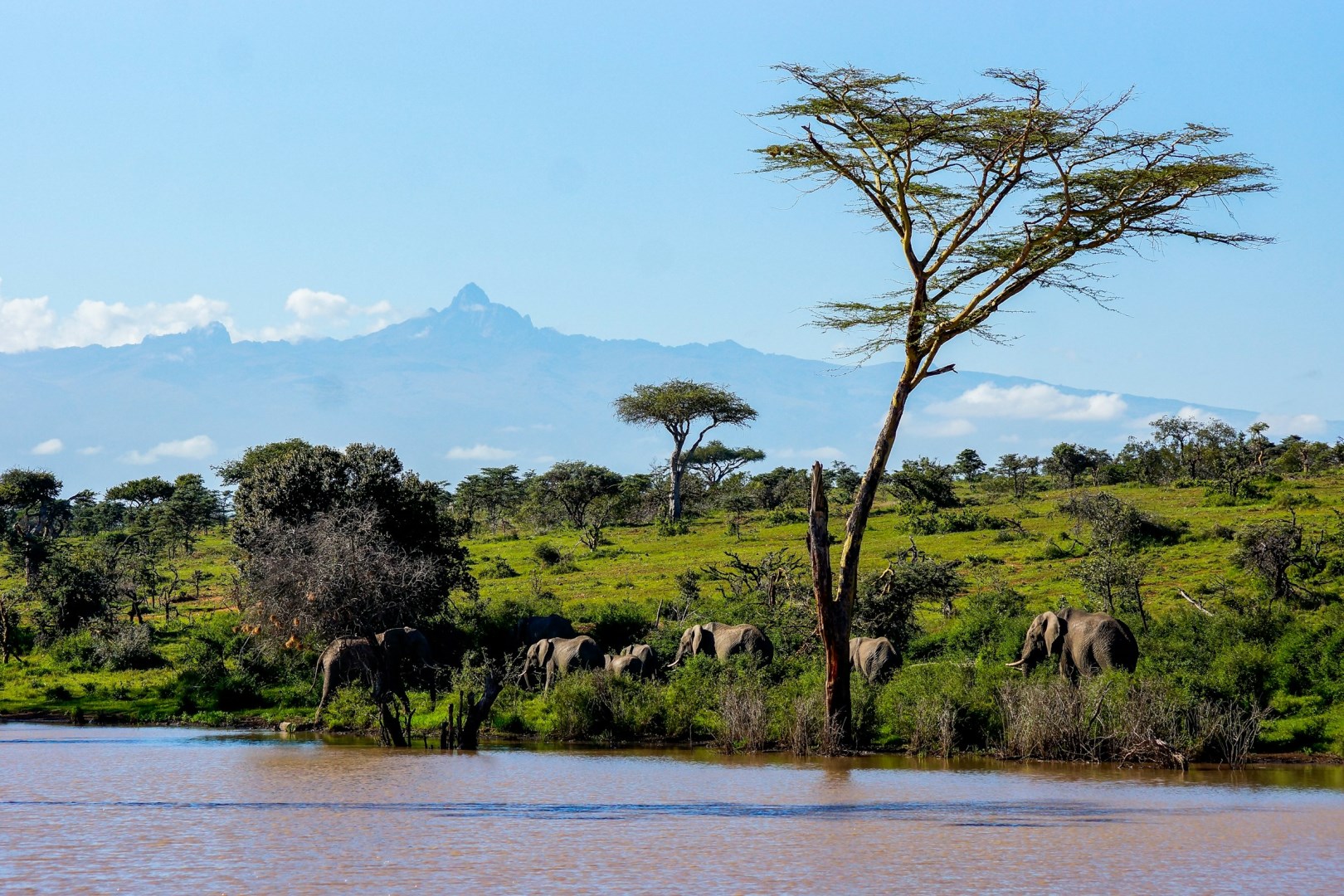
Laikipia Plateau
Laikipia Plateau is a highland region in central Kenya, lying between Mount Kenya and the northern Kenyan lowlands. Its broad grasslands, acacia woodland, rocky valleys, and volcanic soils create a varied landscape shaped by seasonal rainfall and altitude. Rather than being a single protected park, Laikipia is a mosaic of private conservancies, community lands, ranches, and farms.
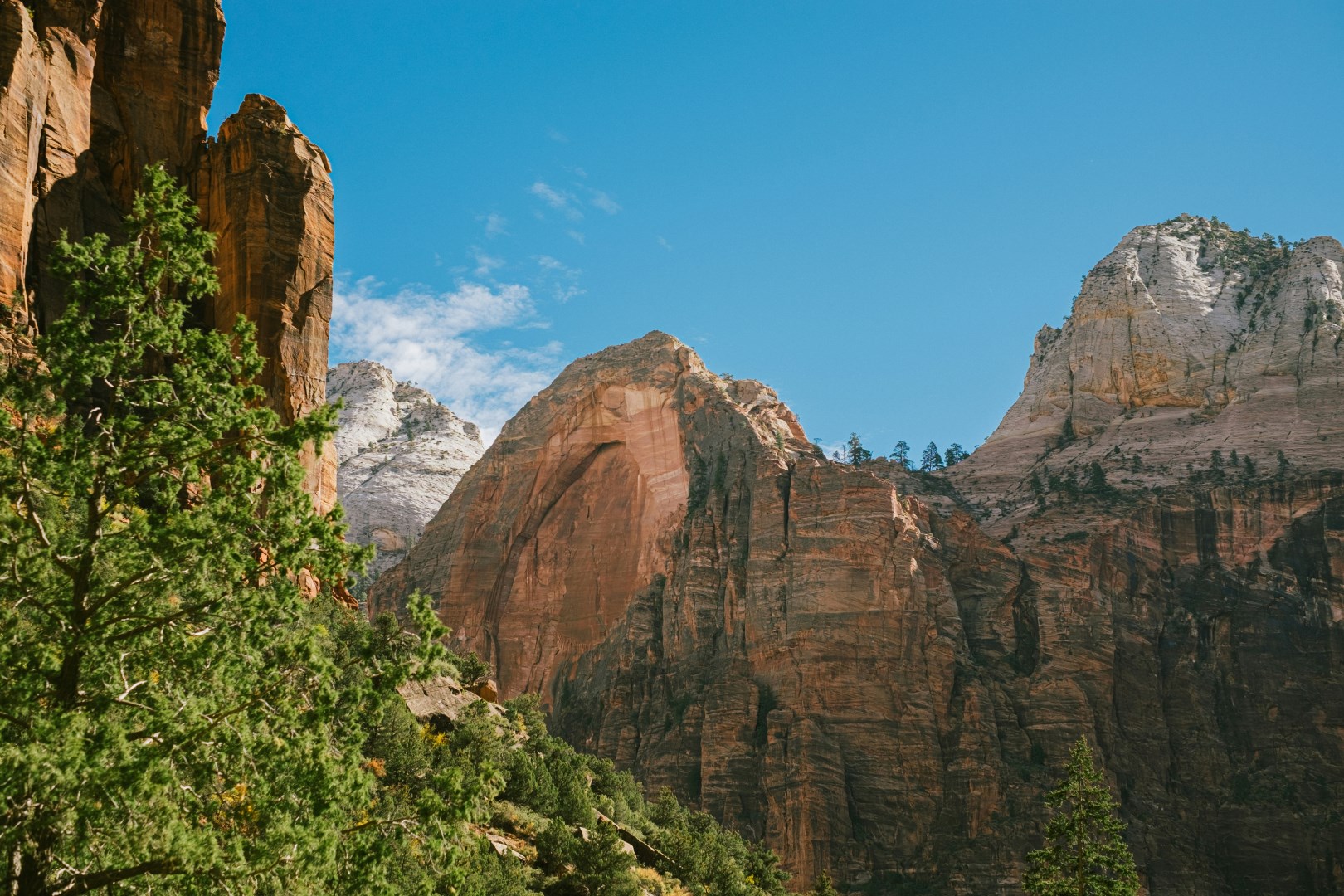
Springdale
Springdale, Utah sits at the entrance to Zion Canyon, serving as the gateway to one of the most striking landscapes in the American Southwest. The town stretches along a scenic road framed by red rock cliffs that rise sharply on either side, creating a setting that feels closely tied to the land around it. Visitors often find that even a simple walk through town offers uninterrupted views of sandstone formations that shift in color throughout the day, from pale orange to deep red.
