
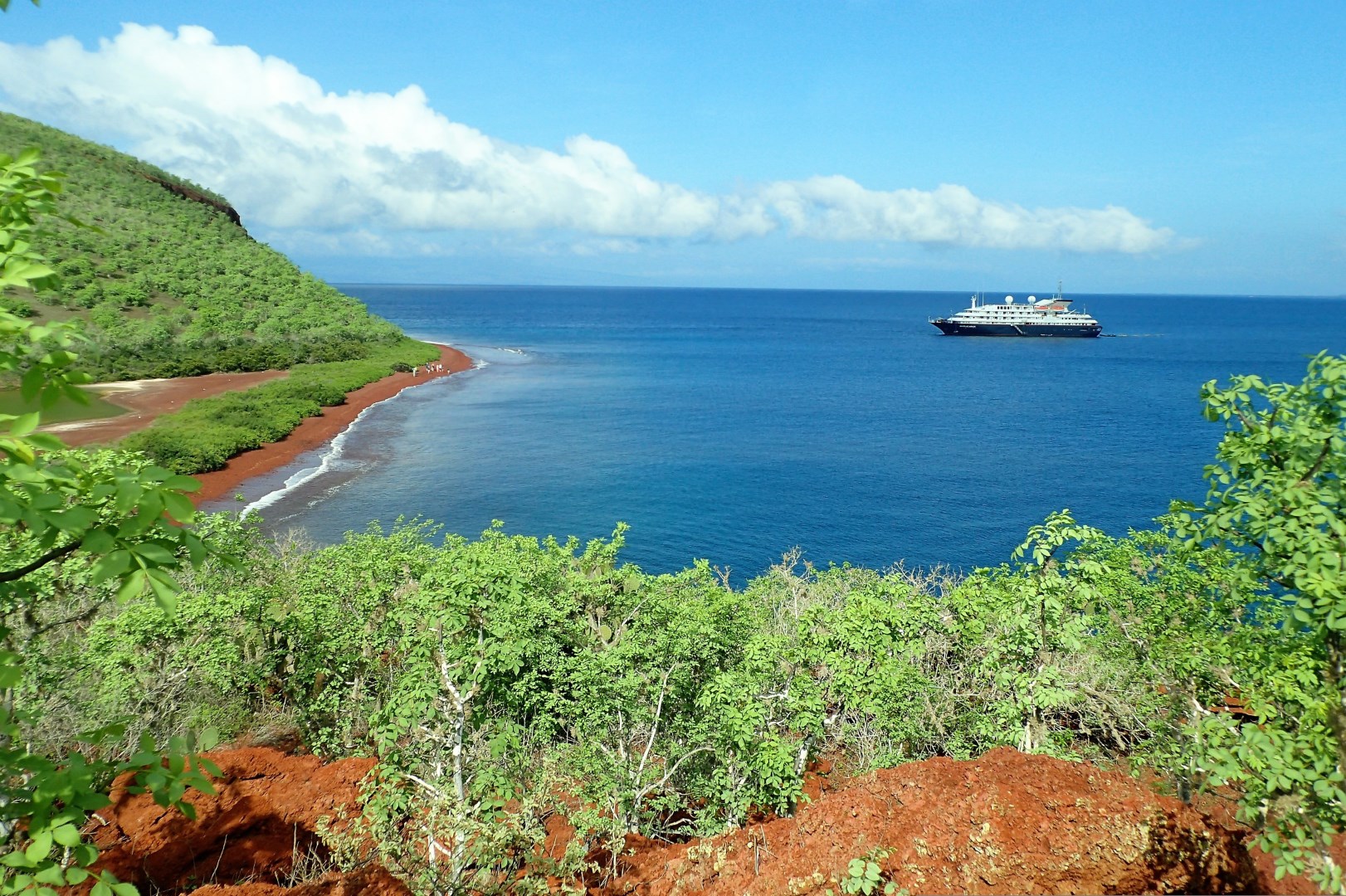
Santiago Island
Set in the heart of the Galápagos archipelago, Santiago Island offers a raw and untamed landscape shaped by volcanic forces. Unlike more developed islands in the region, Santiago remains largely uninhabited, giving visitors a rare look at ecosystems that have evolved with minimal human presence. Its coastline shifts from black lava fields to soft sandy beaches, while inland trails reveal hardened flows and scattered vegetation slowly reclaiming the terrain.
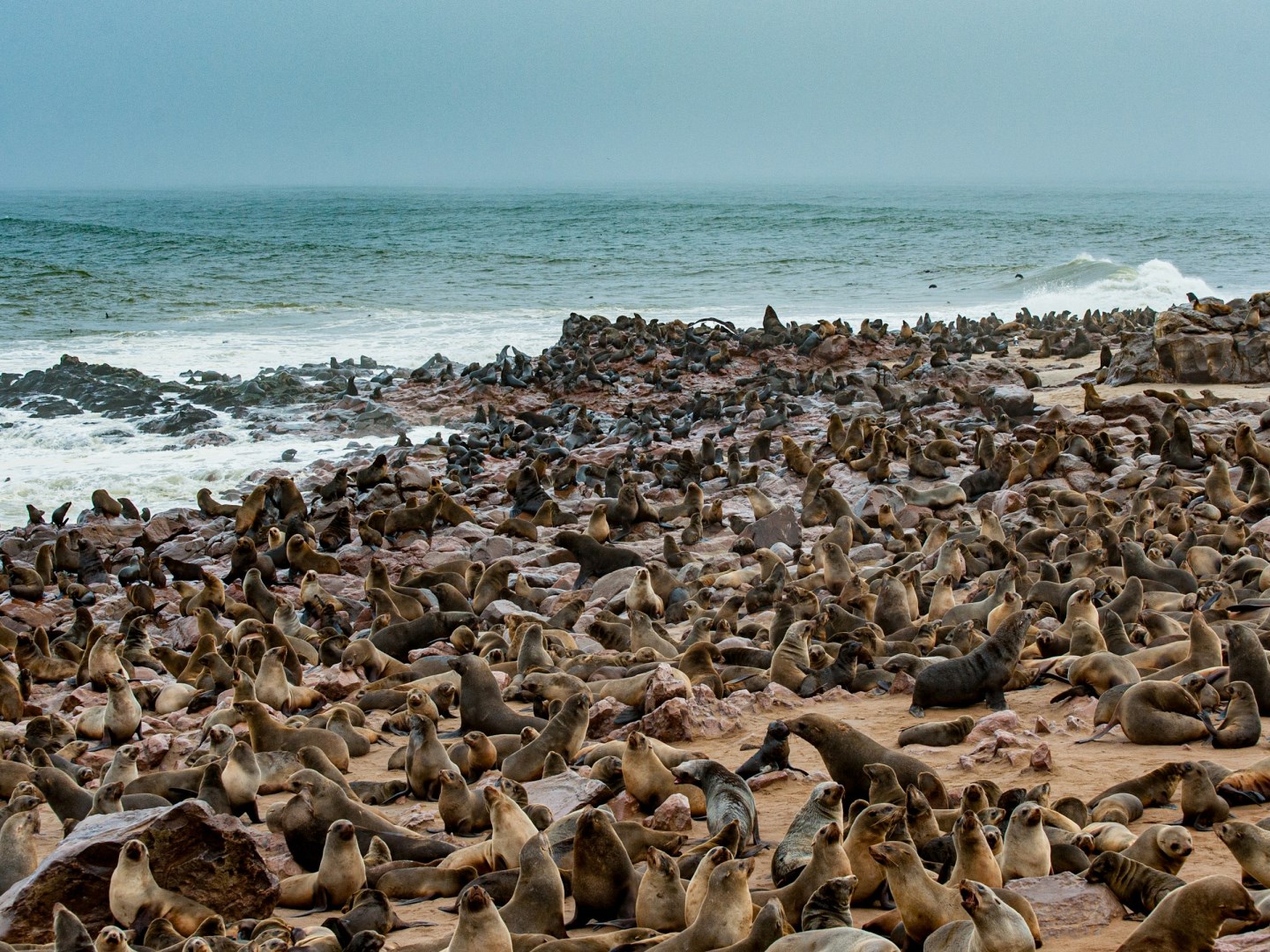
Cape Cross
Cape Cross is a remote coastal site on Namibia’s Atlantic shoreline, located within the dry landscapes of the Namib Desert. It is best known for the Cape Cross Seal Reserve, which protects one of the world’s largest breeding colonies of Cape fur seals. The coastline here consists of rocky shores, sandy beaches, salt pans, and sparsely vegetated desert terrain.
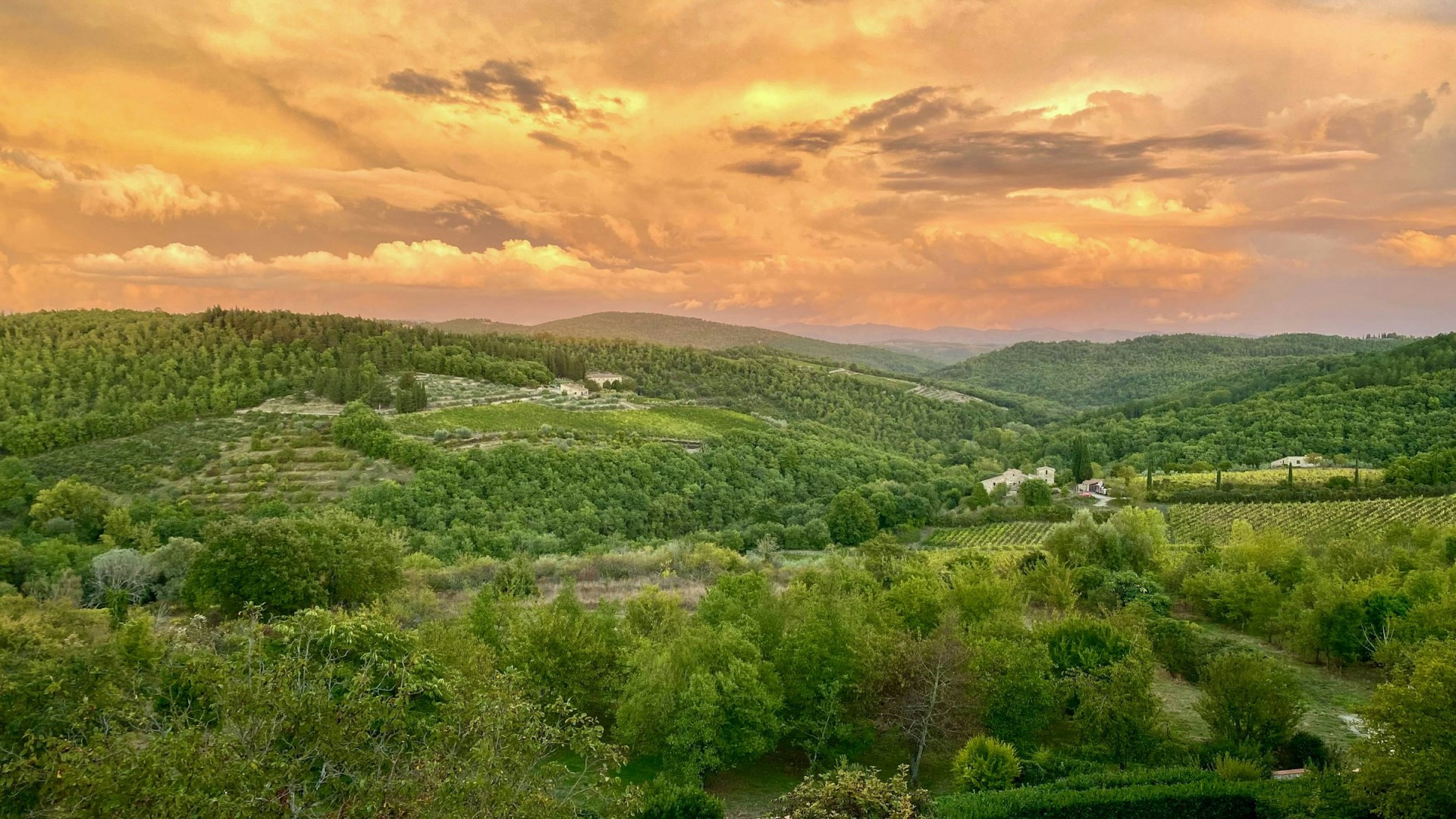
Castellina in Chianti
Castellina in Chianti is a hilltop town in Tuscany, set among the vineyards and wooded slopes of the Chianti Classico area between Florence and Siena. Its historic center follows the ridge of a fortified settlement, with stone buildings, narrow streets, and views across the surrounding countryside. The town’s most distinctive structure is the Via delle Volte, a covered passage built into the medieval defensive walls.
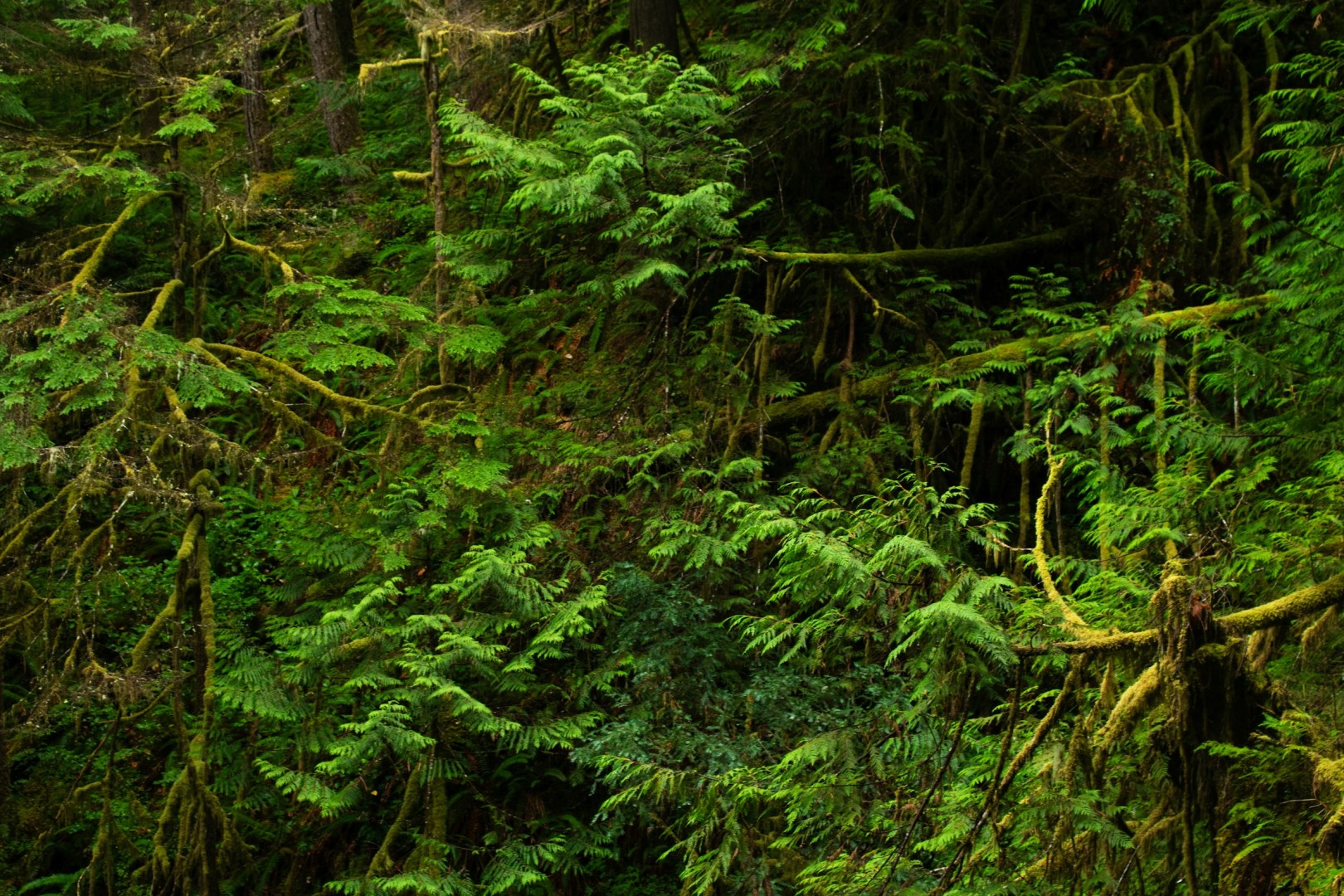
Port Angeles
Port Angeles is a coastal city on Washington’s Olympic Peninsula, positioned along the Strait of Juan de Fuca with views toward Vancouver Island and the mountains of Olympic National Park. The city serves as an important gateway to the Olympic Peninsula, combining a working waterfront with a compact downtown, marinas, parks, and nearby forested landscapes.
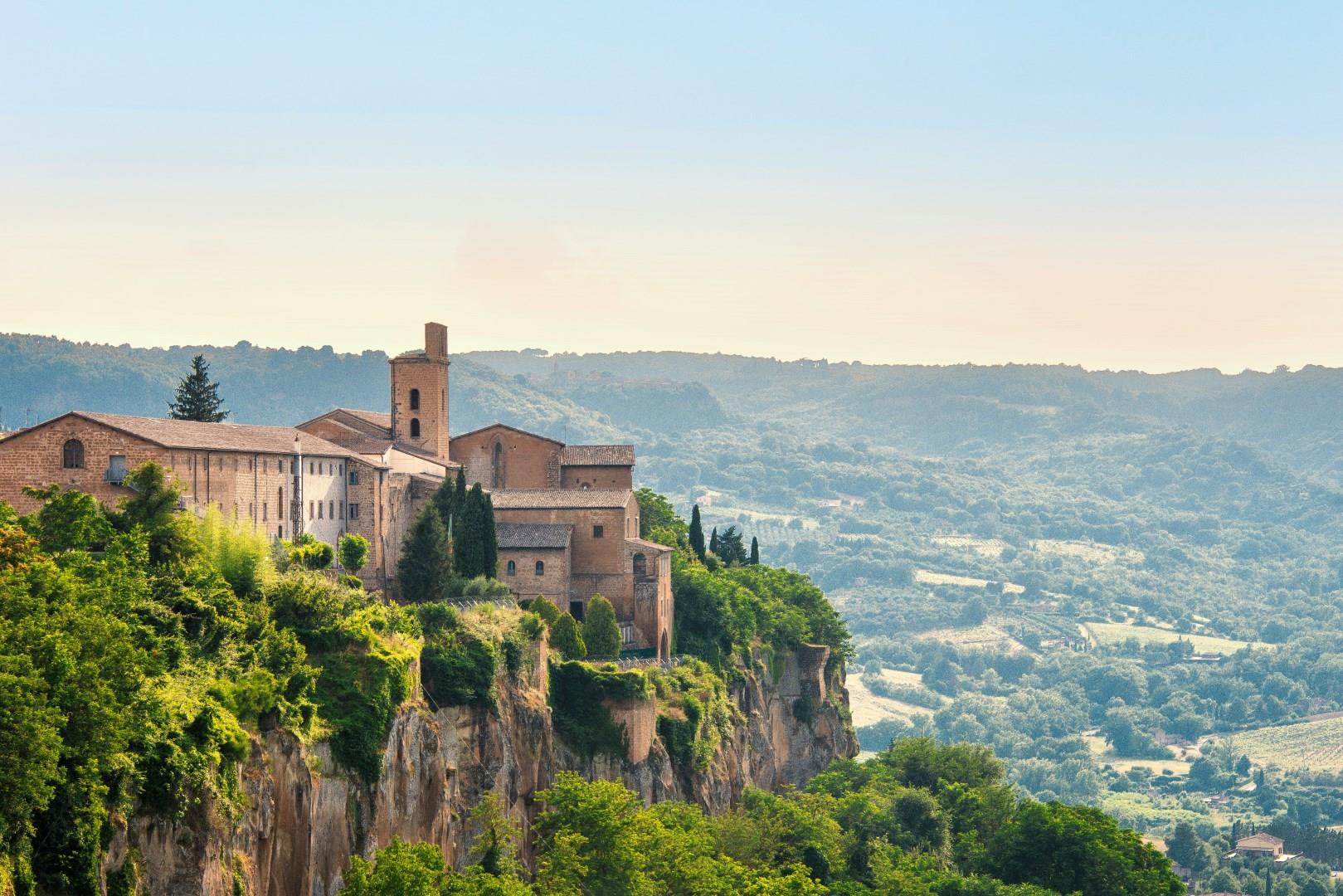
Orvieto
Orvieto, perched atop a volcanic tuff cliff in Umbria, Italy, is a town that effortlessly combines history, art, and striking landscapes. Its dramatic position overlooking the surrounding countryside immediately captures attention.
