
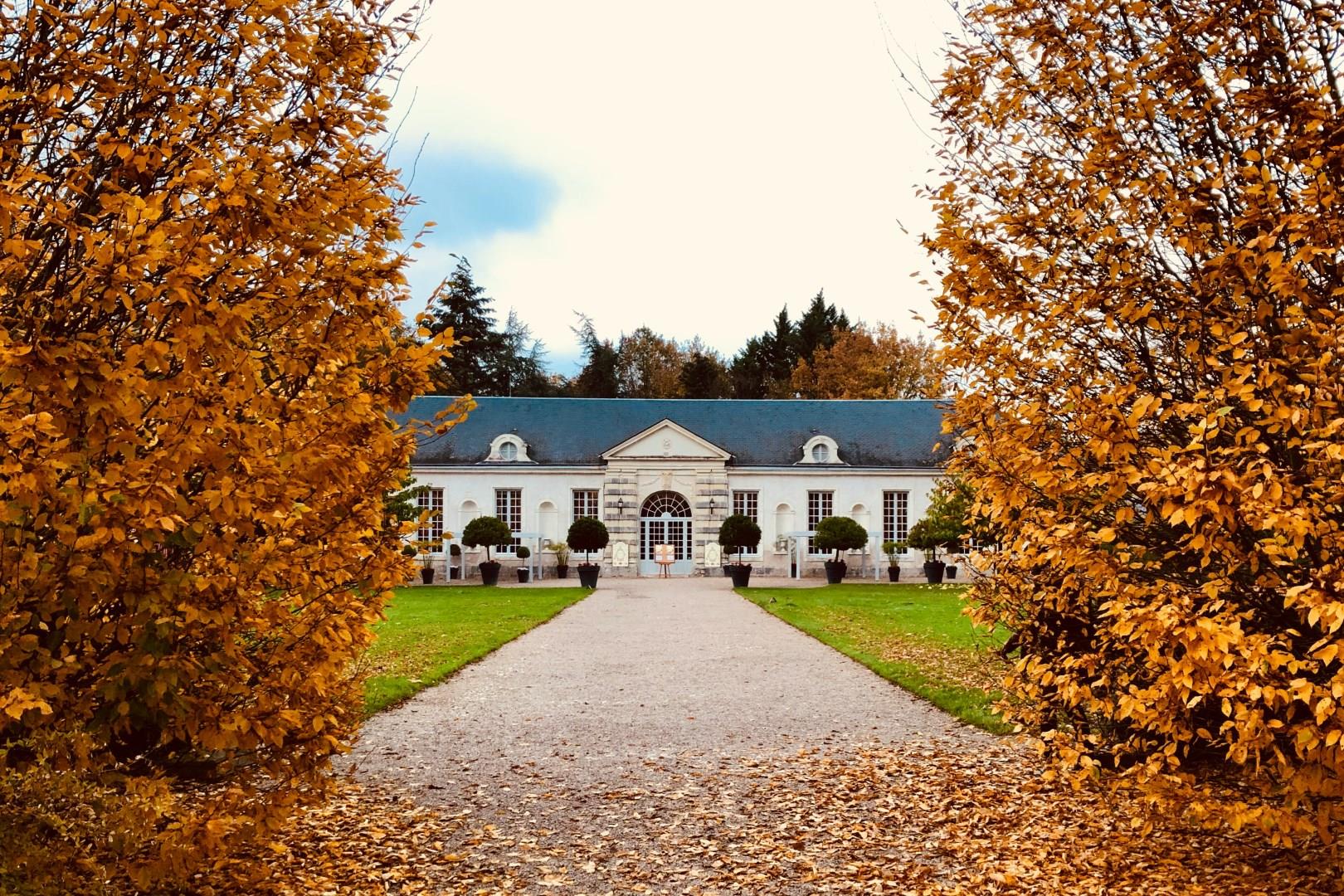
Loire Valley
The Loire Valley stretches along the gentle curves of France’s longest river, a place where riverside towns, historic estates and vineyards have shaped daily life for centuries. This long stretch of landscape was recognized as a UNESCO World Heritage Site because of its remarkable cultural landscape, which includes towns like Tours, Blois, Amboise and Saumur and a tapestry of castles standing beside the river banks.
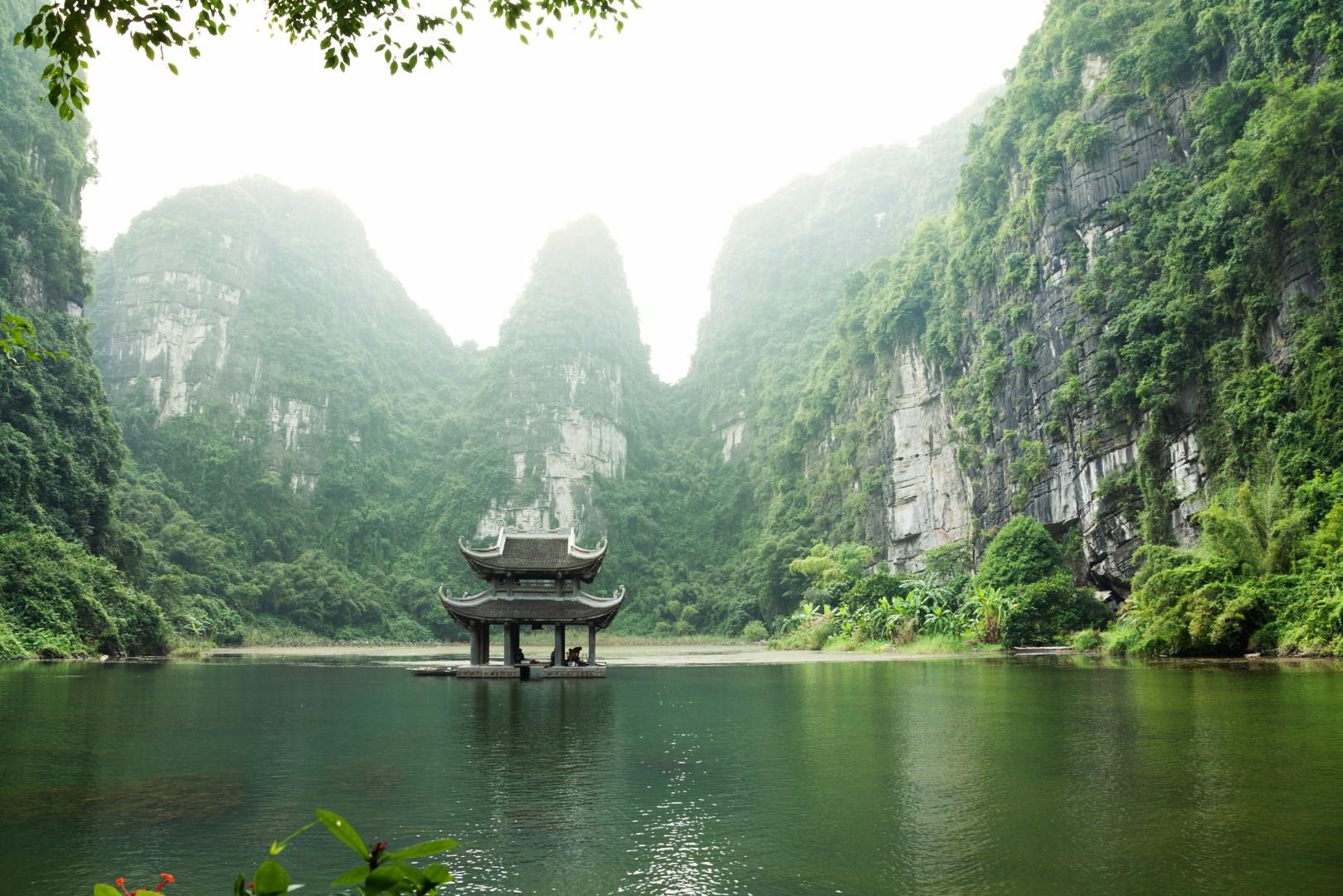
Ninh Binh
Ninh Binh, located about 100 kilometers south of Hanoi, offers a landscape shaped by limestone karsts, winding rivers, and flooded rice paddies. Often referred to as “Ha Long Bay on land,” the area is best explored by rowboat. At Trang An Scenic Landscape Complex, boat routes pass through caves, ancient pagodas, and valleys surrounded by towering cliffs. Local rowers often use their feet to paddle, an unusual technique that surprises many first-time visitors.

Trinidad & Tobago
Trinidad and Tobago is a nation of contrasts, where vibrant cultural traditions meet diverse natural landscapes. Together, the two islands balance energy and relaxation, heritage and nature.

Caye Caulker
Caye Caulker lies off the coast of Belize, a small island that was once a quiet fishing village and today still feels wonderfully uncrowded compared to many Caribbean destinations. Its name likely comes from an English twist on “Hicaco,” the old Spanish name meaning coco plum, a nod to the island’s early days and bilingual roots.

Victoria
British influences are quite evident in Victoria, from afternoon tea times to elegant Victorian architecture. This capital of British Columbia on Vancouver Island provides ample outdoor recreation, with its public parks and access to both the ocean and wilderness. Cyclists will be right at home here, as Victoria boasts a seemingly endless number of bike paths for exploring.
