

Mount Kilimanjaro
Mount Kilimanjaro, located in Tanzania, stands as Africa’s highest peak and an iconic symbol of adventure. This majestic stratovolcano rises 5,895 meters (19,341 feet) above sea level, making it one of the world’s most accessible high summits. Climbing Kilimanjaro offers a unique opportunity to traverse multiple climate zones, from lush rainforests and alpine meadows to the icy summit.

Namib Desert
The Namib Desert, one of the world’s oldest deserts, stretches along the western coast of Namibia, offering a landscape of stunning, otherworldly beauty. The name “Namib” means "vast place," and fittingly so, as this desert spans over 2,000 kilometers and includes some of the tallest sand dunes on Earth, such as those found in Sossusvlei.
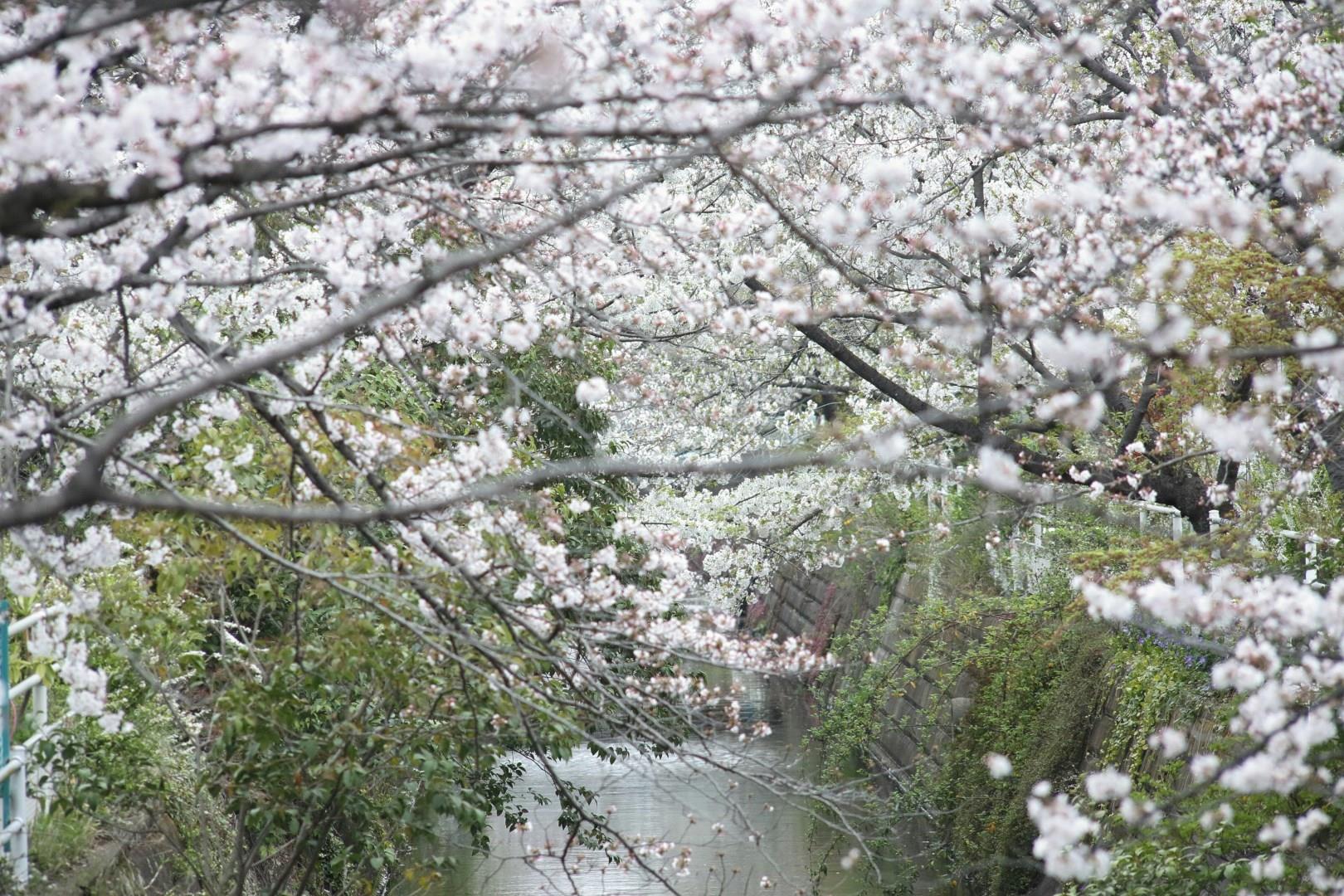
Chiba
Chiba, located just east of Tokyo, is a dynamic prefecture that blends modern attractions with serene coastal and rural landscapes. Known for its role as the gateway to Japan’s capital, home to Narita International Airport, Chiba also stands on its own as a destination rich in culture, history, and nature.
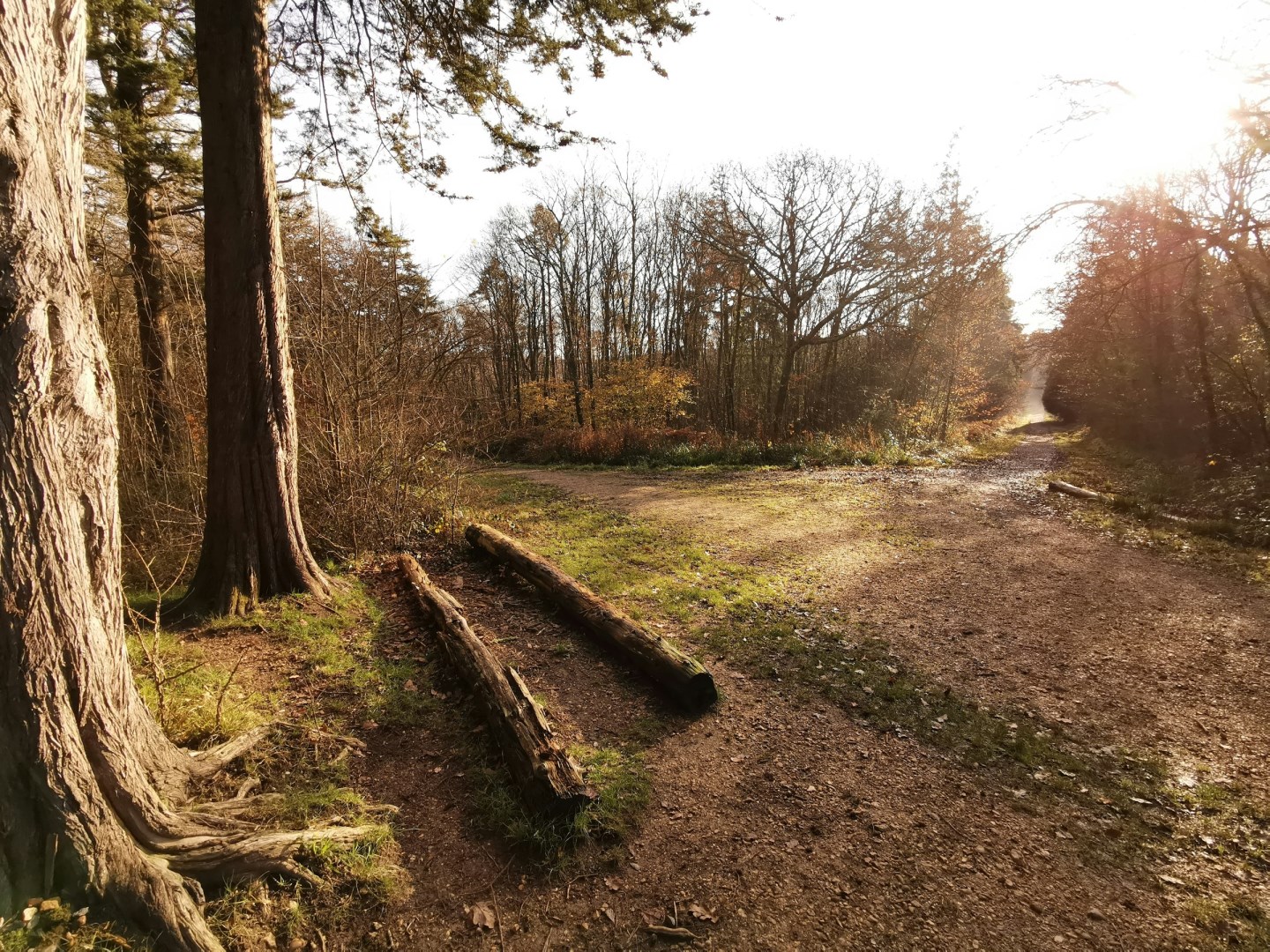
Isle of Wight
The Isle of Wight is an island off the southern coast of England, separated from Hampshire by the Solent. Its landscape includes chalk cliffs, sandy and shingle beaches, wooded valleys, farmland, and small coastal towns. Cowes, Ryde, Newport, and Ventnor are among its principal settlements, each with a different character shaped by maritime, agricultural, or seaside traditions.
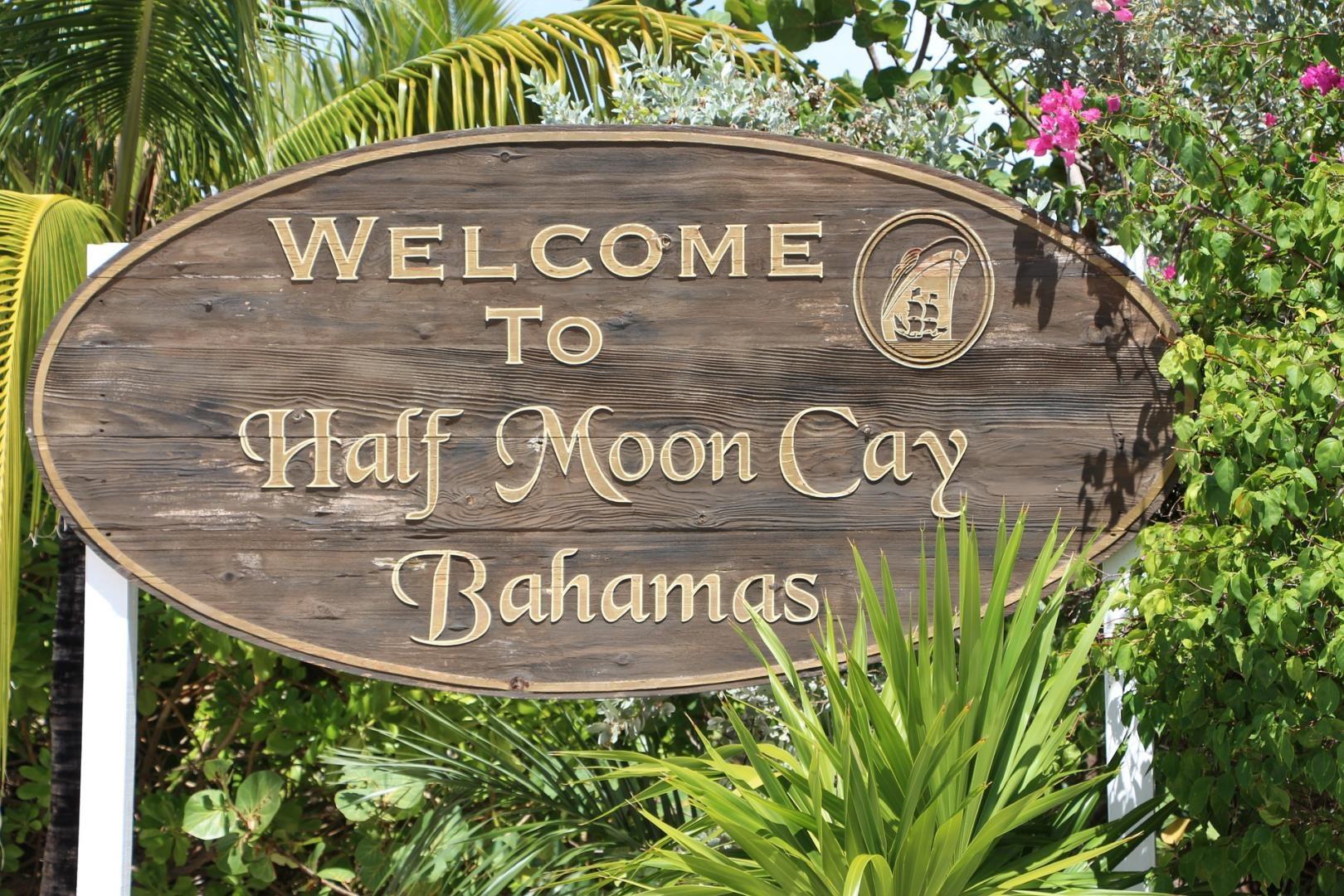
Half Moon Cay
Half Moon Cay, also known as Little San Salvador Island, is a private island in the Bahamas that offers an escape into turquoise waters and soft, powdery sands. Surrounded by shallow lagoons and vibrant coral reefs, the island is framed by a sweeping crescent-shaped beach that stretches for miles, making it a striking destination for those arriving by cruise or private yacht. Its calm waters and gentle tides create ideal conditions for swimming, snorkeling, and exploring marine life.
