

Luxor
Luxor, often referred to as the world’s greatest open-air museum, is a city where ancient history and breathtaking archaeology converge. Nestled along the eastern bank of the Nile River, Luxor is home to some of the most remarkable and well-preserved relics of ancient Egypt. A visit to the Karnak Temple Complex, an expansive and awe-inspiring site dedicated to the Theban triad of gods, reveals the grandeur of ancient Egyptian architecture and religious practices.
Nuevo Vallarta
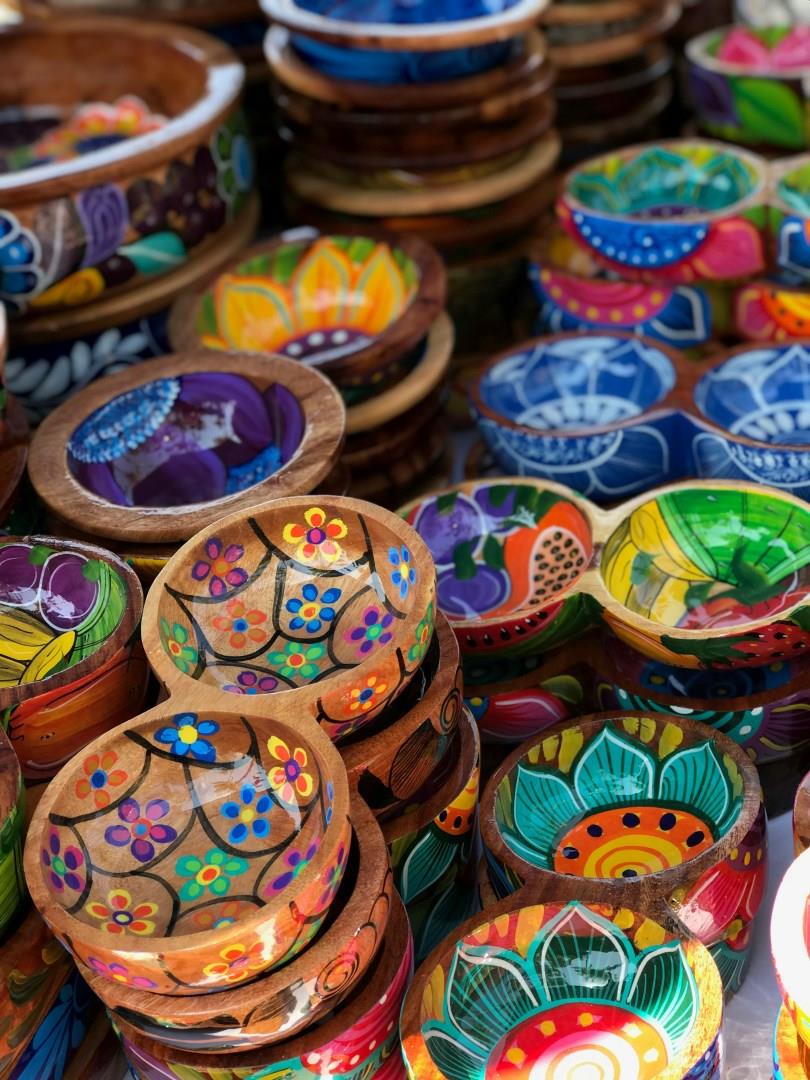
Nuevo Vallarta, located along the Bahía de Banderas in the state of Nayarit, is a coastal destination known for its wide, sandy beaches and marina-lined canals. Originally developed as a tourism project in the late 20th century, it has grown into a well-organized resort area with luxury hotels, golf courses, and waterfront condos. Unlike older beach towns with colonial roots, Nuevo Vallarta was designed from the start to offer modern comfort while being surrounded by natural landscapes.
Jellyfish Lake
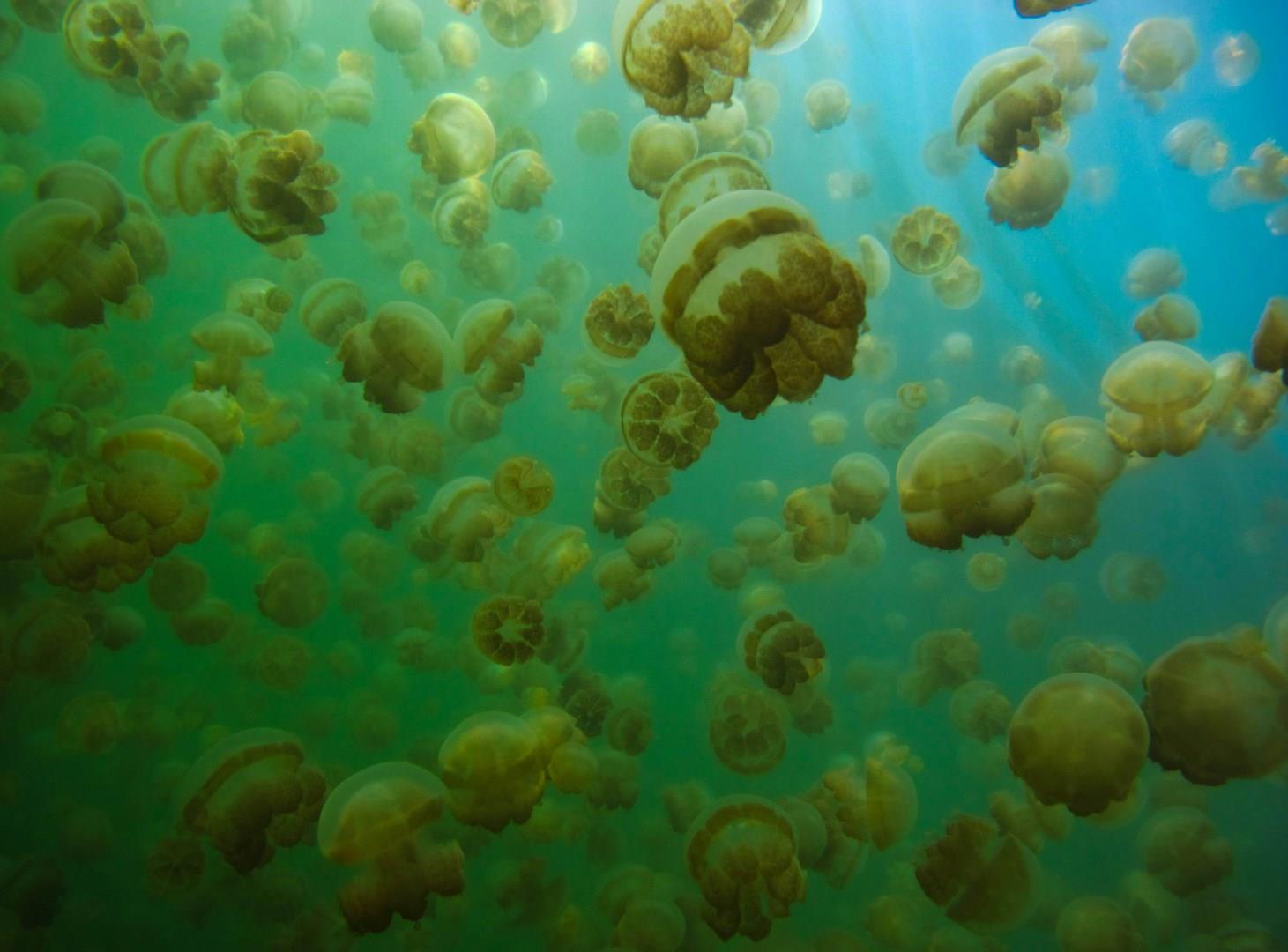
Jellyfish Lake is a shadowed oasis hidden among the mushroom-like Rock Islands of Palau. This forest‑fringed saltwater lake invites visitors to float with millions of gentle, stingless jellyfish that glow like drifting amber clouds under emerald light. The lake formed about 12,000 years ago, when rising seas flooded an ancient reef basin that was gradually cut off from the ocean. Over centuries, its jellyfish evolved in isolation, shedding their stings and multiplying without predators in sight.
Indonesia
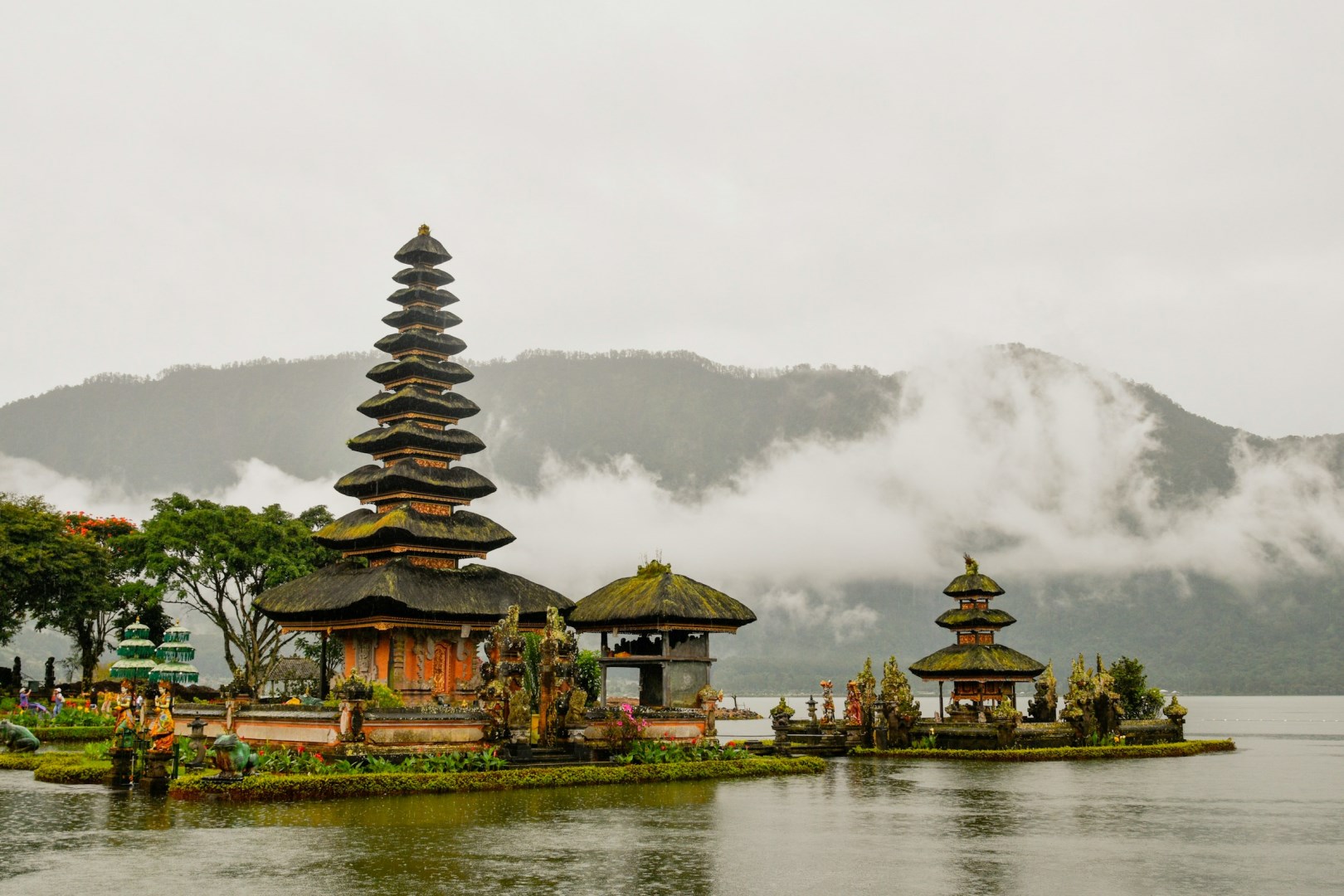
Indonesia, the world’s largest archipelago, stretches across more than 17,000 islands, each offering its own cultural traditions, landscapes, and experiences. From volcanic peaks to tropical beaches and ancient temples, the country is as diverse as it is expansive.
Sanur Bali
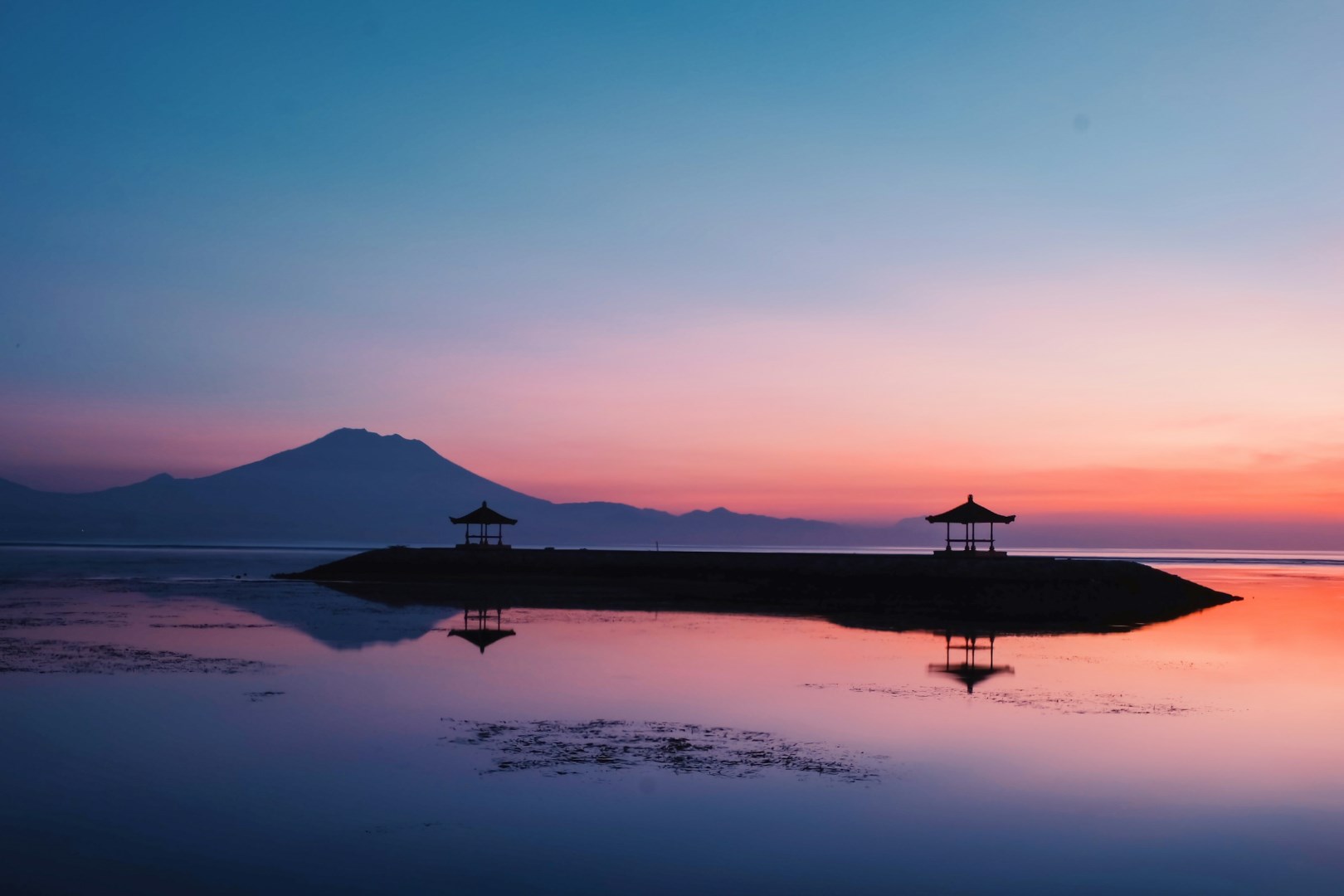
Sanur, Bali's oldest resort village, has an atmosphere rich in culture, unmatched beauty and charm. Hotels are nestled among fragrant tropical gardens, and shops line tree shaded lanes. Far from the hustle and bustle of Kuta, Sanur's relaxed atmosphere has remained unchanged for centuries.
