
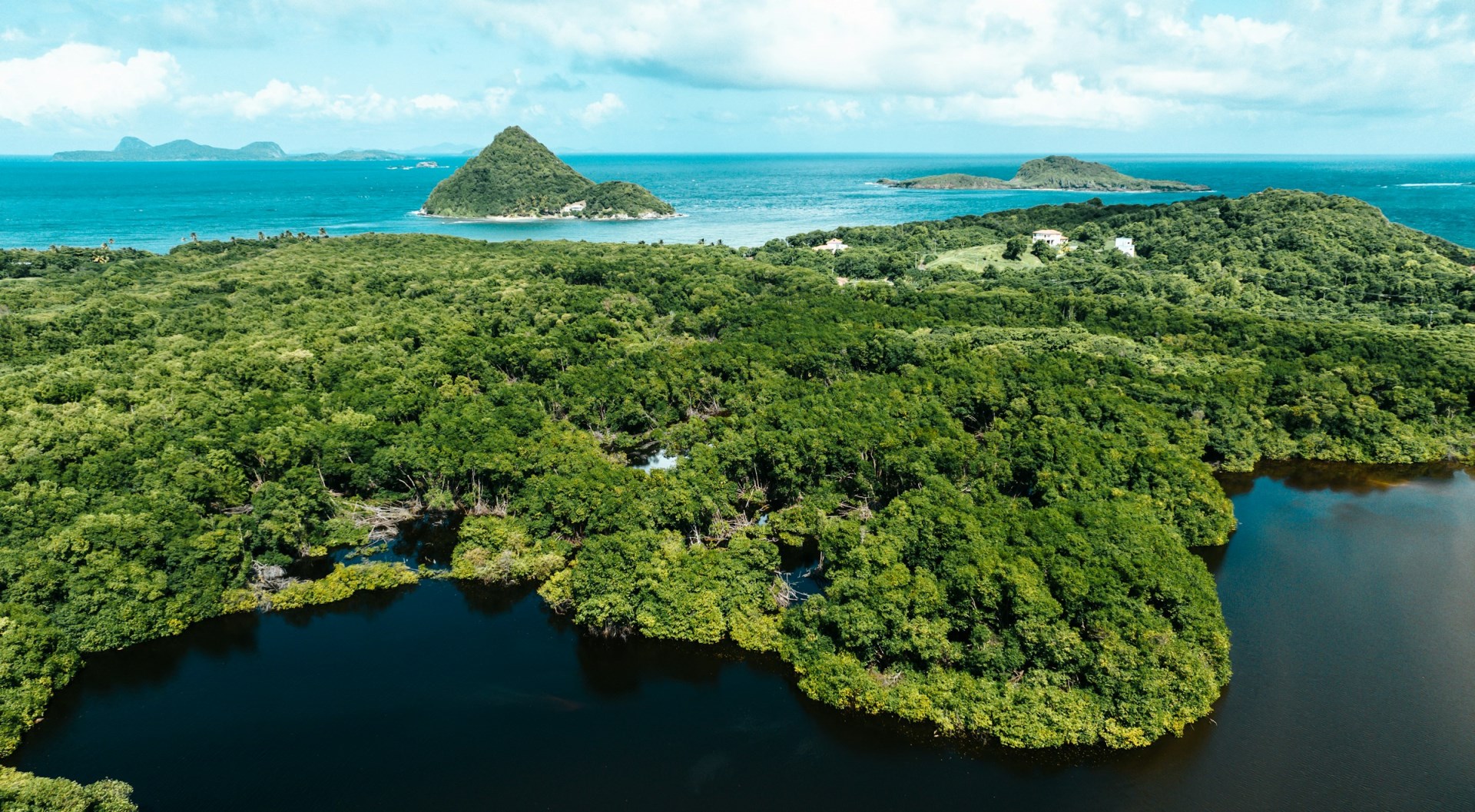
Levera Beach
Levera Beach lies on Grenada’s northeastern coast, near the village of Sauteurs, where the island meets the Atlantic Ocean. The beach is backed by low hills, coastal vegetation, and open land, with views toward the small islands of the Grenadines offshore. Unlike the developed beaches around the southwest coast, Levera has a more natural setting and is part of the wider Levera National Park landscape.
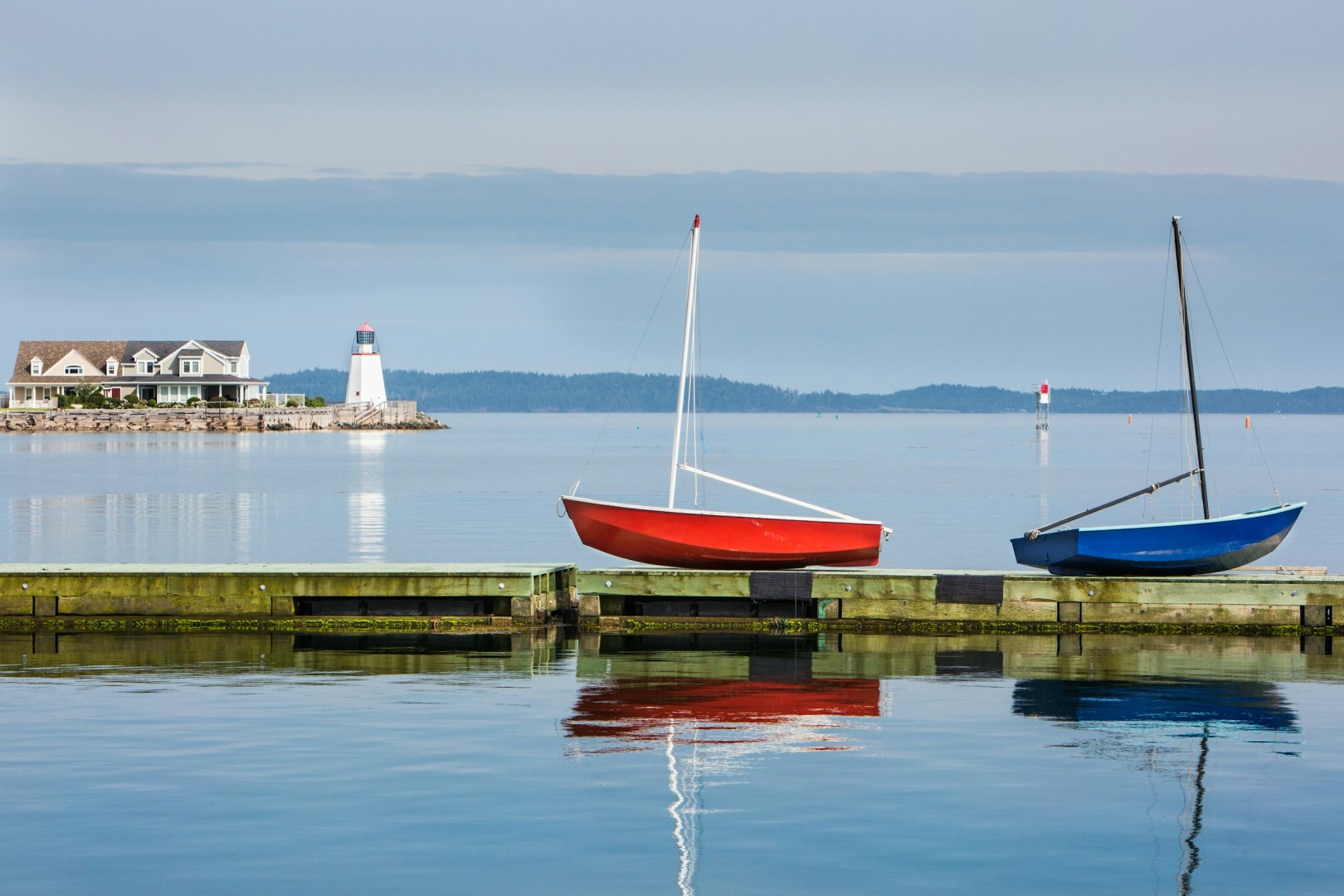
St. Andrews
Surrounded by Passamaquoddy Bay, St. Andrews' relaxed pace can be linked to the rhythm of powerful tides that can rise over 28 feet. The intertidal zone is an ever-changing landscape that nourishes a rich diversity of marine creatures. A guided walk over the tidal flats will prepare you to explore the area's many coves and islands.
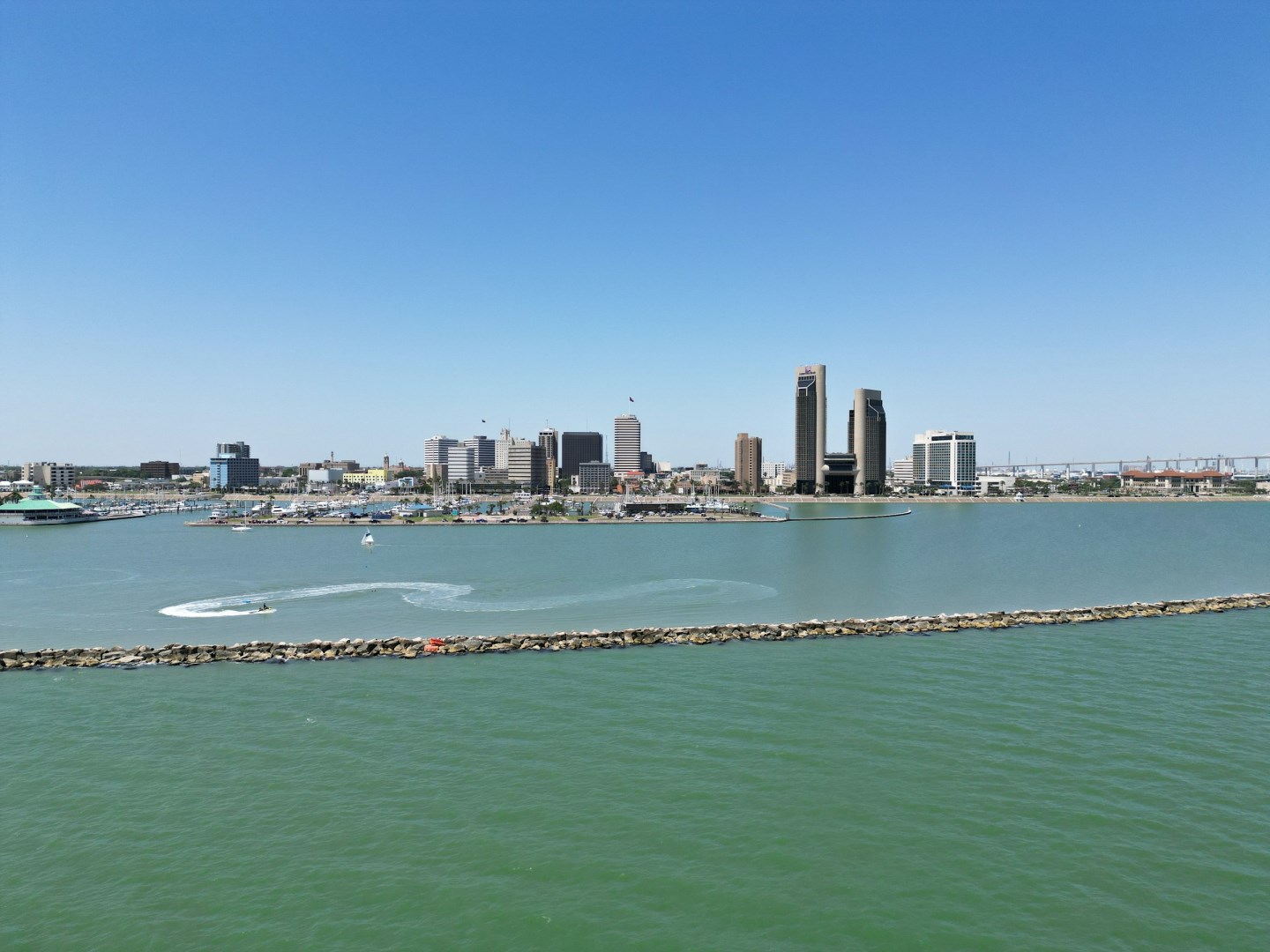
Corpus Christi
Corpus Christi is a coastal city on the Gulf of Mexico in southern Texas, set along Corpus Christi Bay and separated from the open Gulf by Padre Island and Mustang Island. Its landscape includes broad beaches, tidal flats, coastal wetlands, and shallow bays that support a wide range of marine and bird life.
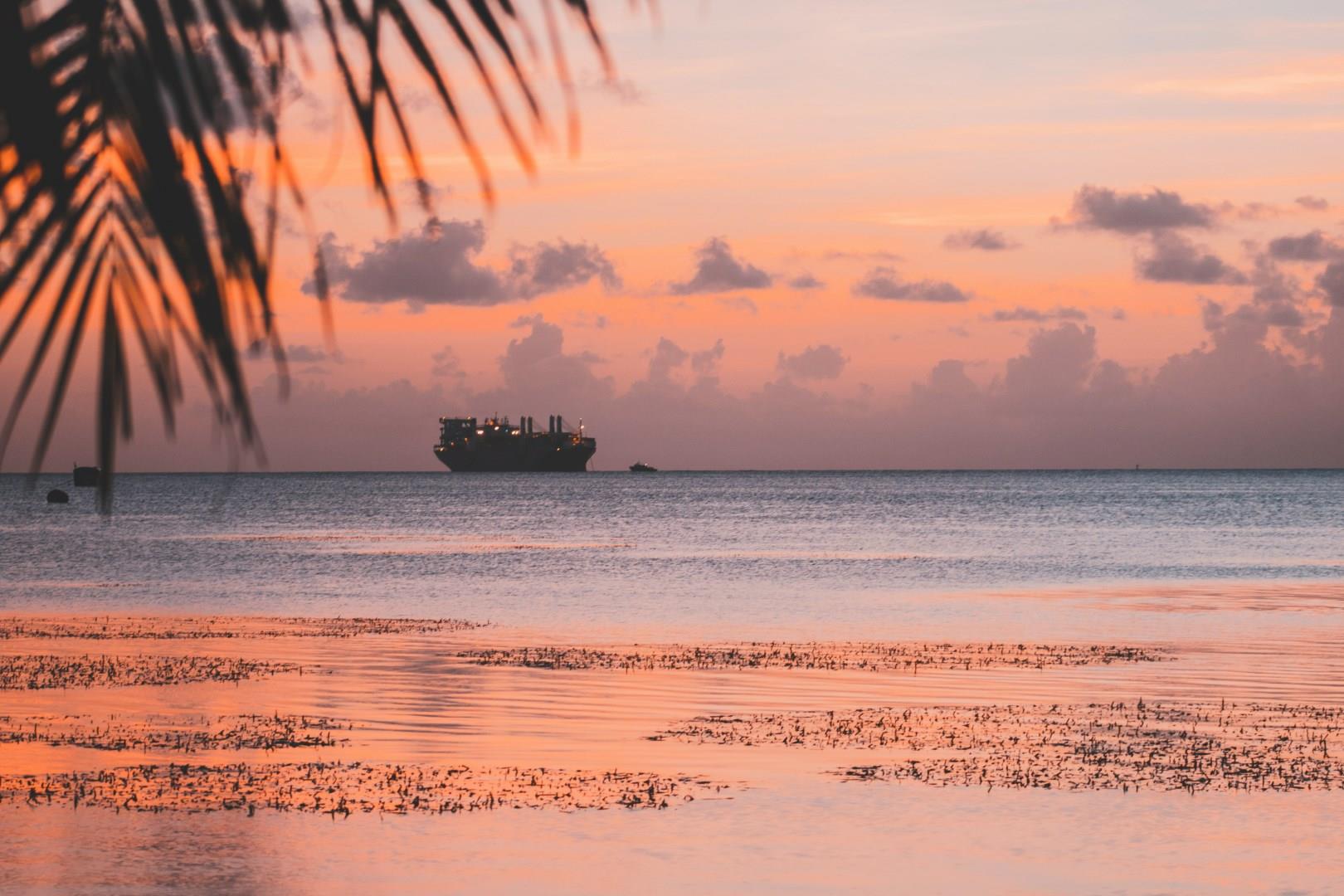
Saipan Island
Saipan, the largest of the Northern Mariana Islands, offers a rare combination of deep historical roots, island traditions, and dramatic landscapes. Located in the western Pacific, this U.S. territory was once the site of one of the most pivotal battles in the Pacific during World War II. Visitors today can explore the remains of bunkers, tanks, and hidden caves at sites like Suicide Cliff, Last Command Post, and the American Memorial Park.
Athens
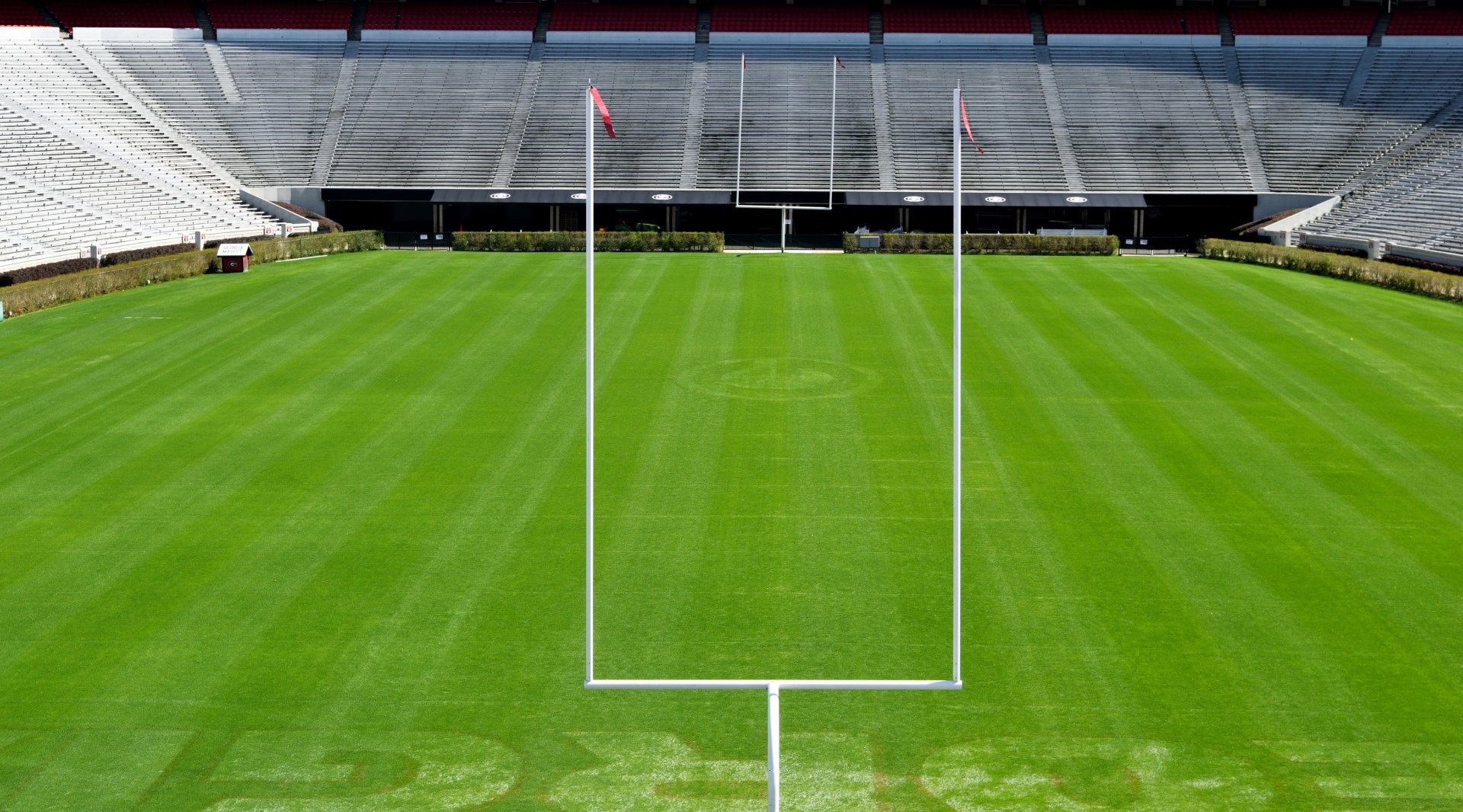
Nestled in the rolling hills of northeast Georgia, Athens is a vibrant city known for its rich history, thriving arts scene, and quintessential Southern charm. Home to the University of Georgia, the birthplace of public higher education in America, Athens brims with youthful energy and intellectual curiosity.
