
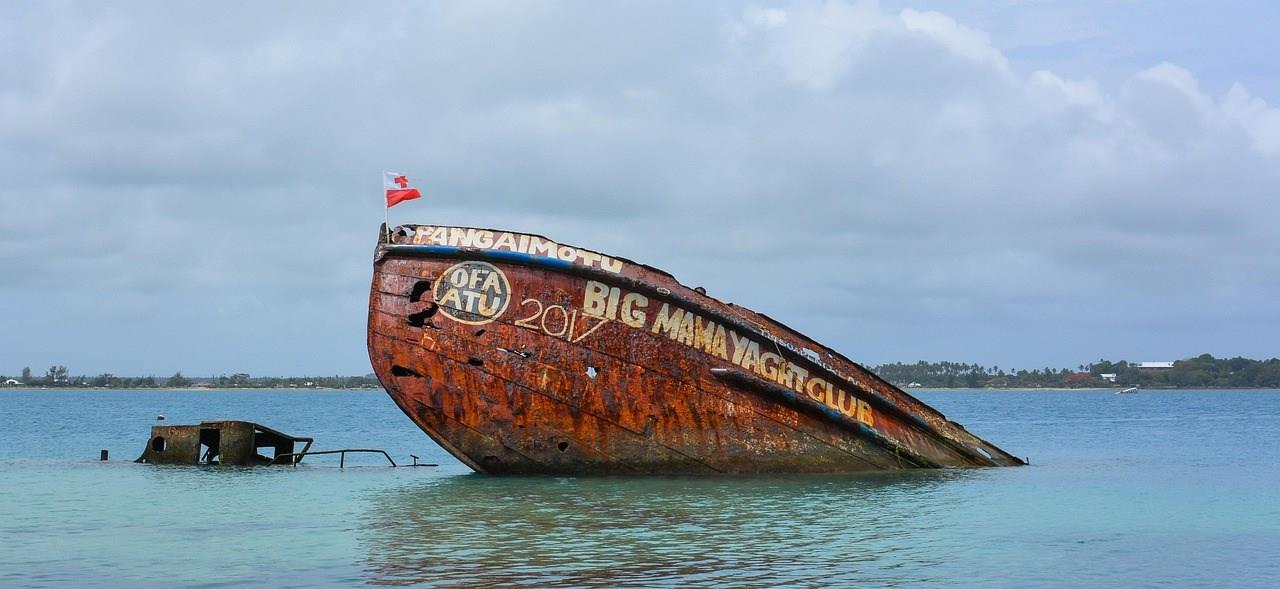
Tongatapu Island
Tongatapu, the main island of Tonga, is where tradition, history, and the South Pacific’s natural world intersect in quiet and unexpected ways. As the political and cultural center of the Kingdom of Tonga, it is home to the capital city, Nukuʻalofa, as well as ancient royal burial grounds, dramatic coastal blowholes, and friendly villages where daily life unfolds slowly.
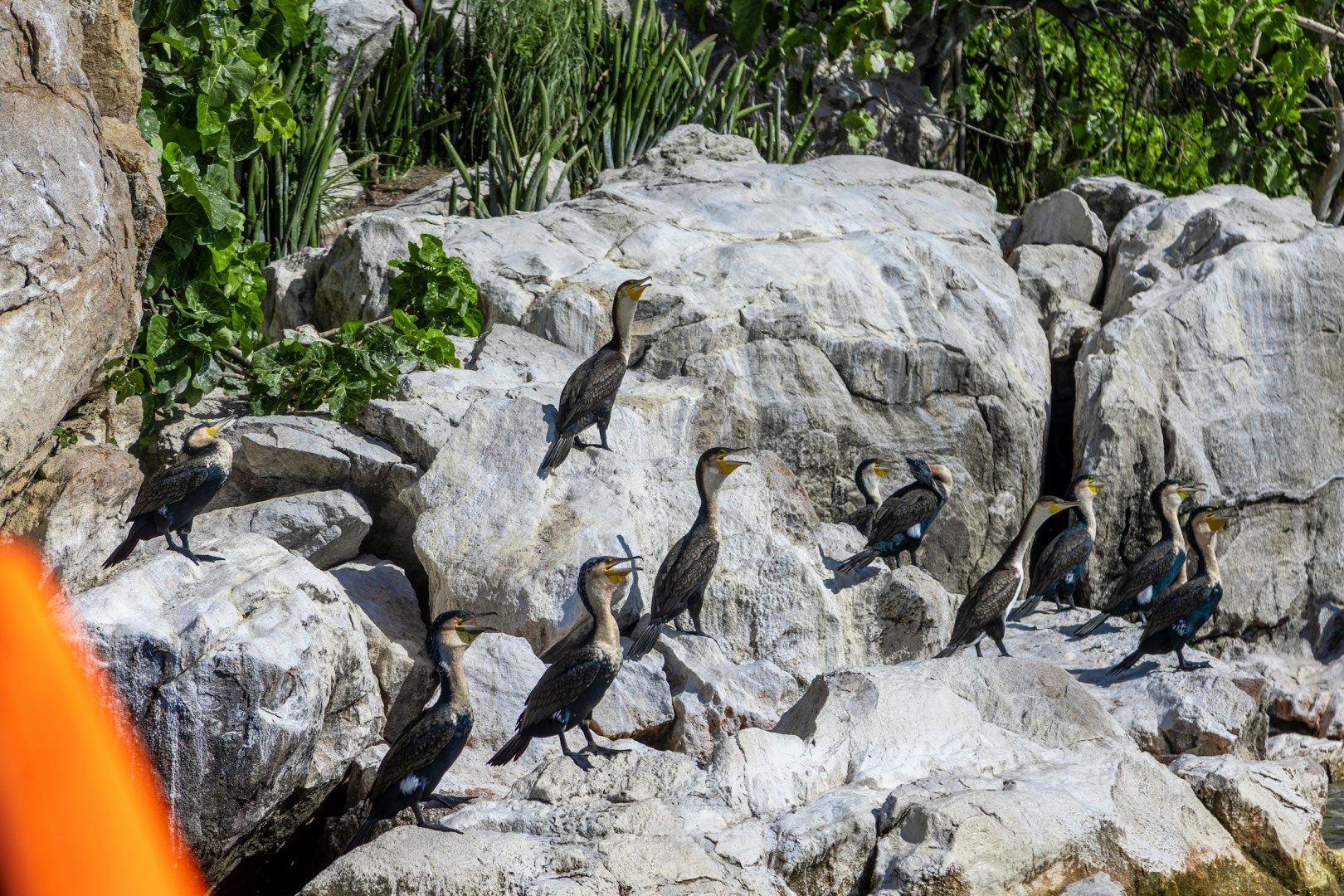
Boadzulu Island
Boadzulu Island is a small, forested island in Lake Malawi, located within the lake's southern basin near Cape Maclear. The island forms part of Lake Malawi National Park, a protected area recognized for its exceptional freshwater biodiversity. Its shores are surrounded by clear lake waters, rocky outcrops, and small bays, while vegetation covers much of the island's interior.
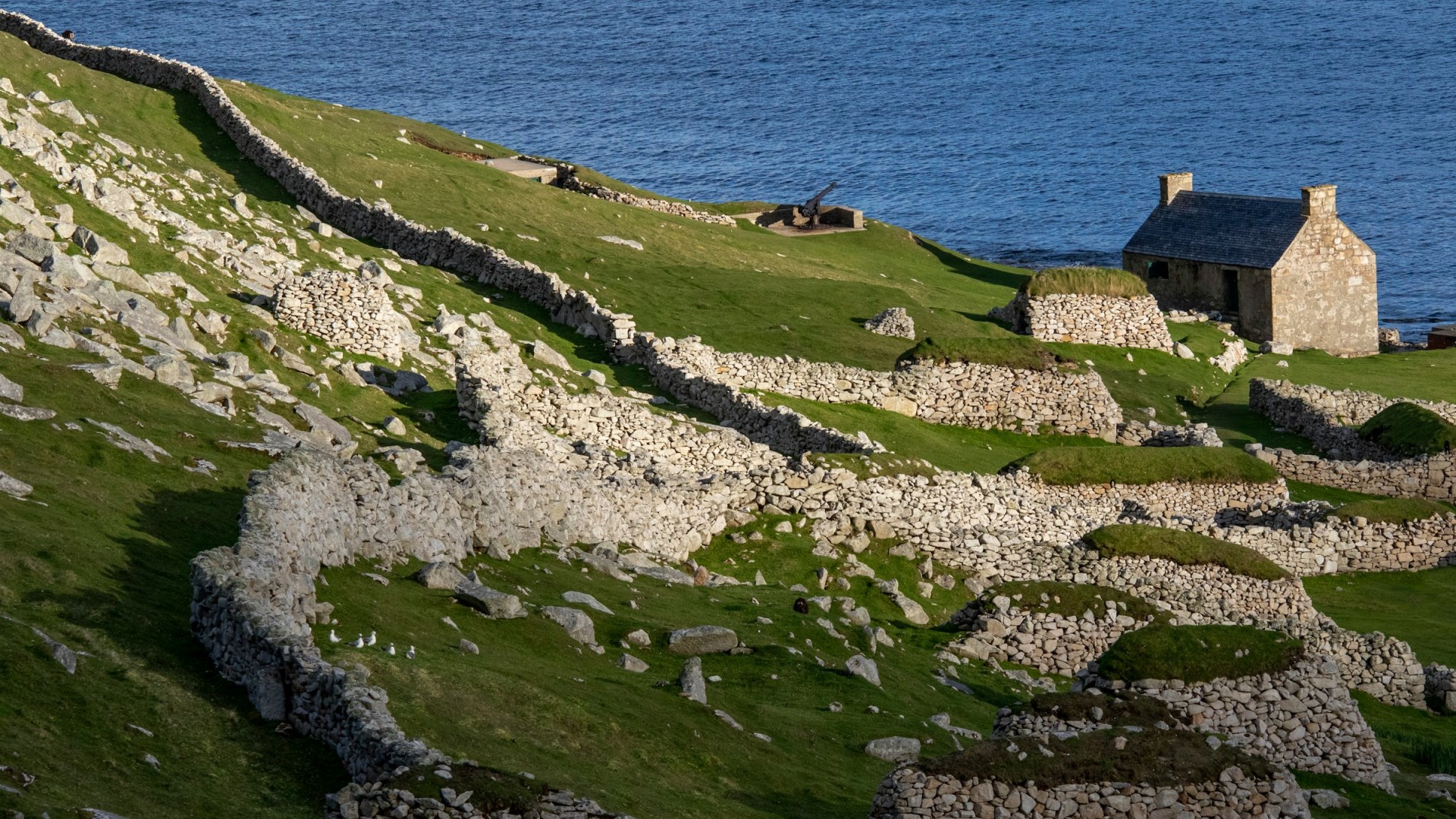
St. Kilda
St Kilda is a remote volcanic archipelago in the Atlantic Ocean, far west of Scotland’s Outer Hebrides. The group consists of Hirta, Dun, Soay, and Boreray, along with numerous sea stacks and smaller formations. Hirta is the largest island and contains the remains of the former settlement around Village Bay. No permanent civilian population lives on St Kilda today, although conservation workers, researchers, and Ministry of Defence personnel occupy Hirta at various times.
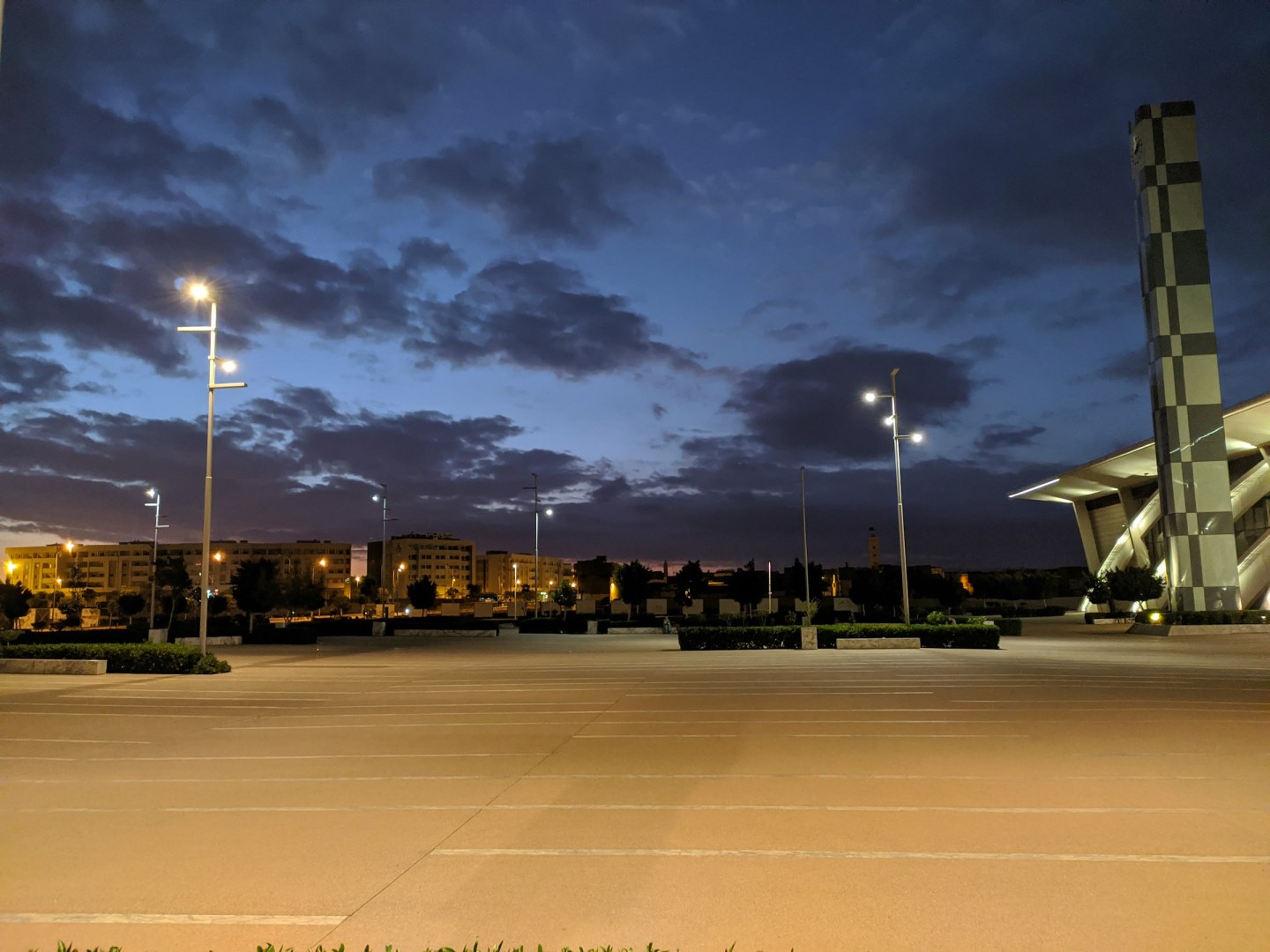
Oujda
The capital of eastern Morocco, Oujda stands on the border with Algeria. Its privileged geographic position makes it a center for Maghreb tourism and a meeting point of routes between Morocco and other North African countries. Many streams run from the northern slopes to irrigate the well-kept gardens and orchards. Crossing these imposing mountains affords a magnificent panoramic view of Oujda.
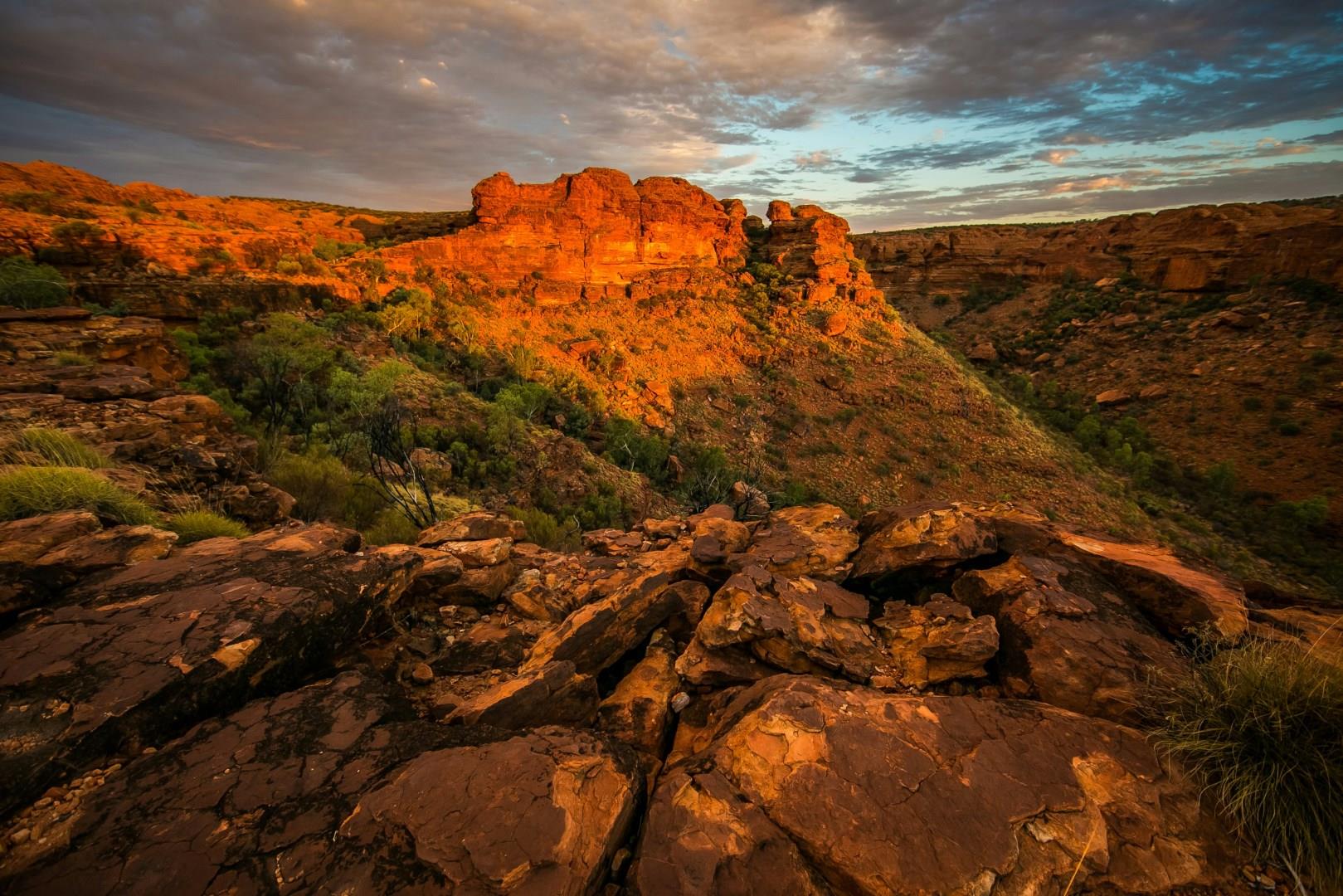
Kings Canyon
Kings Canyon, located in Australia’s Northern Territory within Watarrka National Park, is one of the Red Centre’s most striking natural landmarks. Carved over millions of years, the canyon holds deep cultural significance for the Anangu people, particularly the Luritja, for whom the area remains a sacred landscape tied to creation stories, ceremony, and traditional knowledge.
