
Borneo
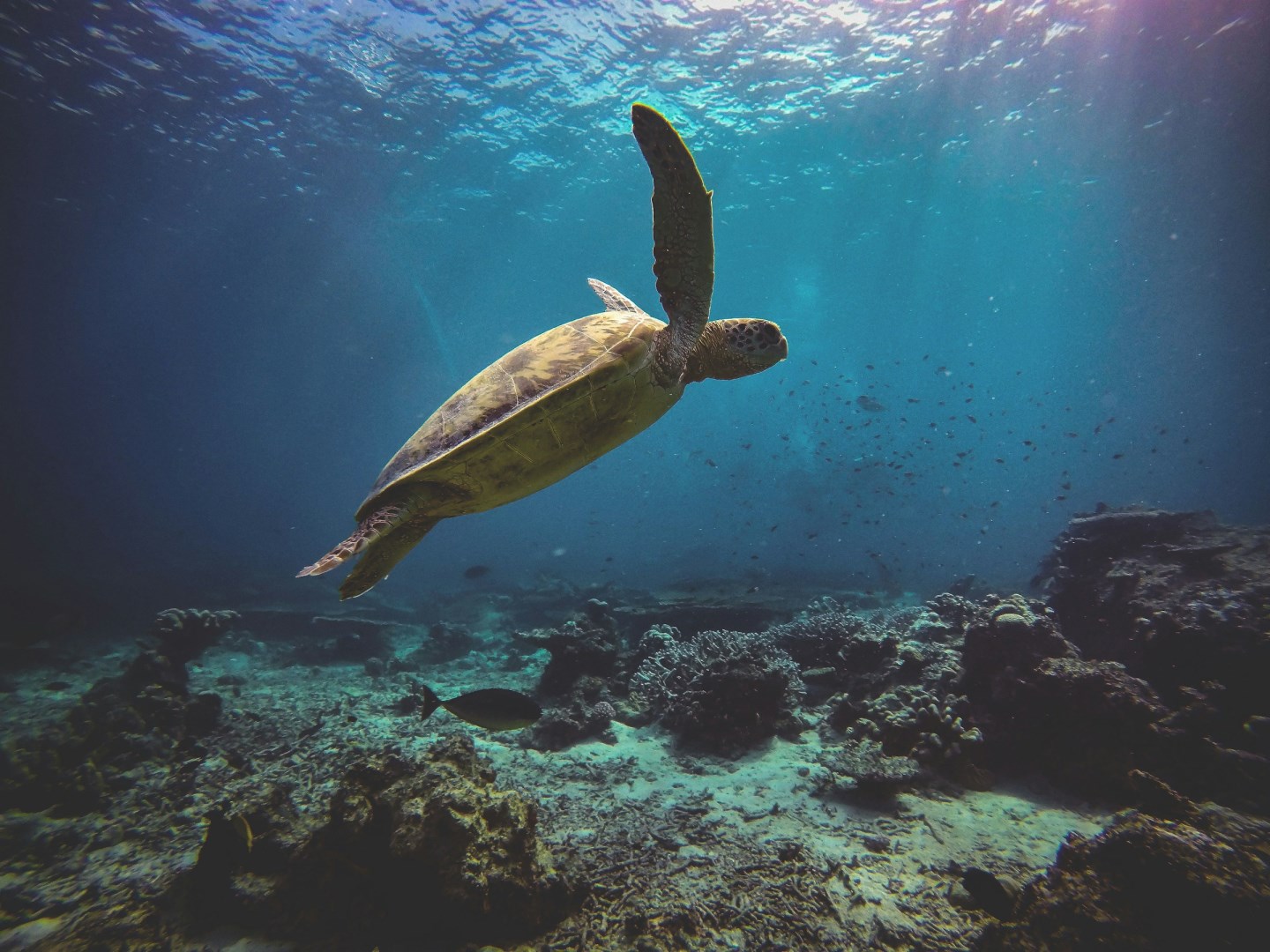
Malaysian Borneo occupies the northern part of Borneo, the world's third-largest island, and consists of the states of Sabah and Sarawak together with the federal territory of Labuan. The region is marked by extensive rainforests, rivers, mountains, limestone formations, and a long coastline along the South China, Sulu, and Celebes seas. Kota Kinabalu and Kuching are the principal urban centers, while smaller communities extend into forest and river regions.
Aceh
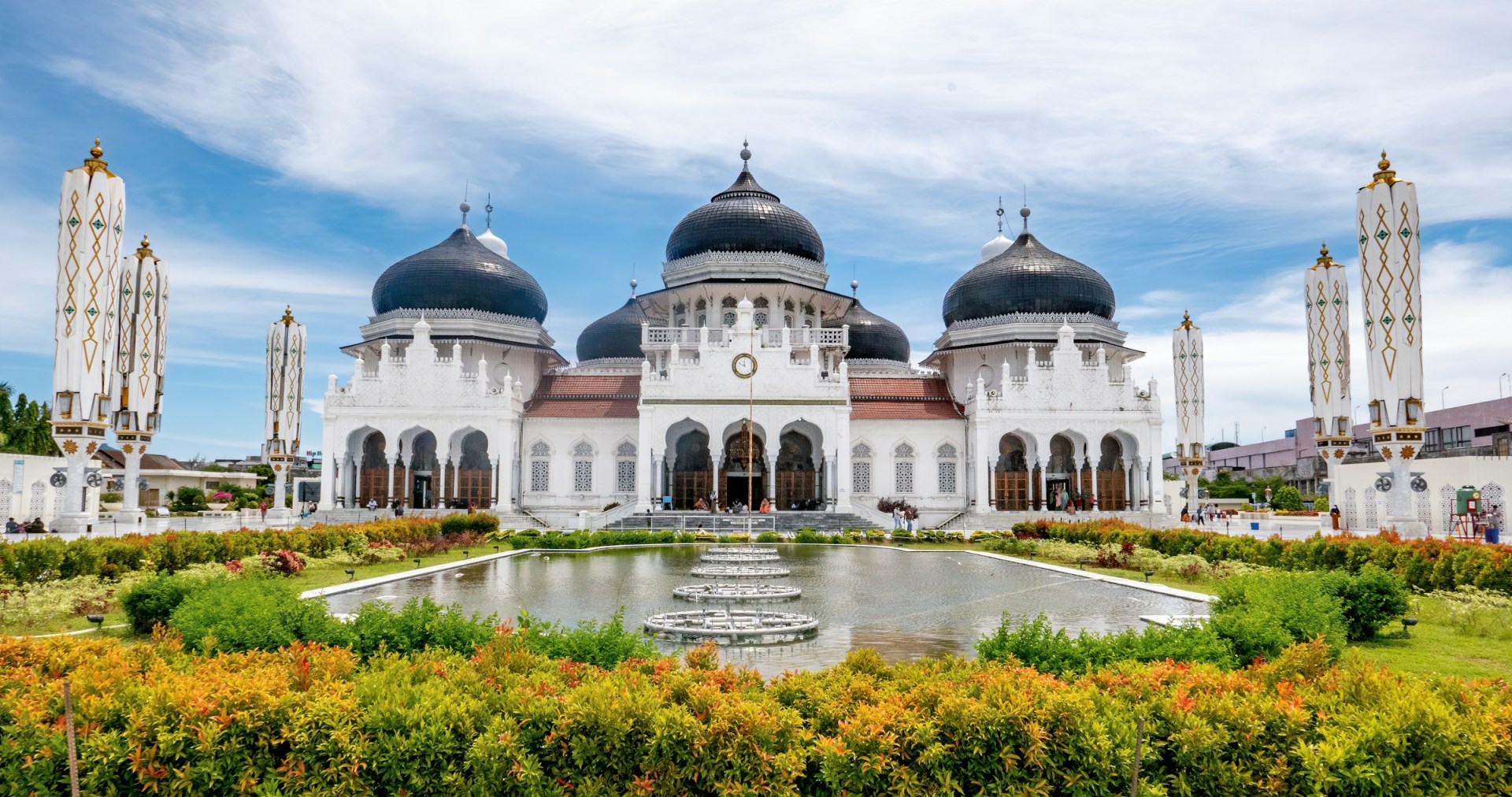
Aceh is a province at the northern tip of Sumatra, with Banda Aceh as its capital and a coastline facing the Andaman Sea, Malacca Strait, and Indian Ocean. Its identity is strongly shaped by Islam, local adat traditions, and a long history of sultanates and maritime trade. Banda Aceh’s Baiturrahman Grand Mosque is one of the province’s best-known landmarks, while the Aceh Tsunami Museum documents the devastating Indian Ocean tsunami and its lasting impact on local communities.
Macondé
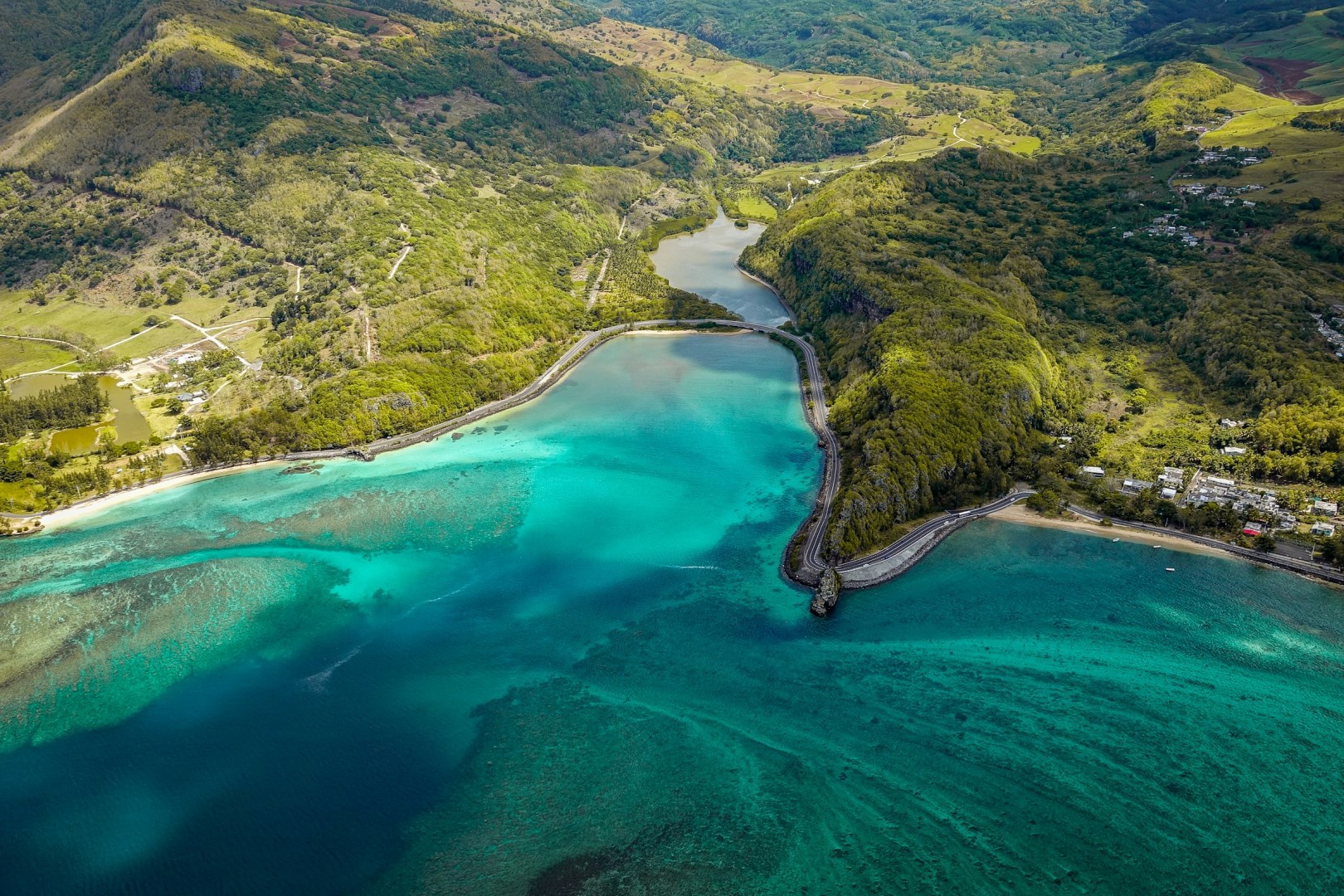
Macondé is a small locality in southwestern Mauritius, set on the coastal road between Baie du Cap and Le Morne. It is best known for the dramatic section of road that curves around the base of a dark basalt cliff beside the Indian Ocean.

Boracay
Boracay, a small island in the central Philippines, is famous for its white-sand beaches and clear turquoise waters. Despite its size, the island offers a wide range of activities, from swimming and snorkeling to paddleboarding and sailing.
Wiesbaden
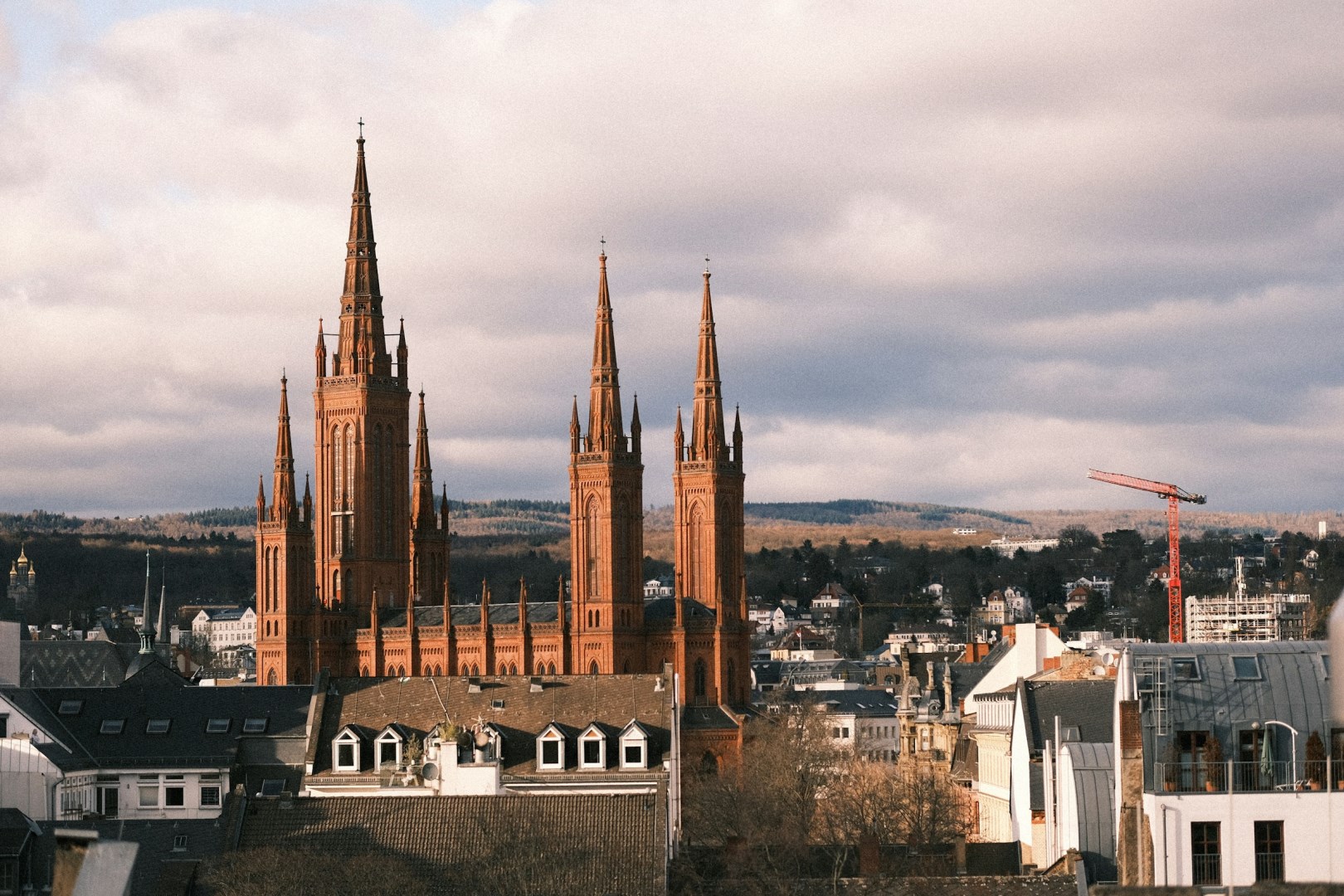
Wiesbaden is located in west central Germany at the southern foot of the Taunus Mountains, on the Rhine River, near Frankfurt. It is popular for its 26 hot mineral springs and mild climate and tourism is vital to the local economy. Wiesbaden is a cultural center; places of interest are the former royal and ducal residences; the Kurhaus with its casino and its concert halls; the Colonnade, remnants of a Roman wall known as the Heidenmauer ("heathens' wall"); and the Hessian State Theater.
